France suspends stun grenade use as over 250,000 join student protests nationwide
- Last updated: October 7, 2026 | 15:17


France has suspended the use of stun grenades by police at student-led demonstrations, the interior minister said on Wednesday, as allegations of police brutality mounted after days of sometimes violent demonstrations across the country.
Police fired tear gas to control crowds in Paris and elsewhere in France on Tuesday as more than a quarter of a million people rallied nationwide to support high school students demanding more education funding, according to government figures.
That same evening, President Emmanuel Macron held an emergency meeting with Prime Minister Sebastien Lecornu and other key ministers to find a way out of the crisis.
Lecornu will speak later on Wednesday on the school protests as well as the national finances, his office said, against the backdrop of heated debates over the country's 2027 budget.
Interior Minister Laurent Nunez told radio broadcaster RTL early Wednesday that he had suspended the police use of stun grenades at the protests.
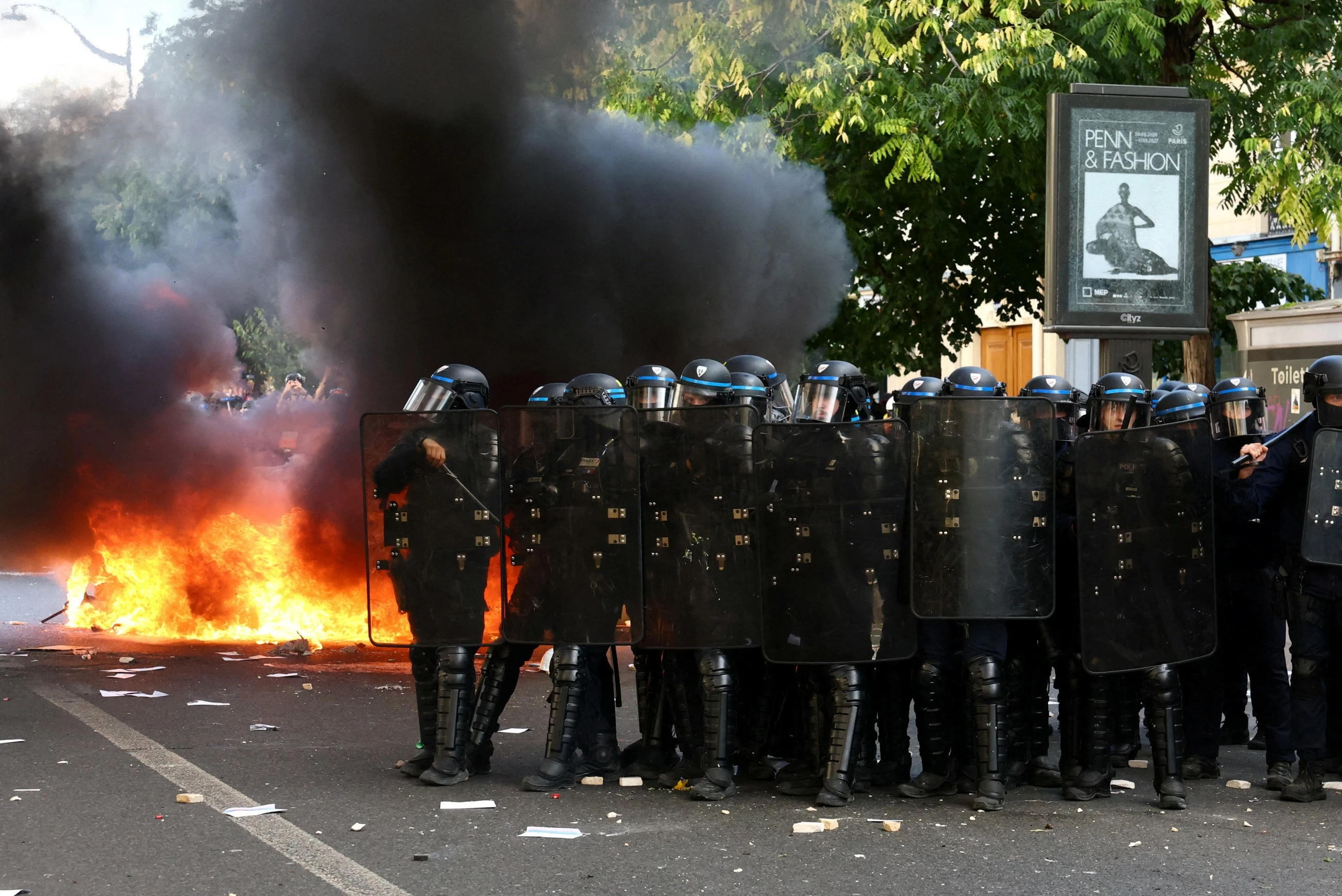
A 15-year-old lost a hand on Monday after police fired a stun grenade.
"I am suspending their use in the high school student protests until the facts of the incident have been clarified," said Nunez.
He stressed that this suspension was "only for the high school student protests" and for "just long enough to understand what happened".
Last week, a 14-year-old student in northwest Paris was hit in the face with a tear gas grenade at such close range that he lost several teeth. A policeman was charged on Tuesday over that incident.
Police have opened 18 internal investigations into allegations of misconduct since the protests began, Nunez said.
"It took several children being maimed for life for Nunez to give up using grenades against high school students," said Manuel Bompard, national coordinator of the hard-left France Unbowed (LFI).
The government has blamed the LFI for stoking tensions around the protests.
'Need something more'
The protests started in late September with students blocking entrances to hundreds of high schools for 15- to 17-year-olds over complaints of dilapidated facilities and teacher shortages.
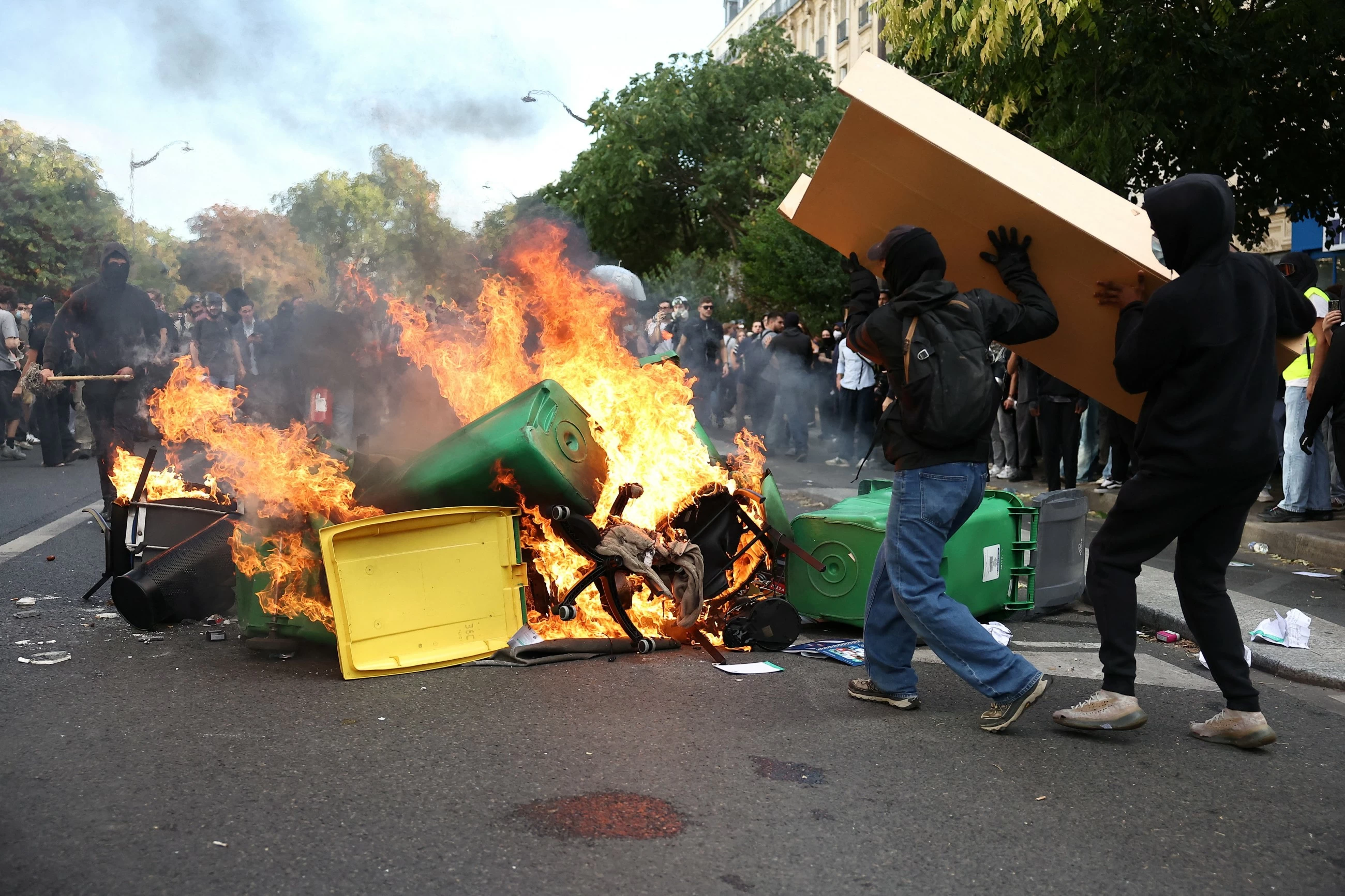
While most schools reopened on Wednesday, more than 500 remained at least partially closed with students blocking doors with mounds of trash bins.
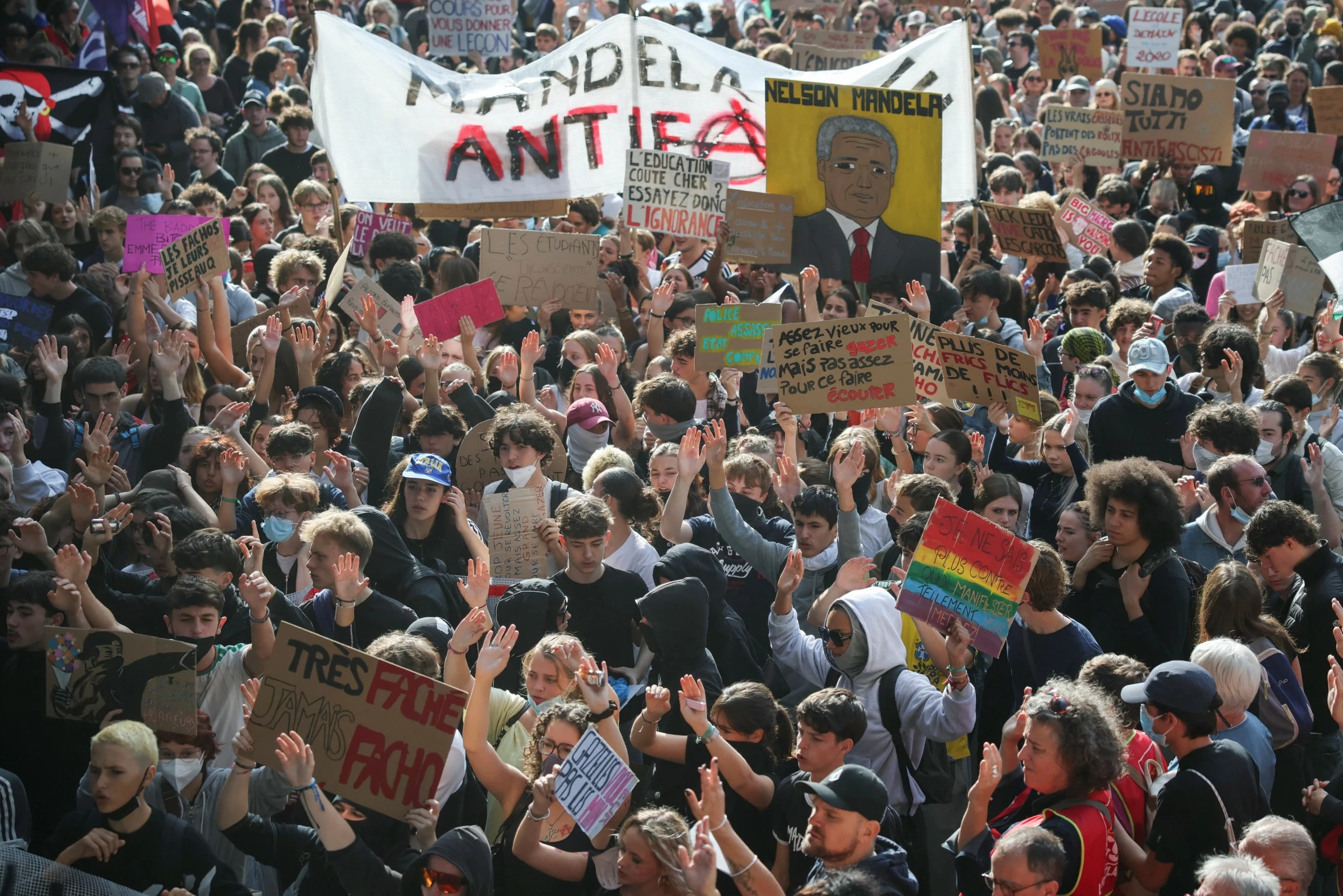
Parents, teachers and union workers joined the demonstrations in the capital Paris and other cities for a national day of mobilisation on Tuesday.
At least 488 people were arrested and 43 members of the security forces wounded in the protests on Tuesday, which saw a quarter of a million people mass across France, the interior ministry said.
Most of the day's demonstrations were peaceful but there were sporadic clashes across the country with protesters throwing projectiles and security forces using tear gas, AFP correspondents said.
Half-day of class time
Lecornu announced a half-day of class time would be set aside in schools on Wednesday to allow for "internal democratic" dialogue, intended to give students and staff the opportunity to voice their issues.
However, student union leader Ryad Rani told local press that the effort was "yet another attempt to muzzle the debate" and to gain time.
And the union representative for school principals, Nicolas Bonnet, told broadcaster franceinfo that "to get out of this crisis, we will need something more than simple consultation periods".
Lecornu on Tuesday condemned the violence and told lawmakers the violence would not be tolerated, while also rejecting accusations that the government had ordered "police repression" against protesters.
More than 6,500 people, mostly minors, have been arrested.
The government has reported that at least 215 students and 715 police officers have been injured since the start of the movement.
The prime minister's office said 85 teaching staff have also been injured.
Agence France-Presse