After two years of appeals, Turkish child is all set to get nearly $2.8m gene therapy treatment in Dubai
- Last updated: September 13, 2026 | 19:36


Somaiya Saad, Staff Reporter
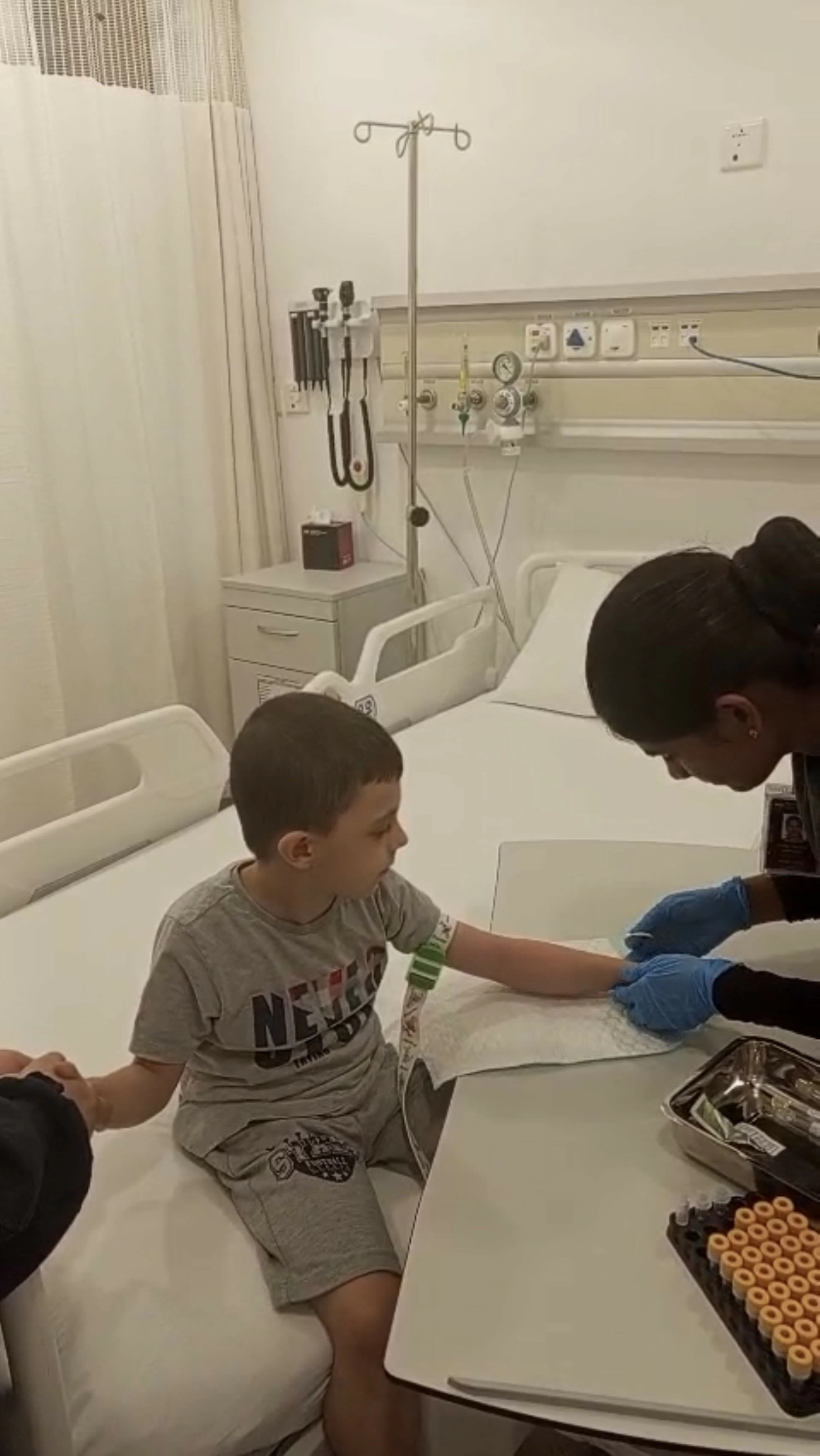
After a long and arduous journey filled with fear, anticipation, and numerous pleas for assistance, a Turkish child named Göktuğ Ordu found himself in Dubai, standing on the brink of a crucial milestone that his family had been desperately hoping for over the past two years. He had undergone all the necessary medical examinations and was ready to receive gene therapy in a race against time to fight off Duchenne muscular dystrophy.
During this critical juncture, "Al Khaleej" newspaper was present alongside the child as he underwent his final check-ups before receiving the therapeutic dose. This moment, charged with both hope and anxiety, signifies years of concern and recounts the story of a child who sought nothing more than the chance to fight a rare and devastating genetic disease, a condition that quietly and progressively robs children of their youth.
After more than two years of relentless efforts, making appeals, seeking donations, and launching various community initiatives, Göktuğ's family arrived in Dubai clinging to a single hope: that their child would receive treatment before the disease advanced further.
Upon completing all essential medical tests and evaluations, the results confirmed the child's eligibility for Elevidys, a gene therapy aimed at helping children afflicted with Duchenne muscular dystrophy.
The story began when Göktuğ was just two years old. His parents noticed that his legs were swollen, leading to a series of medical tests that diagnosed him with a rare disease. Despite initially being told that no cure was available, his family clung to hope, especially after learning about "Elevidys," a one-time gene therapy offered in the UAE. Unfortunately, the steep price of $2.8 million was far beyond their financial reach, prompting the mother to desperately seek funds to save her son before his condition worsened.
On April 12, "Al Khaleej" newspaper featured a heartfelt appeal from the Turkish mother, who was urgently seeking help to save her son from Duchenne muscular dystrophy. The story quickly gained widespread attention, with the Beit Al Khair Society stepping in to support the case. The Society quickly formed a team to evaluate the situation and launched a donation campaign, understanding that time was of the essence.
Göktuğ's story resonated with the public and the media alike, transforming into a campaign of humanitarian solidarity that drew support from thousands both in Turkey and abroad. Dubai Islamic Bank donated Dhs500,000 to the cause, and contributions from many other organisations helped push the campaign closer to its target.
Additionally, Manzil organisation aided in fundraising efforts for Göktuğ's treatment in the UAE. The collective efforts around Göktuğ's cause turned his story into a symbol of humanitarian unity, rallying individuals and institutions together in pursuit of a common goal.
Final Tests: The Decisive Moment
Göktuğ went through a detailed assessment conducted by a multidisciplinary medical team under the guidance of Dr. Vivek Mundada, a Consultant Pediatric Neurologist at Medcare Hospital. This evaluation was essential to confirm his readiness for gene therapy by adhering to the highest standards.
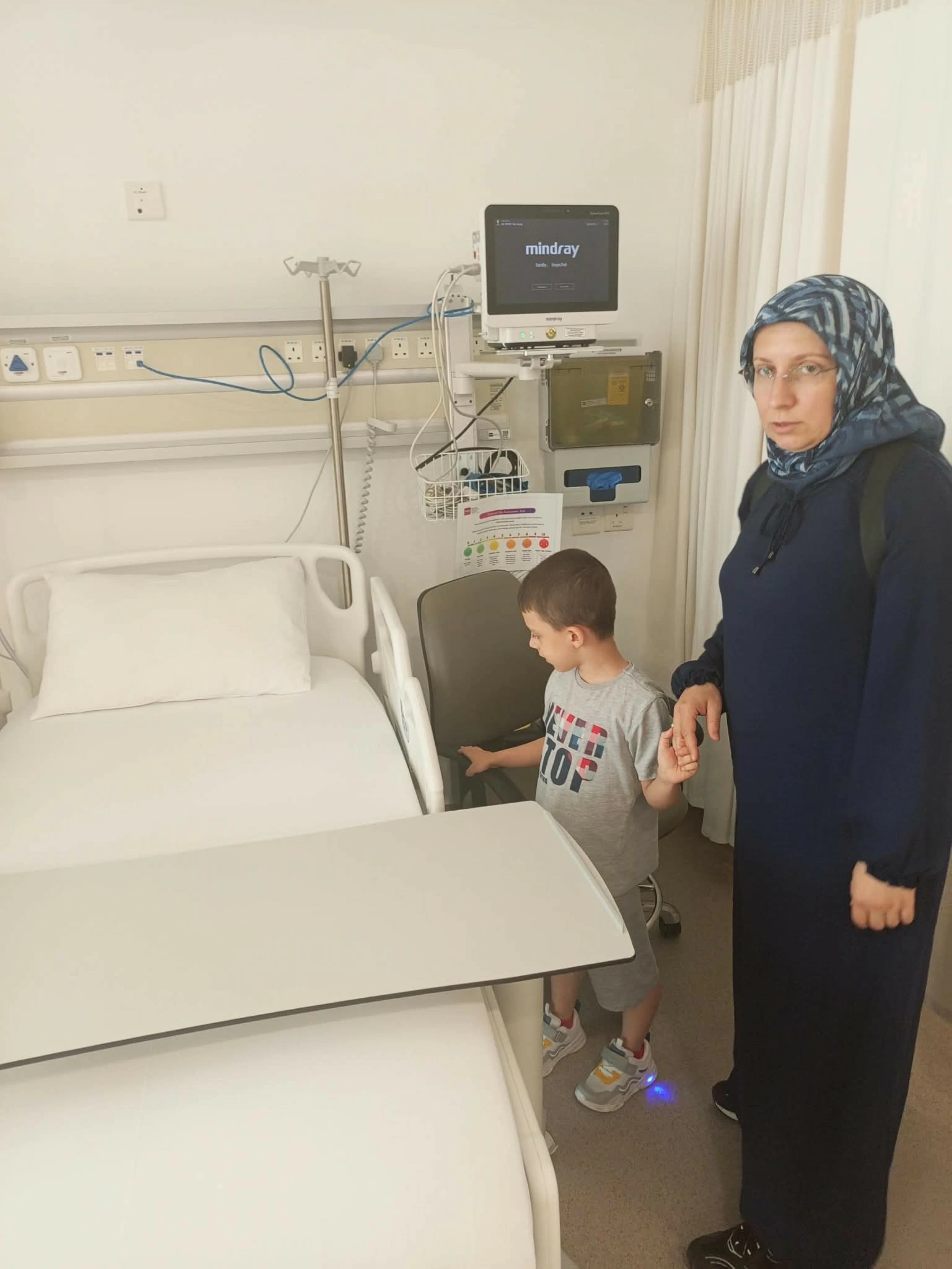
Following genetic tests and medical evaluations, it was confirmed that the child was prepared to start treatment, leading the family to this pivotal moment they had long anticipated.
Dr. Vivek Mundada highlighted that gene therapy marks a significant breakthrough in treating children with Duchenne muscular dystrophy; when applied at the appropriate time, it aims to slow the disease's progression and maintain motor function as long as possible.
He further explained that each patient undergoes a thorough pre-treatment assessment, which includes necessary genetic and immunological tests, to ensure suitability and deliver the therapy with the utmost safety and care.
Every minute was crucial. Göktuğ’s mother spoke of a challenging journey, reflecting on how each moment impacted her son's life. She witnessed his strength waning, relying solely on prayer when everything else seemed lost. The illness not only robbed him of his health but also stripped their family of joy and security. They lived in constant fear that they might not reach the treatment in time.
She expressed gratitude, acknowledging the significance of reaching this point: thanking everyone who supported her child, from those who donated to those who shared his story and believed that saving a child was a cause worthy of collective effort and solidarity.
Göktuğ’s journey was more than a search for healing; it was a testament to the enduring power of hope against the relentless passage of time.