Bahrain, Kuwait, Jordan intercept Iranian aerial attacks
- Last updated: September 2, 2026 | 11:51


Bahrain intercepted an Iranian aerial attack early on Wednesday, as Tehran continued to fire on allies of the United States in the Gulf region despite threats from President Donald Trump to escalate American military attacks.
Bahrain, which hosts an important US naval base, said its air defense systems intercepted incoming fire from Iran, accusing Iran of "attacks targeting civilians” in a statement issued by its military.
After a respite of more than a month, fighting between the US and Iran has been increasing since the weekend after the American military hit Iranian rocket launchers on an island in the Strait of Hormuz and Iran retaliated by firing missiles at American bases in Jordan, which were all intercepted.
The renewed violence threatens to threatens to fully reignite a conflict that is now in its seventh month and has led to a spike in oil prices, roiled the global economy and is posing increasing political problems for Trump's Republican party ahead of November midterm elections.
Since the fighting resumed, the price of Brent crude oil, the international standard, climbed above $95, up more than 30% from the start of the war.
Ahead of the morning attacks on Bahrain, Iran fired missiles at Jordan and drones at Kuwait all of which were intercepted.
The US Central Command said it had completed the latest barrage against Iranian military targets including air defense sites, radar systems and maritime assets.
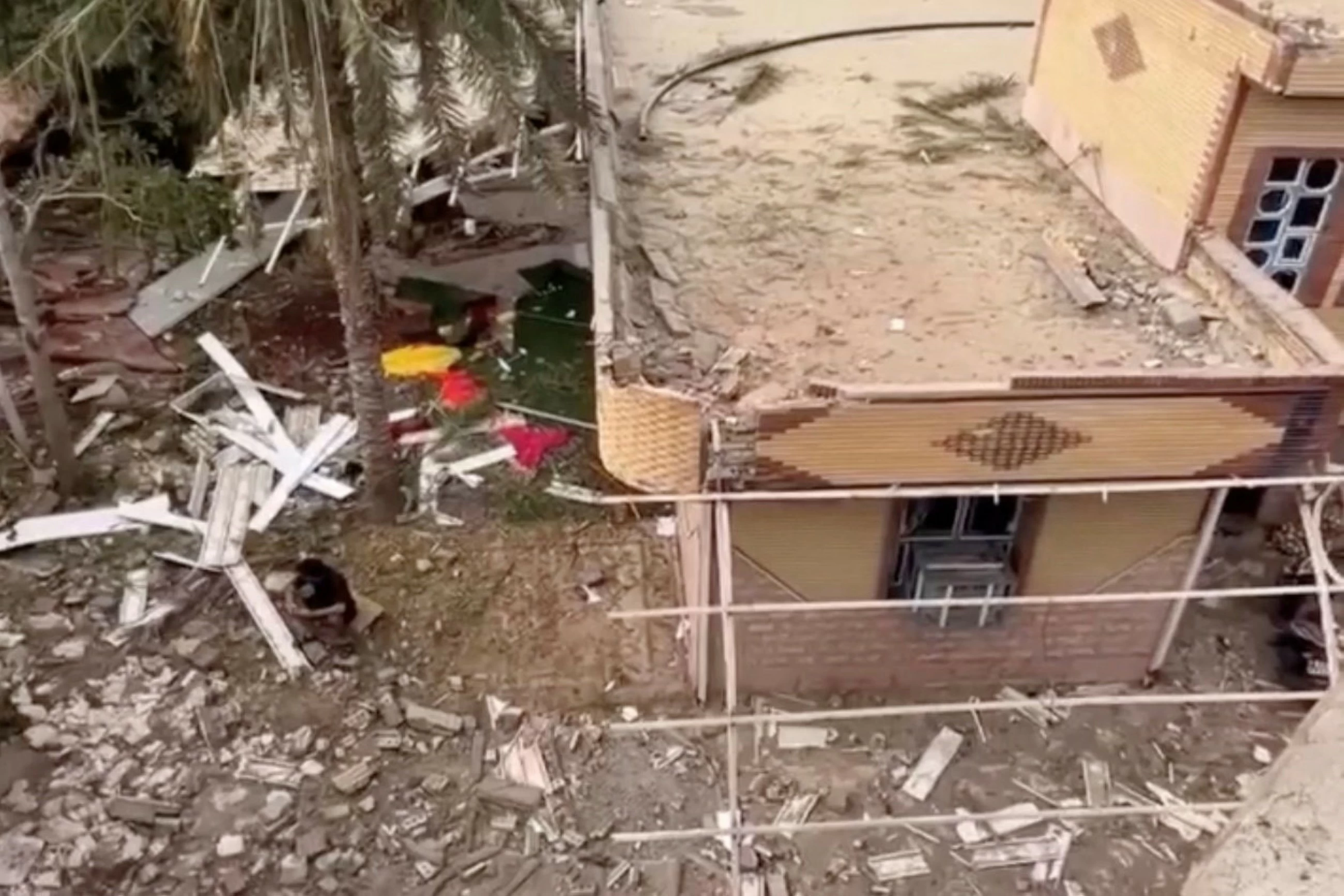
One US strike hit a home hosting a wedding, according to Iranian media. At least five people were killed, including a child, and wounding at least 68 others, according to Iranian officials.
The US military said it was aware of the report but that it "never targets civilians.”
During last month's the lull in fighting, the US ramped up economic pressure on Iran, which is suffering from soaring inflation, negative growth and a collapsing currency, as Washington sought to win concessions to fully open the Strait of Hormuz to international shipping traffic.
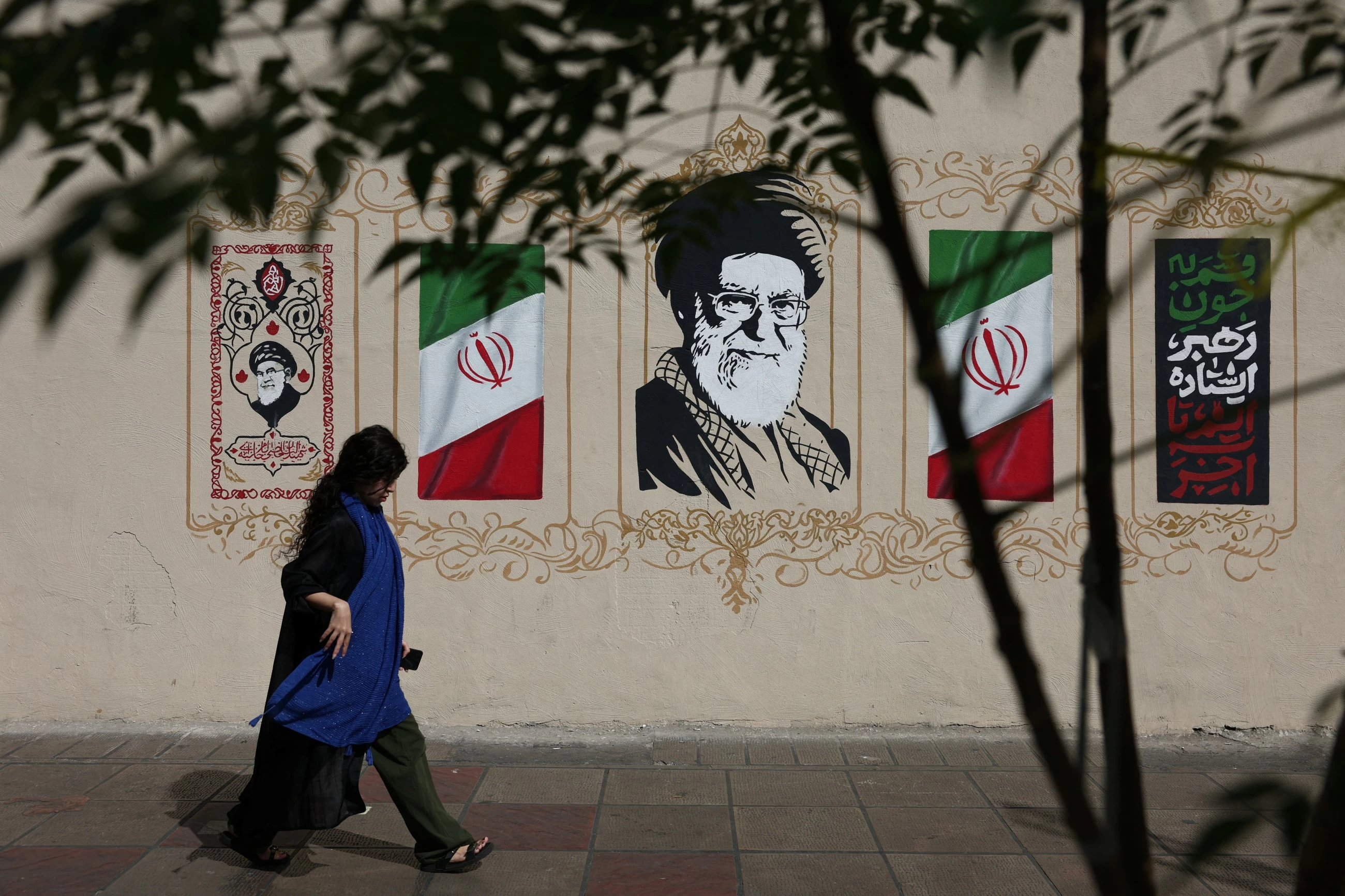
About a fifth of the world's traded oil was shipped through the key waterway before Israel and the US attacked Iran on Feb. 28 and Iran largely shut it down. Despite many pronouncements from Washington that the strait is open, only a handful of ships are making the passage each day and Iran has regularly attacked vessels.
In launching its latest attacks, US Central Command said it was responding to Tehran trying to hit commercial ships and American forces in the Middle East.
Late Tuesday, US President Donald Trump said he would not force Iran to the bargaining table.
"I couldn’t care less if they sign a worthless, to them, agreement. I like our position now much better, with almost total control of the Hormuz Strait, and their economy totally collapsing.
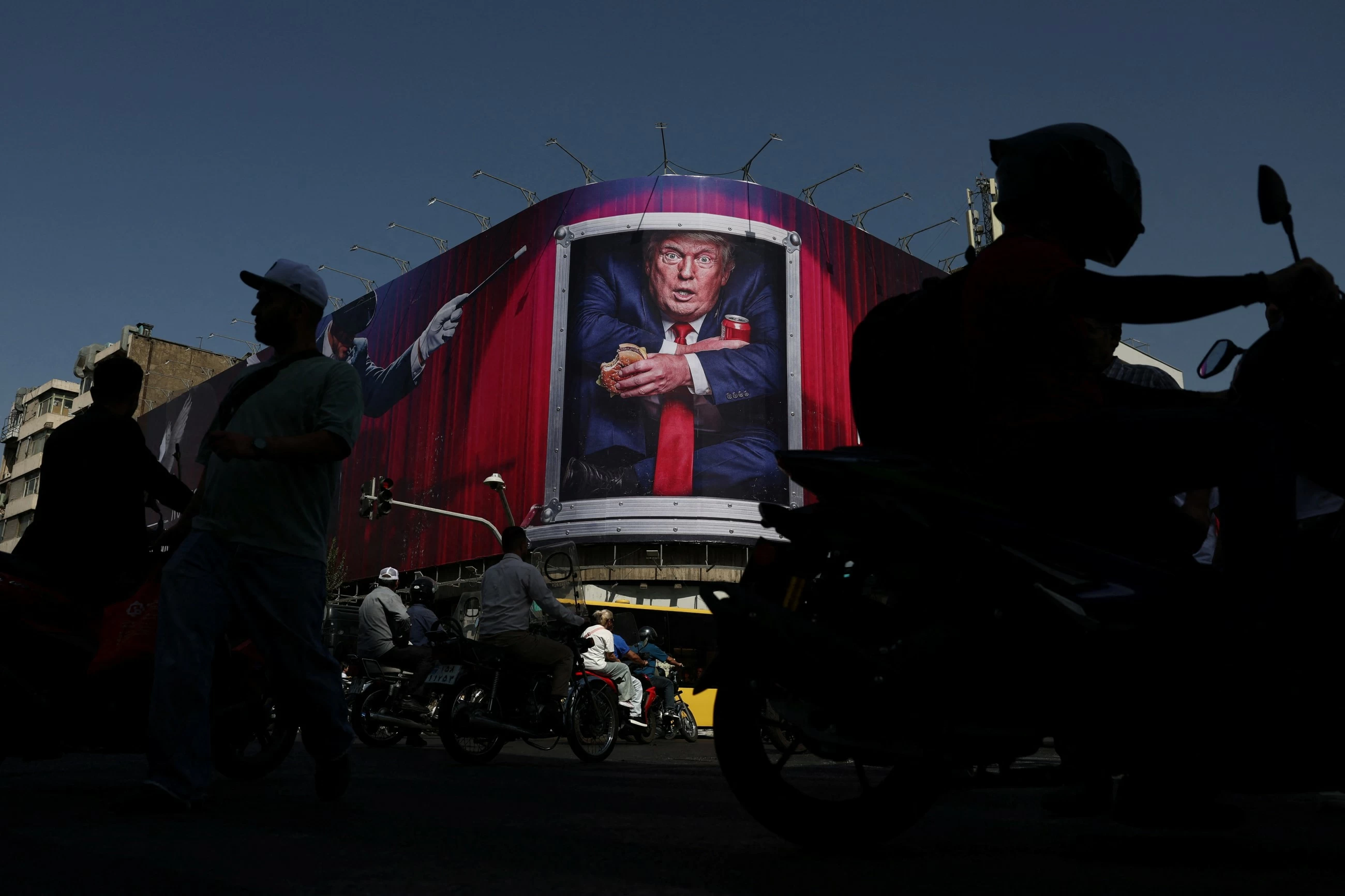
They are just playing out the inevitable. When are the Iranian people going to rise up and fight?” Trump wrote on social media.
Earlier, Trump had appeared to pivot toward trying to bend Iran to his will through economic sanctions. He warned that if Iran retaliated for the new strikes, "they will be hit again at a much harder and higher level.”
Associated Press