Athens to be Guest of Honour at Xposure's 10th edition
- Last updated: December 17, 2025 | 18:52


Gulf Today, Staff Reporter
In its milestone 10th edition, the Xposure International Photography Festival will unveil a new chapter in its evolution by launching a dedicated zone celebrating Athens as part of a newly conceived Zones architecture that reimagines exhibitions as interconnected cultural ecosystems rather than isolated showcases.
From Jan.29 to Feb.4, 2026, the Athens Zone will transform Aljada, Sharjah into a landscape of Greek stories, presenting 140 artworks by six acclaimed visual artists whose work is internationally recognised for documenting communities on the margins, the rituals that preserve identity, and the human consequences of social transition.
This focus aligns with Xposure 2026’s overarching theme, “A Decade of Visual Storytelling,” and reinforces the festival’s role as a global meeting point for visual culture and ideas.
Presented as the festival’s first Guest of Honour, Athens will occupy a central space within Xposure 2026, reflecting Greece’s enduring creative legacy and its contemporary dialogue with identity, migration, belief, belonging and change.
The Athens Zone underscores Xposure’s position as a global celebration of visual storytelling and defines its tenth edition as a moment not only to display powerful images, but to reflect on what a decade of visual storytelling reveals about humanity, culture and the future.
Preserving identity through change
The Athens Zone will feature six independent exhibitions, each using photography as a lens to understand how communities preserve identity through change. Collectively, the works illuminate the emotional geographies of Greek people, from nomadic families and migrant neighbourhoods to communities shaped by ritual, faith, and shared memory.
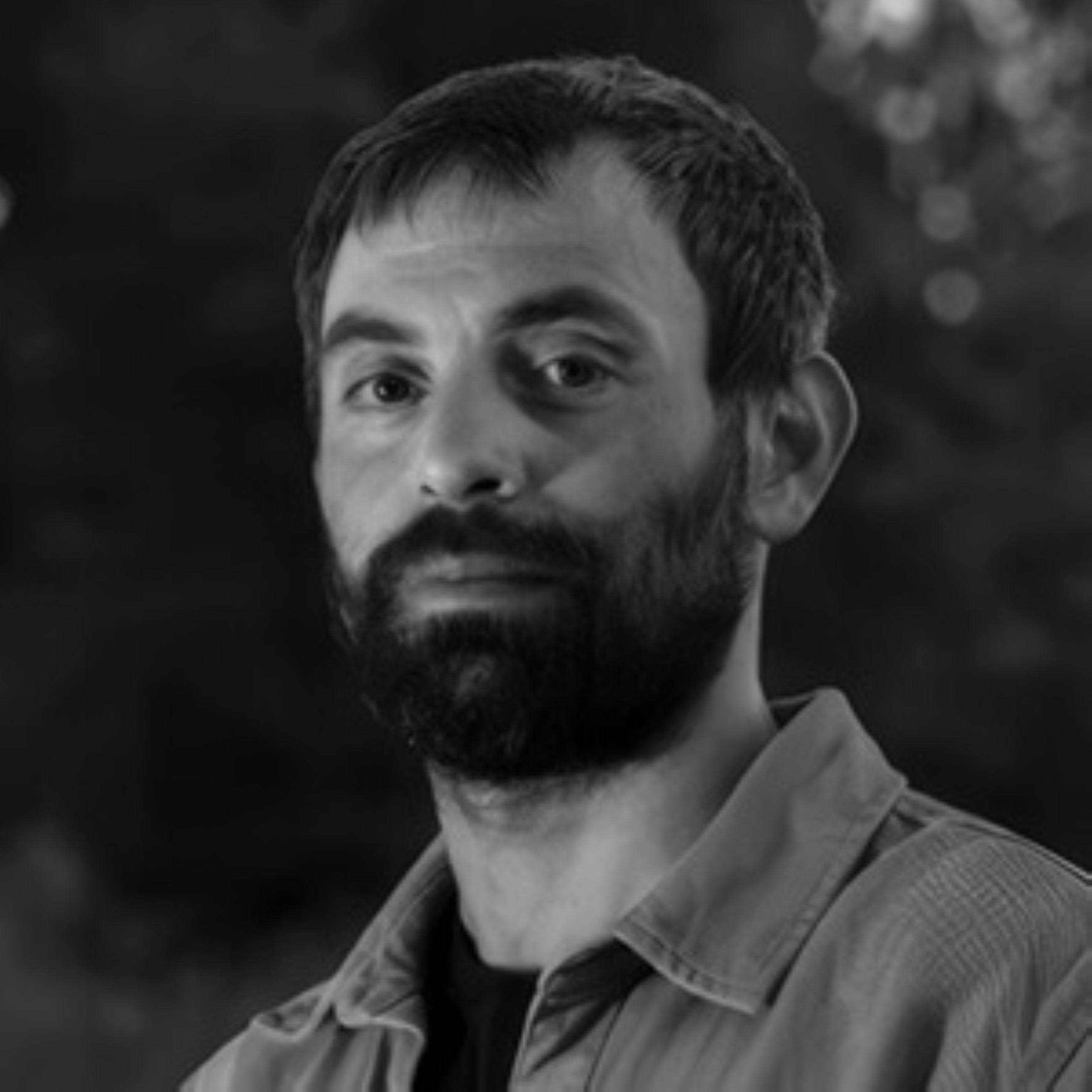
In ‘Diava,’ Dimitris Tosidis documents the centuries-old pastoral nomadism of Northern Greece, recognised by UNESCO as Intangible Cultural Heritage, capturing the final families who continue seasonal migration on foot.
His imagery reflects not only endurance, but also a wider reckoning with modernity, memory, and loss, and his work has been recognised with international awards including the Migration Media Award and the Athens Photo World Award.

In 'Little Homelands of Diversity,’ Maro Kouri turns her lens on Athens’ migrant communities, revealing how people negotiate belonging in urban space and how multicultural neighbourhoods evolve over time. Her portraits, which have appeared in leading international media titles, examine coexistence, identity, and the everyday realities of people who have made Athens their home.

Athanasios Maloukos’s series ‘Religio Mundi: A Spiritual Journey’ explores the emotional states within religious rites, distilling the weight of mourning, the intensity of spiritual experience, and moments of transcendence. His work, recognised by international photography awards, captures traditions and rituals that continue to shape communities around the world.

In ‘The Athenians’, Socrates Baltagiannis offers an intimate portrait of Athens through the faces of its people, capturing everyday lives shaped by a city in social and economic transition. Created during a period of profound change for both the photographer and the capital, the series reflects how personal stories, resilience, and identity intertwine with Athens’ evolving urban fabric. Through quiet, honest portraits, Baltagiannis documents the city’s diversity, revealing how individual lives collectively form a living mosaic of contemporary Athens.

Visual artist Antonis Pasvantis presents a decade-long study of ‘Evros’, the river marking the natural border between Greece and Turkey. His work, ‘Evros: Life on the Banks’, examines life in the borderlands, following communities whose stories are influenced by geography, history, and politics. The project traces coexistence among Christians, the Sunni minority, and Greece’s last Alevi Muslim community, documenting their rituals, festivals, and daily challenges.

In ‘Mitos: The Thread of Greece’, photographer Michael Pappas documents traditional attire and costumes across Greek regions, uncovering the narratives encoded in dress, ritual, and identity. The project explores costume as a living archive of social, historical, economic, and cultural meaning. Pappas’s photography appears regularly in international publications and he extends his practice through books that reflect on cultural memory and the narrative power of photography.
Together, these exhibitions position the Athens Zone as a space where photography is treated as evidence, testimony, and cultural memory, rather than a purely aesthetic exercise.
A space to think and reflect
Reflecting the festival’s new identity-driven architecture, the Athens Zone will not be limited to static displays. It will also include talks, sessions, and conversations that examine how photography functions as a tool of memory, heritage, and truth.
A key session, presented on Xposure’s renowned Stage X by Athens Photo World and titled ‘Stories of Migration, Culture, and Humanity’, will explore how visual narratives document displacement, coexistence, and human dignity, and how images contribute to public understanding of migration and social change.
This approach signals a broader shift in Xposure 2026 from simply showcasing visual arts to activating cultural inquiry, using exhibitions and Zones as platforms for questions about how societies see themselves and how they are seen by others.
A decade of visual storytelling
Organised by Sharjah Government Media Bureau (SGMB) under the theme “A Decade of Visual Storytelling,” Xposure 2026 looks at what ten years of images have revealed about empathy, identity, conflict, the environment and collective memory, and how visual culture will shape the next decade.
The edition brings together more than 420 photographers, filmmakers and visual artists for over 570 events. These include 95 exhibitions, featuring 3,200 artworks, alongside 126 talks, 72 workshops, 280 portfolio reviews and a trade show of leading imaging brands. Xposure operates as a space where visual culture is examined, debated and understood, with its scale serving as evidence of a growing global demand for meaningful platforms.
The Athens Zone extends an ongoing cultural dialogue between Sharjah and Athens, bringing it into Xposure’s new Zones architecture in an immersive form. Sharjah is recognised by UNESCO as Cultural Capital of the Arab World (1998) and Capital of Islamic Culture (2014) and continues to invest in culture as a tool for learning and dialogue. With Athens as Guest of Honour and a full Zone dedicated to its stories, Xposure positions visual culture as a bridge between histories, languages, and communities.