A tale of many cities: Art Smiley Gallery hosts John Railton’s works
- Last updated: May 30, 2026 | 09:35


Muhammad Yusuf, Features Writer
Art Smiley Gallery, Dubai’s big-hearted cultural space, is presenting The Theatre of Life, a major solo exhibition by British contemporary artist, John Railton (June 6 – 11). It brings together an extensive collection of figurative paintings created over the last decade, exploring the emotional and physical presence of humanity within public spaces across cities such as Cairo, Kolkata, Marrakech, Kuwait City, and beyond. Through richly layered compositions and magically conjured atmospheric urban scenes, Railton transforms ordinary moments of everyday life into a panorama of cinematic visual narratives filled with memory, resilience, movement, and human connections.
At the heart of the exhibition is the artist’s long-running artistic philosophy known as “The Theatre of Life”, a body of work inspired by Shakespeare’s famous line, “All the world’s a stage”. In Railton’s paintings, marketplaces, alleyways, streets, and public squares become theatrical spaces where workers, travellers, vendors, families and passersby, perform the quiet choreography of everyday movement and existence.
The exhibition reflects on how societies are shaped through daily gestures, repetitive routines, fleeting passages, purposeful labour, and shared experiences. Rather than focusing on monuments or landmarks, Railton’s paintings celebrate the unnoticed beauty and dignity of ordinary people, whose daily journeys quietly weave what the artist describes as “the fabric of life.”
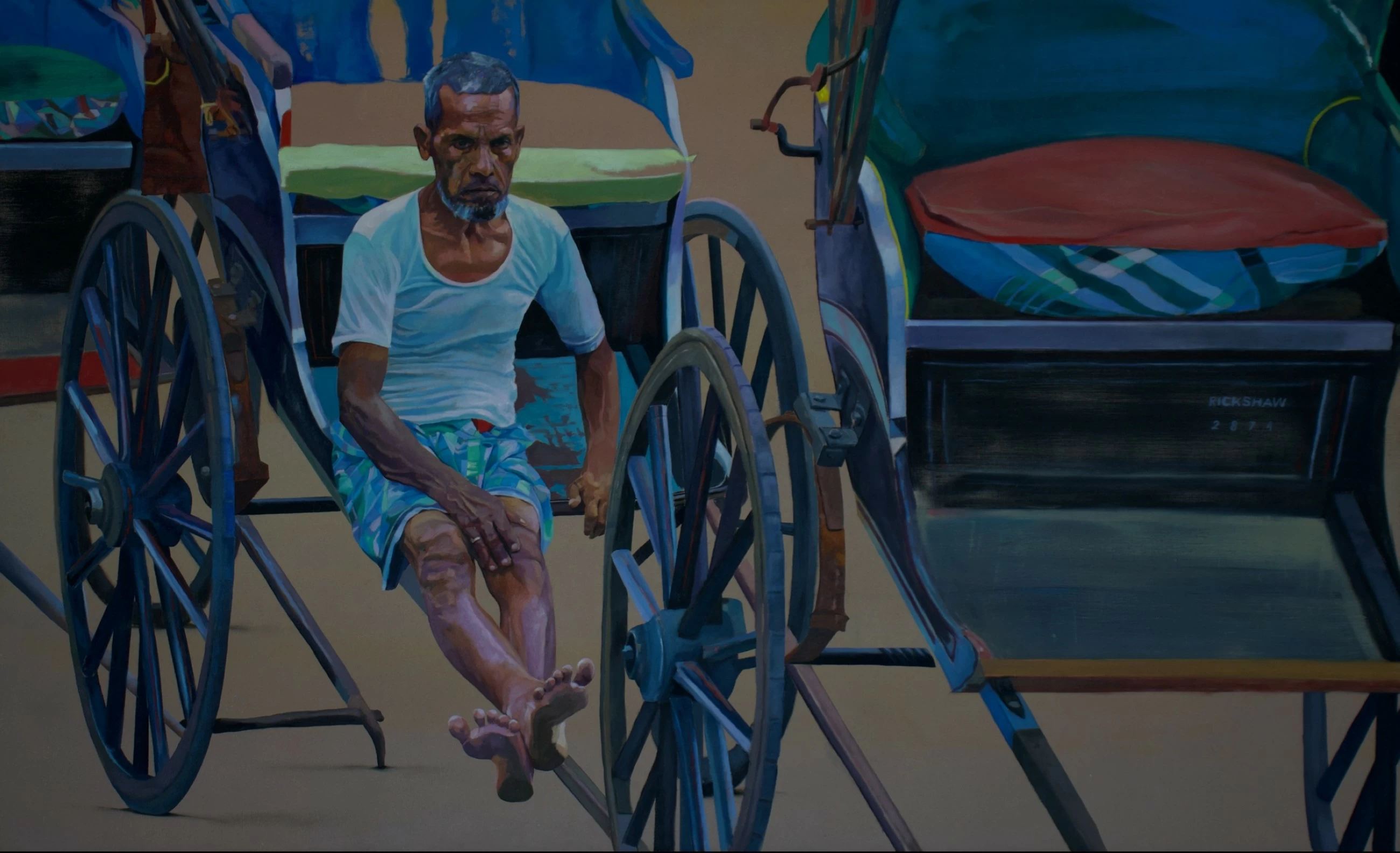
Railton has always seen art as more than a visual practice. Painting is his way of understanding people, places, and inner sides of the quiet stories of everyday life. His work follows more than three decades of lived experience; it moves between personal journeys and shared cultural memory, focusing not on monumentalism, but on presence.
Daily life is a constant source of inspiration for him. Crowded streets, brief encounters and passing gestures, appear throughout his work. Whether depicting urban scenes or moments observed in Morocco, his paintings capture people caught in motion, shaped by time and circumstance. Figures such as Moroccan women emerge from the environment itself, grounded, resilient, and deeply connected to their surroundings. Children often appear in his compositions, fully captured in their curiosity and openness, learning and growing under the protective presence and guidance of adults.
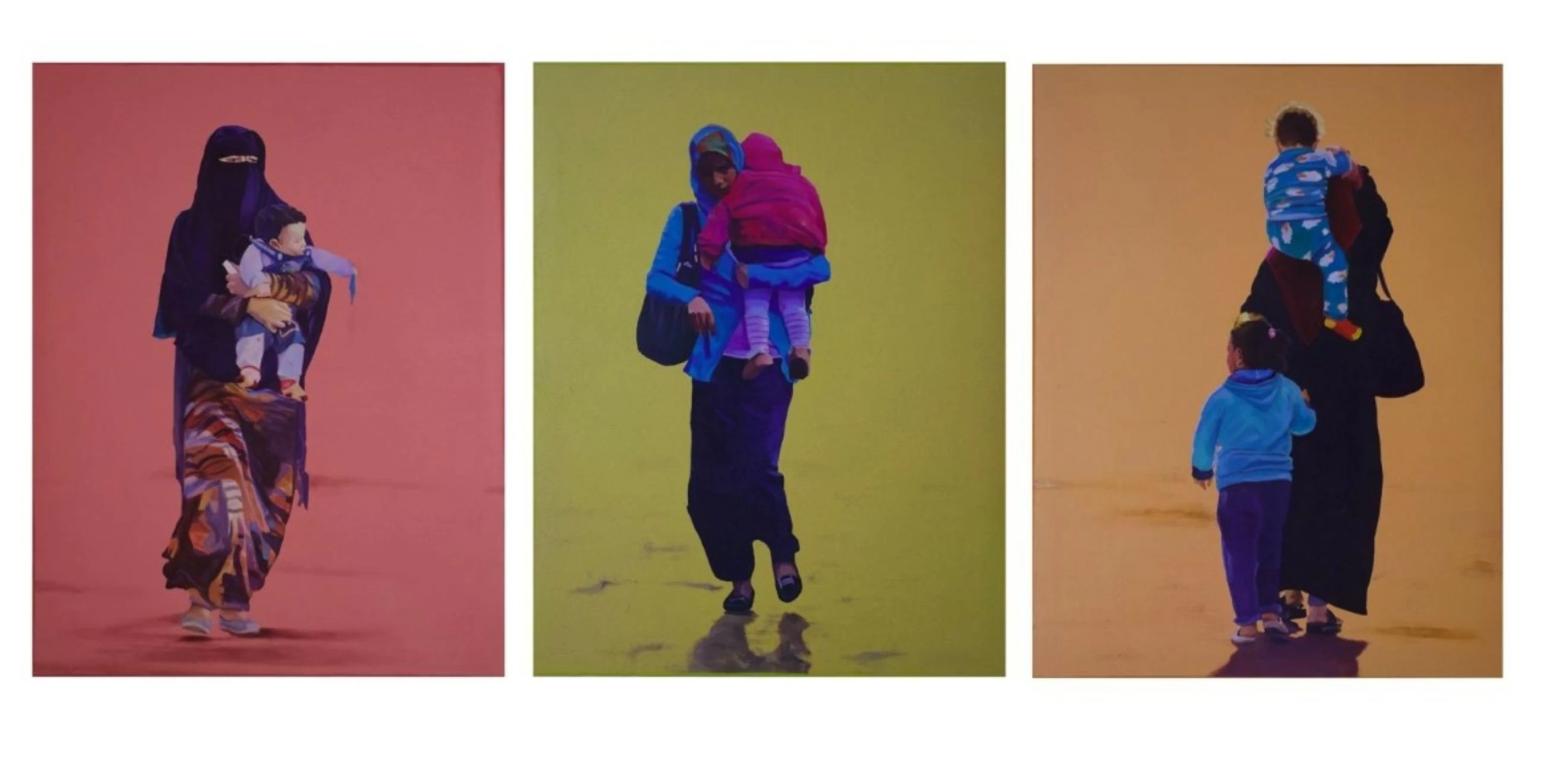
Railton’s work is an ongoing conversation between art and life, quiet, human, and deeply rooted in day-to-day encounters. The exhibition features several large-scale works from his acclaimed The Theatre of Life series, including paintings inspired by the historic flower markets of Kolkata, the vibrant public squares of Marrakech, and the layered streets of Old Cairo. The works combine expressive brushwork, dramatic compositions and luminous colour palettes, creating emotionally immersive scenes that blur the line between observation and memory.
Speaking about the exhibition, Railton says: “These paintings attempt to reveal how life is woven through daily journeys, daily exchanges, daily glances and daily gestures. Through moments like scenes from a play, we form communities, cities, and countries. My artistic journey deals with the very essence of human existence, drawing inspiration from the intricate realities of daily life, paying particular attention to the emotional and physical presence of the individual within urban settings.” Presented within the industrial and creative district of Al Quoz, where Art Smiley Gallery is based, The Theatre of Life invites visitors to experience a journey through culture, movement, humanity, and common existence, offering a contemplative reflection on the universal rhythms of urban life.
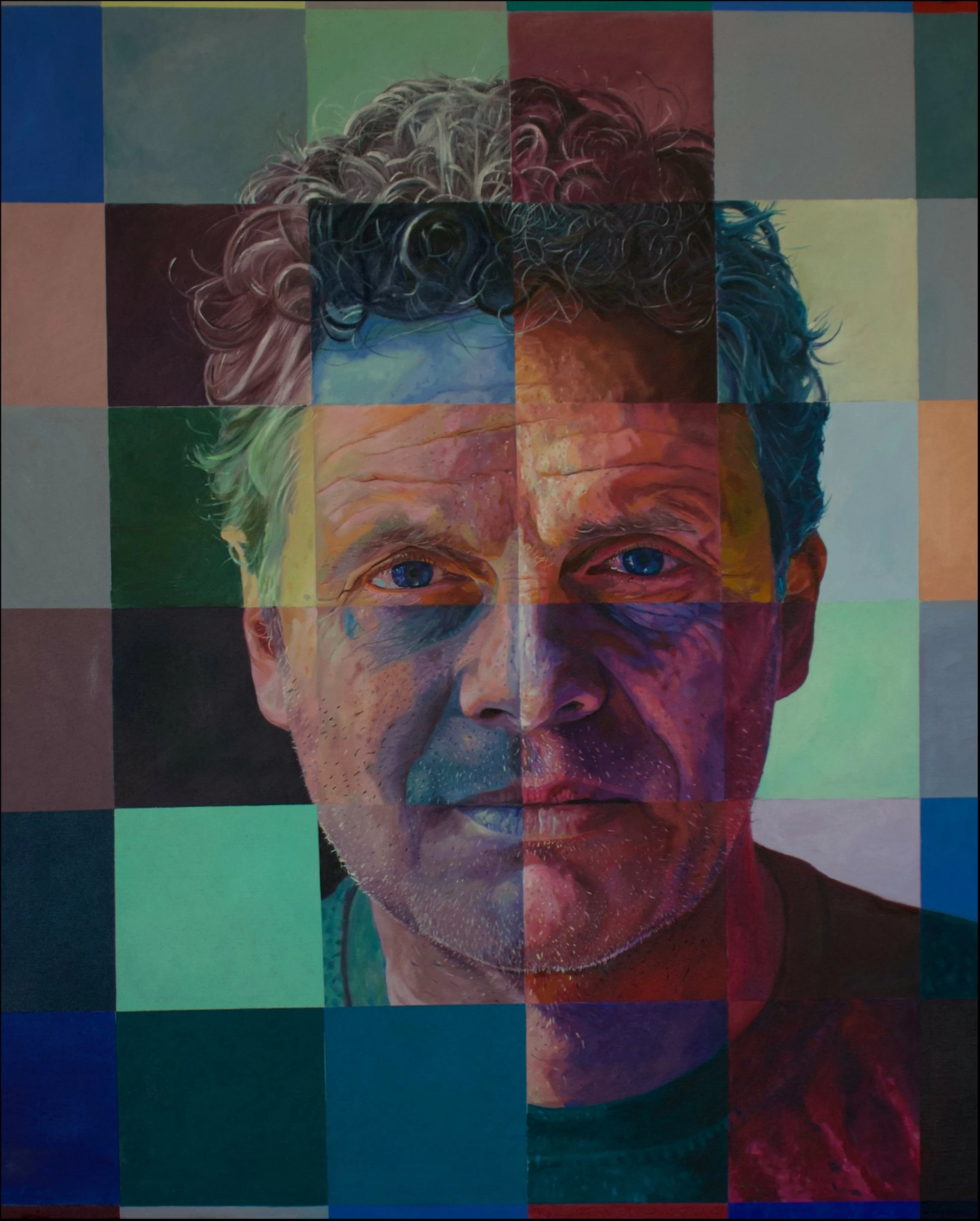
At a time when societies are increasingly divided by geography, culture and pace of life, The Theatre of Life invites viewers to pause and reflect on the universal rituals that unite us. The exhibition becomes not only a portrait of specific places, but also a meditation on the shared human condition, reminding us that beneath different languages, traditions and landscapes, human life is connected through common experiences, emotions, and journeys. Originally from the United Kingdom, Railton studied Fine Art at the University of Sheffield before relocating to Spain, where he spent more than twenty years teaching art in Madrid, while continuing his artistic practice. His journey later took him to Egypt and the Middle East, where the atmosphere and rhythm of urban life became central to his visual language.
Currently based in the UAE, Railton has exhibited internationally across Spain, the United Kingdom, France, the Netherlands, the United States, and the Middle East. He has been a full time art teacher, alongside his career as an artist. His important one man shows include those at Artist Centre, Granada (1988); Torres Begue art gallery Madrid (1992); Gaudi art gallery Madrid (2021); and World Art Dubai (2024, 2025). Significant group shows are Summer Salon Goya Art Gallery New York (1995); Homage to Goya, Casa de Reloj, Madrid (1996); Homage to Velazquez Art gallery Lecrin, Granada (1998); and at art gallery Nere Chocoa, Biarritz, France (2011).
Awards include the first prize, Cultural Center of Maracena, Granada (1986); third prize, Goya Art Gallery, New York (1995); first prize, international fast painting open, Casas Ibañez Albacete (2008); and World Art Dubai, Certificate for the best stand in the UK pavilion (2024). “Artists who paint urban scenes, often called cityscape or urban landscape painters,” says an AI Overview, “capture the pulse, architecture, and daily life of the metropolis. These creators document cityscapes across various styles, ranging from historical to impressionistic, and hyper-realistic.” “Artists have traditionally used their paintings of cities as tools for documenting social, political, and economic conditions,” says metropolismag.com. “They are meant to capture the essence of a place as well as its major landmarks.”