- Last updated: May 23, 2026 | 09:00


Among the films that have been unveiled at the 79th Cannes Film Festival, the works of several celebrated directors have done their bit to shrink the world, erase geographical divides and enhance our understanding of culture and existence, feels Saibal Chatterjee
Cinema has the power to break boundaries. That is especially the case especially when filmmakers decide to step away from their home turfs and opt to tell tales from afar. Among the films that have been unveiled at the 79th Cannes Film Festival, the works of several celebrated directors have done their bit to shrink the world, erase geographical divides and enhance our understanding of culture and existence.
In her fourth feature film made in a span of 25 years, The Dreamed Adventure, the slow and steady Bremen-born German director Valeska Grisebach returns to roughly the same region where her previous critically acclaimed film, Western (2017), was set – the border area between Bulgaria, Turkey and Greece.
While Western (which was a part of Cannes’ Un certain regard section) hinged on a German construction worker in Bulgaria caught in a culture clash with the locals, The Dreamed Adventure, in Cannes’ main Competition section, revolves around Veska, an archaeologist who runs into an old acquaintance, Said, in the Bulgarian town of Svilengrad, where she is on an assignment as an archaelogist.
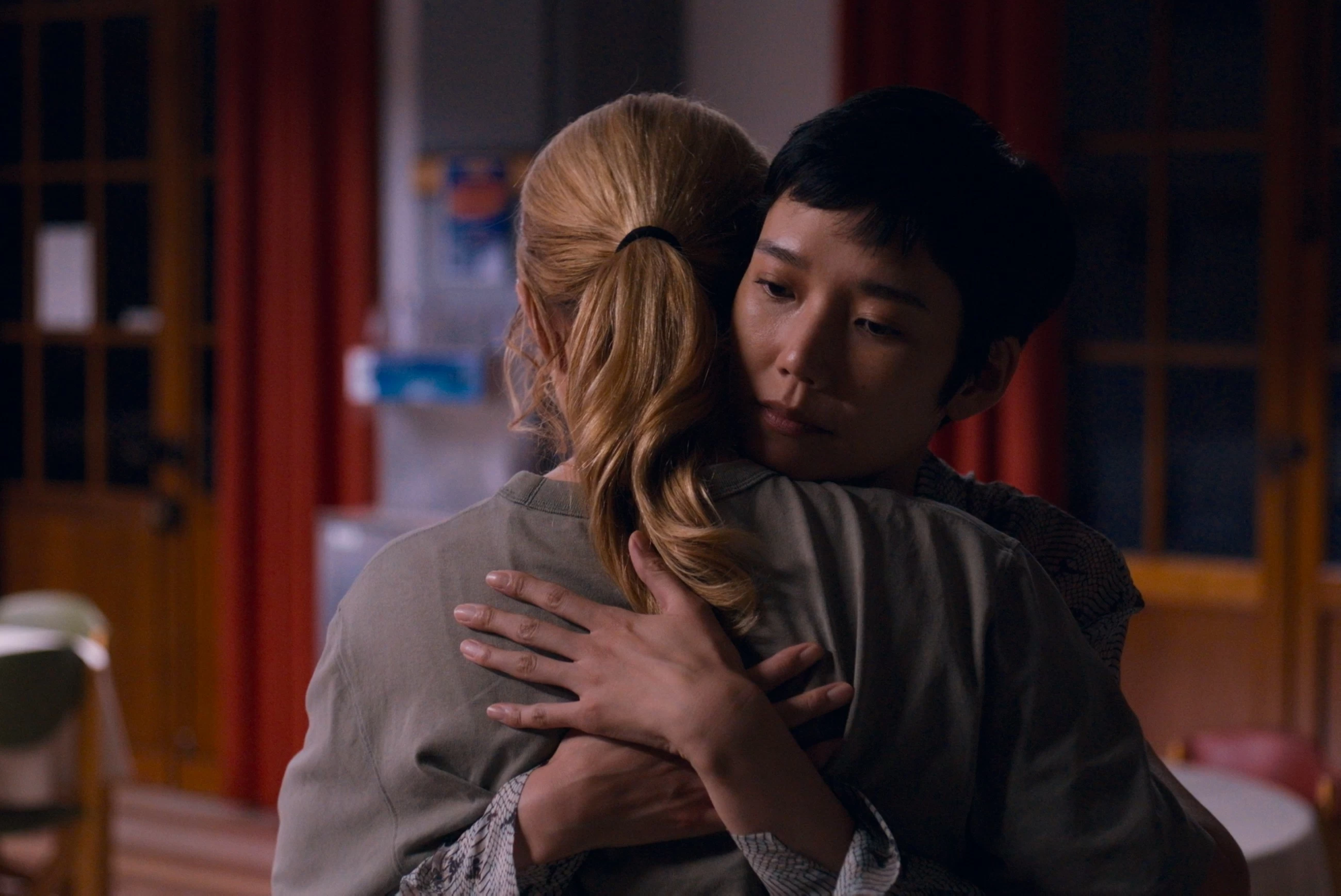
Said’s car, an old Passat, is stolen. Veska offers to drive him around even as she oversees the excavation at a site on the edge of town. In the process, she is sucked into a world of murky deals.
As layers of criminality and acts of greed begin to reveal themselves, figures from Veska’s own past catch up with her. In a place toxically swarming with smugglers and traffickers who are out for their pound of flesh, the woman must keep her wits about her in order to stay afloat.
The Dreamed Adventure digs deep into the milieu using purely naturalistic narrative methods. It delivers a vivid portrait that is marked by a keen sense of time and place, a work of extraordinary depth. Asghar Farhadi’s new film, Parallel Tales, is his third film set outside his native Iran and the second located in France after The Past (2013). Starring French stars Isabelle Huppert, Virginie Efira, Vincent Cassel, Pierre Niney and Adam Bessa, Parallel Tales explores the constant overlapping of a writer’s imagination with the reality from which she draws inspiration.
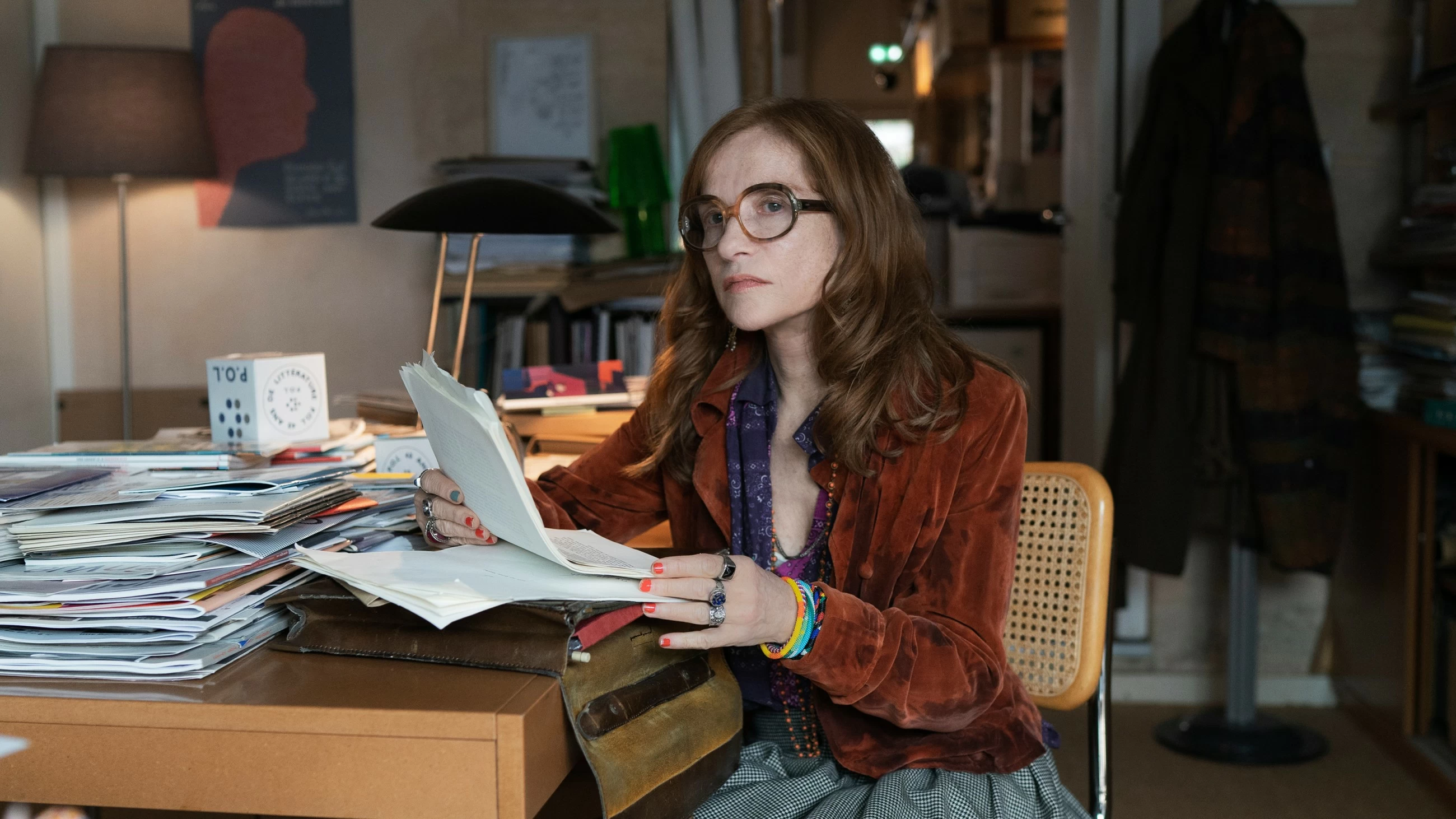
Inspired in part by the late Polish director Krzysztof Kieslowski Dekalog: Six, the crisscrossing narratives in the film pan out entirely in Paris. A famous author intrudes into the lives of her neighbours across the street in search of characters and situations. But when she hires a mysterious young man as a helping hand, her plans go topsy-turvy.
Not one of Farhadi’s strongest films, Parallel Tales has elements that are intriguing enough to keep the audience invested in what unfolds on the screen. That is precisely what Romanian director Cristian Mungiu and Japanese filmmaker Ryusuke Hamaguchi, have delivered with their latest films, both filmed outside their own countries.
Mungiu, who won the Cannes Film Festival’s Palme d’Or in 2007 for 4 Months, 3 Weeks and 2 Days, filmed Fjord completely outside Romania. Revolving around an orthodox Catholic Romanian-Norwegian couple who relocate to the wife’s hometown in Norway, the film probes questions of parenting and punishment of children in the complex context of Norway’s child protection laws.
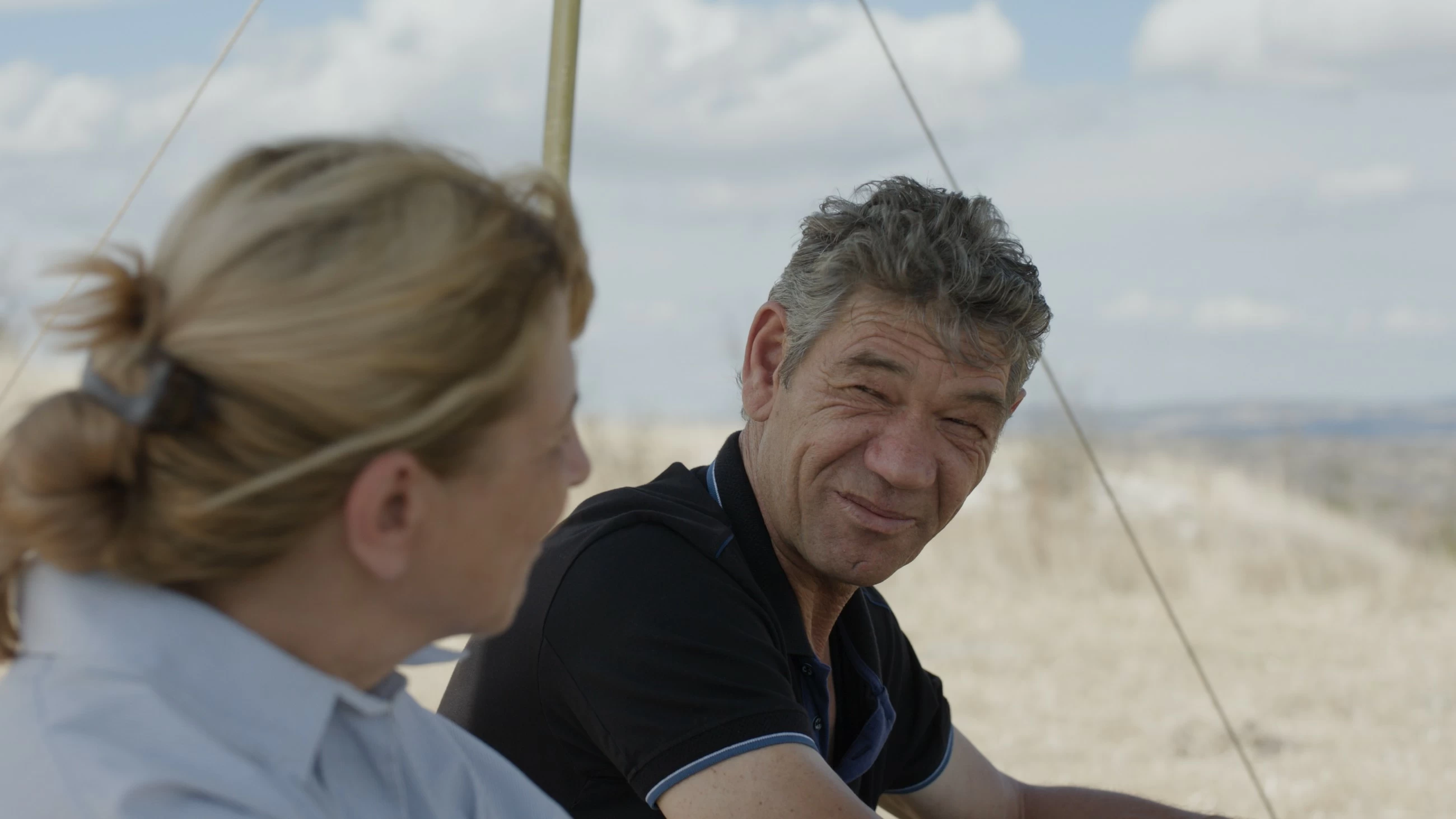
Fjord stars Romanian-American actor Sebastian Stan and Norwegian actress Renate Reinsve as the couple who fall foul of a system that does not tolerate any sort of physical disciplining of children. It has the look and feel of a legal drama, but it also raises open-ended questions on ethics and family dynamics.
Hamaguchi, whose 2021 drama Drive My Car won the Best International Feature Film Oscar as well as the Best Screenplay prize at the Cannes Film Festival, has filmed large portions of his latest Cannes Competition entry, All of a Sudden, in and around a nursing home in Paris for elderly people with cognitive disorders.
The film has Virginie Efira in the role of Marie-Lou, the director of the nursing home in the suburbs of Paris where she seeks to introduce a new approach to caregiving despite some resistance from the facility’s top management and a few of the nurses.
Japanese actress and model Tao Okamoto plays a young terminally ill theatre director whose arrival at the hospital triggers a deep and illuminating discourse about life, humanity and capitalism between the two women.

One of the strongest titles in the Cannes 2026 lineup, All of a Sudden is a life-affirming film that looks for rays of hope and positivity in a dying, diseased world where it might be all too easy to sink into pessimism. Articulated through the words of one character in the film, the screenplay advocates that the vital force within us be harnessed not merely to struggle but to live fully.
Greek director Konstantina Kotzamani has delivered one of the more unusual films at this year’s Cannes – the Japan-set Titanic Ocean. A multi-nation international co-production, the film homes in on a group of teenage girls who enrol at a Japanese boarding school, where they are trained to be professional mermaids.
The training module and what follows in its wake leads to a teenage girl to greater awareness of the complexities of life and her own true self. It is when one journeys beyond what is plausible, the discoveries can be startling and life-altering. From the standpoint of each of the five filmmakers featured here, departures from norm have not only yielded cinematic rewards, they have also pushed the boundaries of possibilities.