What if your watch could help you see a doctor earlier? HUAWEI WATCH GT 7 Pro rethinks coronary heart disease and diabetes risk awareness
- Last updated: September 15, 2026 | 17:42


Gulf Network
What if the watch on your wrist could help you recognise potential health risks before they become evident? As wearable technology becomes more sophisticated, its role is beginning to shift from simply tracking everyday health indicators to helping users better understand what those signals could mean for their long-term health.
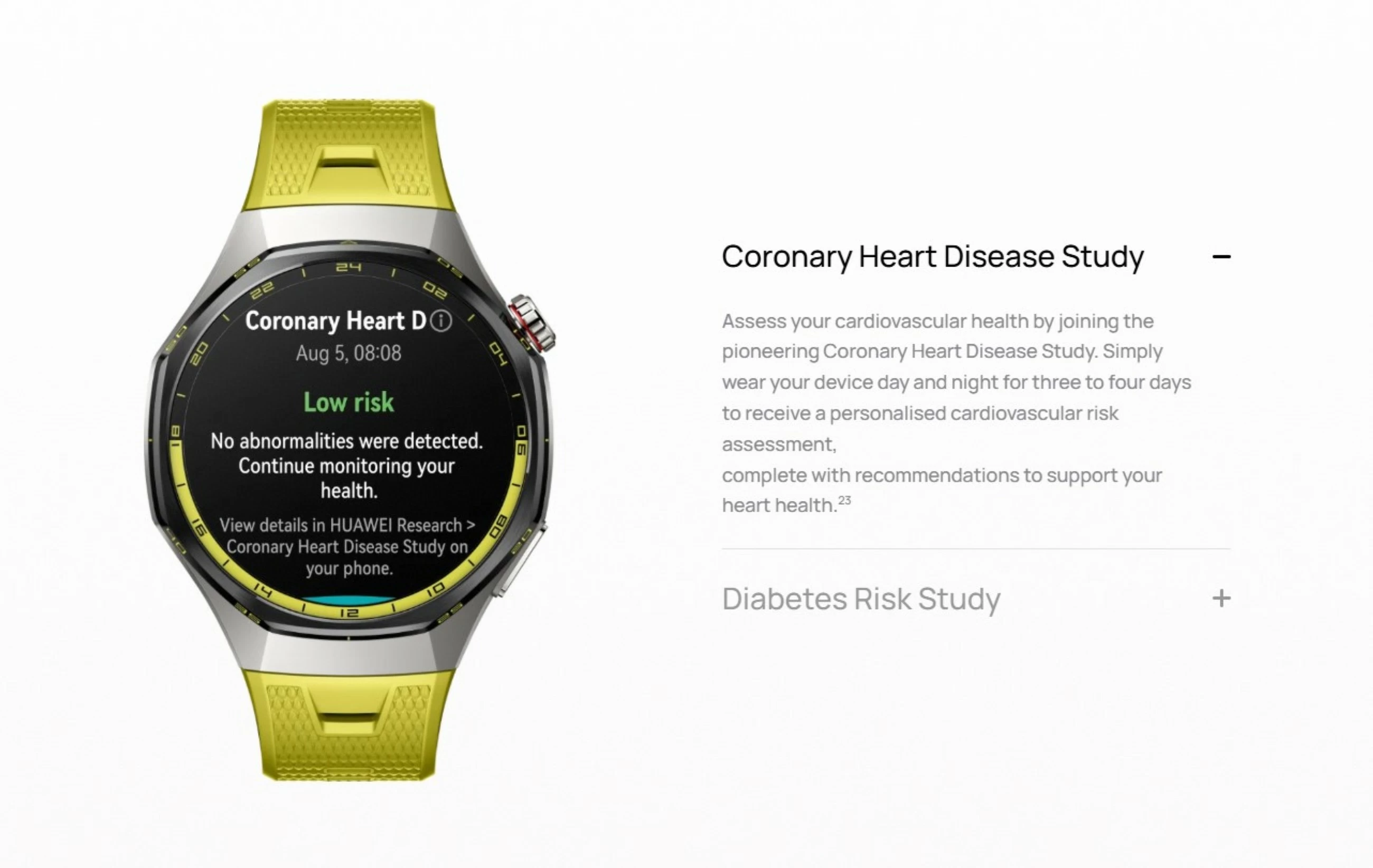
The HUAWEI WATCH GT 7 Pro was designed with this question in mind. Through research-based features built to support awareness of Coronary Heart Disease and Diabetes risk, the watch combines continuous monitoring with structured assessments to turn everyday health data into insights, the kind that could encourage an earlier conversation with a healthcare professional and more informed lifestyle choices.
Supporting Earlier Awareness of Coronary Heart Disease Risk
Coronary Heart Disease can develop gradually, with warning signs sometimes going unnoticed until the condition becomes more serious. Increasing awareness of potential risk factors can therefore play an important role in encouraging people to seek timely medical advice.
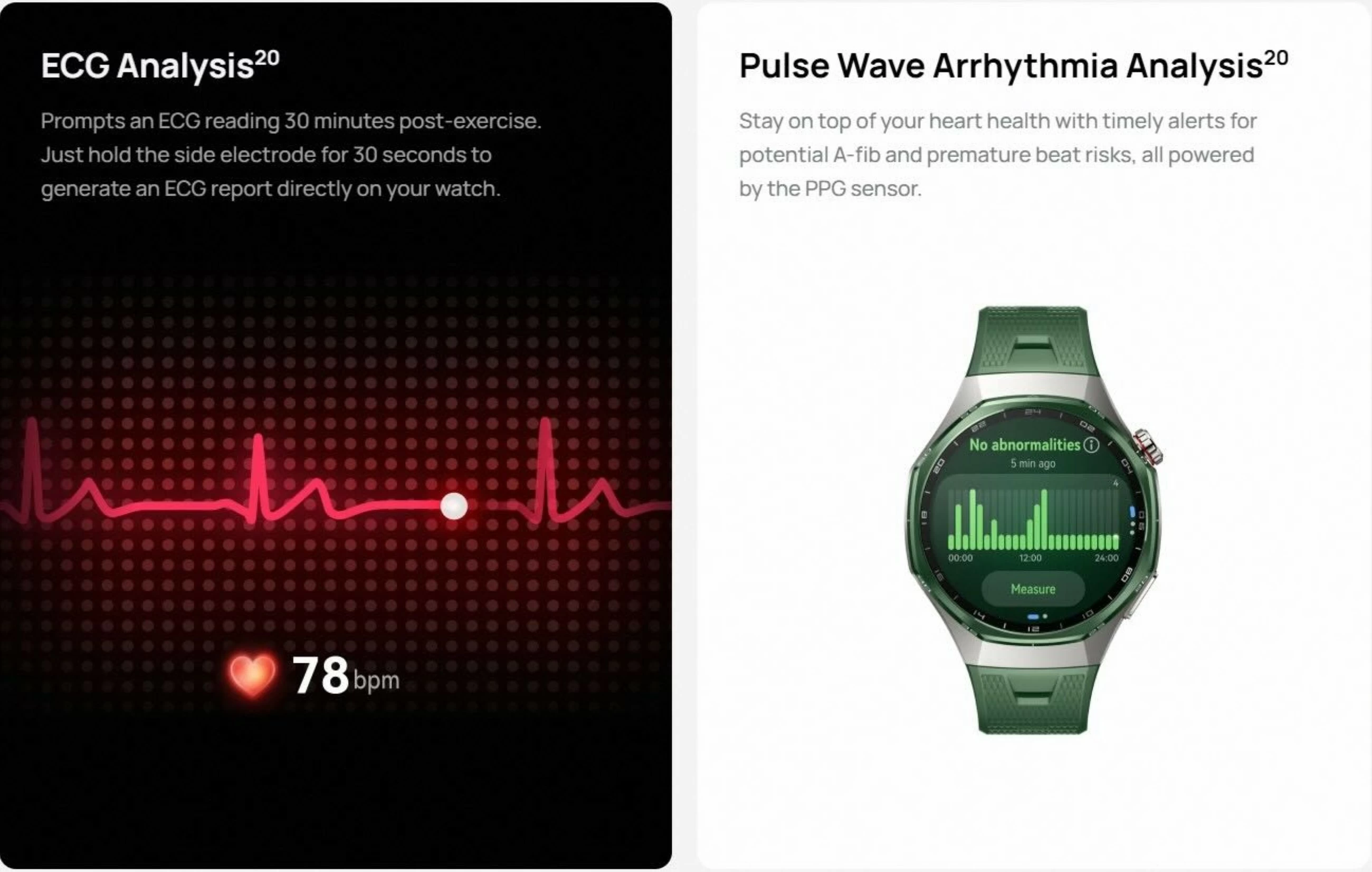
The HUAWEI WATCH GT 7 Pro supports the Coronary Heart Disease Risk Study, which uses a combination of questionnaire responses, static ECG measurements, and health data collected over several days.
To participate, users first complete a questionnaire through the HUAWEI Research app on their smartphone. They then perform static ECG measurements and wear the watch continuously during daytime activities and sleep for three to four days.
Once sufficient data has been collected, the system generates a risk-assessment report. If the results indicate an elevated potential risk, users are encouraged to consult a healthcare professional, undergo further medical evaluation, and consider appropriate steps to help manage their health.
According to Huawei, it is the first and only smartwatch brand to offer this particular Coronary Heart Disease risk-study capability.
Bringing Diabetes Risk Awareness to the Wrist
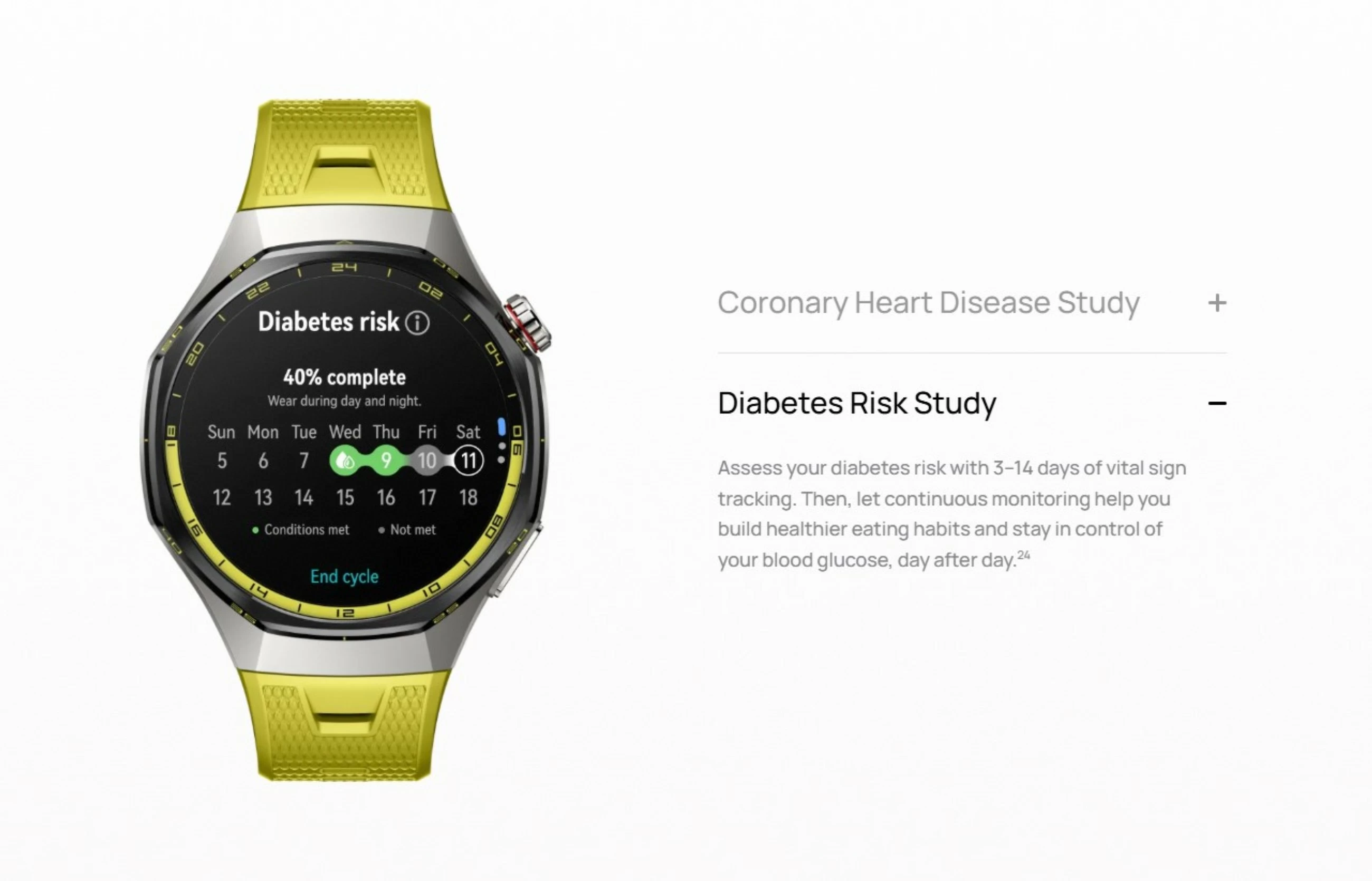
The HUAWEI WATCH GT 7 Pro also supports Diabetes risk assessment, helping users gain a clearer understanding of their potential risk of hyperglycemia.
By analysing physiological data and identifying abnormal metabolic signals, the assessment provides users with an indication of their potential risk level. If the assessed risk increases, the system may recommend lifestyle adjustments or encourage the user to seek professional medical evaluation.
This can help make risk awareness more accessible, particularly for individuals who may not recognise early changes or who have not recently undergone a health screening. It may also encourage users to pay closer attention to factors such as physical activity, sleep, diet, and overall lifestyle.
From Passive Tracking to Proactive Health Awareness
The value of these features lies in their ability to turn regularly collected health data into information that users can discuss with qualified healthcare professionals. Instead of presenting isolated measurements, the HUAWEI WATCH GT 7 Pro brings together multiple indicators to offer a broader view of potential health risks.

This represents an important shift in wearable technology—from simply recording what has already happened to helping users become more aware of what may require attention.
The Coronary Heart Disease and Diabetes risk-assessment features are intended to support health awareness and research. They are not designed to provide a medical diagnosis or replace professional medical advice, testing, or treatment. Feature availability may also vary depending on the market and applicable regulatory requirements.