Sublime Swiatek secures semi-final spot; stupendous Sorana snatches slugfest success
- Last updated: May 14, 2026 | 10:24


Three-times Italian Open champion Iga Swiatek was at her ruthless best as she dismantled American fifth seed Jessica Pegula 6-1 6-2 to reach the semi-finals of the WTA 1000 clay-court tournament on Wednesday.
The Polish fourth seed, a six-time Grand Slam champion, picked up exactly where she left off after her emphatic win over Naomi Osaka in the previous round. Against Pegula, she raced to a 5-0 lead before the American managed to avoid a bagel.
Swiatek never loosened her grip on the match, conceding three games overall as the second set followed a similarly one-sided pattern.
She finished with 15 winners compared to Pegula’s six.
The victory marks Swiatek’s first win over a top-10 opponent this year and continues an encouraging upswing after she began working last month with Francisco Roig, the former coach of her idol Rafa Nadal.
“I feel much better,” Swiatek said.
“I have a lot of confidence in my shots. I used that from the beginning of the match today and kept putting pressure on Jessie, so I’m really happy with how I played.”
A title in Rome would come as a timely lift for the 24-year-old ahead of the French Open, where the main draw gets underway on May 24. Swiatek had been forced to retire from her previous tournament, the Madrid Open, in the round of 32 due to illness, leaving the court in tears.
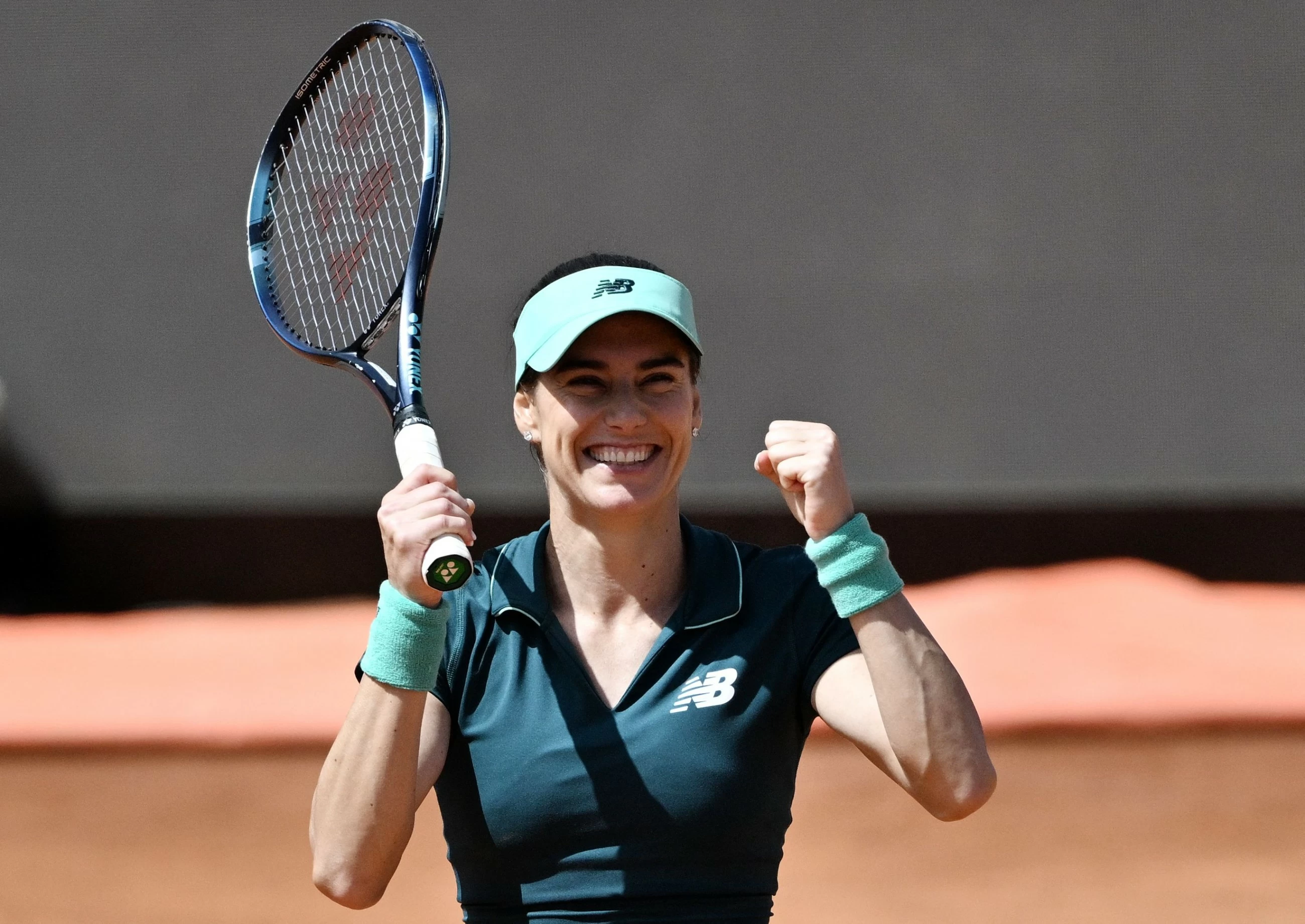
Her path has also opened up significantly in Rome. With world number one Aryna Sabalenka knocked out in the third round by Romania’s Sorana Cirstea, Swiatek has a renewed opportunity to end a clay-court title drought stretching back to her 2024 French Open triumph. She is targeting a fifth title at Roland Garros.
The first Rome semi-final is already set, with Cirstea to face two-times major winner Coco Gauff. Swiatek will take on the winner of the clash between Australian Open champion Elena Rybakina and Ukrainian seventh seed Elina Svitolina.
Meanwhile, former Australian Open champion Madison Keys told AFP that “many players” are united on the question of Grand Slam prize money and that they will boycott a major tournament if their voices are not heard.
Last year almost all the leading players signed two letters to the four Grand Slam bosses demanding an increase in prize money, payments into a player welfare fund to improve retirement and maternity benefits, as well as involvement in decisions that affected them.
The letters set a target of a 22-percent share in tournament revenue, which would bring the majors in line with the nine combined 1000-level events run by the ATP men’s tour and the women’s WTA tour.
However, some players feel their demands are not being taken into serious consideration.
“I think it’s incredibly important that the players have more of a voice when it comes to the big decisions that are being made,” world number 19 Keys told AFP in Paris, where she is warming up for Roland Garros by playing in the WTA 125 Trophee Clarins event.
“And I think that it has been many, many years where players have tried to come to the table and have the discussion and it hasn’t really gotten anywhere.”
The American added that seeing “so many players... unified” on the matter was “very inspiring”.
This strength of feeling has lead to talk of a potential boycott of a Grand Slam tournament.
“We have kind of come together and agreed that if that’s what’s necessary, then we’ll do it,” Keys said.
“Hopefully it would never get to that point, but I think it’s great to see how many, especially so many of the younger players are so willing to stand up for all players.”
The 31-year-old is the latest top player to address the matter, after men’s world number one Jannik Sinner last week called for Grand Slam tournaments to show tennis players “respect”.
Two days prior to Sinner’s comments, women’s top-ranked player Aryna Sabalenka said that she was ready to boycott the Grand Slams in order for the players to force organisers’ hands.
Agencies