Sabalenka moves past Osaka in epic match to reach Madrid quarters
- Last updated: April 27, 2026 | 21:23


World number one Aryna Sabalenka roared back from a set down to beat Naomi Osaka 6-7(1), 6-3, 6-2 in a pulsating Madrid Open clash on Monday, keeping her title defence alive.
The Belarusian, a three-times champion in the Spanish capital and winner last year, weathered an early storm from former world number one Osaka before asserting her authority in a contest that lasted two hours 22 minutes.
It was only the third meeting between the pair who have won four Grand Slams each - the previous encounters coming at Indian Wells this season and nearly eight years ago when Osaka beat Sabalenka at the 2018 U.S. Open.
A nervy, finely balanced first set went to a tiebreak. Osaka, serving first, edged ahead as Sabalenka misfired at the net and the Japanese produced a sharp counterattack to seize control. Osaka raced into a 5-0 lead, and wrapped up the breaker 7-1 to take the set 7-6.
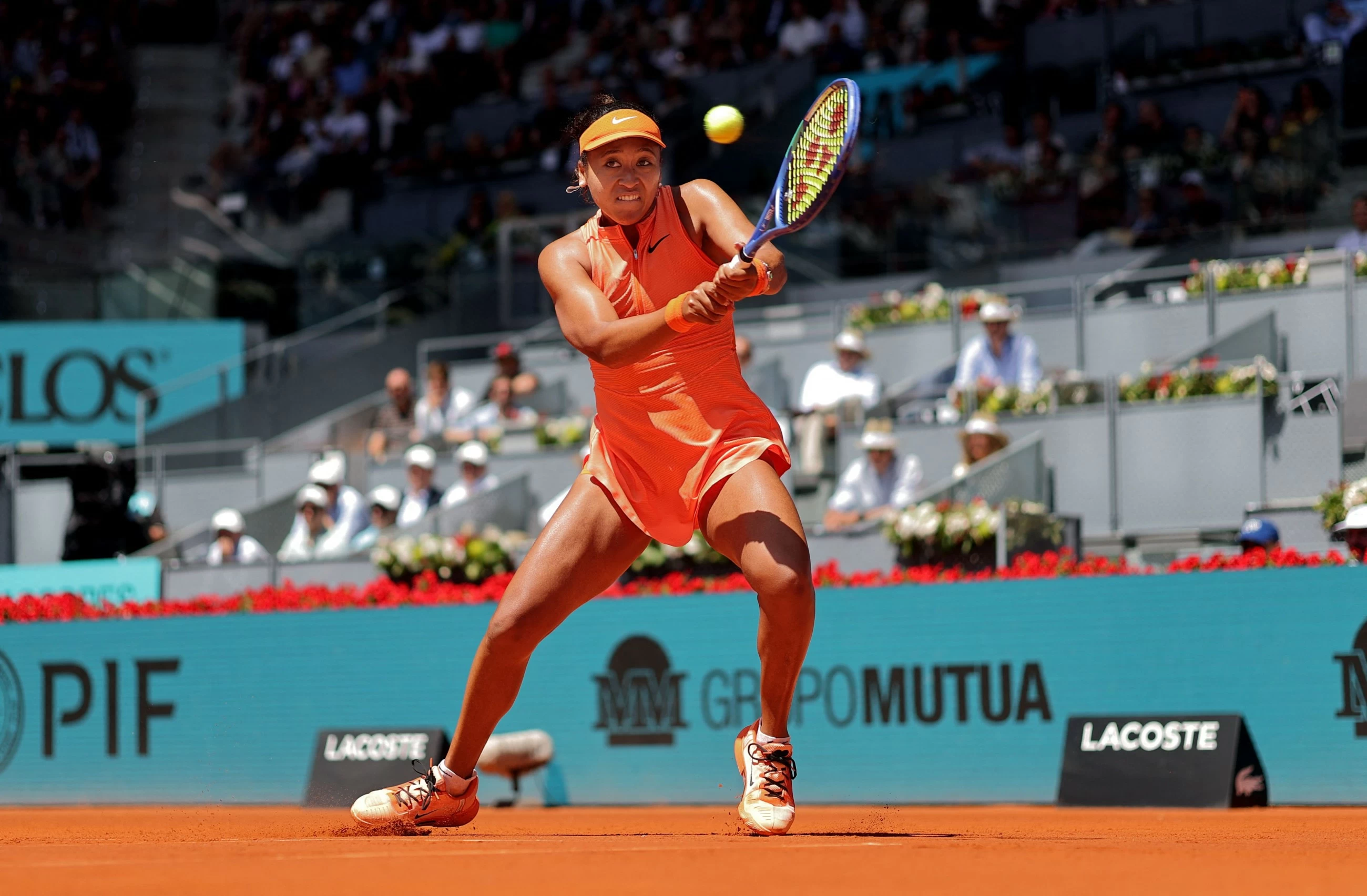
Osaka was close to flawless from the baseline in the opener, firing deep, flat groundstrokes that repeatedly left Sabalenka scrambling.
The top seed responded with greater intent, immediately earning three break points in Osaka’s opening service game. Although Osaka dug in to level at 1-1 after a lengthy 15-minute battle, the momentum had shifted.
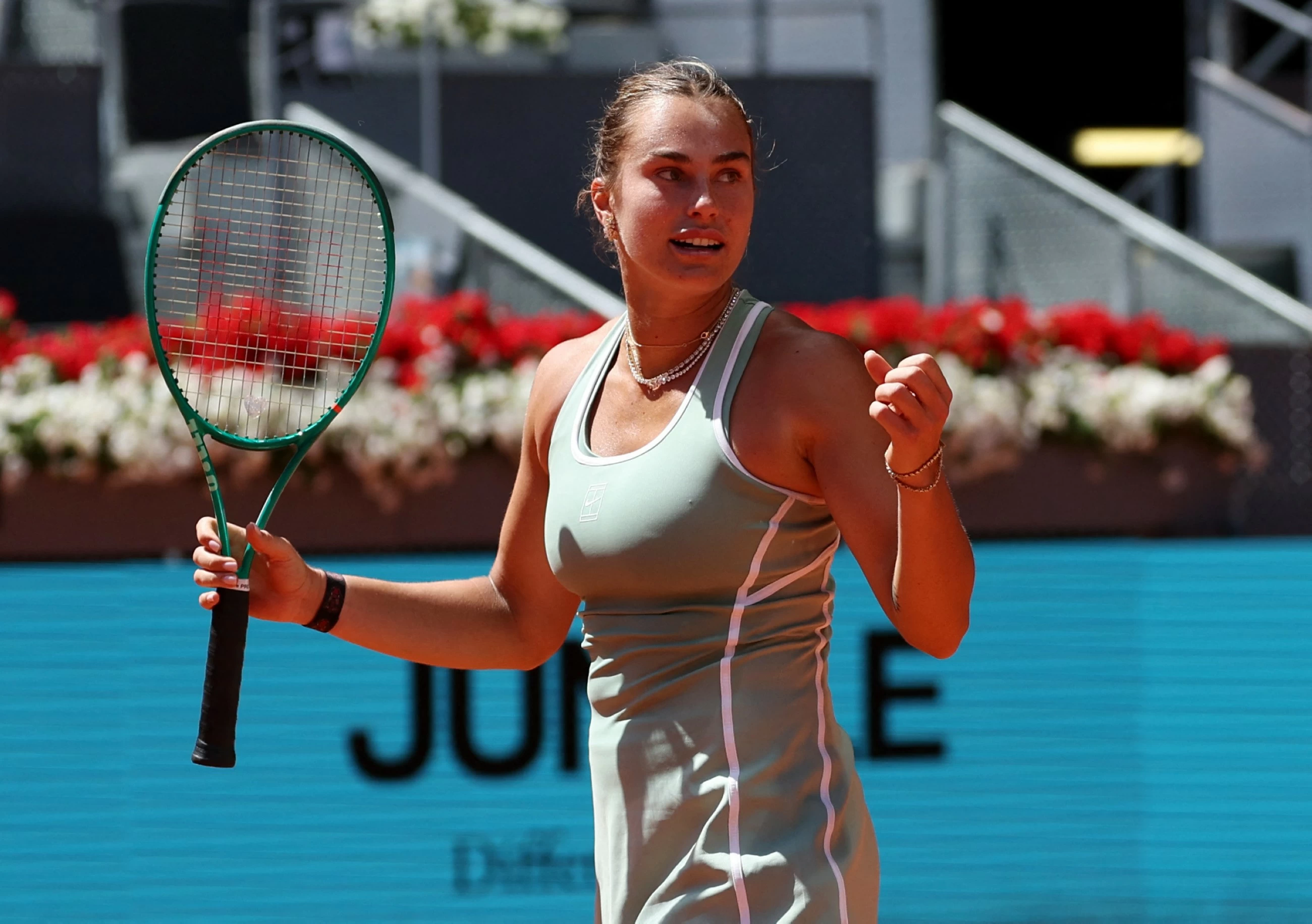
Osaka struck first with a break of her own, but Sabalenka hit straight back to level at 2-2 when her opponent double-faulted at 0-40. Having threatened repeatedly, Sabalenka finally secured the decisive break in the eighth game and served out the set.
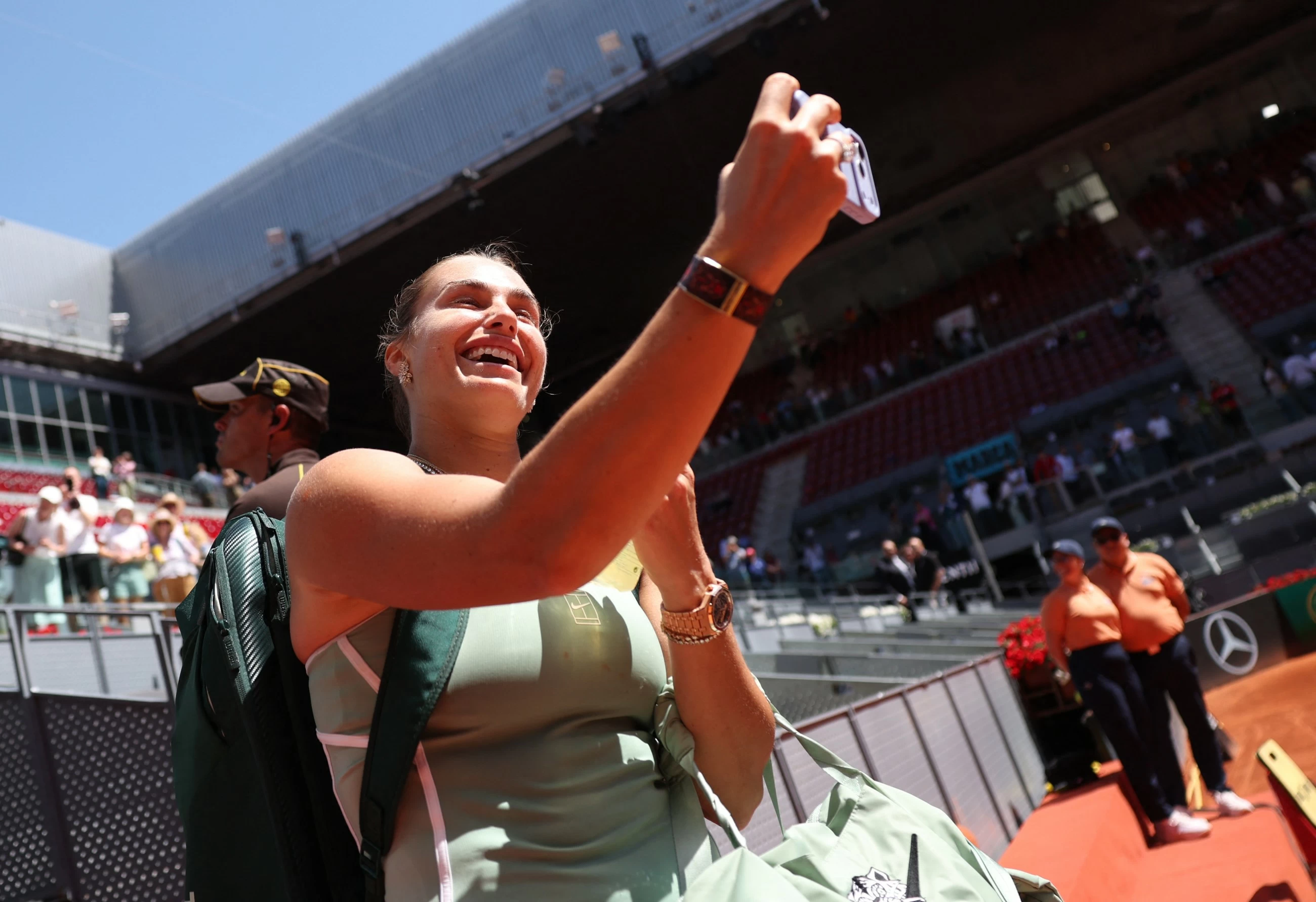
The Belarusian carried that surge into the decider, breaking in the fourth game after three break points. Osaka, showing her frustration, smashed her racket into the court as Sabalenka moved 4-2 ahead. Another break followed for 5-2 before Sabalenka sealed victory with a commanding 6-2 finish to set up a quarter-final with American Hailey Baptiste.
Stefanos Tsitsipas brushed aside Spaniard Daniel Merida 6-4, 6-2 in just over an hour and will next face Casper Ruud.
Meanwhile, Jannik Sinner continued his quest to become the first man in history to win five Masters 1000 tournaments in a row with a smooth 6-2, 6-3 victory over Danish qualifier Elmer Moller at the Madrid Open on Sunday.
The world number one extended his winning streak to 19 matches, a run that began early March in Indian Wells, and he has also captured 24 consecutive victories at the Masters 1000 level, dating back to the Paris Masters last October.
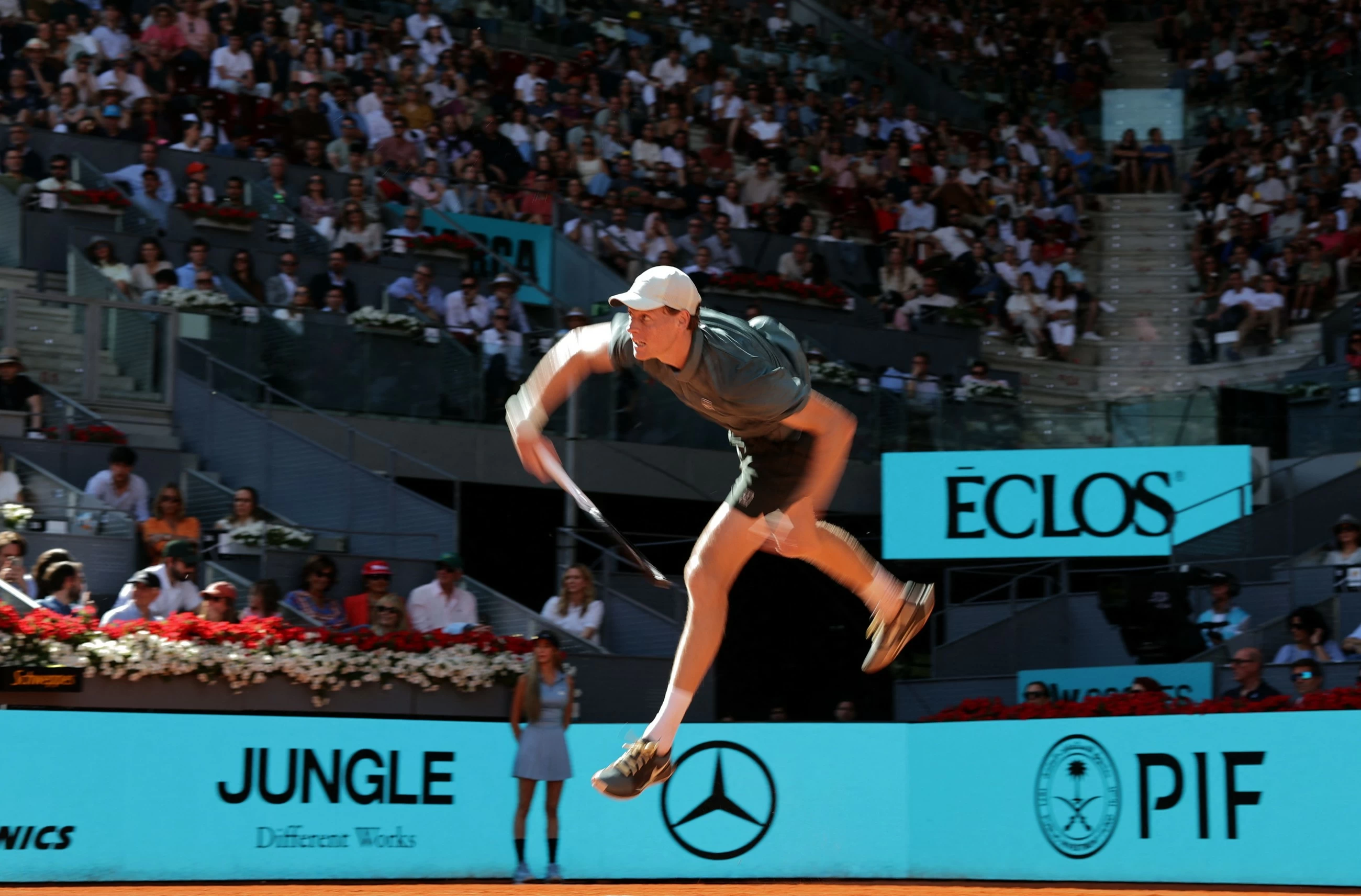
Searching for a maiden title at this level on clay, Sinner advanced to the round of 16 at the Caja Magica with a 77-minute performance against the 169th-ranked Moller.
The Italian broke Moller four times and dropped serve just once late in the opening set to book a last-16 meeting with Cameron Norrie.
“I tried to stay calm, trying to serve well in the important moments,” Sinner told Tennis TV on court after the win.
“I think today that was the key. And not a lot of rhythm, so I tried to stay quite compact.”
Another Italian enjoyed a successful Sunday in the form of Lorenzo Musetti, who overcame Dutch 29th seed Tallon Griekspoor 6-4, 7-5.
The sixth-seeded Musetti will face Czech 11th seed Jiri Lehecka for a spot in the quarter-finals.
In night-session WTA action, world number two and reigning Australian Open champion Elena Rybakina shook off a stubborn Zheng Qinwen, knocking out the Olympic gold medallist 4-6, 6-4, 6-3 to reach the round of 16.
In a rare moment of frustration, the usually calm and collected Rybakina argued with umpire Julie Kjendlie late in the second set over a mark on the court, which she felt clearly indicated a Zheng serve was out but was deemed in by the electronic line-calling system.
“Are you kidding me? This is not a joke. The system is wrong,” argued Rybakina, but her protests were in vain because Kjendlie is not permitted to leave her chair, check a mark and overrule the electronic line-calling system.
Rybakina didn’t let her anger take over though as she grabbed the set two games later to force a decider, and wrapped up the win after two hours and 21 minutes of play.
Agencies