Vitamin K shot refusal puts babies at risk
- Last updated: November 15, 2026 | 08:32


Lisa Jarvis, Tribune News Service
The growing number of American infants going without a potentially lifesaving intervention — the vitamin K shot — should be a clarion call to top US health officials. But instead of a concerted federal effort to restore confidence in the shot, which can prevent dangerous bleeding in infants, the US seems poised to let the situation get worse.
The number of American newborns who didn’t receive a vitamin K shot has more than doubled between 2017 and 2025, according to a new analysis of health records of millions of babies. The consequences have been predictably heartbreaking: another new study found that cases of infants bleeding because of vitamin K deficiency, a situation that can be fatal, rose 347% in that time, with a sharp uptick since 2024.
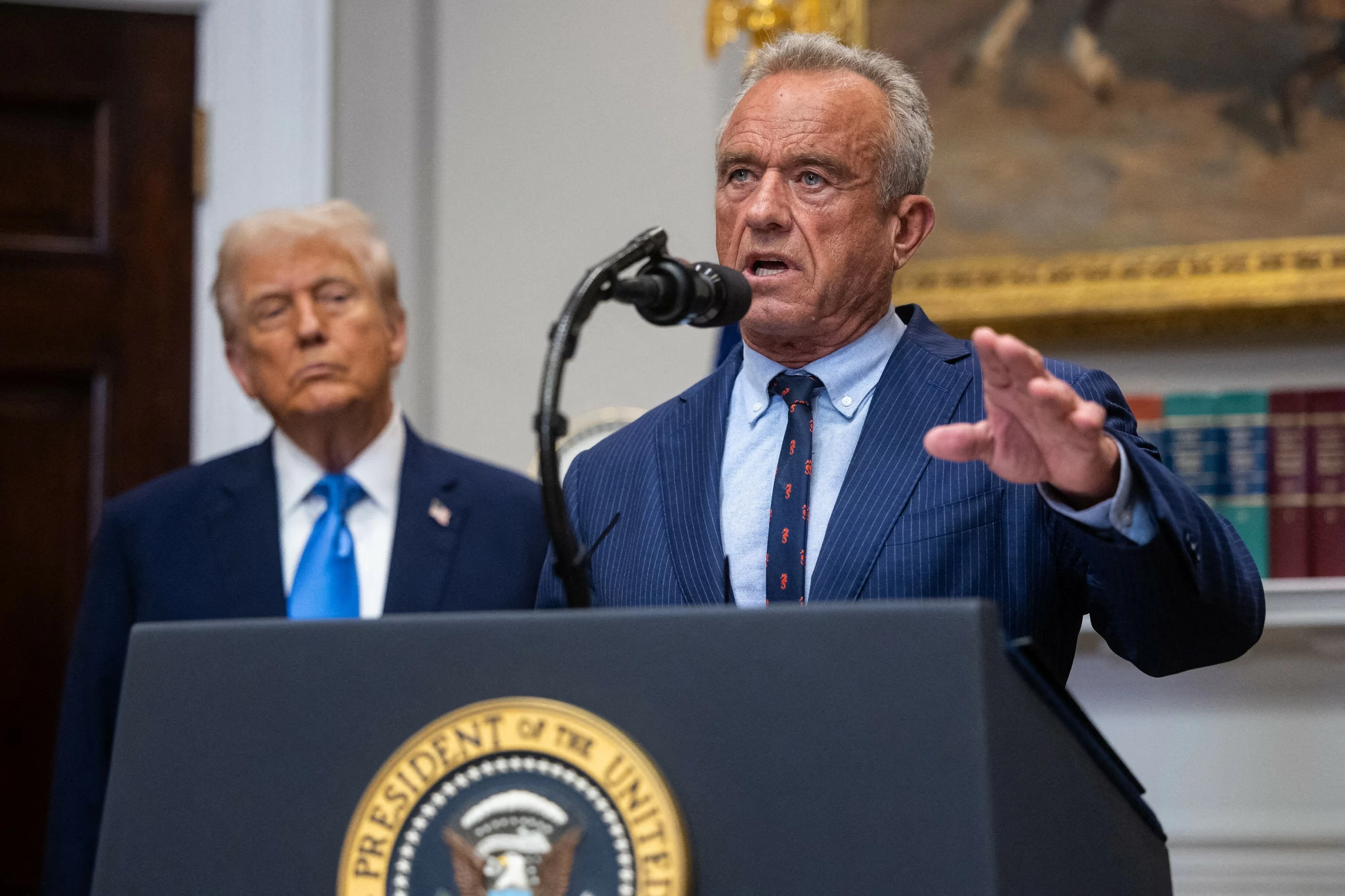
In normal times, federal health officials would mobilise to reverse that trend. Instead, Health Secretary Robert F. Kennedy Jr. — and even President Donald Trump — have helped create an environment where parents are increasingly skeptical of routine childhood preventative care. Doctors alone can’t — and shouldn’t — be left to try to turn things around on their own.
Vitamin K is crucial for forming the blood clots that people need to stop bleeding. Yet newborns arrive in the world with little of the nutrient, which doesn’t travel well from placenta to baby. And while the rest of us get it from the food we eat and through our intestinal bacteria, breast milk doesn’t contain enough vitamin K to stop a bleed — and infants’ gut microbiomes take time to populate.
The shot offers newborns a months-long reserve of the nutrient that, while not needed by all babies, is absolutely crucial for any who experience a bleed. Heather Burris, a neonatologist at Children’s Hospital of Philadelphia who authored one of the studies, likens it to wearing a seatbelt: Most of the time it’s a silent passenger, but during the rare crash, it saves lives. Tragically, too many families are learning the consequences of going without that seatbelt.
Without the shot, otherwise healthy infants may develop seizures out of nowhere, suddenly stop breathing, or rapidly bleed to death. And the dangers aren’t always obvious to parents. What worries doctors most is when an infant has a brain bleed, which can be life-threatening if not treated immediately. Of the babies who have a stroke, 20% die; among those who survive, about 40% end up with lasting damage, such as cognitive impairment or seizures.
Yet vitamin K deficiency often isn’t high on doctors’ lists of likely culprits when a really sick child is brought into the emergency room. That’s because for decades, they assumed most babies had received the shot. That assumption sadly needs to change. Just as the reemergence of measles in the U.S. has prompted doctors to relearn how to quickly recognize the symptoms of that virus, doctors now need to give complications from vitamin K deficiency more consideration when making a diagnosis, says Alexis Davis, who chairs the American Academy of Pediatrics’ section on neonatal perinatal medicine.
Physicians on the front lines are doing their best to convince parents to make the healthiest choices for their kids. But overworked pediatricians and family doctors can’t reverse this troubling trend on their own — nor should they be expected to. They need help. Unfortunately, the federal government is moving in the opposite direction. Consider that at the end of last year, the Centers for Disease Control and Prevention’s influential vaccine advisors — handpicked by Kennedy for their skepticism — stopped recommending the hepatitis B vaccine for all infants. The next month, the Department of Health and Human Services overhauled the childhood vaccine schedule to emphasize “shared decision making” over direct recommendations.
Those moves matter for vitamin K, too. Research has shown that vitamin K shot refusal tracks closely with the decision to refuse other routine interventions given at birth, namely the hepatitis B vaccine. And although vitamin K isn’t a vaccine, it has been the subject of similar misinformation campaigns on social media, and a broader rejection of anything deemed “unnatural.”