Sharjah panel calls for tieups between Arab world, Africa in animation
- Last updated: October 24, 2026 | 14:47


Gulf Today, Staff Reporter
Animation studios from Morocco, Nigeria and Ethiopia called for co-productions between Africa and the Arab world, at the Sharjah Animation and Comics Conference (SACC) 2026 on Friday. They said African stories are ready to travel, but the industry still needs funding and trained talent to reach global screens.
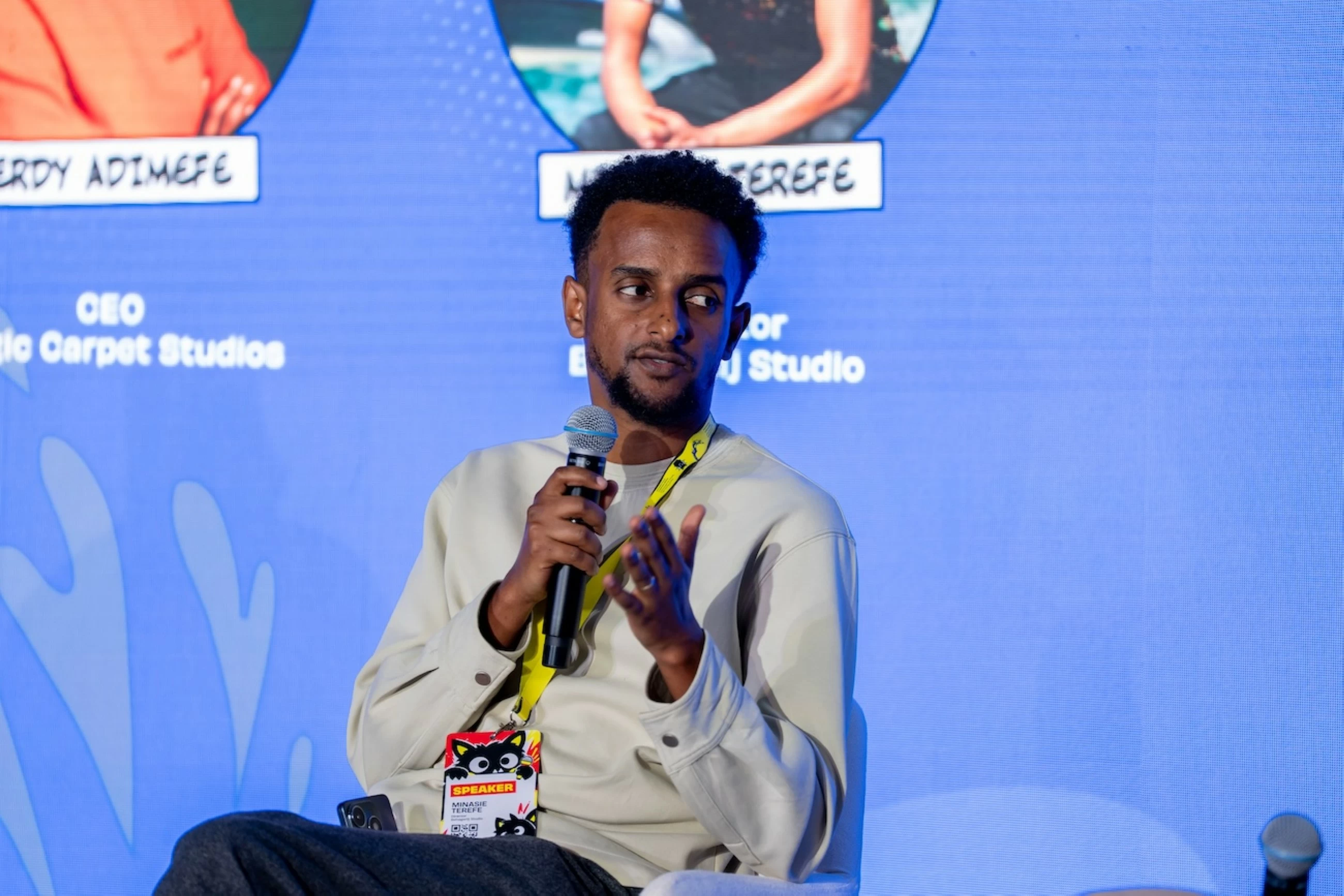
Talking at the panel Making it in Emerging Markets moderated by media personality Mounia Aram, Ali Rguigue, Founder & Producer, Artcoustic Studios & Atlas Next Frame Festival; Ferdy Adimefe, CEO of Magic Carpet Studios; and Minasie Terefe, Director at Behagerlij Studio, discussed the challenges of developing original intellectual property (IP), building studios and taking culturally rooted stories to international audiences.
An Arab-African opportunity
Adimefe said the strongest opening lies between the two regions. Ten of the 22 Arab League states are in Africa, which gives the two markets shared audiences and stories. "If the Arab world is looking for partners, Africa is well positioned and has as many stories to tell," Adimefe said. "It has to happen at two levels: producer to producer and government to government, and we have to treat animation as intellectual property, as an asset class."
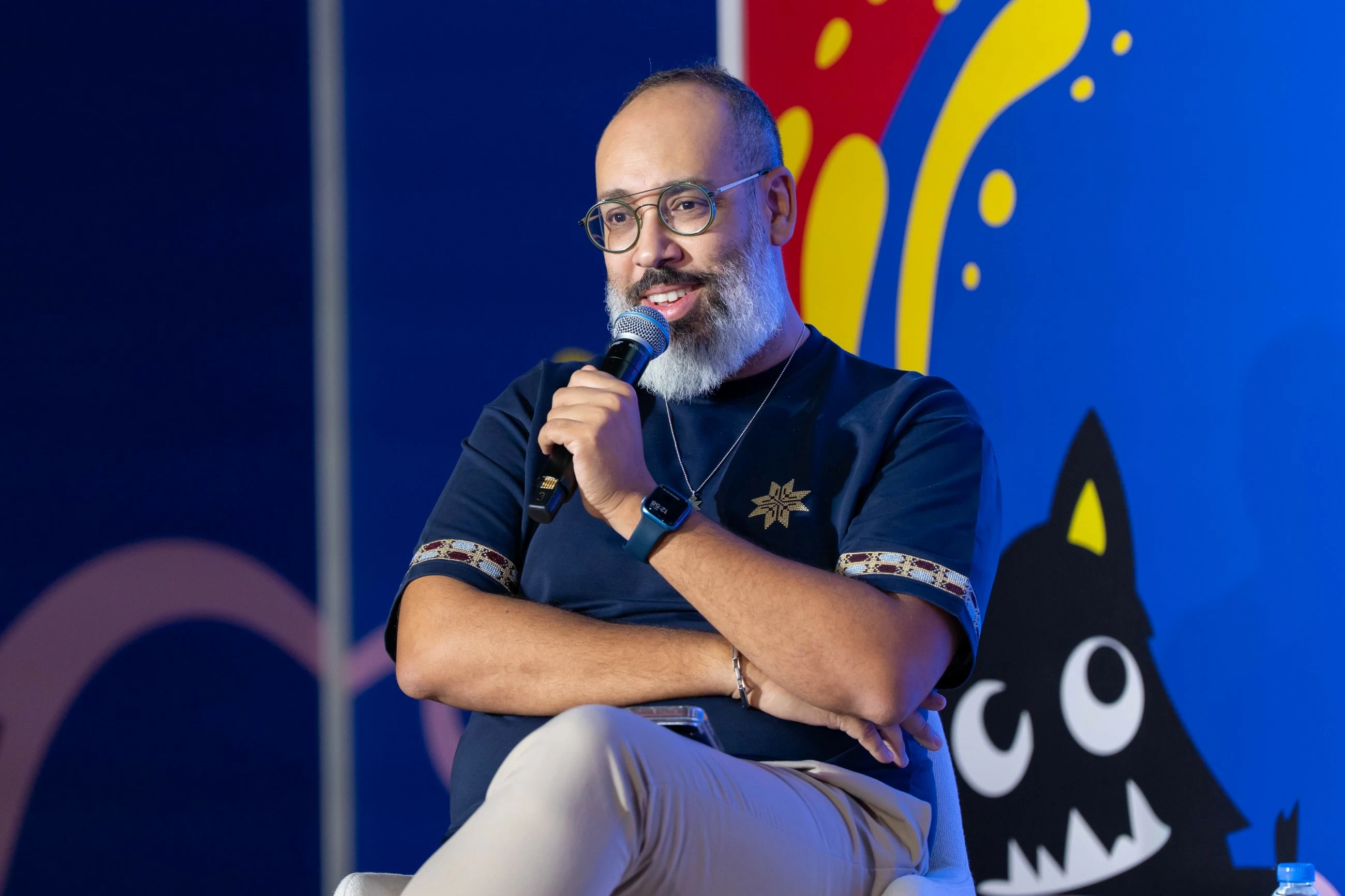
Magic Carpet Studios has worked for clients including Cartoon Network, Sesame Street and Microsoft. It runs a nine-month fellowship with France's Gobelins school to build local talent. Its first feature, The Passport of Mallam Ilia, is based on a novel read across Africa for more than 60 years. Adimefe said the book's existing readership made it easier to attract investors. The film is due next year with French and US partners and is animated entirely frame by frame in Lagos, said Adimefe.
A silent story that travels
Director Minasie Terefe spoke about funding remaining the hardest step for African creators like him.
He then showed the audience a clip from his award-winning series Sunday Morning, one that has no dialogue and follows a child who wants to play on the one day of the week his parents want to rest. The series won two prizes at the Annecy festival in France, including the Disney Television Animation prize. "Sundays were the only day we had to play, and the only day our parents had to rest. Anyone, anywhere can relate to that, so silence became a character," said Terefe, explaining how the decision to tell the story without dialogue was intended to make it accessible across languages while preserving Ethiopia’s true cultural identity.
Building the pipeline
Meanwhile, Ali Rguigue said the continent's challenge is structure, not talent. His company Artcoustic began by making animated explainers for the government and went on to launch a training programme with Gobelins. Its Moroccan series have since been picked up by broadcaster TV5Monde.
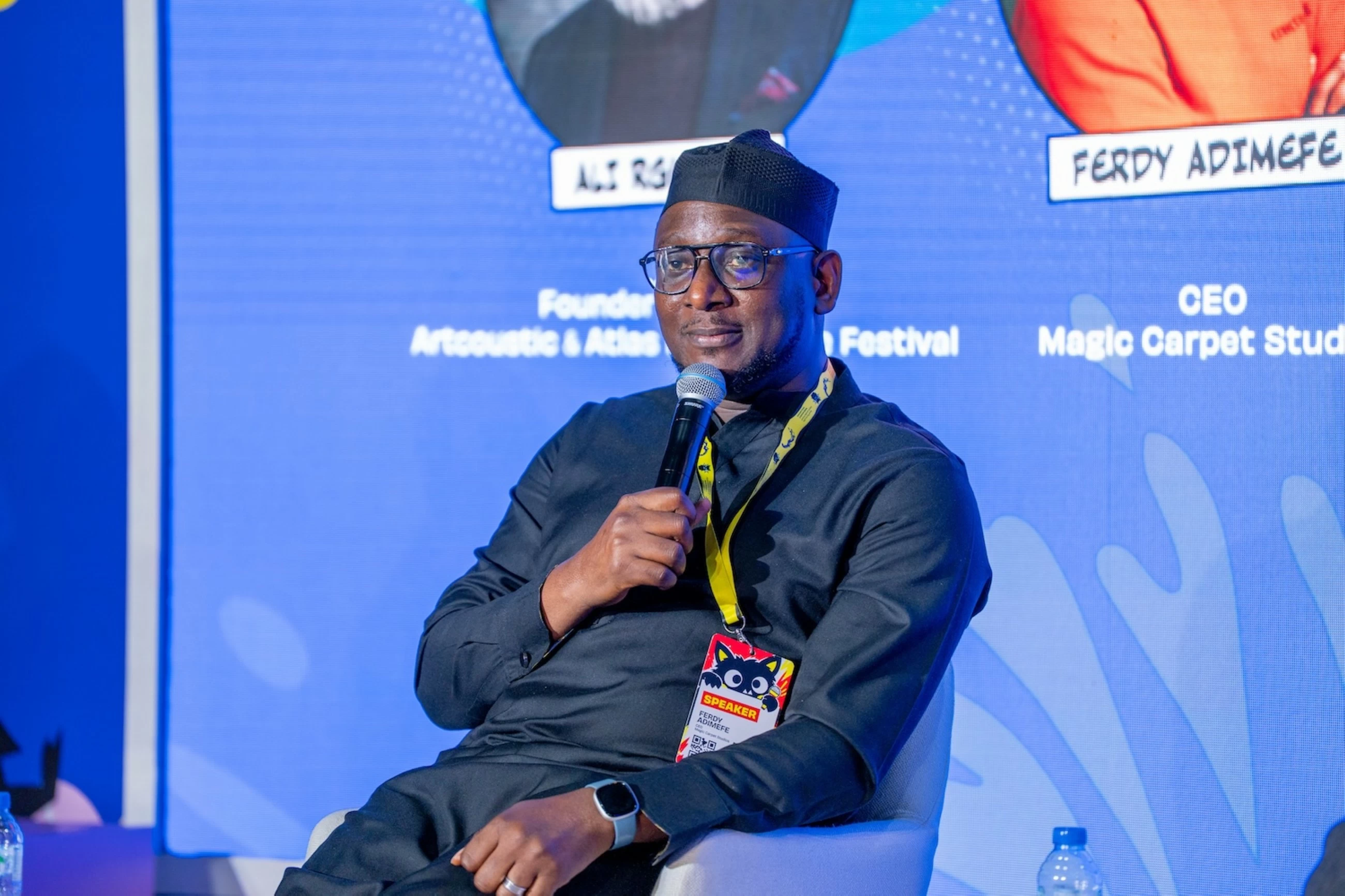
"We are a continent, not a country. Talent is everywhere, but the pipelines are not," said the Moroccan producer. "Working with governments can help us build big studios in Africa without changing our stories."
He also founded the Atlas Next Frame Festival to showcase student work. He is now developing three projects, including a stop-motion feature pitched at Annecy and a co-production with a US studio.
Panellists agreed that the next five years depend on collaboration from the start. They want projects conceived jointly as uniquely African and uniquely Arab, not studios bringing finished ideas to the table to co-produce.
An earlier report says before a camera moves or a comic panel is finalised, many of the most important creative decisions have already been made on paper.
At the Sharjah Animation and Comics Conference (SACC 2026), comic book artist, filmmaker, and entrepreneur Ashraf Ghori demonstrated how storyboards translate scripts and ideas into visual sequences that guide character development, camera angles, pacing and production planning.
During the hands-on workshop, Concept Art and Storyboarding for Comics and Film, held on the conference’s opening day, Al Ghory showed how early sketches establish the look and mood of characters and settings, while storyboards help directors and production teams decide how each moment should unfold visually.
He compared character development to casting, explaining that artists must define not only how a character looks, but also how that character should be understood by producers, designers and other members of the creative team.