Children in Greece's Kalamos island go by boat to reach school
- Last updated: October 5, 2026 | 12:03


Before the sun rises over the Ionian Sea, teenagers from the tiny Greek island of Kalamos file into a sea taxi, backpacks slung over their shoulders, to make the half-hour crossing to the mainland.
They are on their way to school, the predawn commute a glimpse of a broader problem facing most of Europe: there are fewer children to fill classrooms and remote communities like those on islands often feel the effects first.
On Kalamos, the primary school only has two students left. When they leave for middle school on the mainland next year, the island’s last working school will close.
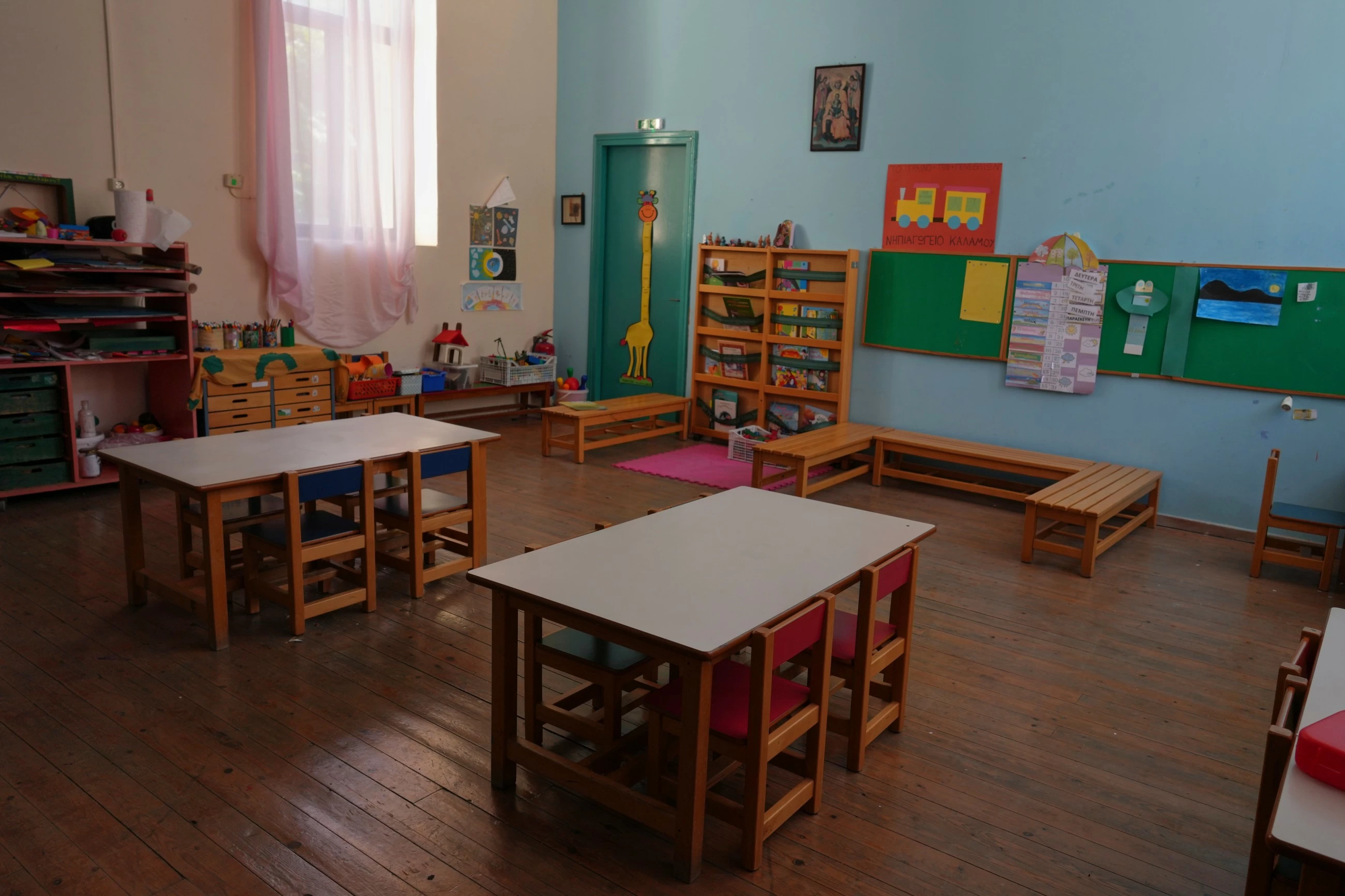
The island has about 80 year-round residents, of whom seven are teenagers. On windy days, the sea can be too rough for the ferry to cross, and students miss class.
"There used to be a lot of children on Kalamos,” said Antonis Aivaliotis, a high school senior making the crossing who expects to leave after graduation. "It was very nice. We played together every day. We went to (primary) school every morning,”
"Of course I would like to stay here,” he said. "I love Kalamos. It is my home. But there’s no development at all.”
The only teacher
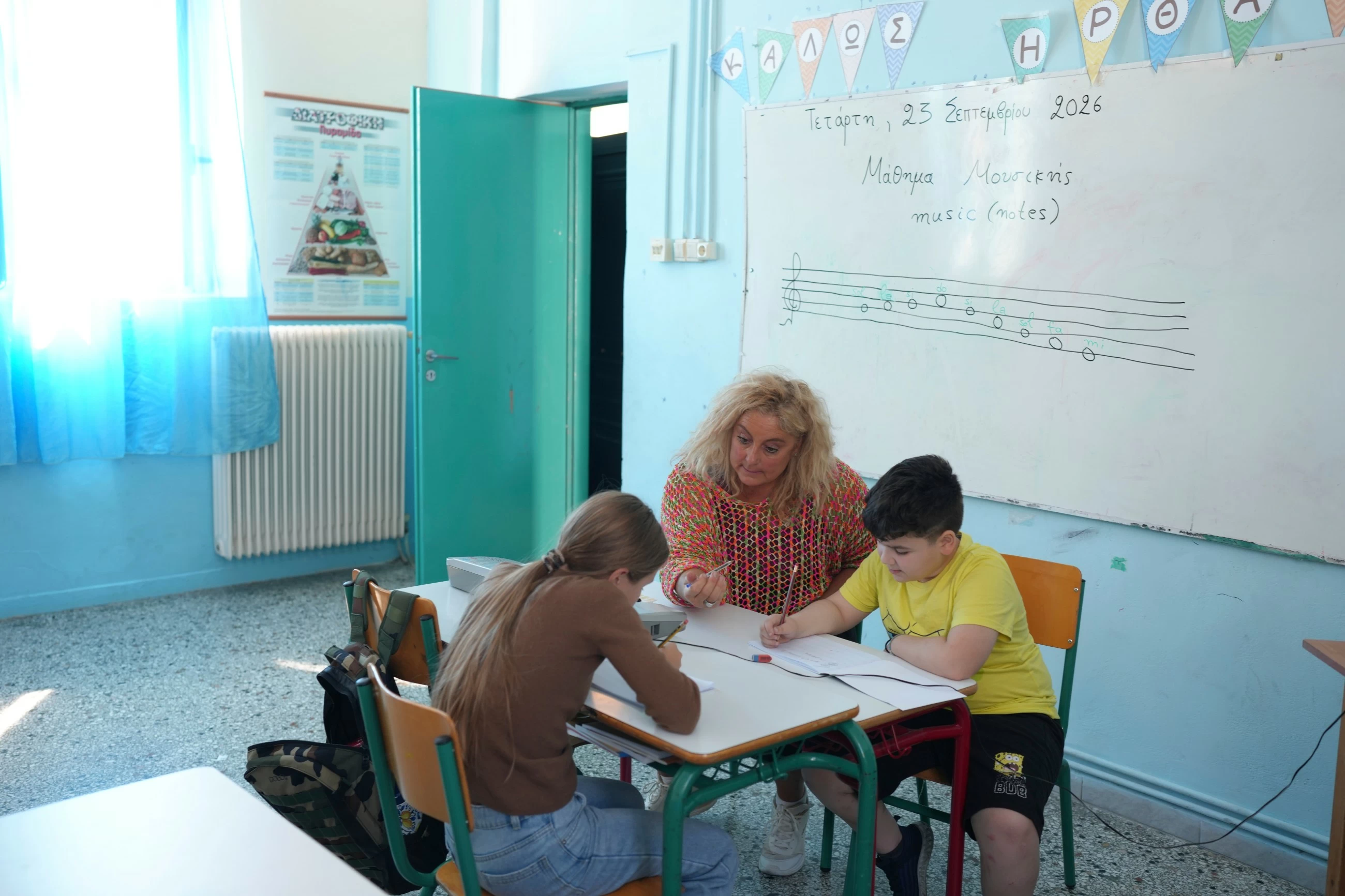
Chryssa Ntalaka, the island’s primary schoolteacher, has spent 20 years working in remote Greek schools, sometimes as the only teacher, combining grades and teaching everything from Greek and maths to history, science and physical education.
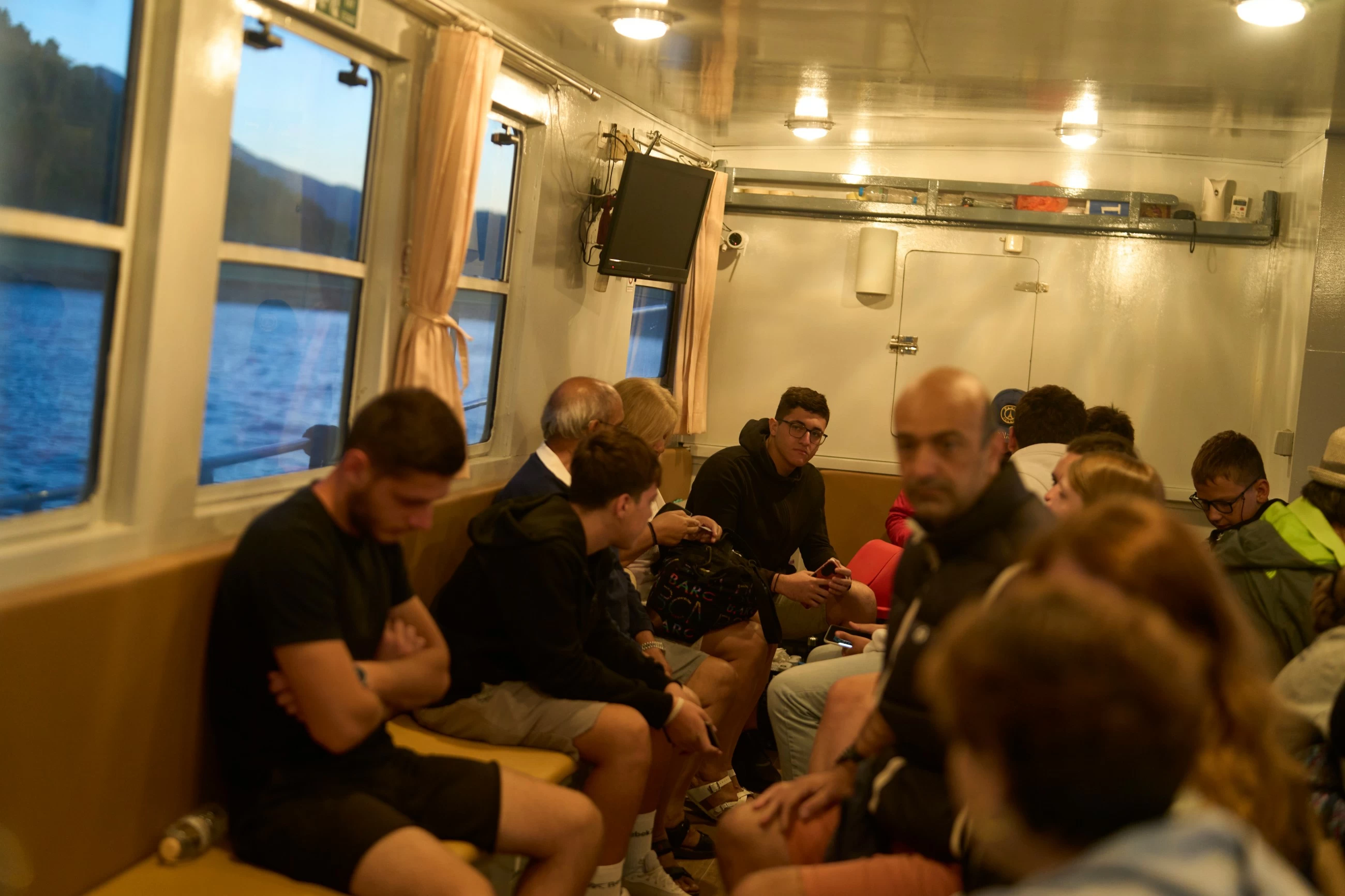
The classroom on Kalamos is now largely empty. Nearby, the island’s kindergarten has been closed for three years, with toys still sitting on shelves.
"I will have to leave Kalamos,” Dalaka said. Keeping the school open would require only two more families, she said. "Just two families – a simple move.”
Greece is confronting a sustained population decline, recording more deaths than births every year since 2011. By 2050, Greece’s population could fall from about 10.5 million today to between 8 million and 8.5 million, with young people becoming a minority, according to Aris Alexopoulos, head of the OECD Crete Centre on Population Dynamics.
Low enrolment
Low enrolment prompted Greek authorities to close 75 schools this year and suspend or extend the suspension of classes at more than 400 others.
Byron Kotzamanis, co-founder of the Institute of Demographic Research in Athens, said school closures in areas with few students should be made "very sparingly and carefully,” and not based on economics alone.
School closures encourage people of working age to leave remote areas and start a family elsewhere, he argued.
"Closing schools leads to young people not staying (in a remote community) and to them leaving,” Kotzamanis said. "Leaving means fewer and fewer people – fewer and fewer births. It means depopulation and dead settlements that will become nursing homes.”
Associated Press