Protests, sit-ins may cost Pakistan's economy Rs120b a day, warns finance minister
- Last updated: September 20, 2026 | 18:09


Gulf Today Report
Finance Minister Muhammad Aurangzeb on Sunday warned that protests, long marches, sit-ins and strikes could cost Pakistan’s economy around Rs120 billion a day, describing disruptions to economic activity as “self-inflicted pain” at a time when the country was trying to shift from economic stabilisation to sustained growth.
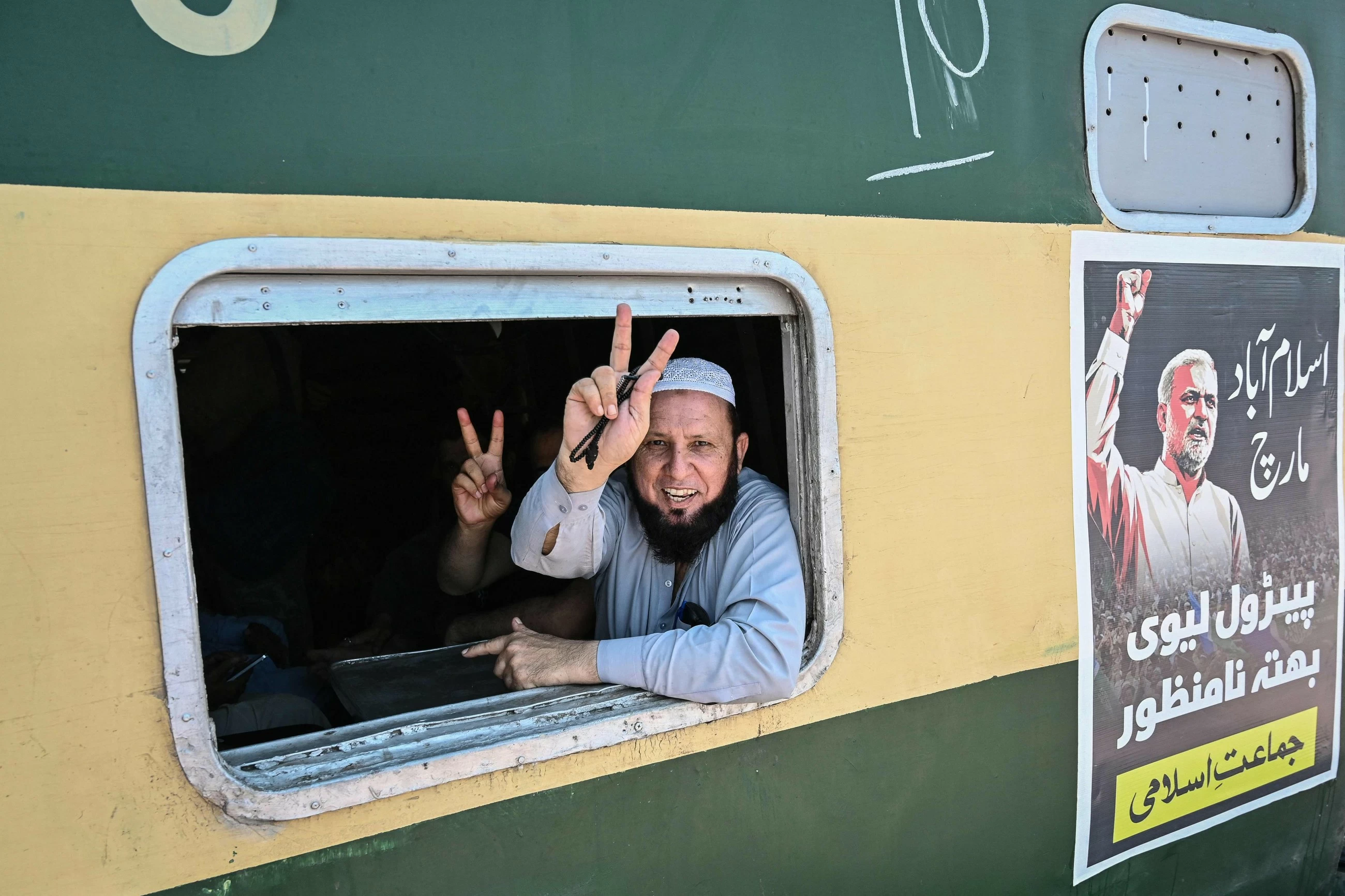
The statement came after three groups, Jamaat-e-Islami (JI), Kissan Ittehad and Pakistan Tehrik-e-Insaf (PTI), announced plans for long marches in Islamabad in the coming week. The groups were protesting separate issues, with JI demanding the removal of the petroleum development levy, Kissan Ittehad seeking relief for farmers, and PTI calling for the release of party founder Imran Khan from jail.
In a televised recorded message, Aurangzeb said the government had worked with the Planning Commission’s economic wing to assess the potential impact of protests, road blockages and business closures, drawing on both previous experience and the country’s current economic conditions.
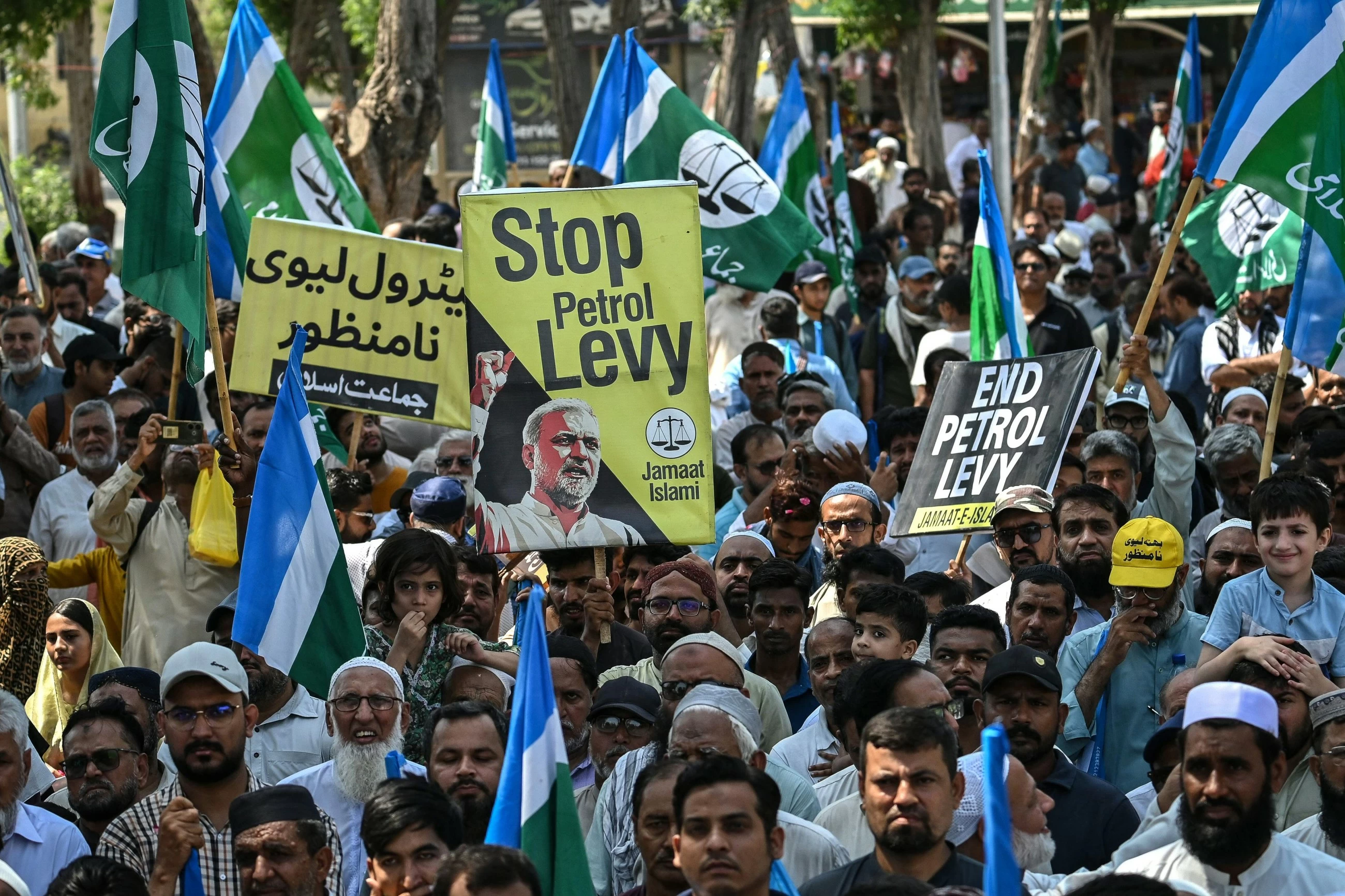
“If this economic stabilisation that we have achieved with great effort, difficult decisions and continuous efforts is disrupted by protests, sit-ins, road blockages and the closure of business and economic activities, what would the results be?” he said.
Based on the assessment, he said such disruption could result in an estimated Rs120 billion loss per day, with the services sector expected to bear the largest share of the impact.
“We estimate that there could be a loss of around Rs86 billion per day in the services sector", Aurangzeb said. The estimate covered financial services, communications, transport, retail, wholesale and hospitality.
Aurangzeb said the country’s foreign exchange reserves had reached their highest level in its history, while Pakistan was also recording a current account surplus and continued growth in remittances. "And now when the government wants to transform this stability into progress, some political parties are talking about long marches,” he said, and added that this would amount to obstructing the country’s growth.
He said Pakistan was progressing from economic stability towards economic growth, but developments in the Middle East were posing major challenges to global trade. He said goods exports had been set a target of $32.9 billion for the current fiscal year, with an expected growth of around 6%.
He said the recent wave of terrorism and loss of precious human lives was a major setback, adding that the Pakistan Army and civil armed forces were fully engaged in countering terrorism.
According to the finance minister, disruptions to supply chains and rising freight and insurance costs were affecting international trade.
The finance minister said Pakistan’s economic journey was moving from stability towards growth, with foreign exchange reserves reaching $21.4 billion and the fiscal deficit declining to a 22-year low of 2.6% of GDP.
He said higher tax revenues and lower expenditure had helped reduce the fiscal deficit, while the current account had moved into surplus after 14 years.
The minister said the current account remained broadly balanced during the last fiscal year and the trend continued during the first two months of the current fiscal year. He said remittances continued to improve, while IT exports were expected to rise from $4.6 billion to $5.5 billion.
Aurangzeb said GDP growth stood at 3.7% during the last fiscal year and was expected to exceed 4% during the current year. He said large-scale manufacturing had shown significant recovery, with growth recorded on both monthly and annual bases in July and August.
The minister said investor participation in the stock market, particularly among young people, had increased. Pakistan witnessed 11 IPOs last year, while five IPOs had taken place during the first two months of the current fiscal year.
He said the increase in IPOs reflected business expansion, establishment of new units and improving business and investment confidence.
Aurangzeb said the situation in the Strait of Hormuz and Bab Al Mandeb was already putting pressure on exporters and the business community. He said IT exports stood at around $811 million during the first two months, with a daily export volume of approximately $13 million.
Aurangzeb said foreign direct investment stood at $311 million in August and stressed the need for further improvement. He said economic stability was a basic condition for attracting foreign investment, adding that foreign investors’ interest also increased after confidence among domestic investors improved.
The Finance Minister has called for resolving the country’s issues through dialogue and consensus, stressing that the pace of economic stability and growth should not be put at risk.
He concluded that such disruption as a 'self-inflicted economic pain' for Pakistan.