Life gets very tough for Kyiv residents as Russian drone attacks intensify
- Last updated: September 5, 2026 | 15:35


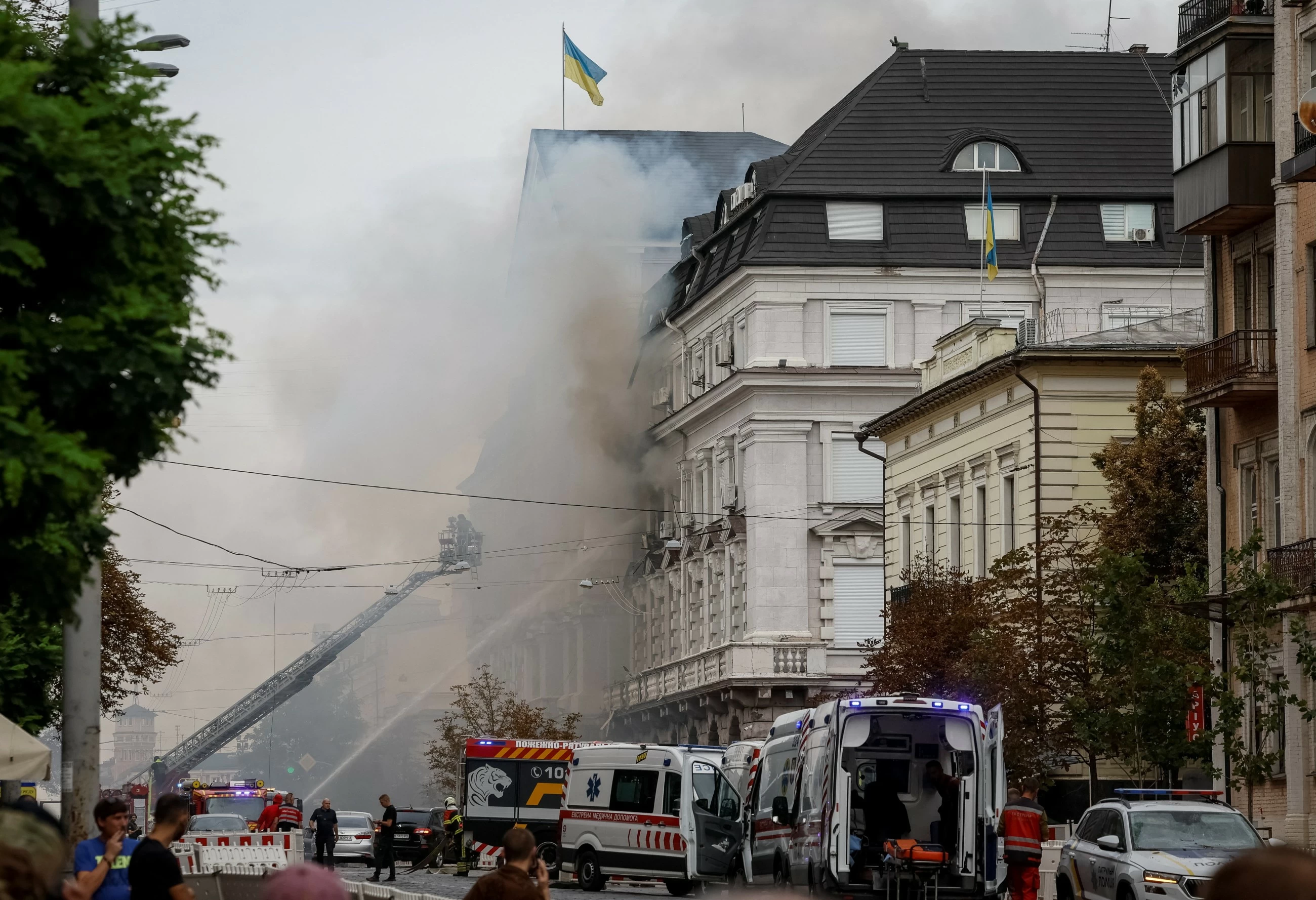
Commuters stranded; children rushed underground in the middle of the school day; festivals cancelled; walks punctuated by booming air defences. Near-constant drone attacks are the stark new reality in Kyiv, and daily life is likely to get harder.
Kyiv has survived many traumas since Russia's full-scale invasion in February 2022. Despite the initial shock of war and the advent of attack drones and ballistic missiles, residents adapted and managed to impose a semblance of normality.
But as a fifth full winter of war approaches, that is becoming harder to maintain.
Over the summer, Moscow began sending swarms of high-speed, jet-propelled drones that are more destructive and harder to shoot down than older propeller-powered models.
For the last 10 days, air attacks have been around-the-clock rather than mainly at night, puncturing Ukrainians' sense that their country's own long-range drone campaign against Russia was swinging the war back in their favour.
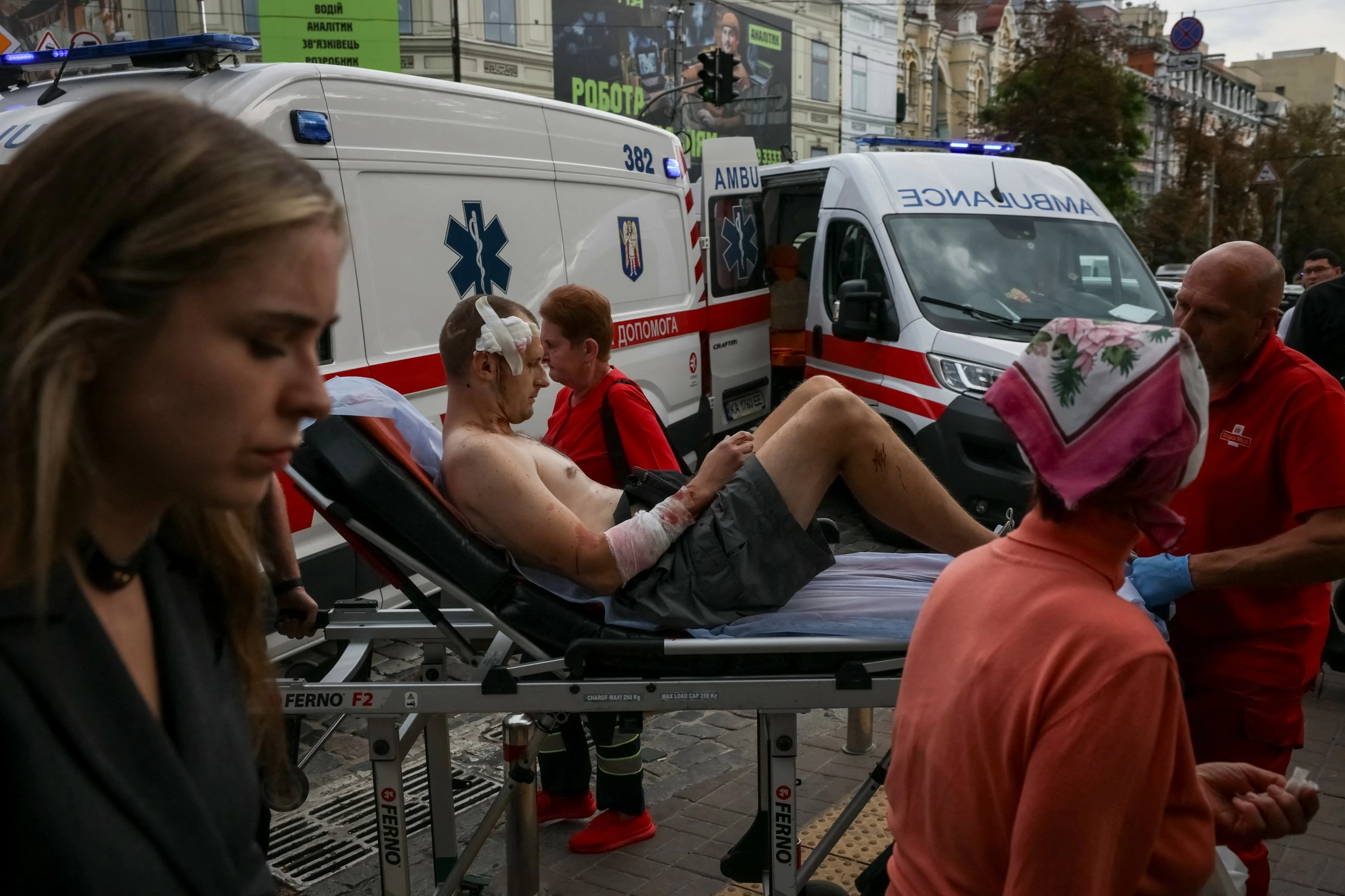
Vitaliia Poliakova and her partner were driving near a bridge on the eastern bank of the Dnipro on Thursday when a jet-powered drone struck the road near their car, injuring both.
"We were driving, talking about our own things. Then there was a sudden hit," the 35-year-old said, speaking in the back of an ambulance. Poliakova had cuts to her right hand and her partner had a bloodied face and right leg.
Brutal winter awaits
Foremost in the minds of many of Kyiv's 3 million residents is the approach of winter. Russian attacks have caused regular power and water outages since early in the war, but their intensity in the last 10 days points to greater disruption.
"The last year has been really difficult for us," said Bohdan, 29, as he surveyed his damaged apartment block, struck in a Russian attack earlier this week.
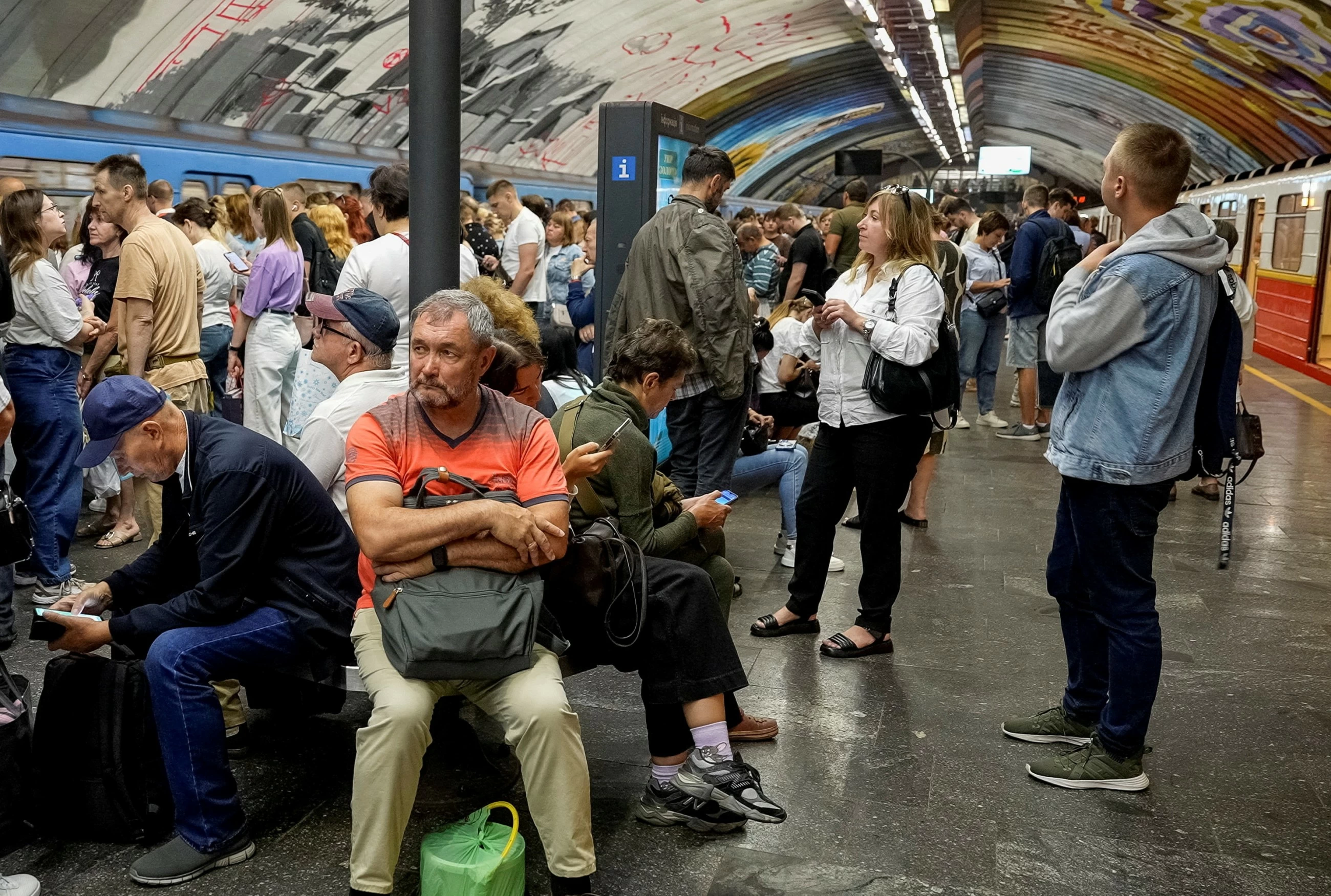
"After this (attack), as you can see, it will probably be even harder, so we're moving away."
With frontline fighting causing hundreds of casualties a week but yielding little in terms of territorial gains, Russia and Ukraine have engaged in an escalating air war in recent months, hammering each other's energy and logistics facilities.
The UN has verified more than 16,000 civilian deaths so far in the conflict, the vast majority of them in Ukraine.
Both Moscow and Kyiv say they do not target civilians, but in Kyiv and the surrounding region, dozens of civilians have been killed since August 27.
'I don't know what to do'
On Monday, repeated air raid alerts halted metro services linking the two sides of the Dnipro river that divides the city.
At Osokorky station near the opposite bank to the centre, nurse and psychologist Yulianna Oliynyk and her two sons waited on a packed platform for the alarm to be lifted.
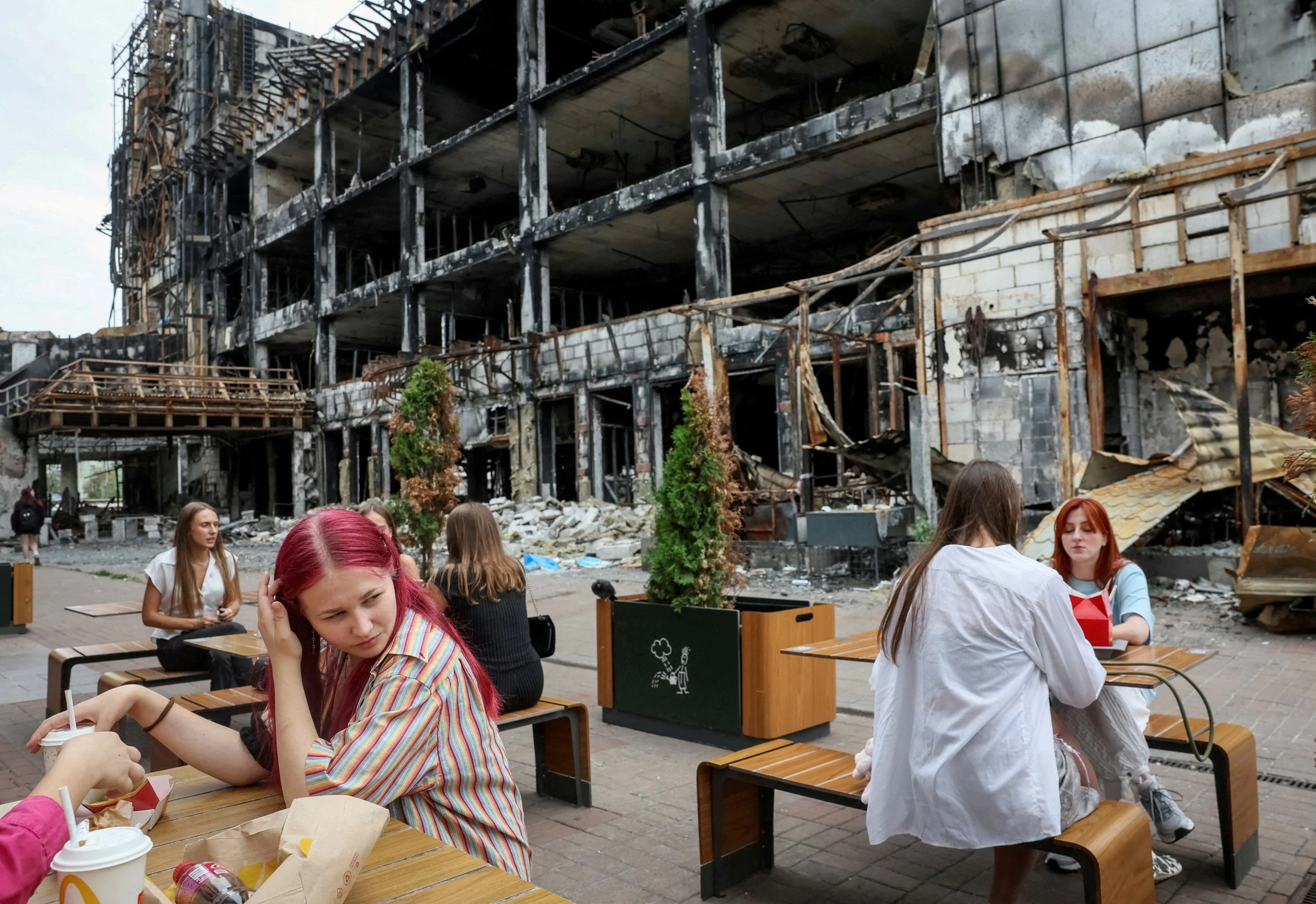
"I'm already thinking maybe we should just take sleeping bags and sleep in the metro at the station near the school," she said. "Last year it was difficult at school and now I honestly don't even know what to do. I just don't know."
Roads into central Kyiv are clogged, bus stops are crammed and people are walking long distances to get to and from work.
Grocery shopping is becoming more difficult. Large supermarkets close when air raid sirens sound, meaning customers must leave the building mid-shop.
Some dairy items are running low as supply chains are disrupted and warehouses are hit. Natalia Petrivska, executive director at the Ukrainian Food Retail Alliance, appeared on television this week to reassure people that they did not need to panic buy.
Schools return despite new danger
Russia fired more than 2,800 jet-powered drones at Ukraine in August, air force spokesperson Yuriy Ihnat said, after increasing their use five-fold in July compared with June.
Interception rates were at around 60%, he added, compared with more than 90% for slower, conventional drones.
Russia says such attacks have a military purpose; Ukraine says they are designed to break civilian morale and persuade the government to give up territory at a time when Washington appears to be making a new push for peace.
Yet polling by the Kyiv International Institute of Sociology in August showed attitudes towards Russia hardening. The number of respondents who opposed ceding the unoccupied part of the Donbas region – one of Russian President Vladimir Putin's key demands – rose to 69% from 62% in April.
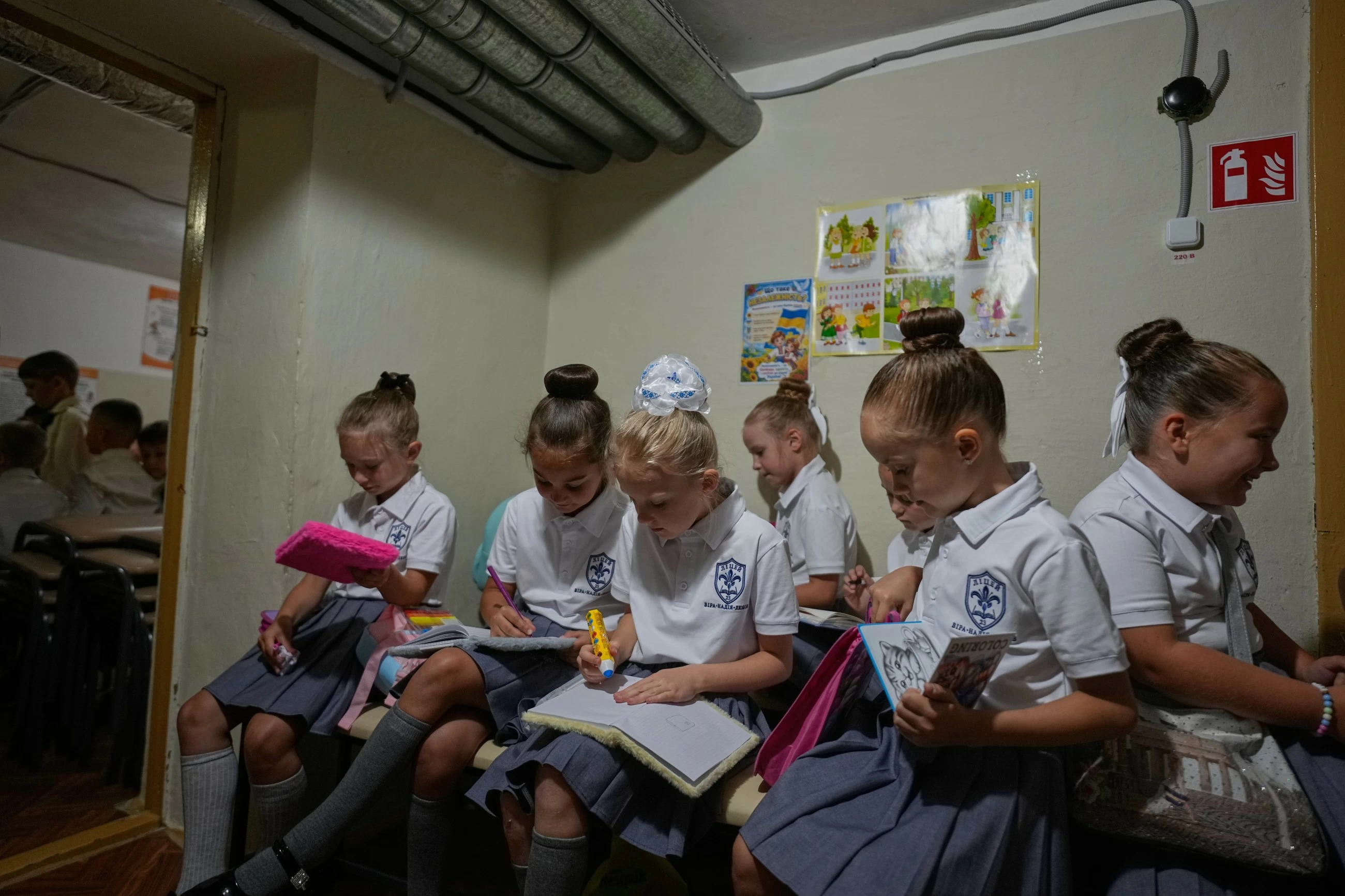
On the first day of the new academic year this week, pupils at one Kyiv school had just finished their first class when air raid sirens sounded and they hurried to underground shelters to continue their studies.
"It's stressful for them, but the children are becoming better able to adapt," said headmaster Roman Feshchuk.
Around 400 children were enrolled this year at the school, which was damaged in an earlier Russian attack in May, although fewer first-graders had signed up, Feshchuk told Reuters.
Oleksandra, a young girl wearing a traditional Ukrainian dress and carrying flowers to celebrate the new academic year, said she particularly enjoyed arts and crafts.
Asked what she dreamed of, she replied: "That the war will end."
Reuters