Indian court jails Tehelka editor Tarun Tejpal for 10 years in rape case
- Last updated: August 6, 2026 | 12:41


An Indian court on Thursday convicted the former editor of an investigative news magazine of raping a junior colleague, overturning his acquittal in a case that drew nationwide attention.
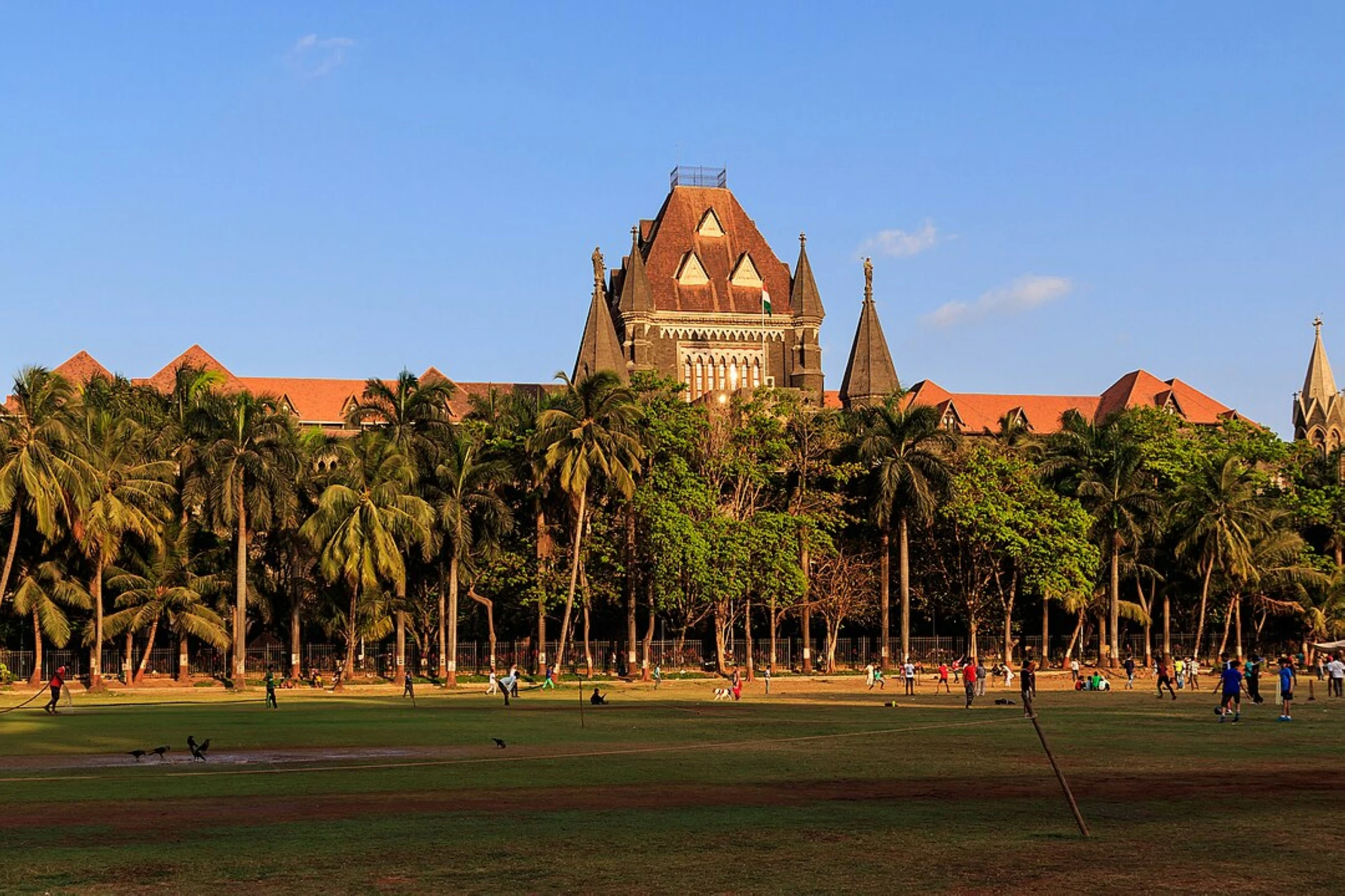
The Bombay High Court on Thursday set aside the acquittal of former Tehelka editor Tarun Tejpal in the 2013 sexual assault case involving a junior colleague and convicted him of rape and other offences under the Indian Penal Code (IPC).
A Division Bench of Justices Neela Gokhale and Amit Jamsandekar allowed the appeal filed by the Goa government against the May 2021 judgment of a sessions court in Mapusa, which had acquitted Tejpal of all charges.
Pronouncing the verdict, the Justice Gokhale-led Bench said that it had convicted Tejpal under Sections 376(2)(f) and 376(2)(k) (rape), 354A (sexual harassment) and 354B (assault or use of criminal force against a woman with intent to disrobe) of the IPC.
The High Court is scheduled to hear the matter on the question of sentence later in the day.
"The accused has been convicted," Goa Police investigator Sunita Sawant, who led the probe, told reporters after the verdict.
"This is a sentence where a girl has stood up for her rights... so this judgement is very important for women who are working in any sector."
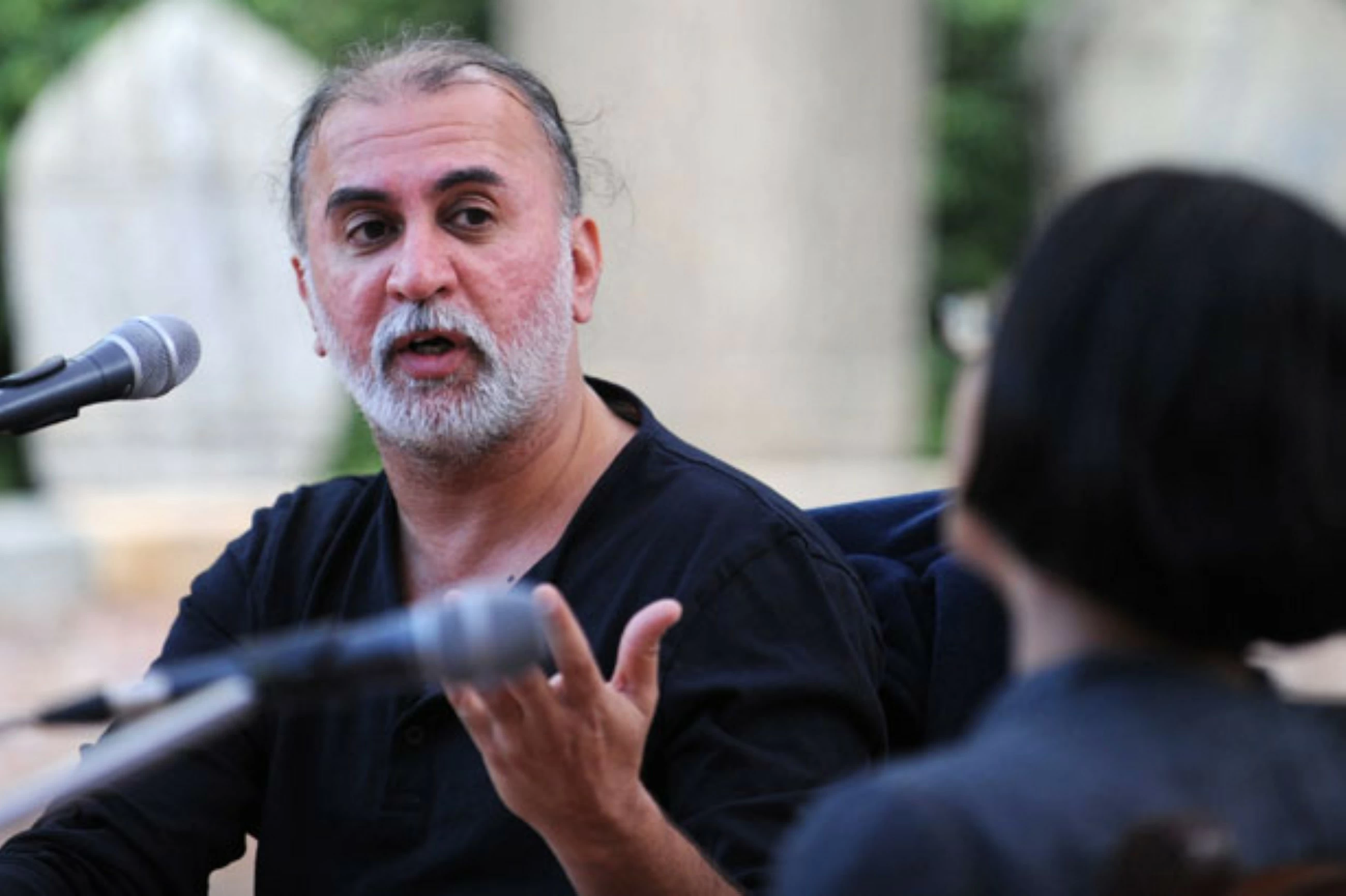
Tarun Tejpal, 63, founder and former editor of Tehelka magazine, was accused of raping the journalist in the lift of a five-star hotel in the western coastal state of Goa during an event in November 2013.
The Goa Police registered an FIR against Tejpal for offences including rape, following which he was arrested in November 2013 after a local court rejected his anticipatory bail plea.
He spent seven months in jail until he was granted regular bail by the Supreme Court in July 2014.
In May 2021, Additional Sessions Judge Kshama Joshi acquitted Tejpal, holding that the prosecution had failed to prove its case beyond reasonable doubt and citing alleged lapses in the investigation, including failure to produce certain evidence such as CCTV footage.
The prosecution challenged the acquittal before the Bombay High Court, contending that the trial court had erred in appreciating the evidence on record.
During the hearing before the High Court, the Goa Police argued that the Sessions Court had focused on the survivor's post-incident conduct and background instead of assessing the evidence against the accused.
It also submitted that the trial court ignored material evidence, including an apology email allegedly sent by Tejpal after the complainant raised the allegations with the then managing editor of the publication.
During the hearing on Thursday after the conviction was pronounced, Tejpal's counsel sought suspension of the conviction for eight weeks to enable him to approach the Supreme Court, submitting that the verdict had reversed an acquittal and highlighting that there was no other criminal case against him.
Addressing the Justice Neela Gokhale-led Bench, Tejpal pleaded for leniency, stating that he believed himself to be a victim and requested the Bombay High Court to take a compassionate view while deciding the sentence.
On the other hand, Solicitor General Tushar Mehta opposed the plea for leniency, contending that the case required a strong message against sexual violence and arguing that "when a girl says no, it means no."
The High Court adjourned the matter till 2.30pm for hearing on the sentence. The detailed judgment is awaited.
The case emerged at a time when India's handling of sexual assault cases was under intense scrutiny following the fatal gangrape of a 23-year-old student on a New Delhi bus in December 2012.
That attack triggered nationwide protests and international outrage, and prompted the government to strengthen the country's rape laws.
Tejpal's case severely damaged the magazine's authority and credibility, as the publication had historically championed women's rights and social justice.
While Tehelka continues to operate under new leadership, it has failed to regain the influence it enjoyed before the 2013 case.
Agencies