US military says it hit dozens of Iran's IRGC targets
- Last updated: July 30, 2026 | 10:54


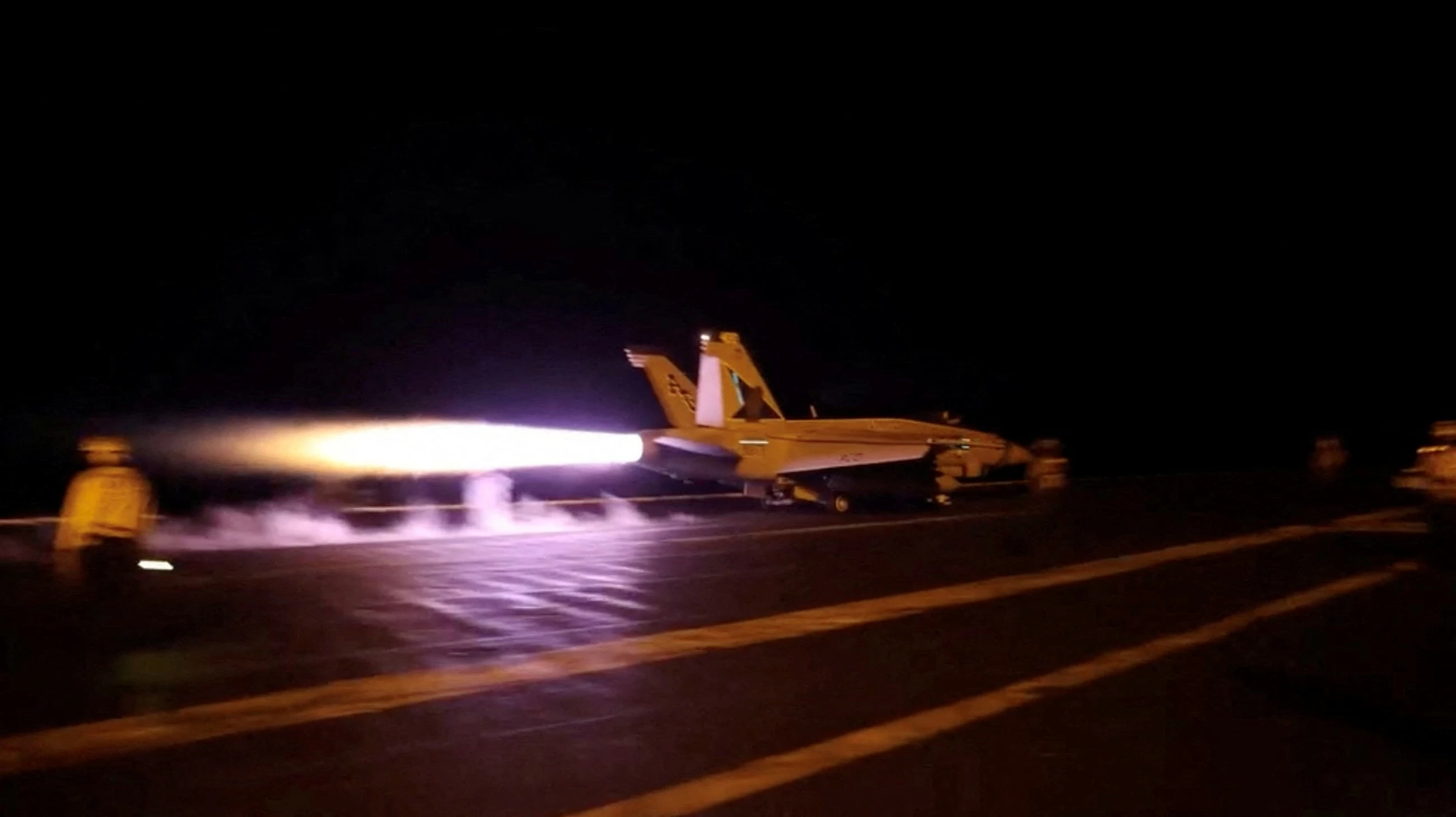
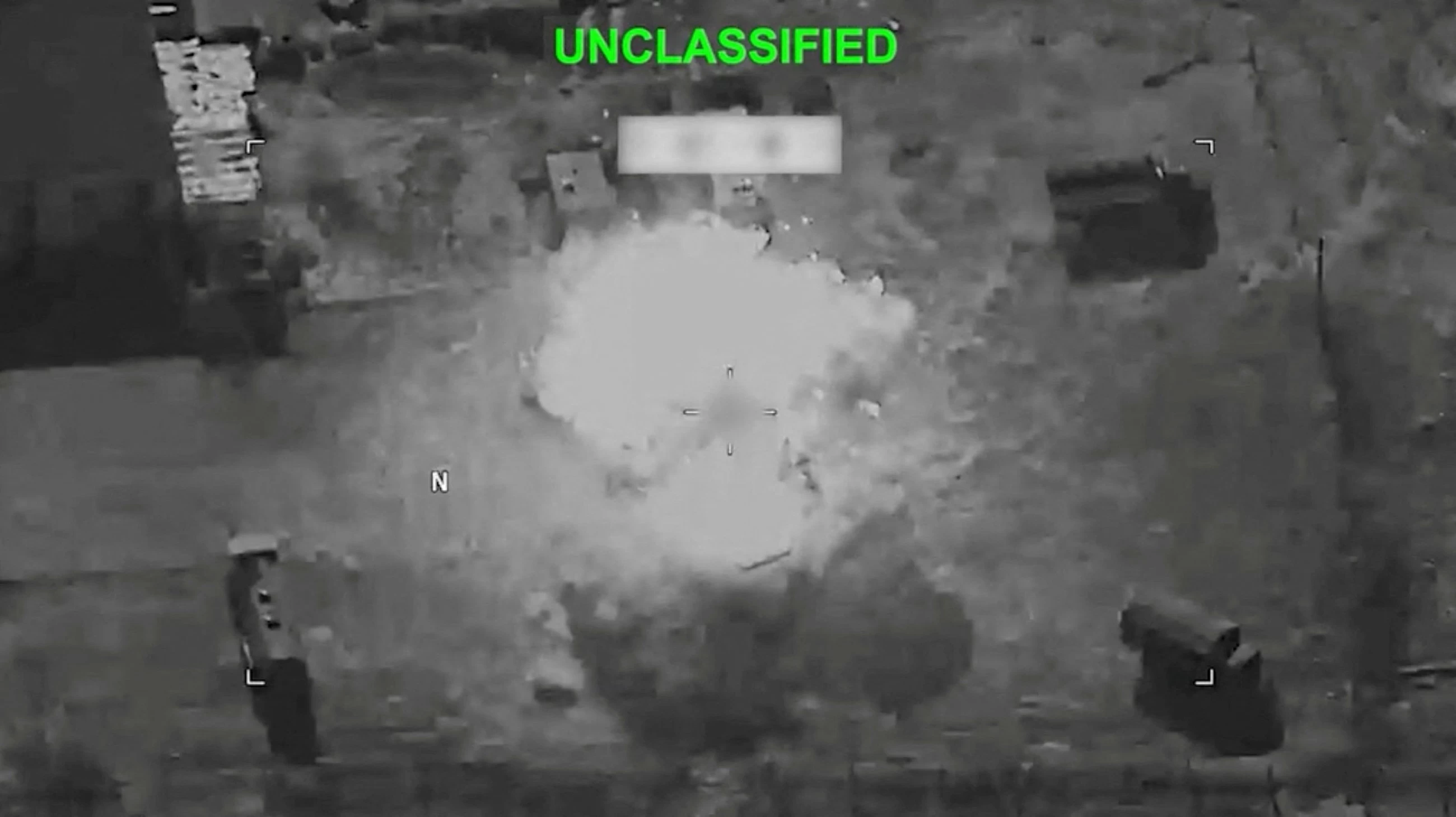
The US military said it struck dozens of Islamic Revolutionary Guard targets in Iran, including military command centres and drone facilities, in a two-hour operation launched after Tehran fired ballistic missiles at US forces in the Middle East.
The operation began at 0000 GMT and ended at 0200 GMT on Thursday, US Central Command (CENTCOM) said.
"The strikes aimed to further diminish threats posed by Iran and its proxies to American forces, commercial shipping, and neighbouring Gulf countries," CENTCOM said in a statement.
Iran's state media reported that three people were killed in US strikes on Qeshm Island.
Jordan's armed forces said on Thursday that they had thwarted an Iranian attempt to target the kingdom, intercepting five missiles.
The US strikes came after Iran confirmed on Wednesday that it had fired ballistic missiles at US troops in Jordan. CENTCOM said all of the missiles were intercepted. US bases in Jordan have lately become primary Iranian targets.
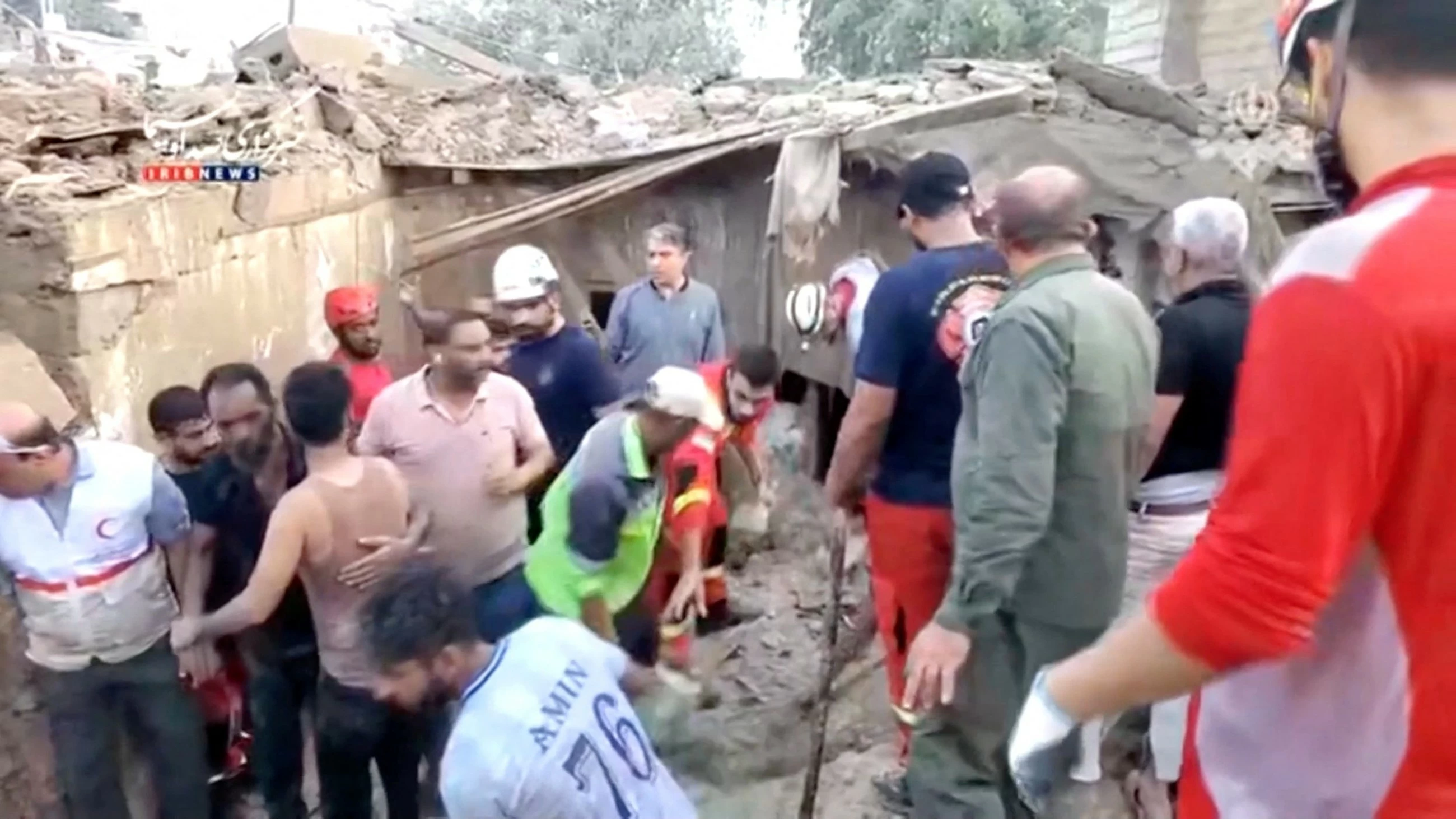
Earlier on Wednesday, US and Saudi forces launched strikes against Iran-aligned groups in eastern Iraq, in retaliation for drone attacks on Saudi oil targets launched from Iraq. The joint attack marked the first time Riyadh has publicly joined strikes alongside Washington.
The war began in February, when the US and Israel launched a bombing campaign in Iran that Trump said would last only a few weeks. A temporary ceasefire agreement in June collapsed amid renewed fighting over the Strait of Hormuz, a crucial waterway that Iran says it now controls.
Trump said he would hit Iran hard for firing missiles at US forces, but that Washington was also still seeking a peace deal to end a conflict that has roiled global energy and finance markets with the choking of the Strait of Hormuz.
The waterway - which carried a fifth of global oil and liquefied natural gas before the war on Iran - lies between Oman and Iran, linking the Gulf north of it with the Gulf of Oman to the south and the Arabian Sea beyond.
The strait has become the main hurdle in peace talks and a flashpoint for repeated escalations in the conflict.
Iran said on Wednesday that it struck three tankers attempting to transit through the strait along an unauthorised route and that it controls the strait.
Oil prices shot up on Wednesday in one of the sharpest spikes of the five-month war. Brent crude futures rose more than 8% to push the benchmark well above $90 a barrel, reversing much of a plunge earlier this week when Trump had unexpectedly halted U.S. strikes. On Thursday prices retreated slightly.
'Death to America' shouted in Iraq
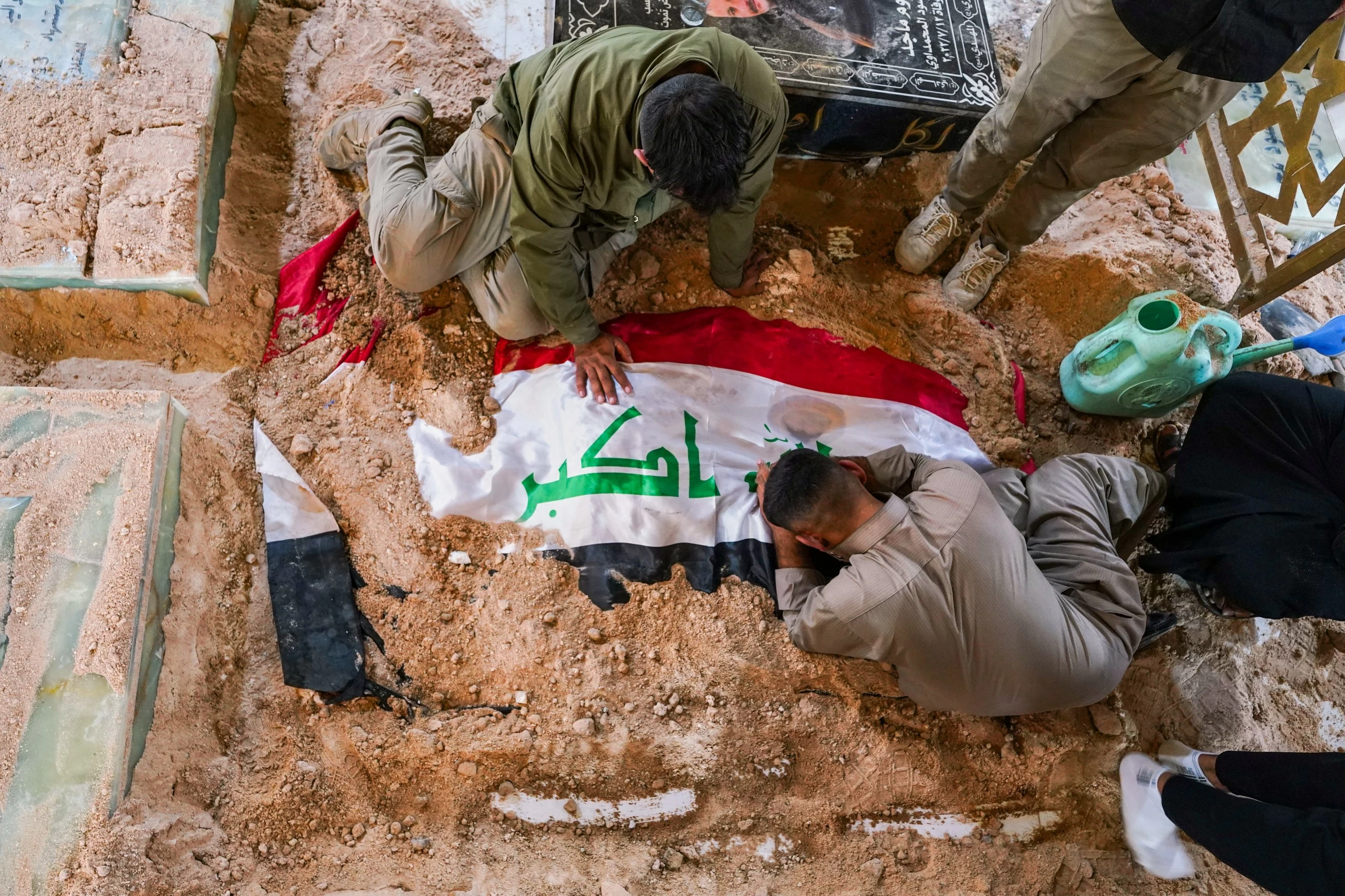
Iraq's Popular Mobilisation Forces, powerful Iran-backed paramilitary groups incorporated into the Iraqi security forces, said at least 20 members were killed and 32 wounded in US-Saudi strikes targeting several bases across Iraq.
Iraqi men shouted "Death to America!" as they carried the bodies of slain fighters in body bags.
The Iraqi presidency denounced the strikes on the paramilitaries as "an unacceptable attack and a flagrant violation of Iraq's sovereignty", while also calling for a halt to attacks by armed groups against Iraq's neighbours.
Though Iran denies its forces have directed strikes from Iraqi territory, Iranian newspaper Hamshahri reported that four of Iran's Revolutionary Guards advisers had been killed in the strikes on Iraq.
After the joint attacks, Saudi Arabia's defence minister met Vice President JD Vance in Washington on Wednesday to urge the Trump administration not to escalate the conflict further by attacking Yemen's Houthis and carrying out more strikes against
Iran-aligned militias in Iraq, two sources told Reuters.
One of the sources added that such escalation would open the door to "major unknown risks." The White House and Saudi embassy in Washington did not immediately respond to a request for comment.
Reuters