Faya a living source of knowledge about our shared human story, says Bodour
- Last updated: July 20, 2026 | 14:14


One year after the inscription of the Faya Palaeolandscape on UNESCO's World Heritage List, Sharjah has demonstrated what sustained stewardship of a World Heritage Property looks like in practice.
Over the past twelve months, the emirate has launched a World Heritage Office to oversee long-term management and established the prestigious Sharjah Government Dhs2 million research grant programme that attracted competitive proposals from leading universities across four continents, Alongside establishing the Office and the Grant framework, Sharjah has also strengthened conservation planning, expanded visitor experiences and drawn growing international audiences to one of the earliest inhabited desert landscapes in the world.
From international research partnerships and stronger governance to wider public engagement, every initiative has been designed to ensure that Faya continues to generate new knowledge while safeguarding its Outstanding Universal Value for future generations.
Sheikha Bodour Bint Sultan Al Qasimi, Ambassador of the Faya World Heritage Property, noted: “Looking back on the first year since Faya's inscription on the UNESCO World Heritage List is a proud moment for everyone who has contributed to understanding and protecting this extraordinary landscape over many decades. International recognition is meaningful because it affirms the significance of that collective effort, but its greatest value lies in what it enables. Over the past year, we have continued to invest in scientific research, conservation and education so that Faya remains a living source of knowledge about our shared human story for generations to come.”
To mark the first anniversary of inscription, audiences are invited to watch the official Faya documentary on the Faya website. Featuring Sheikha Bodour Bint Sultan Al Qasimi, Ambassador of the Faya World Heritage Property, alongside the archaeologists and researchers behind the discoveries, the film takes viewers through more than 210,000 years of human history, tracing the scientific journey that established Faya as one of the world's most significant prehistoric landscapes.
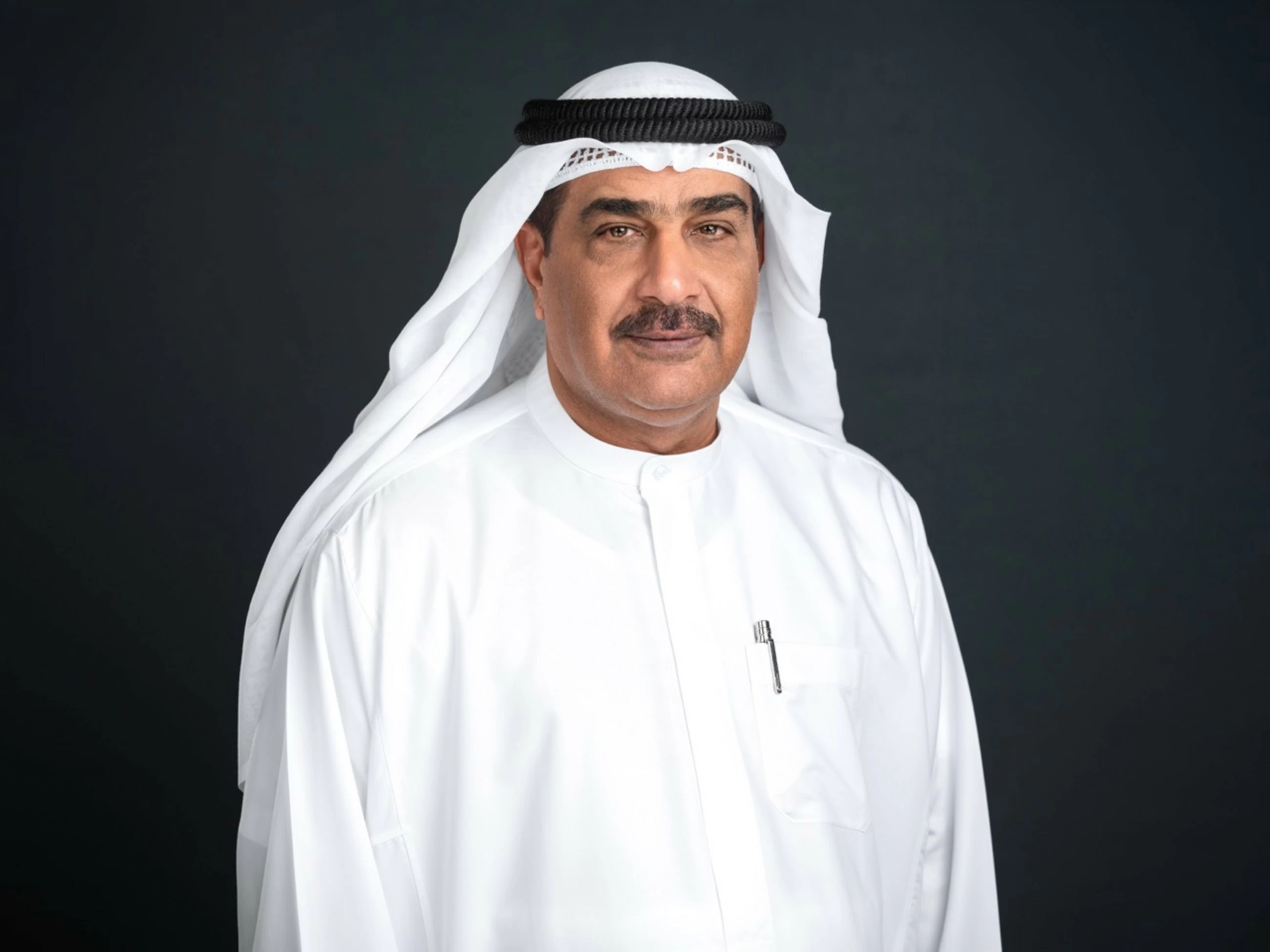
Eisa Yousif, Director-General of the Sharjah Archaeology Authority, said: “The first year after inscription, Sharjah has demonstrated that World Heritage recognition is most valuable when it becomes a catalyst for continued discovery. For us, the inscription created new responsibilities as much as new opportunities. Over the past year, our priority has been to build the scientific, institutional and conservation systems required to support a World Heritage Property over the long term.
Chief among these structural achievements is the launch of our new World Heritage Office to institutionalise site governance, paired with the Dhs2 million Faya Research Grant, which successfully anchors Sharjah as a global hub for prehistoric research. We are deeply grateful for the continued leadership and vision of Her Highness Sheikha Bodour Bint Sultan Al Qasimi, Ambassador of the Faya World Heritage Property, whose advocacy has been instrumental in elevating Faya's international profile and guiding this next chapter of its development.”
The World Heritage Office
Driving the Emirate Conservation and Research Scientific research has been matched by equally significant institutional progress. During the past year, Sharjah established a dedicated World Heritage Office responsible for coordinating conservation, research, documentation, international cooperation and long-term management of its World Heritage properties.
The Office operates under the auspices of Sharjah Archaeology Authority. The Office is the foundational pillar responsible for driving and coordinating all conservation planning, field research, documentation, and international cooperation required under UNESCO’s World Heritage Convention. It is also leading the Government efforts on nominating more cultural heritage assets to international recognition.
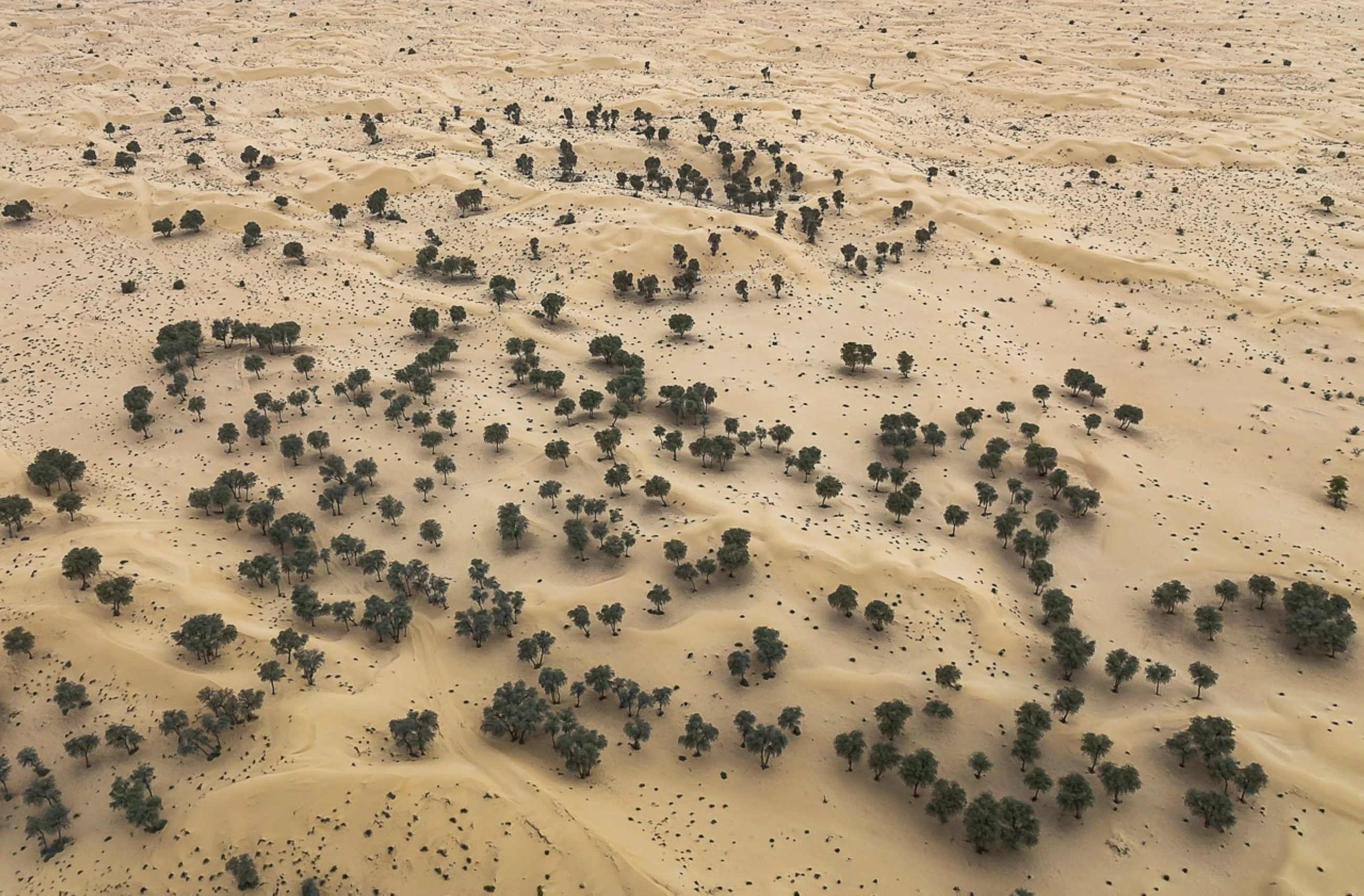
The office also oversees implementation of the Faya Research Grant Programme, ensuring that new scientific discoveries directly inform conservation planning while strengthening the governance structures required under UNESCO's World Heritage Convention.
International research has gained momentum
Perhaps the clearest measure of Faya's growing international profile is the response from the global research community. Within months of inscription, Sharjah launched the Dhs2 million Faya Research Grant Programme earlier this year to support new investigations into the site's Outstanding Universal Value. The programme attracted 49 competitive applications from universities and research institutions across Europe, the Middle East, Africa, Asia and North America before awarding grants to projects led by Tubengen and Oxford Brooks universities as well as to researchers from the UAE, United Kingdom, United States and Spain.
Together, these projects are examining subjects ranging from ancient environments and prehistoric human settlement to palaeogenomics, human mobility, geological landscapes and international cooperation in human evolution research, reinforcing Faya's role as a global reference point for understanding early human adaptation in Arabia.
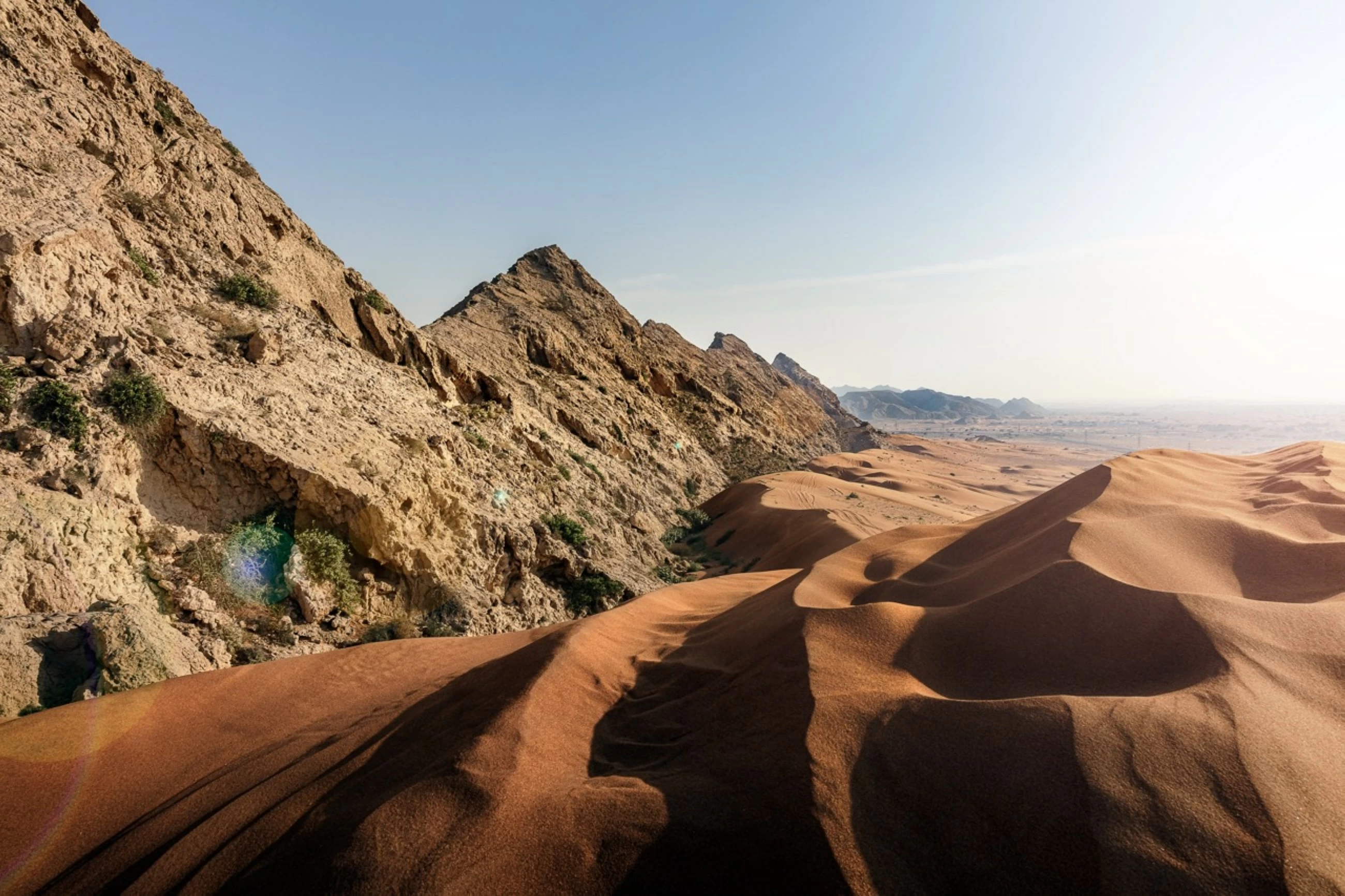
Alongside the scientific grants, Emirati Mentoring Fellowships are creating new pathways for young UAE researchers to gain international archaeological field experience before applying that knowledge directly to research and conservation at Faya.
Public engagement continues to expand
As scientific activity has increased, so has public interest. Digital engagement has grown steadily alongside these efforts. Since the beginning of 2026, the official Faya website has attracted more than 7,000 active users and generated over 41,000 interactions, while the Faya Research Grant pages alone have recorded more than 5,000 visits from prospective researchers and institutions worldwide.
Visitor experience enhanced
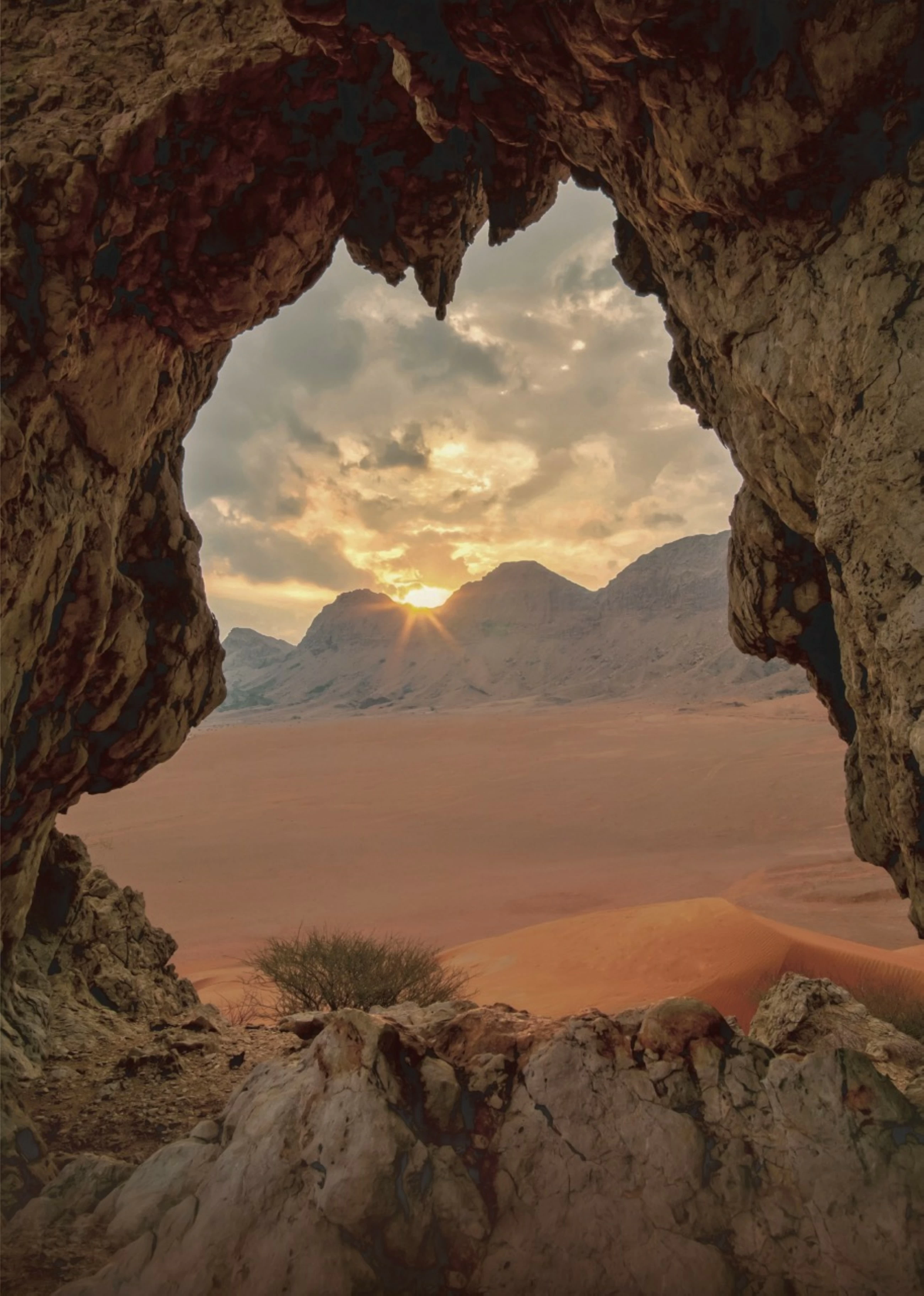
Visitors to Faya now encounter a richer and more accessible interpretation of the World Heritage Property. The Mleiha Archaeological Centre, which sits at the heart of the Faya site, has introduced a new interactive exhibition dedicated to Faya's archaeological discoveries and scientific importance, while new directional signage and the installation of the official UNESCO World Heritage monument have strengthened both accessibility and visitor orientation across the site. Together with existing interpretation services, these additions provide visitors with a clearer understanding of the landscape's significance within the wider story of human history.
Agencies align on long-term protection
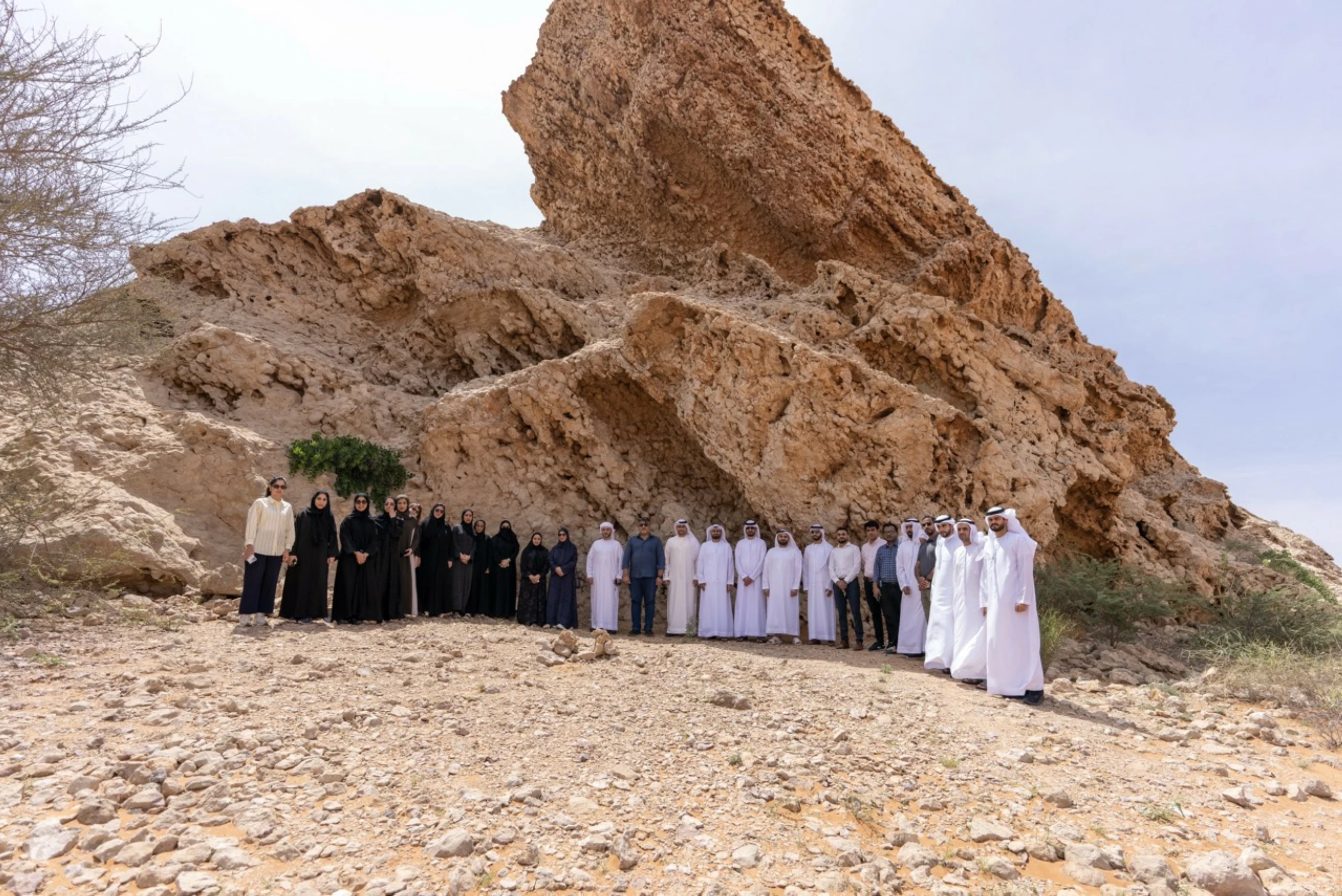
Managing a World Heritage Property requires continuous coordination across multiple sectors. Earlier this year, Sharjah Archaeology Authority (SAA) brought together representatives from planning, infrastructure, tourism, environmental and heritage organisations for a specialised three-day workshop focused on the future management of Faya.
The programme combined technical discussions, collaborative planning sessions and field visits to develop an updated executive action plan balancing conservation priorities, visitor access, infrastructure development and long-term site management.