Iran threatens to halt all energy exports from Middle East over US blockade as oil prices rise
- Last updated: July 15, 2026 | 11:52


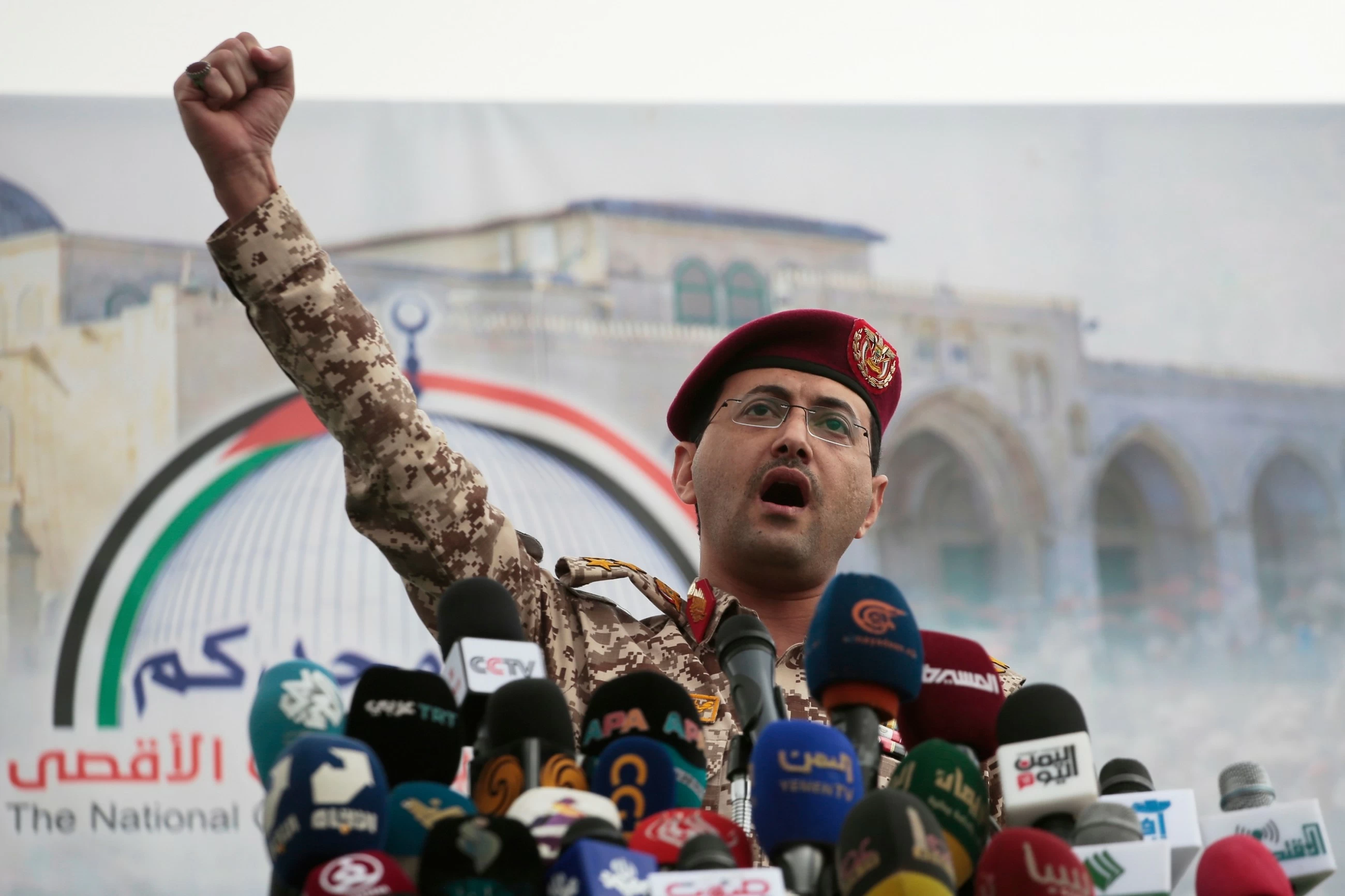
Oil extended gains by around 1% on Wednesday as President Donald Trump reimposed a naval blockade on all Iranian ports and Iran's Islamic Revolutionary Guard Corps threatened to close "all other export corridors that benefit the US and its allies".
The Revolutionary Guard threatened to halt all energy exports from the Middle East over the blockade.
"The export of oil and gas from the region will be either for everyone or for no one," it said.
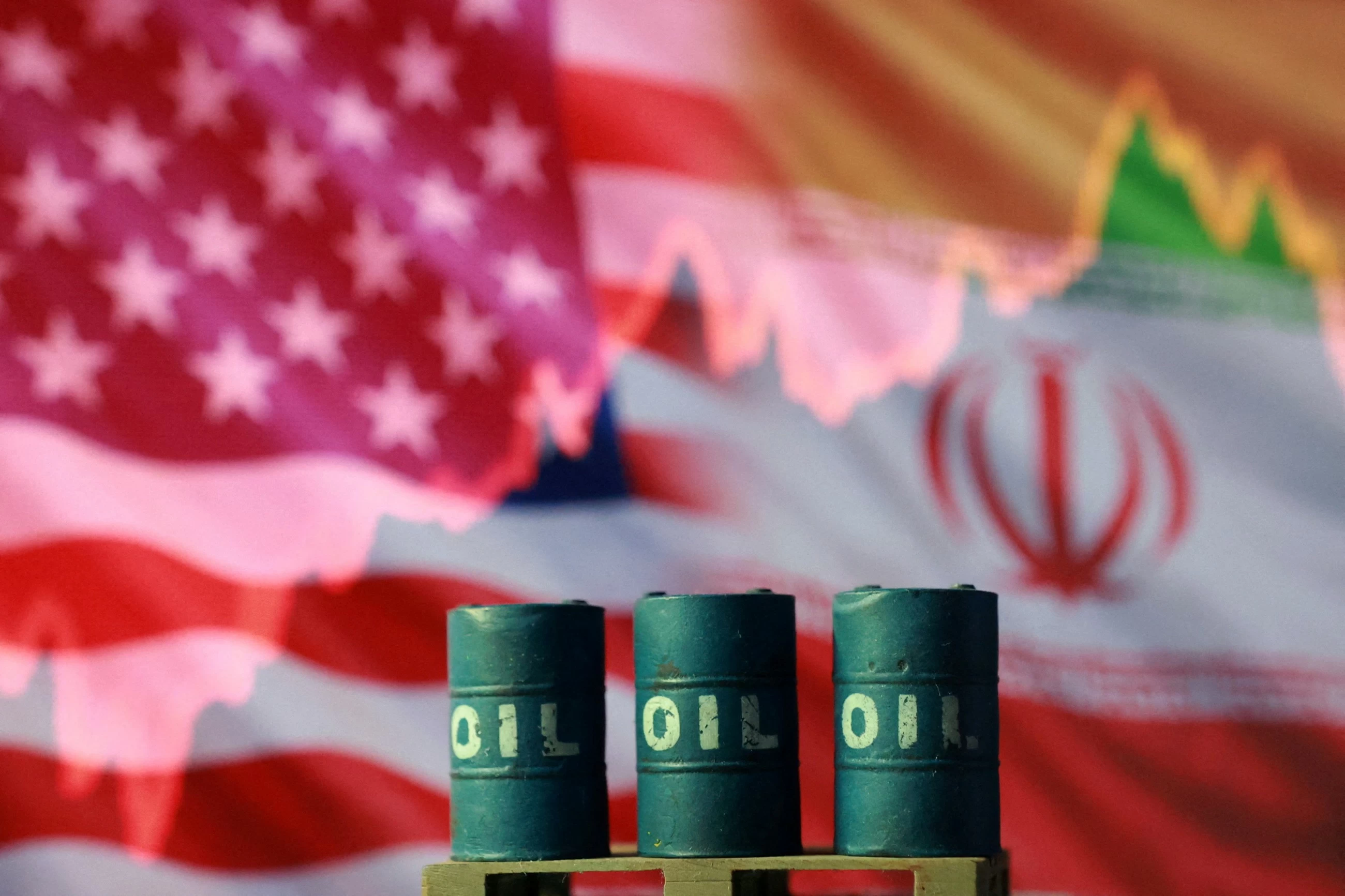
Brent futures gained 69 cents, or 0.8%, to $85.42 a barrel at 0950 GMT. West Texas Intermediate futures rose 73 cents, or 0.9%, to $80.07 a barrel.
Oil prices settled up 2% at a one-month high on Tuesday as attacks exacerbated a supply disruption in the Strait of Hormuz, through which about a fifth of the world's oil and liquefied natural gas passed prior to the beginning of the Iran war.
"Regional energy exports are either shared by all, or denied to all," Iran's Islamic Revolutionary Guard Corps said in a statement carried by Iran's IRNA state news agency on Wednesday.
Analysts have said Iran has been signalling it may use its Houthi allies in Yemen to shut the Bab el-Mandeb gateway to the Red Sea, opening a new front against Washington and putting two of the world's most vital energy arteries at risk.
Hostilities between Iran and the US reignited last week, fraying an already fragile truce reached in June after several months of fighting.
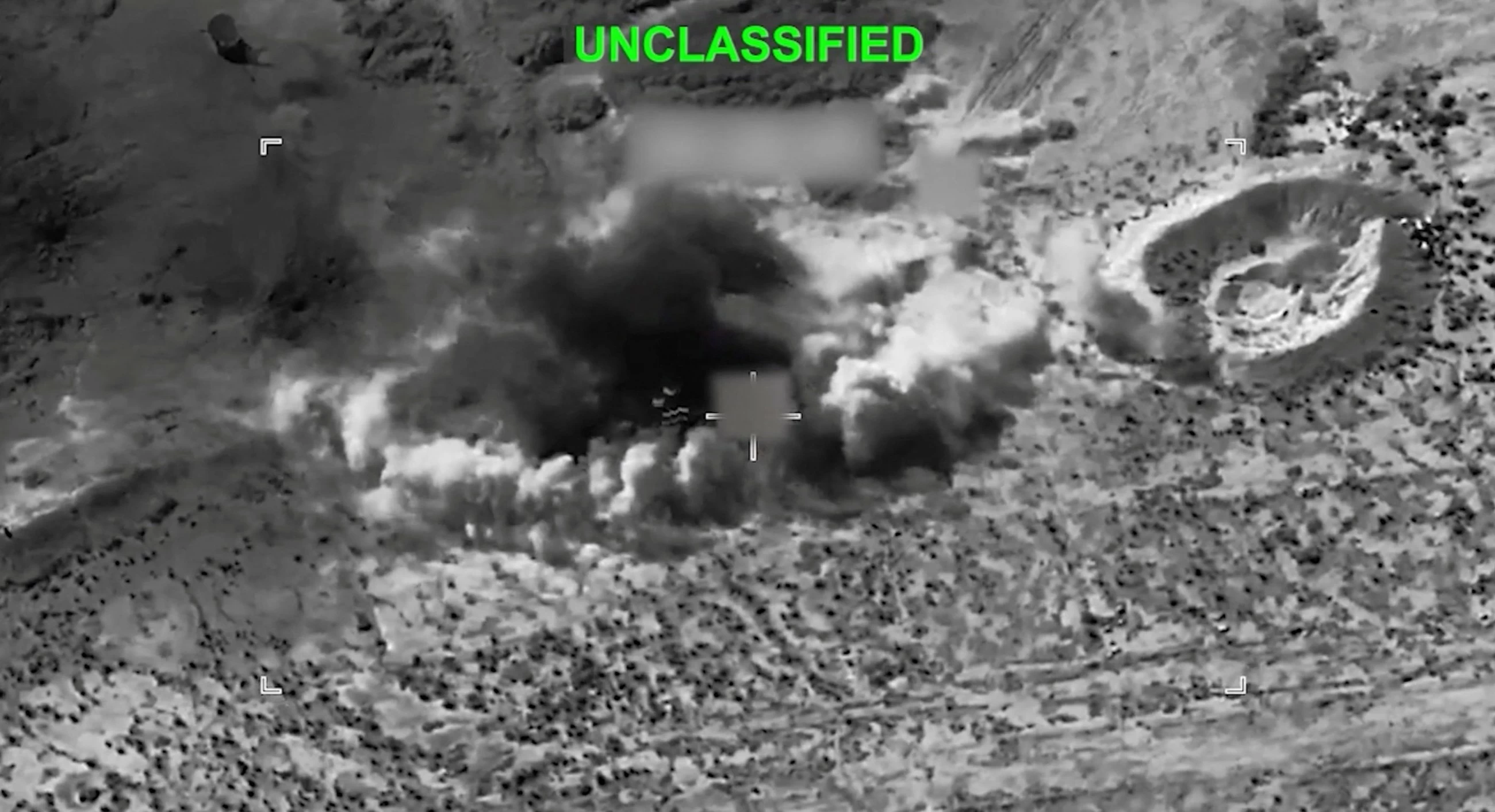
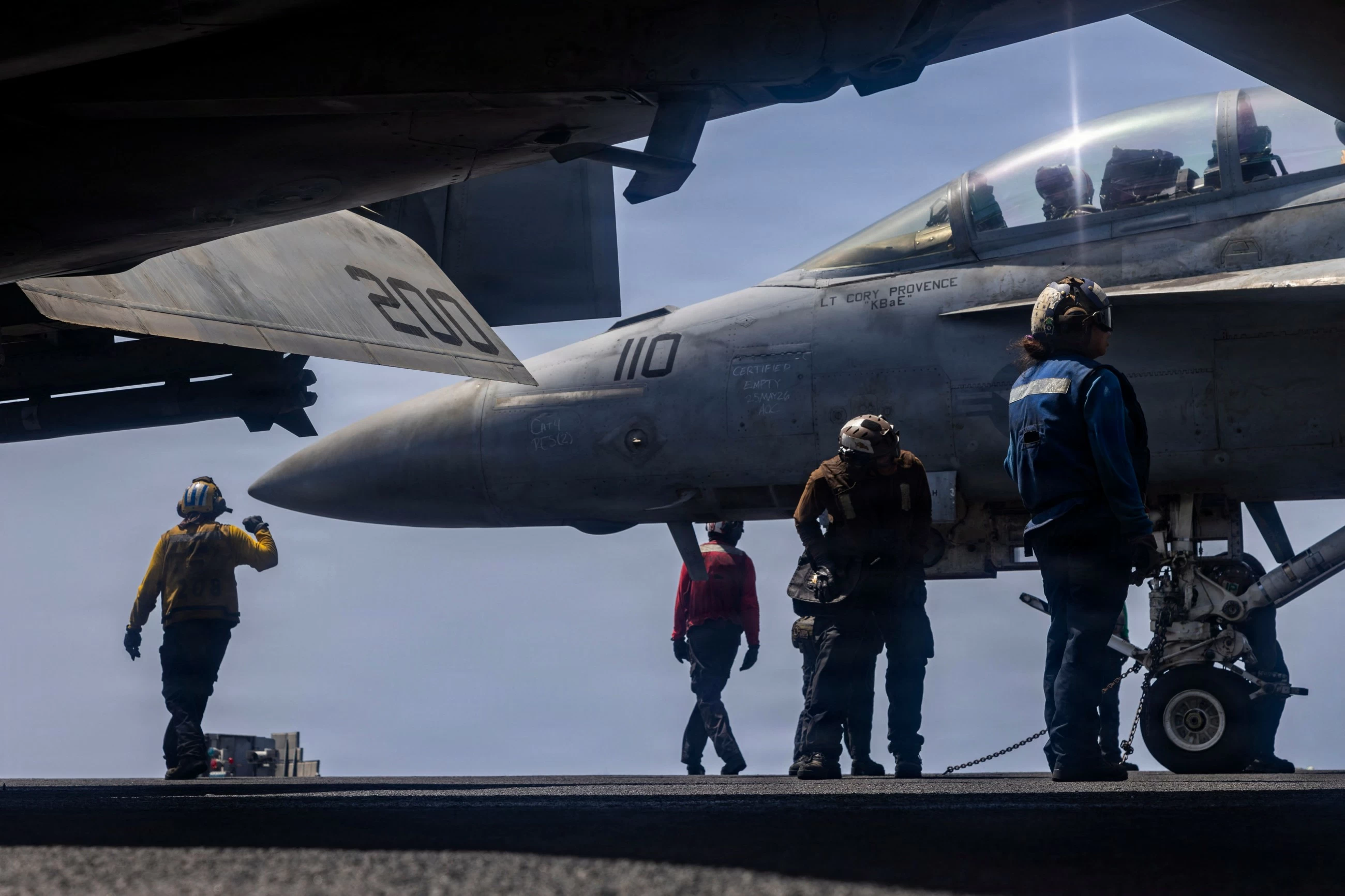
Early on Wednesday, the US began a fresh round of strikes to continue degrading Iranian capabilities used to attack commercial shipping in the Strait of Hormuz, the US military said.
"I'll save the energy targets for last, but ultimately we'll hit energy targets," Trump told Fox News in an interview aired on Tuesday night on "Special Report with Bret Baier".
"The US naval blockade of ships coming/going to Iranian ports is tightening the oil market, considering that Iranian crude exports were around 1.5 million to 2 million barrels per day in the last two weeks," said UBS analyst Giovanni Staunovo.
Goldman Sachs estimated in a note that Gulf exports recovered to more than 80% of pre-war levels after the US-Iran memorandum of understanding in June but slipped back below 50%, or about 11 million bpd, over the last week.
The bank said Brent could exceed $110 in the fourth quarter this year if Gulf export recovery continues to stall.
Still, investors are cautious to apply too much of a premium on oil prices, given the back-and-forth headlines.
"This is just all part of the war games," said Saxo Bank head of commodity strategy Ole Hansen. "And the market has learned to adopt a little bit of a sanguine approach to some of these big announcements, simply in the sense that they often do not actually materialise."
Iran's army said early on Wednesday that it had launched drone attacks against US positions at Jordan's Azraq base. There was no immediate comment from the Pentagon.
Meanwhile, Iran's Islamic Revolutionary Guard Corps said it targeted weapons and storage facilities in Bahrain and Kuwait. Reuters could not immediately verify the reports.
Agencies