Iran widens attacks on US bases in Gulf, Hormuz tensions lift oil prices
- Last updated: July 13, 2026 | 14:48


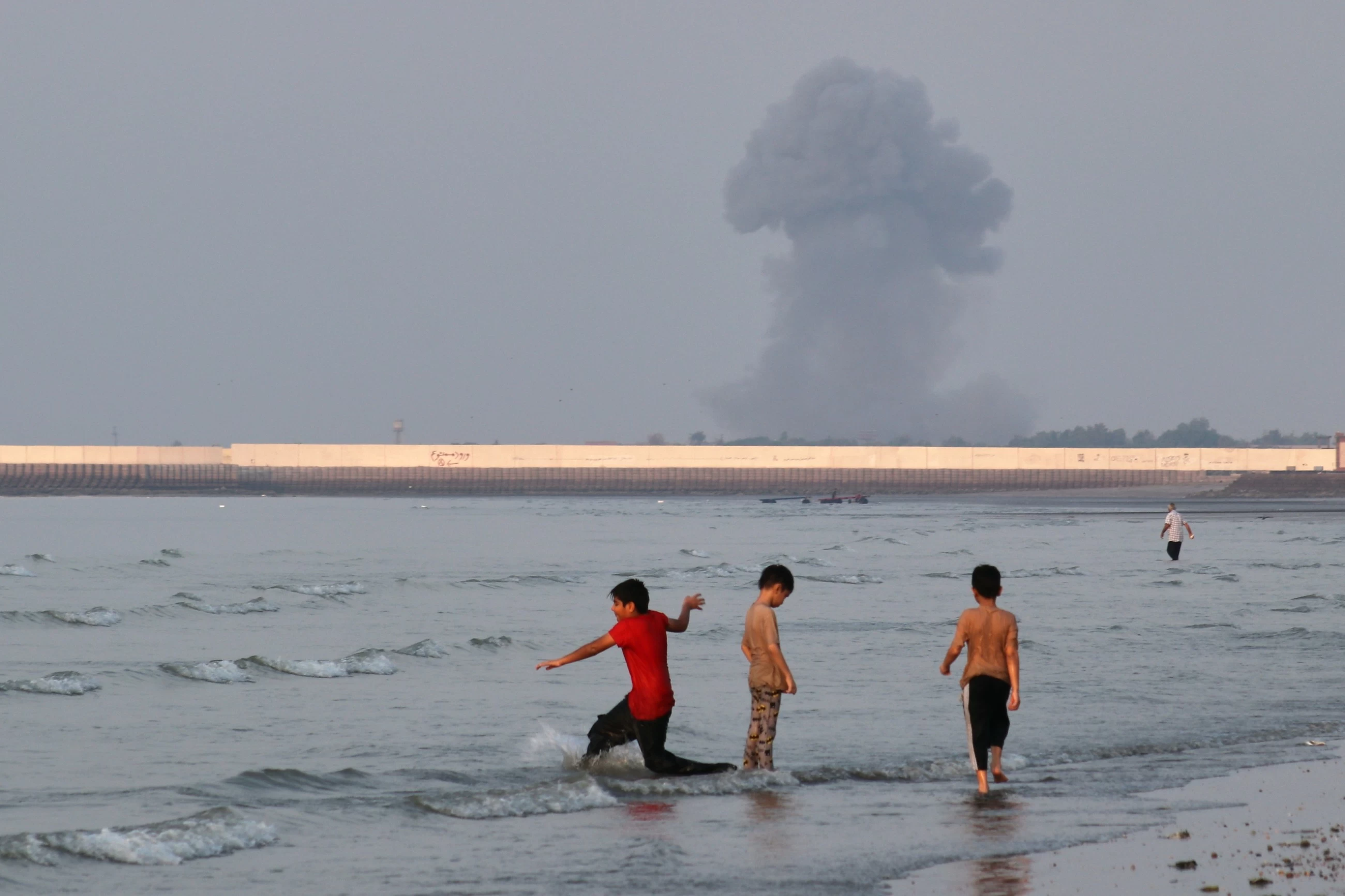
US and Iranian forces exchanged heavy missile and drone attacks over the weekend and into Monday, with Tehran striking US facilities across the Gulf and saying it had again closed the Strait of Hormuz, sending oil prices higher.
Iran's Revolutionary Guards said on Monday they had targeted US military facilities in Bahrain and Kuwait, destroyed radar systems in Oman, and hit fuel tanks and ammunition depots at Prince Hassan Air Base in Jordan in response to US strikes.
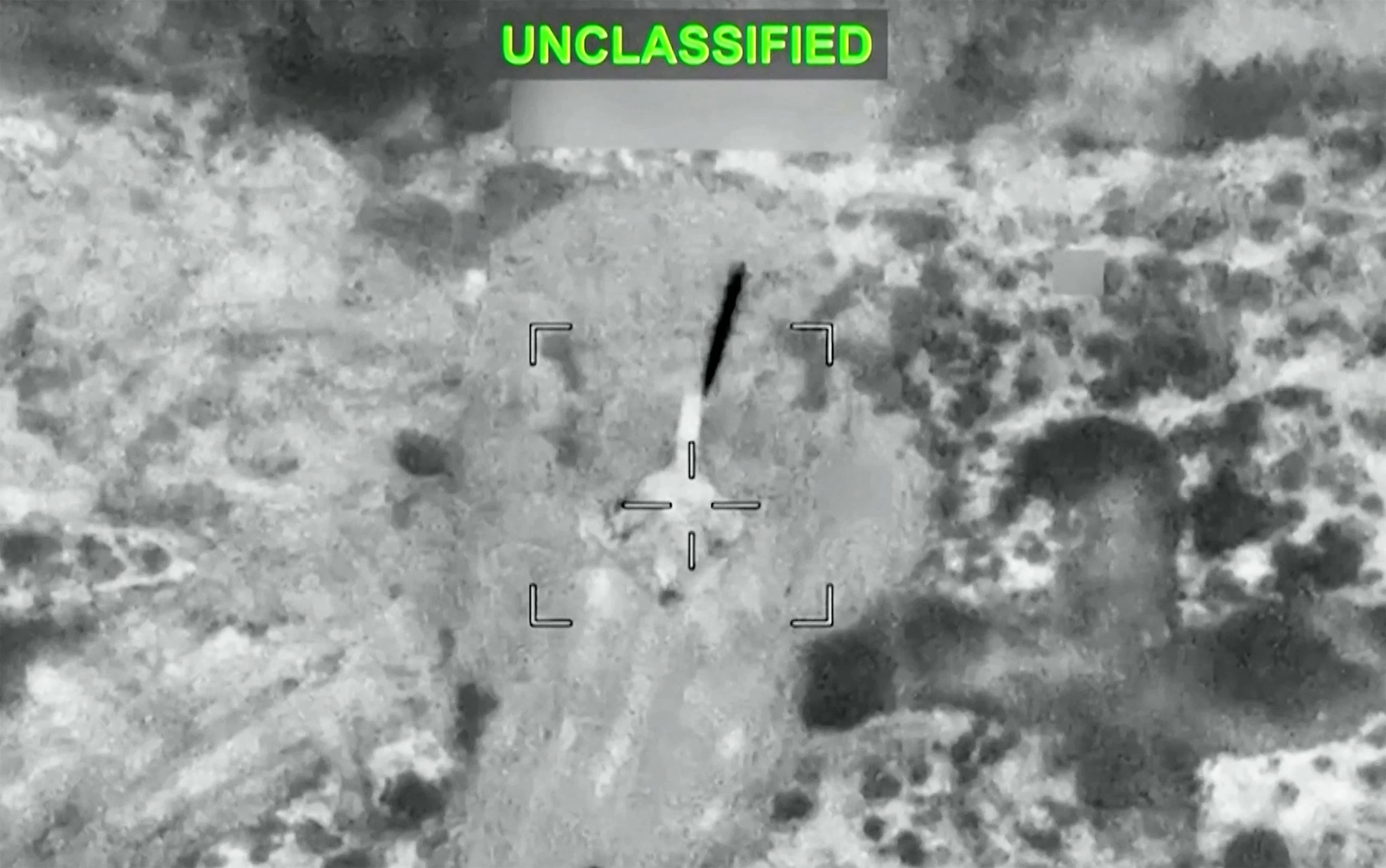
The US military said it had struck Iranian air defence systems, coastal radar sites, missile and drone capabilities and small boats on Sunday, using aircraft, naval vessels and drones.
The exchanges were an escalation in the pace and geographic scope of attacks over the past week, casting doubt on an interim US-Iranian agreement signed last month to reopen the strait and end the war after a further 60 days of negotiations.
In a brief phone interview with Reuters on Sunday, US President Donald Trump referred to the weekend's strikes on Iran. "We're beating them up," he said.
Trump has said he considers the ceasefire over, while leaving the door open to further talks.
Iran's top negotiator, Mohammad Baqer Qalibaf, struck a similarly defiant tone, posting on X on Sunday: "The era of one-sided deals is OVER. We told you: keep your word or pay the price. Reality is knocking."
The war launched by the United States and Israel against Iran on February 28 has destabilised the Gulf, and spread across the region, with Iran attacking US bases in multiple countries. Thousands of people have been killed, mainly in Iran and Lebanon.
Tehran's effective blockade of the Strait of Hormuz has driven energy prices higher and fuelled inflation concerns worldwide.
Oil prices jump
The Revolutionary Guards said in a statement on Monday that the only way to restore regular shipping traffic through the strait was to end US military interventions in the waterway, and warned that "continued interference could lead to greater incidents in the global oil and gas sector."
Iran is seeking to establish a joint mechanism with Oman to manage traffic through the strait, Foreign Ministry spokesperson Esmaeil Baghaei said on Monday, adding that US pressure on Oman had hindered those discussions.
Brent crude rose more than 3% on Monday, although it remained well below peaks reached earlier in the conflict.
Higher energy prices, especially for gasoline, are politically sensitive for Trump ahead of November's congressional elections.
Strait dispute escalates
The dispute over the Strait of Hormuz has become a central front in the conflict.
Iran has sought to establish a permanent fee and permit system for vessels using the waterway, which before the war carried about one-fifth of global oil and liquefied natural gas shipments.
After announcing the waterway's closure on Saturday following what it described as an unauthorised transit, Tehran said on Sunday that passage remained suspended and that permits would be issued once "stability and calm" were restored.
The US, which revoked a licence waiving sanctions on Iranian crude sales last week after earlier attacks on shipping, said its forces were positioned to safeguard freedom of navigation despite what it called "aggression, harassment, threats, and arbitrary declarations" from Iran.
"Iran does not control the strait. Traffic is flowing," it said.
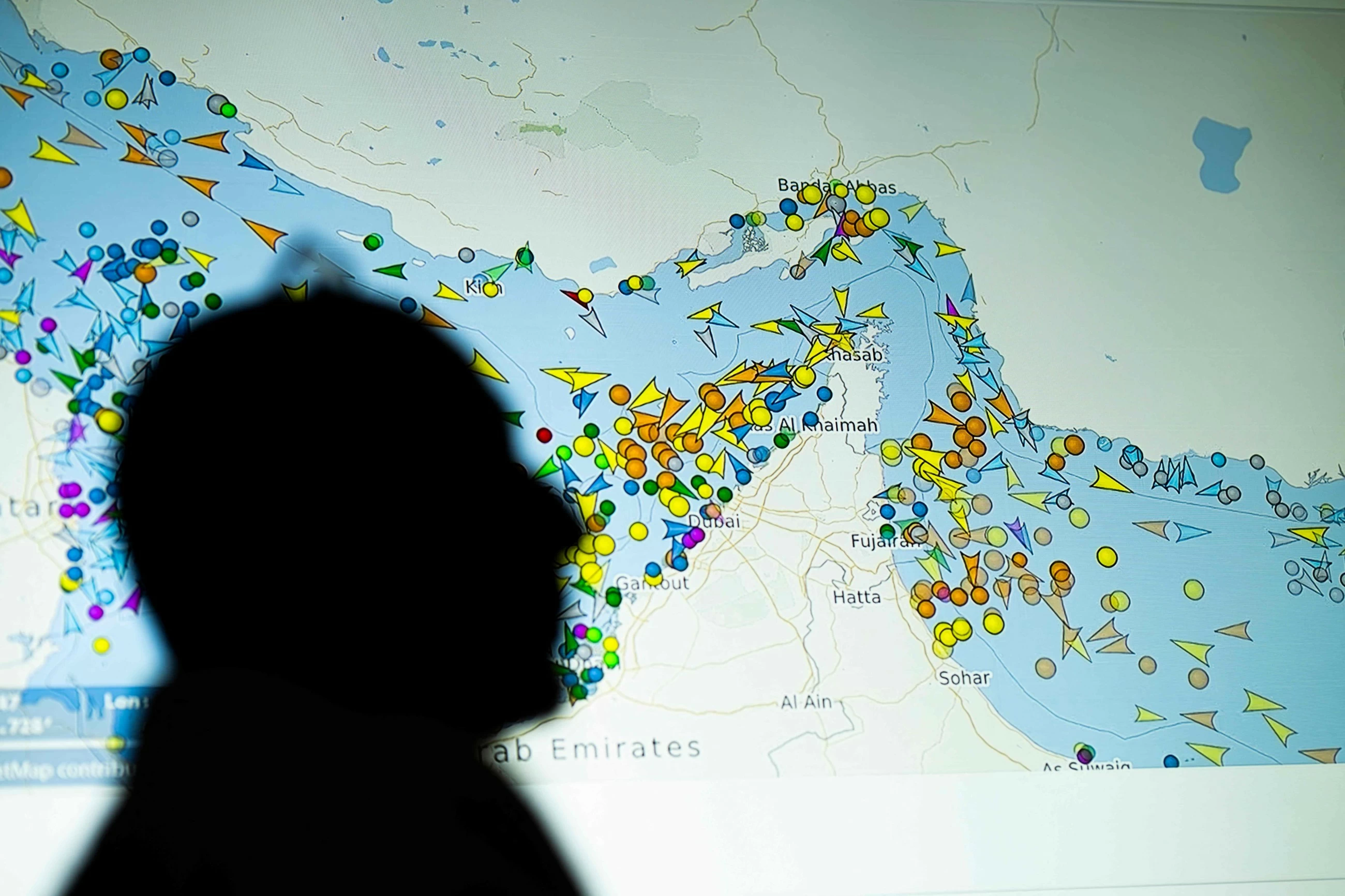
US officials said around 20 vessels had been escorted through the strait in the previous 24 hours, though ship-tracking sites showed little traffic moving.
The US Navy-led Joint Maritime Information Center reiterated guidance that, despite a severe security threat, an "expanded" southern route near Oman remained available for two-way traffic.
On Saturday, US Central Command said US forces had hit 140 Iranian military targets, and that more than 300 had been struck over three nights this week "to degrade Iran's ability to attack civilian mariners and commercial vessels freely transiting the strait."
Iran's Revolutionary Guards said at the weekend they had destroyed a command-and-control centre and drone hangars in US ally Jordan, targeted a US radar site and later rocket launcher systems in Kuwait, attacked US aircraft carrier support and refuelling platforms in Oman and destroyed a jet maintenance centre and command facility in Qatar.
Reuters