Bahrain condemns Iranian drone attack on its territory
- Last updated: June 27, 2026 | 15:00


Bahrain has strongly condemned the Iranian drone attack targeting its territory early on Saturday, denouncing it as a flagrant violation of its sovereignty and a threat to the safety of its citizens and residents, according to WAM.
Iran launched a drone assault targeting Bahrain while a ship in the Strait of Hormuz separately came under attack on Saturday, possibly Tehran's response to overnight airstrikes by the United States, the Associated Press reported.
In a statement, Bahrain's Ministry of Foreign Affairs said the attack constituted a flagrant violation of the Kingdom's sovereignty, a blatant threat to the security of Bahraini citizens and residents, and a clear breach of international norms and conventions prohibiting attacks on civilian objects and the terrorising of civilians.
The ministry said Iran's continued attacks, at a time when regional and international efforts are focused on de-escalation, place sole responsibility on Tehran for undermining peace efforts and reflect a policy of destabilising regional security, exporting chaos and undermining stability, the WAM report adds.
It also referred to United Nations Security Council Resolution 2817 (2026), submitted by Bahrain on behalf of the Gulf Cooperation Council (GCC) member states and Jordan and backed by 136 countries, describing it as a broad expression of international consensus.
The ministry said Tehran's continued attacks constitute a direct challenge to that international consensus after it had committed, under the Islamabad Memorandum of Understanding, to a permanent cessation of military operations and respect for the sovereignty of countries in the region.
The ministry reaffirmed Bahrain's legitimate right to defend its sovereignty, security and stability in accordance with international law, and called on the United Nations Security Council to fulfil its responsibilities by ensuring the implementation of the resolution and holding the aggressor accountable, the WAM report says.
The US had launched its airstrikes in response to an Iranian drone attack on a ship trying to get out of the strait on Thursday, continuing a string of attacks that have shaken the uneasy ceasefire in the war, according to AP.
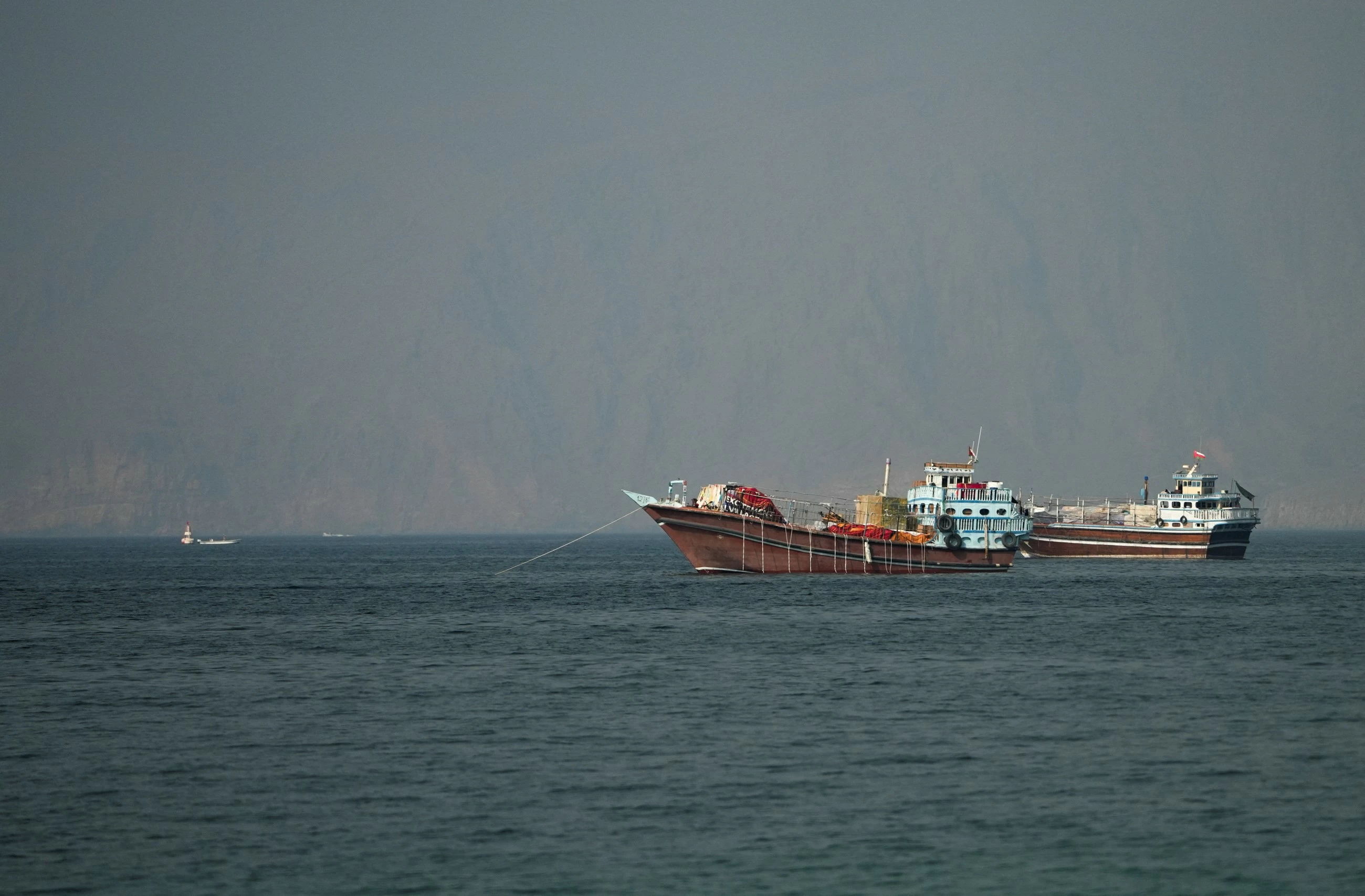
Meanwhile, a multinational maritime body overseen by the US Navy said on Saturday that it would expand a route near Oman in the strait to allow for both inbound and outbound traffic – likely setting up a new flashpoint with Tehran.
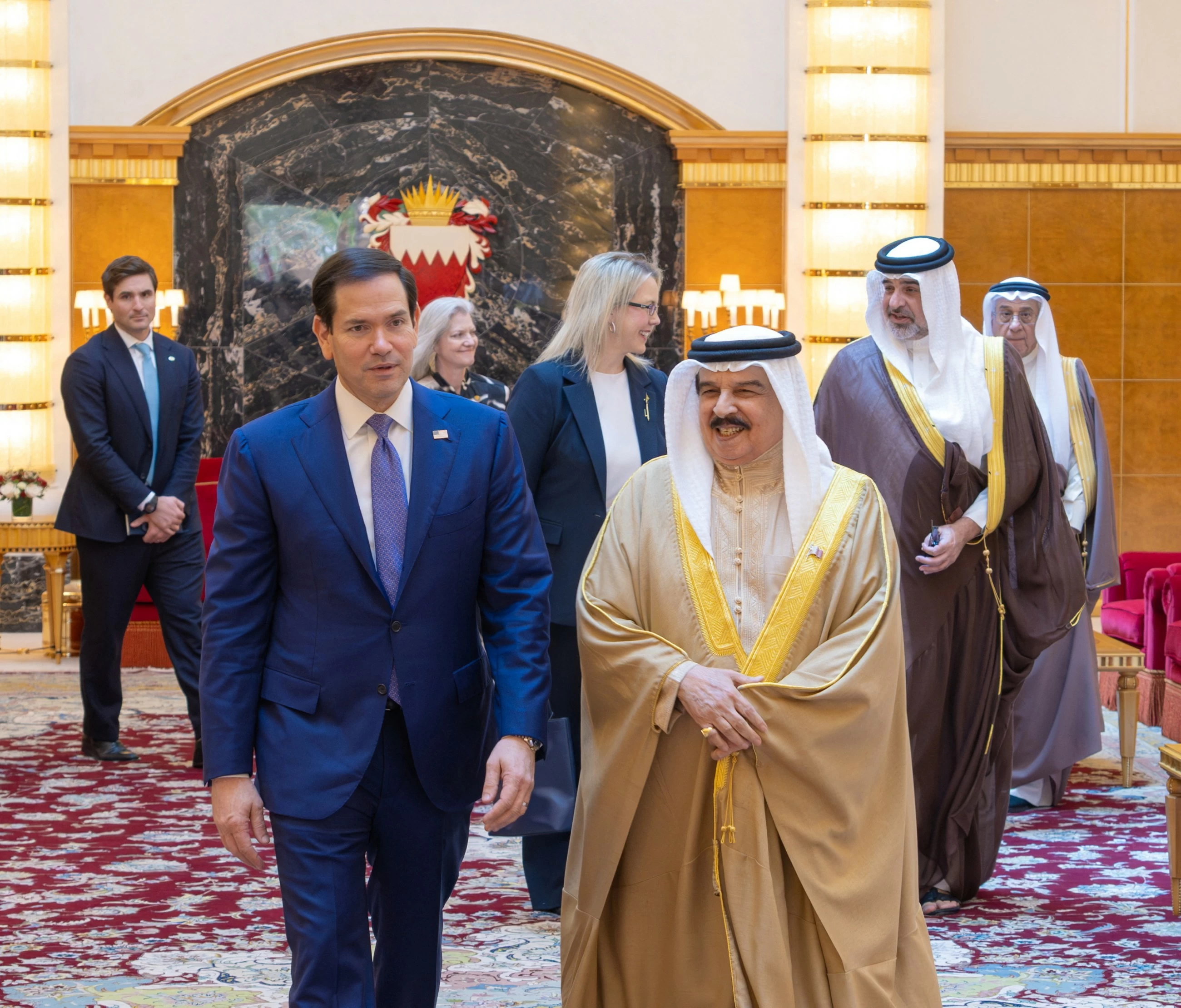
Bahrain just hosted US Secretary of State Marco Rubio for a meeting of the Gulf Cooperation Council’s foreign ministers, which ended with a call for an end to Iran’s attacks and the strait to be completely open.
A statement from Bahrain’s Foreign Ministry said a "number of Iranian drones” targeted the country. It called the attack "a flagrant threat to the security of citizens and residents.”
Iran’s paramilitary Revolutionary Guard earlier on Saturday issued a statement carried by the state-run IRNA news agency saying it had targeted several locations "of the US terrorist army in the region.”
It did not name what areas were targeted.
The US military's Central Command said the military struck Iranian missile and drone locations and coastal radar sites in the overnight strikes.
US Vice President JD Vance, who has led the American negotiations with Iran, said on social media on Friday night that Iran should "pick up the phone” if there are disagreements about the ceasefire agreement.
"But violence will be met with violence,” Vance said.
The US and Iran are still negotiating terms of the deal, including issues such as getting ships through the key strait and addressing the future of Iran’s stockpile of highly enriched uranium. Under the interim deal, the two sides have 60 days to work out the details.
Tanker attacked
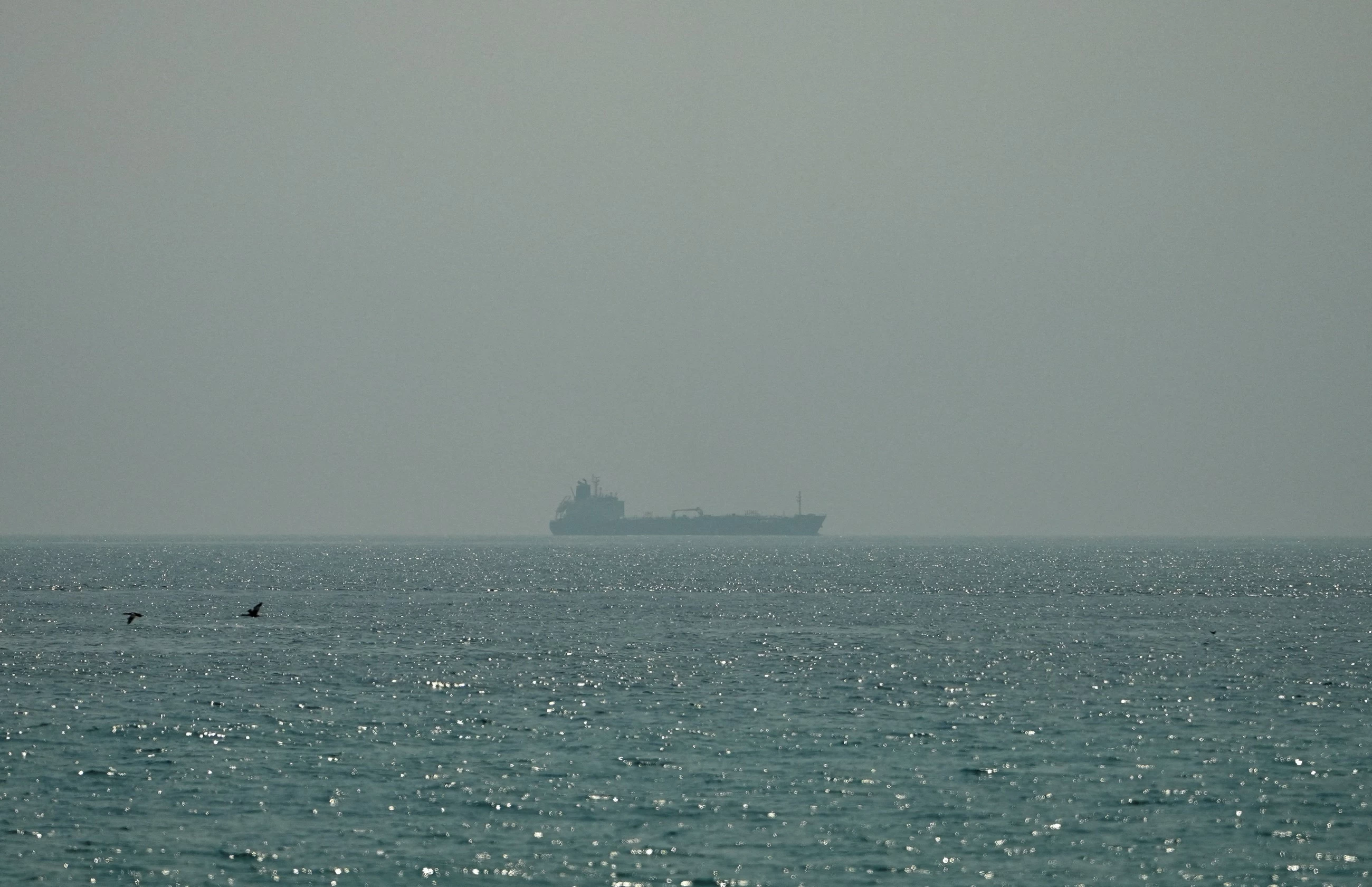
Meanwhile, the British military’s United Kingdom Maritime Trade Operations centre said that a tanker was attacked on Saturday in the strait, saying the crew was safe and no environmental damage was reported. No one immediately claimed the strike, but suspicion immediately fell on Iran.
Just after the report of the ship attack, the Joint Maritime Information Center, overseen by the US Navy, said the route near Oman’s shores is expanding to allow for both inbound and outbound traffic.
Iran has insisted ships must obey its orders and is warning it will start charging fees for transit through the strait, through which a fifth of all oil and natural gas once passed. However, ships have been increasingly trying to get out of the Gulf in recent days, to Iran's ire.
Ebrahim Azizi, who heads the Iranian parliament’s national security commission, wrote on Friday that "the Strait of Hormuz is governed by Iran, so: Respect the rules.”
The US and Gulf Arab states have rejected Iran’s demands. The strait is considered around the world as an international waterway, despite being the territorial waters of Iran and Oman.
In its announcement, the Joint Maritime Information Center warned that the threat in the region to ships was "substantial.”
"Mariners are advised of the existence of mines and should expect a naval presence as clearance operations continue,” it said.
Associated Press