Pilgrims 'stone the devil' in final ritual at Hajj gripped by intense heat
- Last updated: May 27, 2026 | 17:46


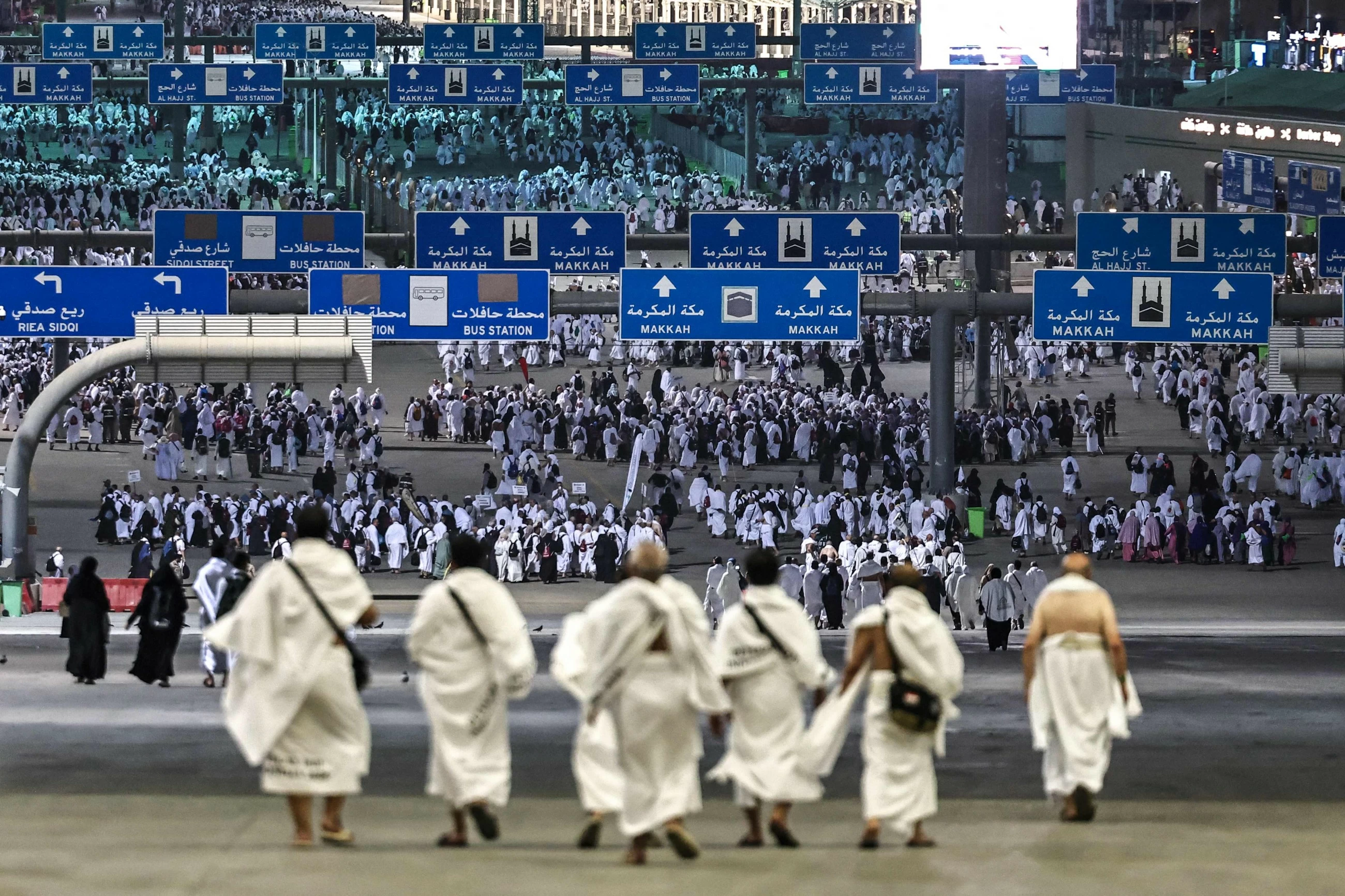
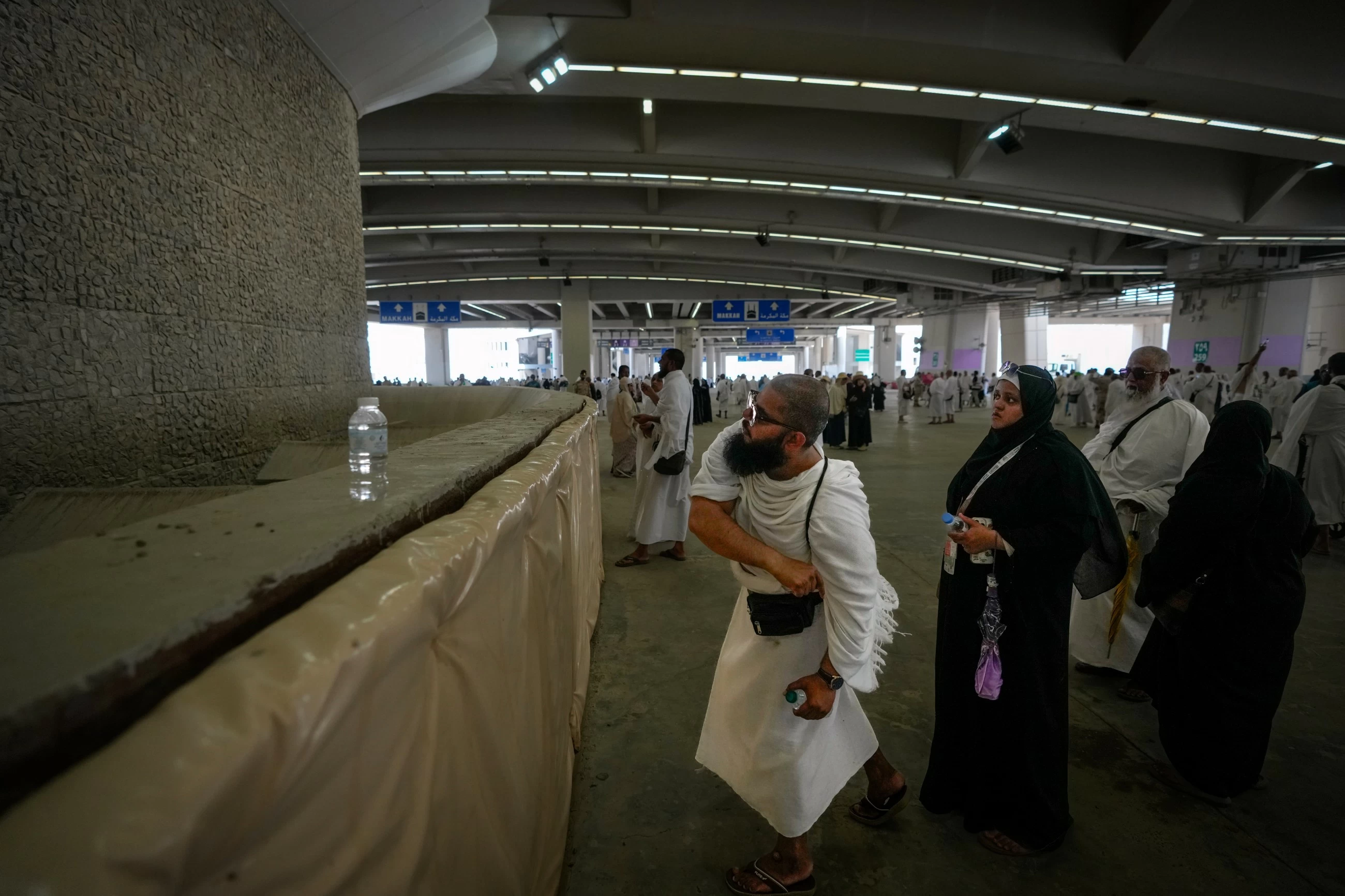
Muslim faithful ritually stoned the devil on Wednesday in the climactic ceremony of a Hajj pilgrimage held in intense heat.
From dawn, crowds of pilgrims gathered in the valley of Mina, southeast of the holy city of Mecca in Saudi Arabia, to throw pebbles at concrete pillars symbolising the devil.
It reenacts the Prophet Abraham's stoning of the devil at three places where Satan is said to have tried to dissuade him from obeying God's command to sacrifice his son Ishmael.
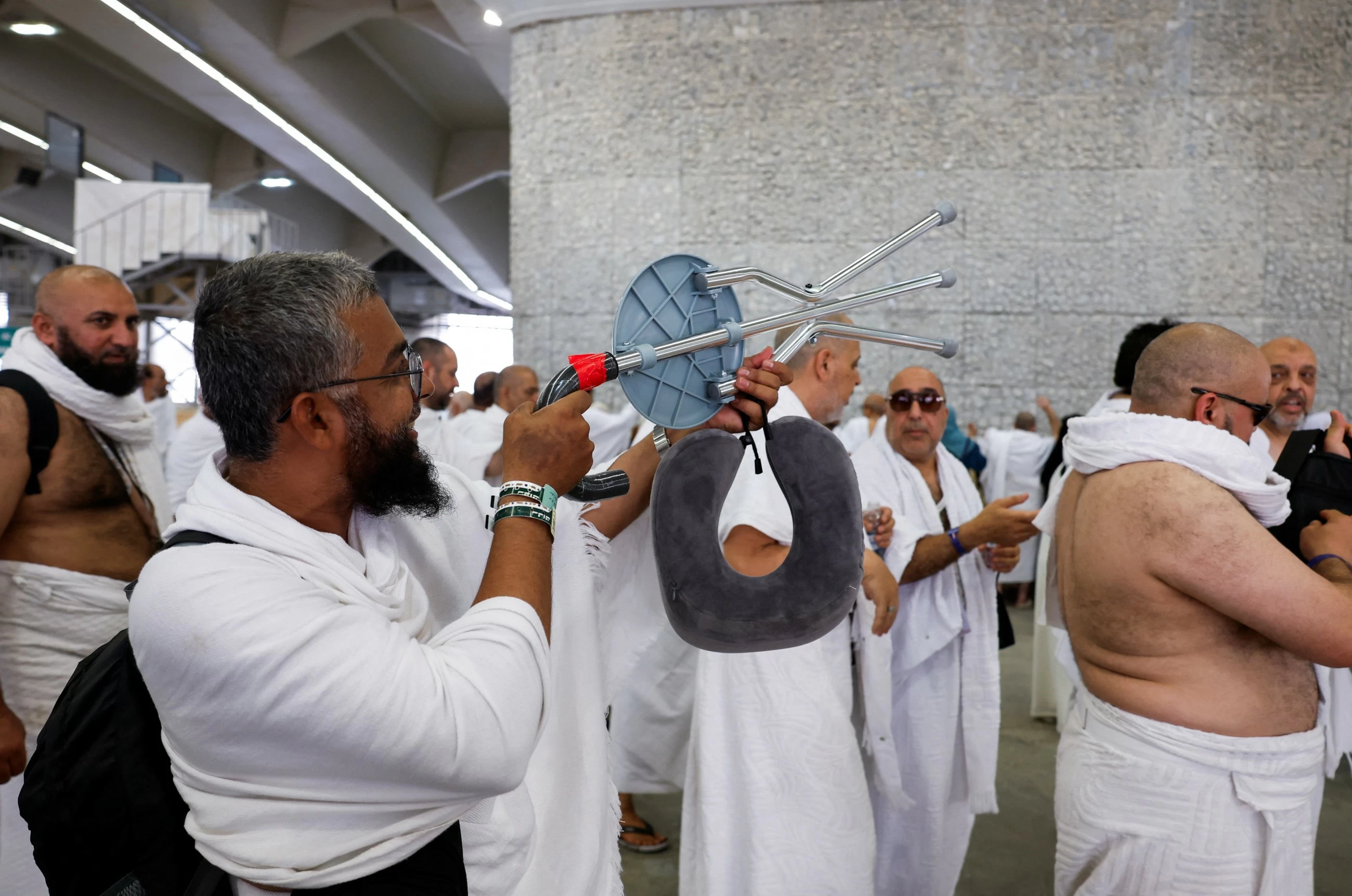
The white-robed pilgrims have been contending with searing desert heat as they perform the days-long, mostly outdoor rituals, with temperatures reaching 44˚C in the Holy City of Makkah and Mina on Wednesday.
1.7 million pilgrims perform 1447 AH Hajj
More than 1.7 million people are taking part in the Hajj this year, slightly up from 2025 despite the Middle East war.
The General Authority for Statistics (GASTAT) of Saudi Arabia announced that the total number of pilgrims for the 1447 AH Hajj season reached 1,707,301, with international pilgrims arriving through various entry points making up 1,546,655, while domestic pilgrims, comprising citizens and residents, reached 160,646.
According to GASTAT statistical results for the 2026 Hajj season, the total headcount of domestic and international pilgrims comprised 893,396 male pilgrims and 813,905 female pilgrims.
Regarding statistics on international pilgrims, GASTAT outlined that 1,485,729 arrived through air entry points, 54,429 arrived through road entry points, and 6,497 arrived through sea entry points.
GASTAT relied on the Ministry of Interior's administrative records as its primary source for the 2026 Hajj season, utilising a unified, register-based model adopted over the past six years to ensure highly accurate and reliable statistical data.
'Extreme hardship'
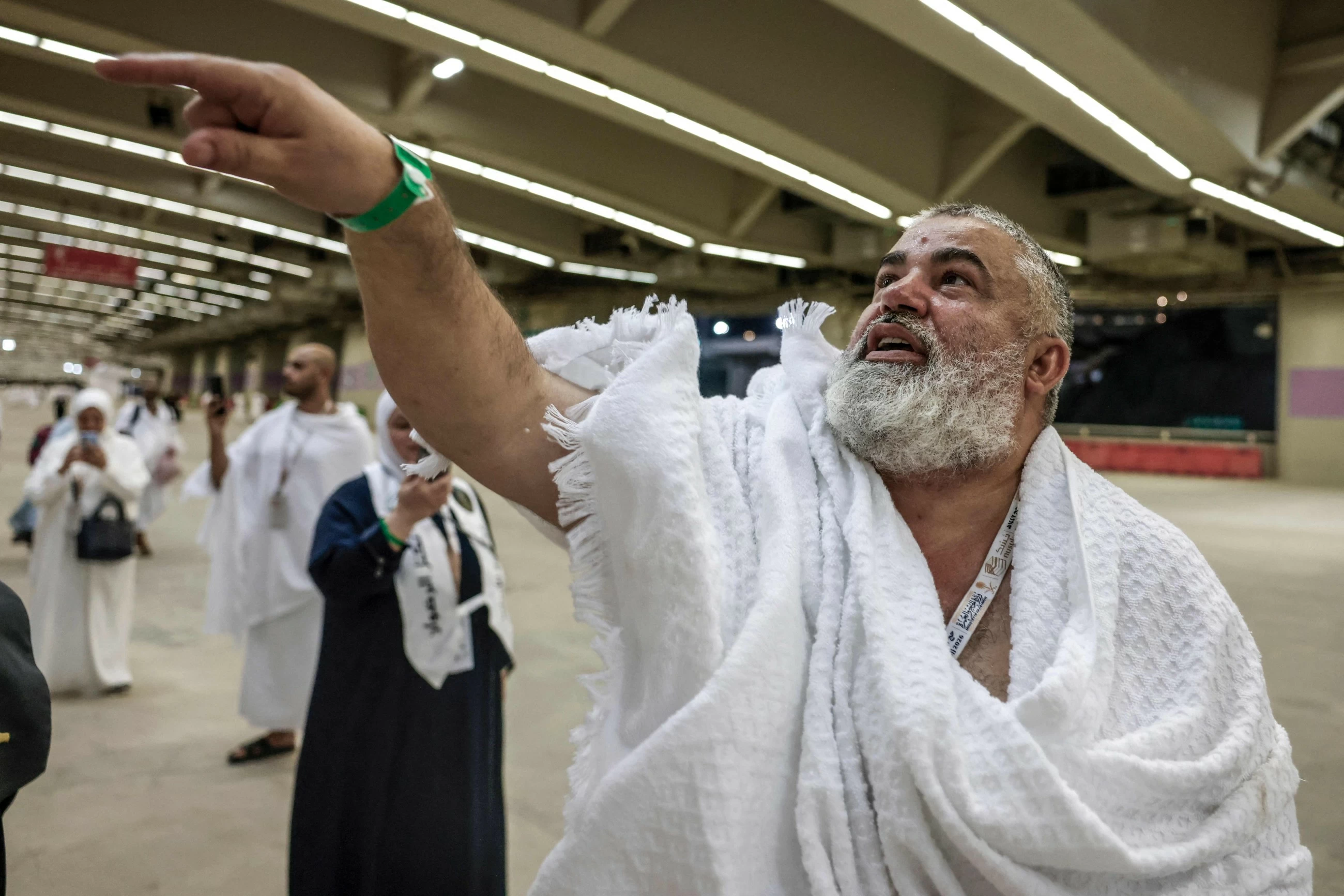
Despite the physical challenges, many were overjoyed to complete the pilgrimage, which is one of the five pillars of Islam and must be performed at least once by all Muslims with the means to do so.
"I can't believe I've finished the Hajj rituals," Iraqi pilgrim Adnan Hamad, 58, told AFP, as his daughters in white robes, or abayas, looked on. "Every step was enjoyable despite the extreme hardship."
Marwa Dahchouri, from Egypt, called the devil-stoning "a truly unique feeling." "It's as if you were in paradise, or as if you've become a small part of it," she said.
On Tuesday, pilgrims prayed atop Mount Arafat, where the Holy Prophet Mohammad (PBUH) is believed to have delivered his last sermon.
They then spent the night under the stars at Muzdalifah, halfway between Arafat and Mina, where they collected pebbles for the stoning.
After this ceremony, the pilgrims return to the Holy City of Makkah for a last circumambulation of the Holy Kaaba, the cuboid building at the heart of the Grand Mosque towards which Muslims turn when they pray.
The Hajj's last day is also the start of Eid Al Adha, the festival celebrating Hazrat Abraham's (PBUH) willingness to sacrifice his son before the angel Gabriel intervened and offered him a goat in Ishmael's place.
The festival, celebrated across the Muslim world, is usually marked with the slaughter of a sheep, with some of the meat given to the needy.
WAM / Agence France-Presse