US launches fresh strikes on Iran amid peace talks
- Last updated: May 26, 2026 | 12:42


US forces on Monday conducted strikes in southern Iran against targets including boats attempting to lay mines and missile launch sites, in what it described as defensive actions.
The strikes came as Iran's top negotiator and its foreign minister were in Doha for talks with Qatar's prime minister on a potential deal with the US to end the three-month-old war, an official briefed on the visit said on Monday, after Washington and Tehran played down hopes for an imminent breakthrough.
US Secretary of State Marco Rubio told reporters in New Delhi earlier that the US would give diplomacy every chance to succeed before considering whether to deal with Iran in "another way".
There was a "pretty solid thing on the table in terms of their ability to open up the strait (of Hormuz), get the strait open, enter into a very real, significant, time-limited negotiation on the nuclear matter, and hopefully we can pull it off," Rubio said.
In a lengthy post on Truth Social on Monday, US President Donald Trump said talks with Iran were going "nicely", but warned of fresh attacks if they failed. It "will only be a Great Deal for all, or no Deal at all," he wrote.
Hours later, US Central Command said in a statement it had carried out fresh strikes designed "to protect our troops from threats posed by Iranian forces."
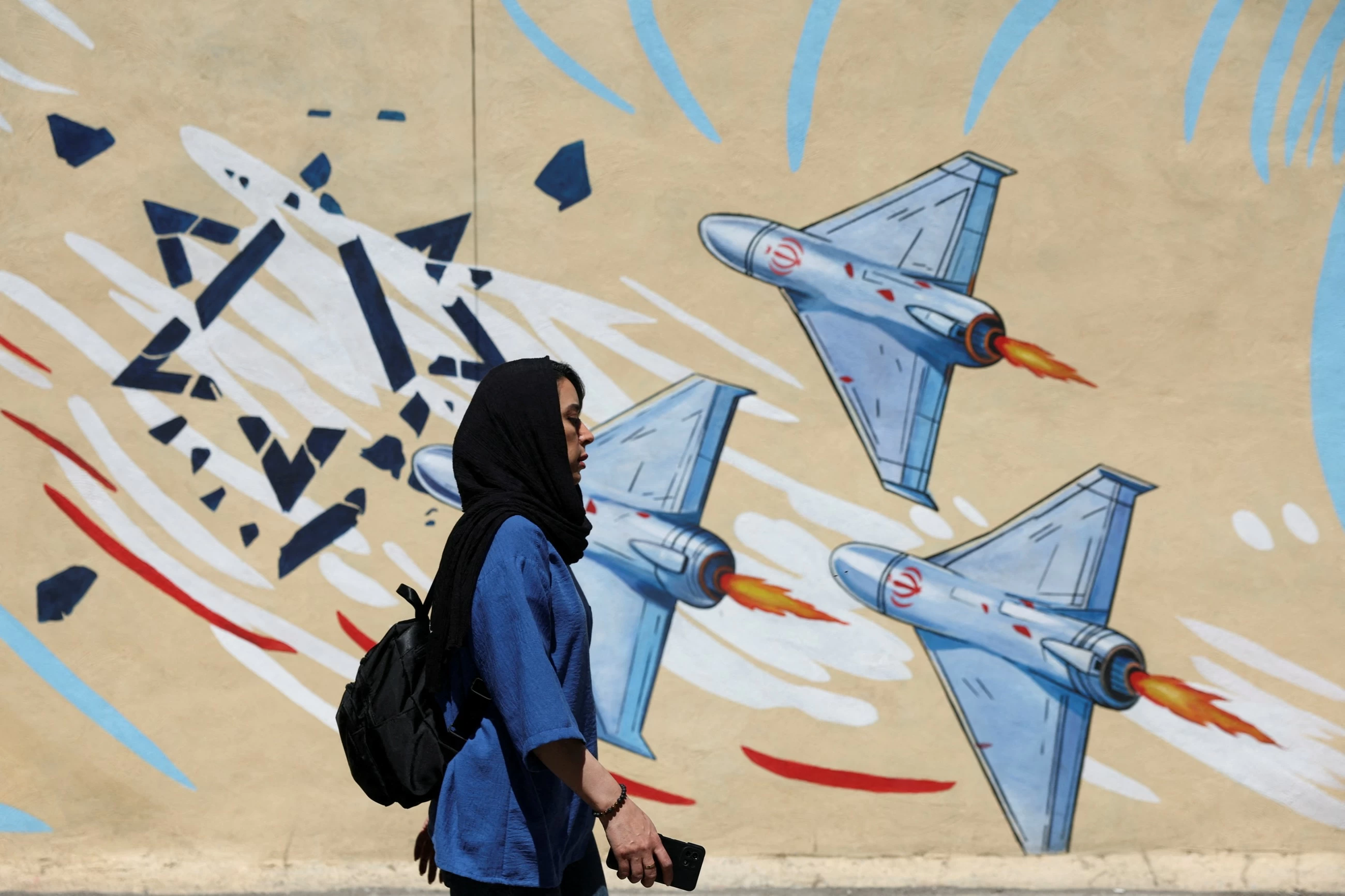
"US Central Command continues to defend our forces while using restraint during the ongoing ceasefire," said Navy Captain Tim Hawkins, a Central Command spokesperson.
Also on Monday, Iran said it had downed a "hostile" stealth drone using a new air defence system, Iranian news agencies reported, without saying where it had come from.
Iran sticking points
Baghaei said the potential Iran deal contained no specific details on management of the Strait of Hormuz, through which about a fifth of the world's oil and liquefied natural gas usually flows.
Iran will not charge tolls for ships to pass through but there will be a cost for services offered such as navigation and steps to protect the environment, he said, under a protocol to be agreed with Oman, which lies on the opposite shore of the waterway.
Citing a Middle East diplomatic source, Japan's Nikkei newspaper reported the US and Iran were discussing a plan to open the strait about 30 days after reaching a deal to end hostilities.
Iran would then clear mines from the strait during a 30-day window, after which ships from all countries could navigate freely and safely, Nikkei reported. Since the US and Israel launched strikes on Iran on February 28, only a few dozen vessels have been passing through the Strait of Hormuz compared with 125 to 140 daily previously.
Iran's state TV said on Monday that 32 vessels and five oil tankers passed through the strait in the past 24 hours with the authorisation of Iran's Revolutionary Guards naval forces. The standoff has caused a spike in oil prices and driven up the costs of fuel, fertiliser and food. On Monday, oil prices fell more than 4% to two-week lows amid optimism that a deal might come soon.