VIDEO: Pilgrims begin Hajj in sweltering heat
- Last updated: May 25, 2026 | 11:16


The annual Hajj pilgrimage, one of the Five Pillars of Islam, officially began on Monday.
More than 1.5 million pilgrims have arrived in Saudi Arabia from outside the country, Saleh Bin Saad Al-Murabba, commander of the Hajj passport forces, said on Friday. The faithful have been pouring into the country for the Hajj against the backdrop of a tenuous ceasefire in the Iran war and related regional tensions and uncertainty.
Egyptian pilgrim Samya Abdul Moneim said she was grateful to God that she made it to the Hajj, which is required once in a lifetime of every Muslim who can afford it and is physically able to make it.
"I am in a state of blessing and happiness,” she said in Mecca on Sunday. "It’s an indescribable feeling, truly. I mean, thank God, I am in a blessing.”
Typically on the first day, many pilgrims in Makkah converge on a vast tent camp in the nearby desert. Ahead of that, pilgrims have been circling the cube-shaped Kaaba in the Grand Mosque in sweltering temperatures. For pilgrims, Hajj can be a deeply moving spiritual experience and a chance to seek God’s forgiveness and the erasure of past sins. Pilgrims perform the Hajj rituals over several days.
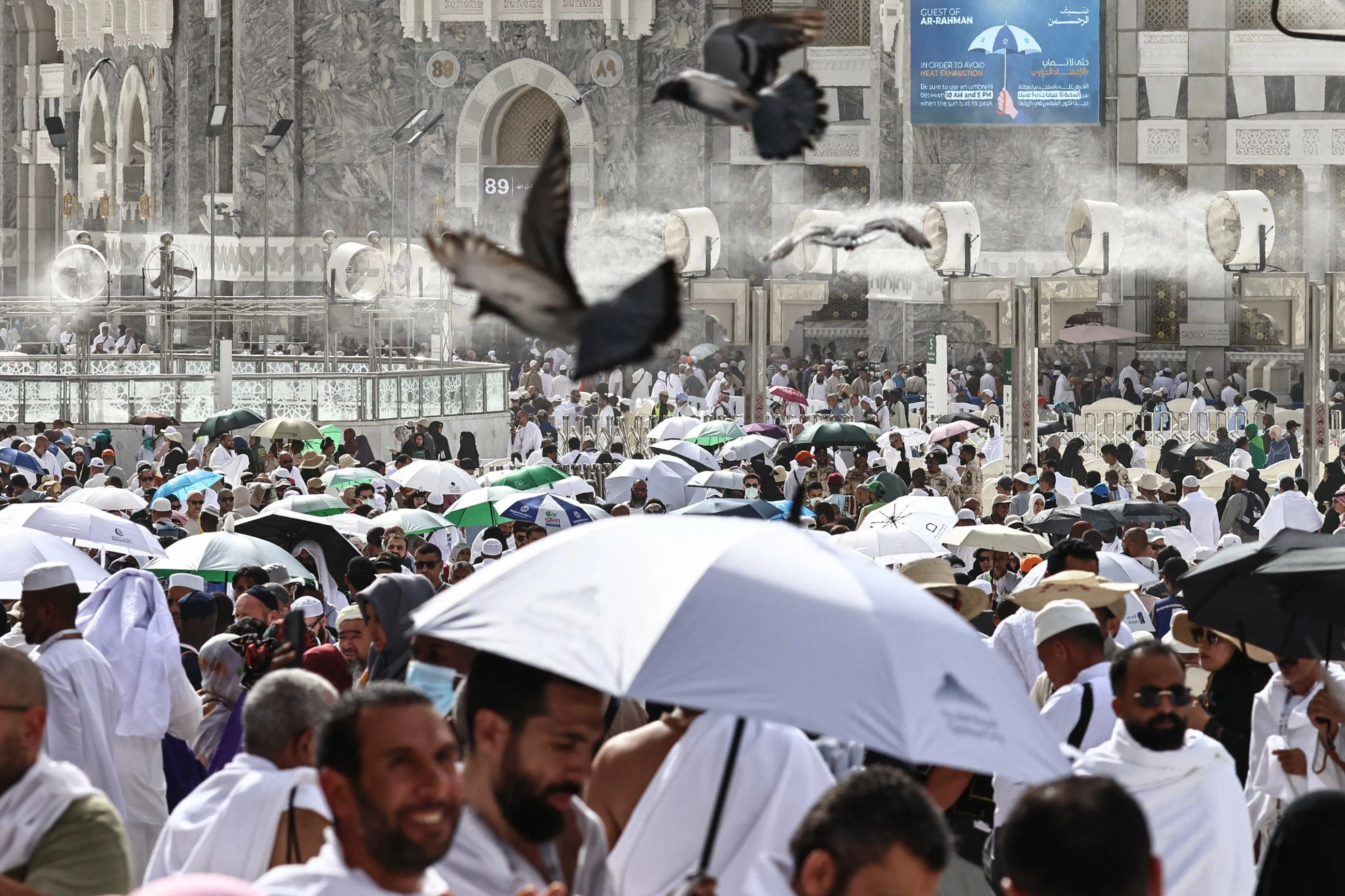
Some spend many years hoping and praying to one day perform the Hajj or saving up money and waiting for a permit to embark on the trip.
As they brave the intense heat to perform religious rituals, many pilgrims have been using umbrellas for shade and carrying handheld fans. Volunteers hand out water bottles to help them stay hydrated and large fans spray fine mists of water.
Ahead of the trip for Hajj, some have said they were leaning on their faith as they embark on the journey amid the tensions and that they were feeling immense gratitude for the opportunity to go.
Hajj brings together large numbers of Muslims of diverse races, ethnicities, languages and economic classes, creating a sense of unity for many.
In India, home to a large Muslim minority, pilgrimage planning has proceeded largely as normal, but high fuel prices have pushed up travel costs for pilgrims.
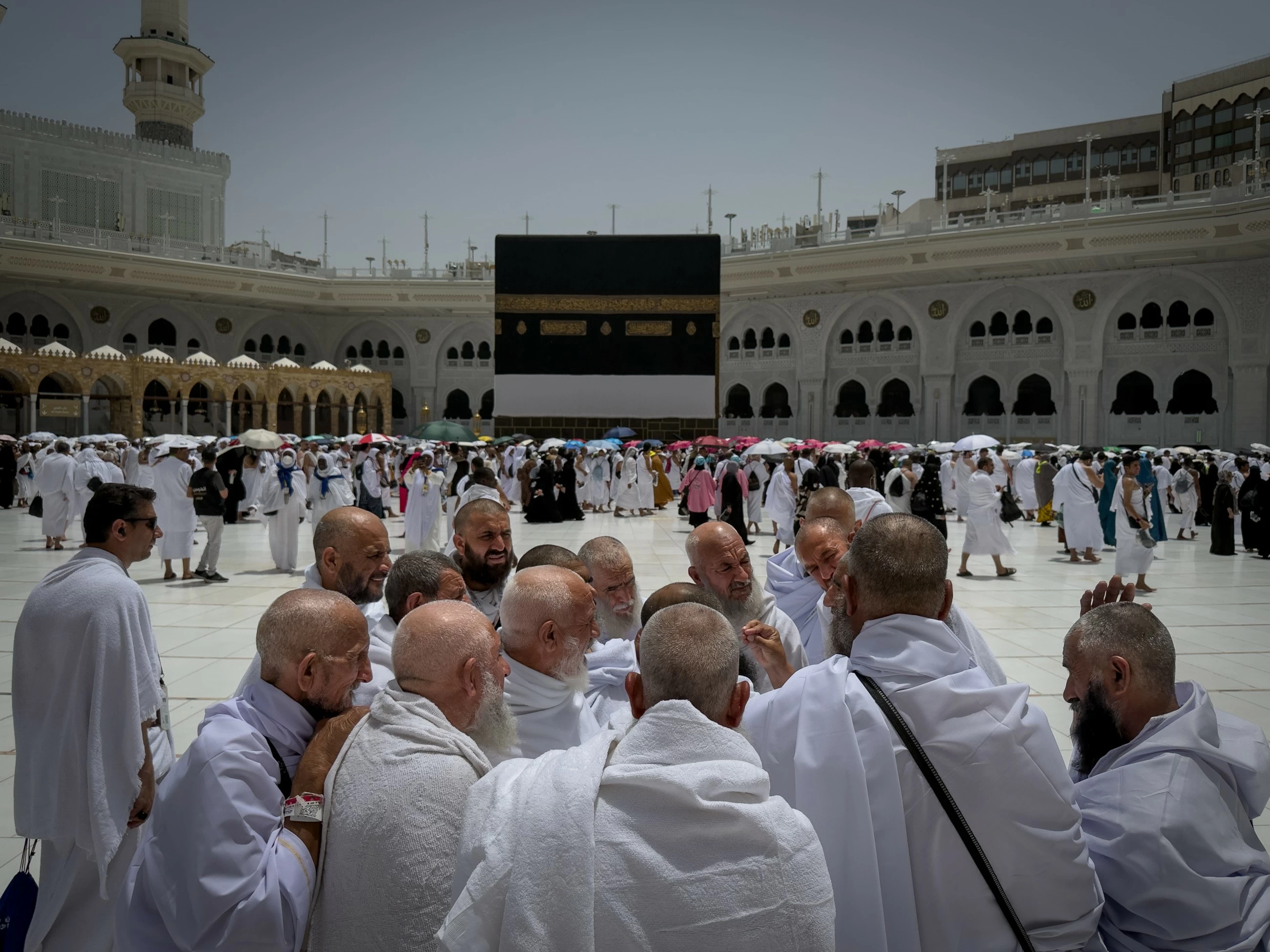
In Saudi Arabia, pilgrims have been doing the ritual circuit around the Kaaba since arriving in Makkah over recent days. Pilgrims who make their way to Mina will camp in the vast tent city and pray and worship.
On Tuesday, in what is considered the pinnacle of the pilgrimage, the pilgrims will stand on the plain of Arafat, where they praise God, plead for forgiveness and make supplications. Many carry prayer requests from loved ones and raise their hands in worship with tears streaming down their faces.
Associated Press