Iran offers to end chokehold on Strait of Hormuz, asks US to end blockade
- Last updated: April 27, 2026 | 14:10


Iran is offering to end its chokehold on the Strait of Hormuz without addressing its nuclear programme, two regional officials with knowledge of the proposal said on Monday, as the country's foreign minister made a visit to Russia he said was an opportunity to consult with Moscow regarding the war against Israel and the United States.
Iran also wants the US to end its blockade of the country as part of its proposal, said the two officials, who spoke on condition of anonymity to discuss the closed-door negotiations.
The new proposal, passed to the United States by Pakistan, likely won't be supported by US President Donald Trump, who wants to end Iran's atomic programme as part of an overall deal to reopen the Strait of Hormuz and make the ceasefire permanent.
"We have all the cards. If they want to talk, they can come to us, or they can call us," Trump said Sunday to Fox News Channel.
The Axios news outlet first reported Iran's proposal.
Iran's state-run IRNA news agency said Foreign Minister Abbas Araghchi landed in St. Petersburg on Monday morning ahead of a meeting with Russian President Vladimir Putin. His trip over the weekend has included two stops in Pakistan and a visit to Oman, which shares the strait with Iran.
Araghchi's visit comes as a standoff between Iran and the US in the crucial Strait of Hormuz persists despite a ceasefire, keeping oil prices high.
"It is a good opportunity for us to consult with our Russian friends about the developments that have occurred in relation to the war during this period and what is happening now," Araghchi said in a video interview posted by IRNA.
Pakistan has been seeking to revive stalled talks between Iran and the US, and negotiations had been expected in Islamabad over the weekend. But US President Donald Trump has suggested the talks could take place by phone instead.
Araghchi said it was America's approach that "caused the negotiations to be delayed."
"The previous one, despite the progress that had been made, could not achieve its goals," he said, blaming what he called Washington's "excessive demands."
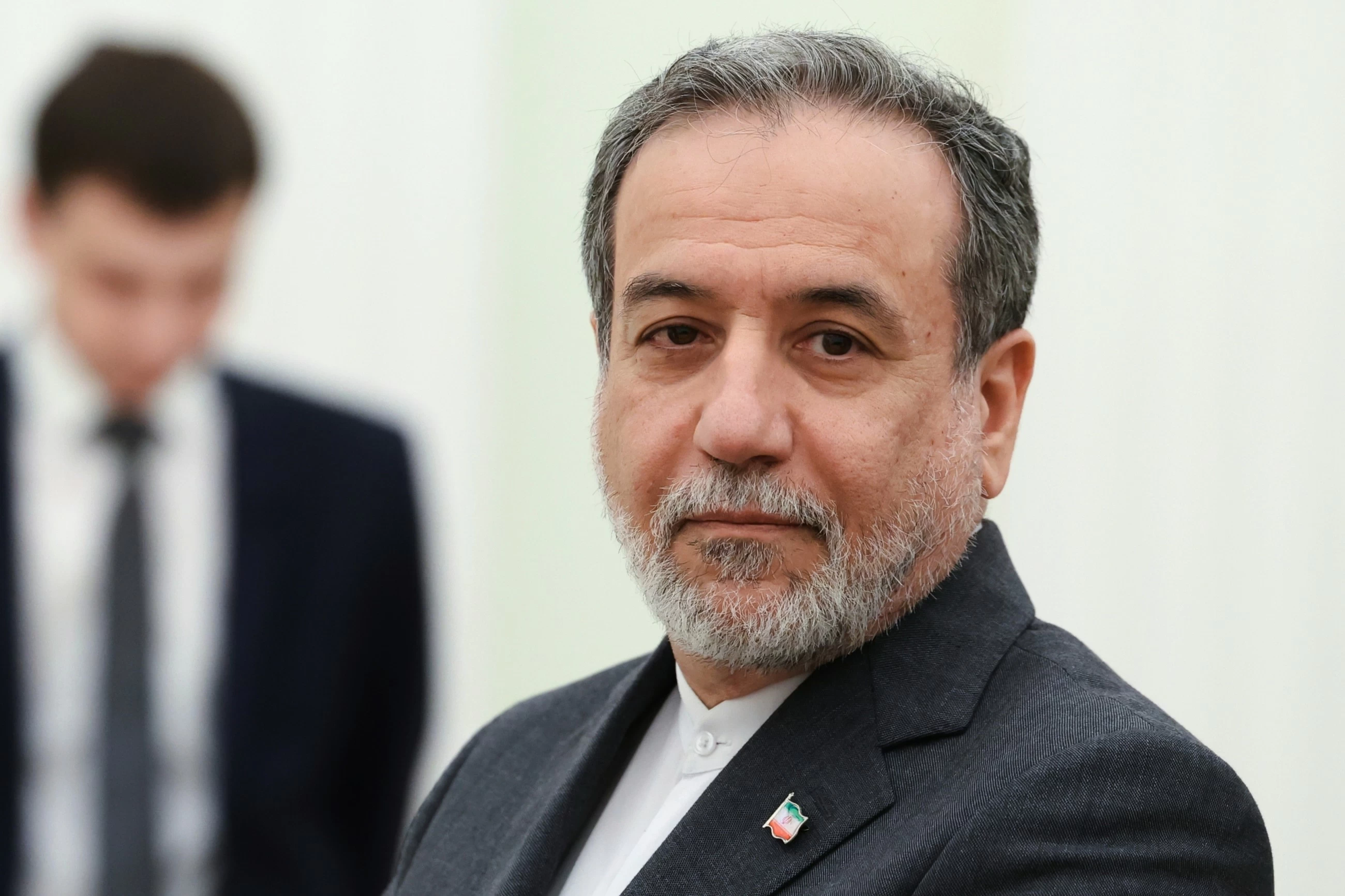
Trump has questioned who is in charge in Iran at the moment and said confusion within its theocracy made it difficult to reach a deal.
The White House last week said it would dispatch envoys Steve Witkoff and Jared Kushner to Islamabad to follow up on historic face-to-face talks earlier this month. But Araghchi left the Pakistani capital on Saturday, and shortly afterward Trump said he had called off the mission because of a lack of progress with Iran.
"If they want, we can talk but we're not sending people," Trump told Fox News on Sunday. He said earlier on social media: "All they have to do is call!!!"
Araghchi later returned to Islamabad, and also visited Oman's capital of Muscat before heading to Russia. He also spoke by phone with counterparts in Qatar and Saudi Arabia on Sunday.
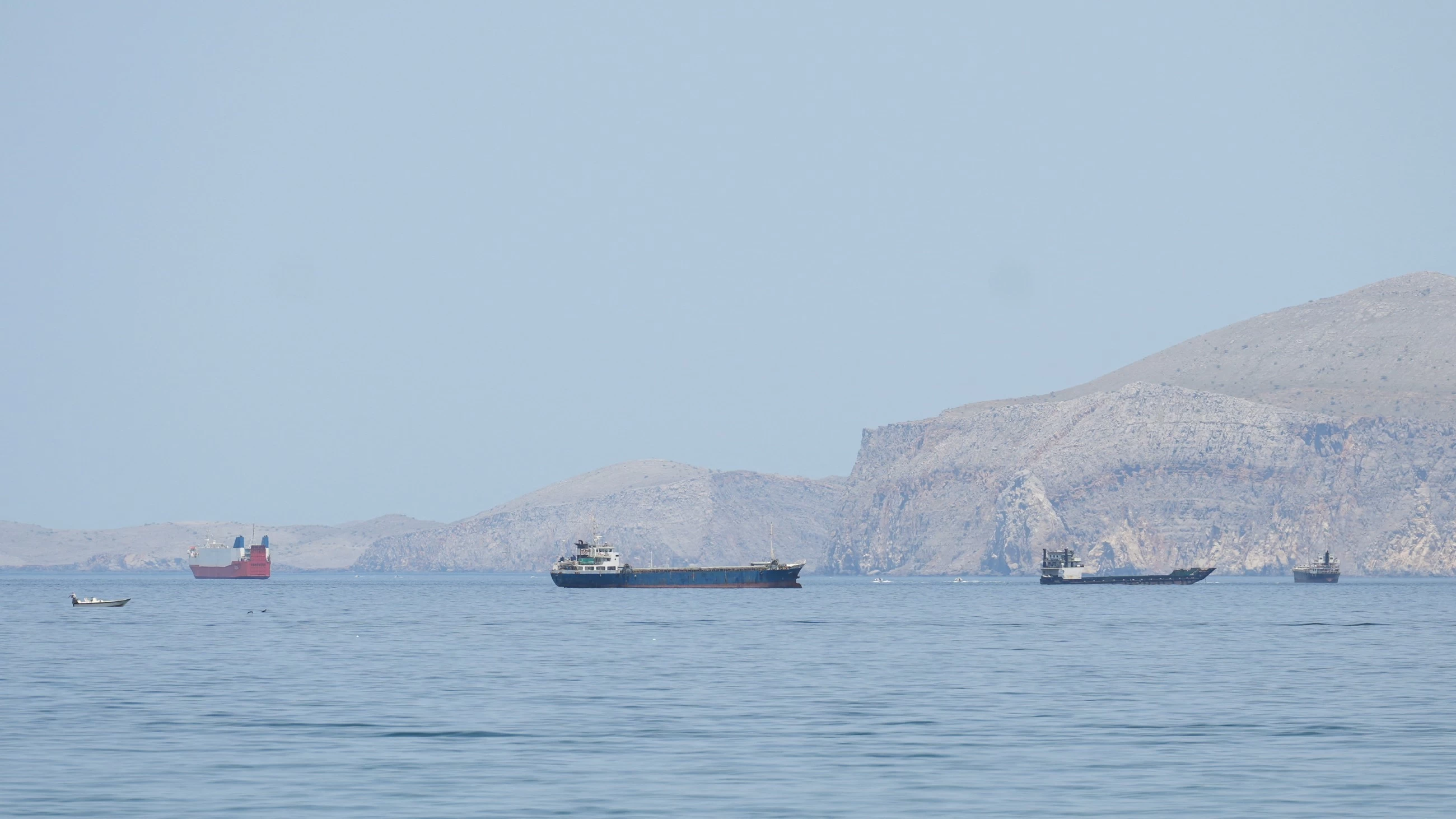
A standoff remains on the Strait of Hormuz, the narrow mouth of the Arabian Gulf through which a fifth of all traded oil and natural gas normally passes, as Iran has restricted movement through it and the US enforces a blockade of Iranian ports.
The June contract for Brent crude, the international standard, was trading at around $107 per barrel on Monday, compared with $72 a barrel before the war began.
Oil prices have risen steadily since the war began and tankers full of crude were stranded in the Arabian Gulf, unable to safely transit through the strait and reach global distribution points.
Associated Pess