Trump cancels envoys' trip to Pakistan, hopes fade for breakthrough in Iran war
- Last updated: April 25, 2026 | 20:52


President Donald Trump cancelled a trip to Islamabad by two US envoys to meet Iran war mediator Pakistan on Saturday after Iran's foreign minister flew out of Islamabad following talks, dealing a new setback to peace prospects.
Trump said in a social media post that he had called off the planned visit by his special envoy Steve Witkoff and son-in-law Jared Kushner, citing what he said was termendous confusion it the Iranian leadership.
"Too much time wasted on traveling, too much work! Besides which, there is tremendous infighting and confusion within their "leadership."
Nobody knows who is in charge, including them. Also, we have all the cards, they have none! If they want to talk, all they have to do is call!!!" he wrote.
Iranian Foreign Minister Abbas Araqchi had earlier left Islamabad without signs of a breakthrough in talks with Prime Minister Shahbaz Sharif and other senior officials.
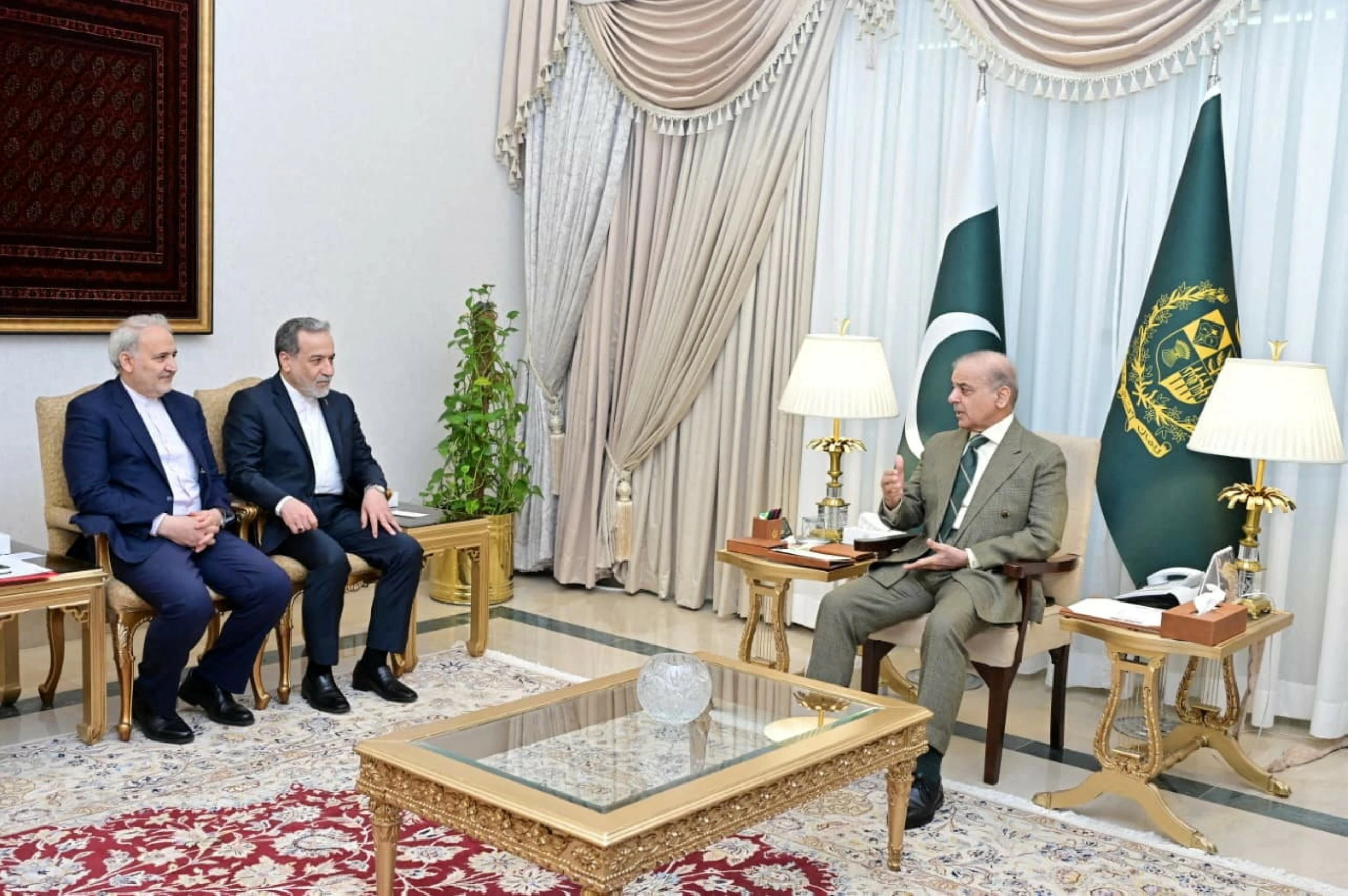
Tehran has ruled out a new round of direct talks with the United States and an Iranian diplomatic source said Tehran would not accept Washington's "maximalist demands."
IRAN AND US AT AN IMPASSE
Washington and Tehran are at an impasse as Iran has largely closed the Strait of Hormuz, which normally carries one-fifth of global oil and liquefied natural gas shipments, while the US blocks Iran's oil exports.
The conflict, in which a ceasefire is in force, began with US-Israeli airstrikes on Iran on February 28.
Araqchi "explained our country's principled positions regarding the latest developments related to the ceasefire and the complete end of the imposed war against Iran," said a statement on the minister's official Telegram account.
Asked about Tehran's reservations about US positions in the talks, an Iranian diplomatic source in Islamabad told Reuters: "Principally, Iranian side will not accept maximalist demands."
White House press secretary Karoline Leavitt said the US had seen some progress from the Iranian side in recent days and hoped more would come this weekend, while Vice President JD Vance was ready to travel to Pakistan as well.
Vance led a first round of unsuccessful talks with Iran in Islamabad earlier this month.
Reuters