Pakistan sets stage for second round of peace talks between US and Iran
- Last updated: April 18, 2026 | 22:40


Hectic efforts are afoot at the top level to hold the second round of Pakistan-mediated talks between the United States and Iran to prevent the dialogue process from sliding back into confrontation, officials said, according to different reports.
A diplomatic source said that even the draft of the agreement was ready to be signed in the first round held in Islamabad but the talks narrowly missed a quick historic deal. Last-minute 'hiccup' resulted in the breakdown. He suggested that the agreement was missed by the barest of margins. Another round of Iran-US dialogue was being actively pursued as Pakistan, regional capitals, and major powers have stepped up to achieve this objective.
PM SHAHBAZ RETURNS HOME AFTER TRI-NATION VISIT
Meanwhile, Prime Minister Shahbaz Sharif returned home Saturday after visiting Saudi Arabia, Qatar and Turkey ahead of an expected second round of talks between the United States and Iran.
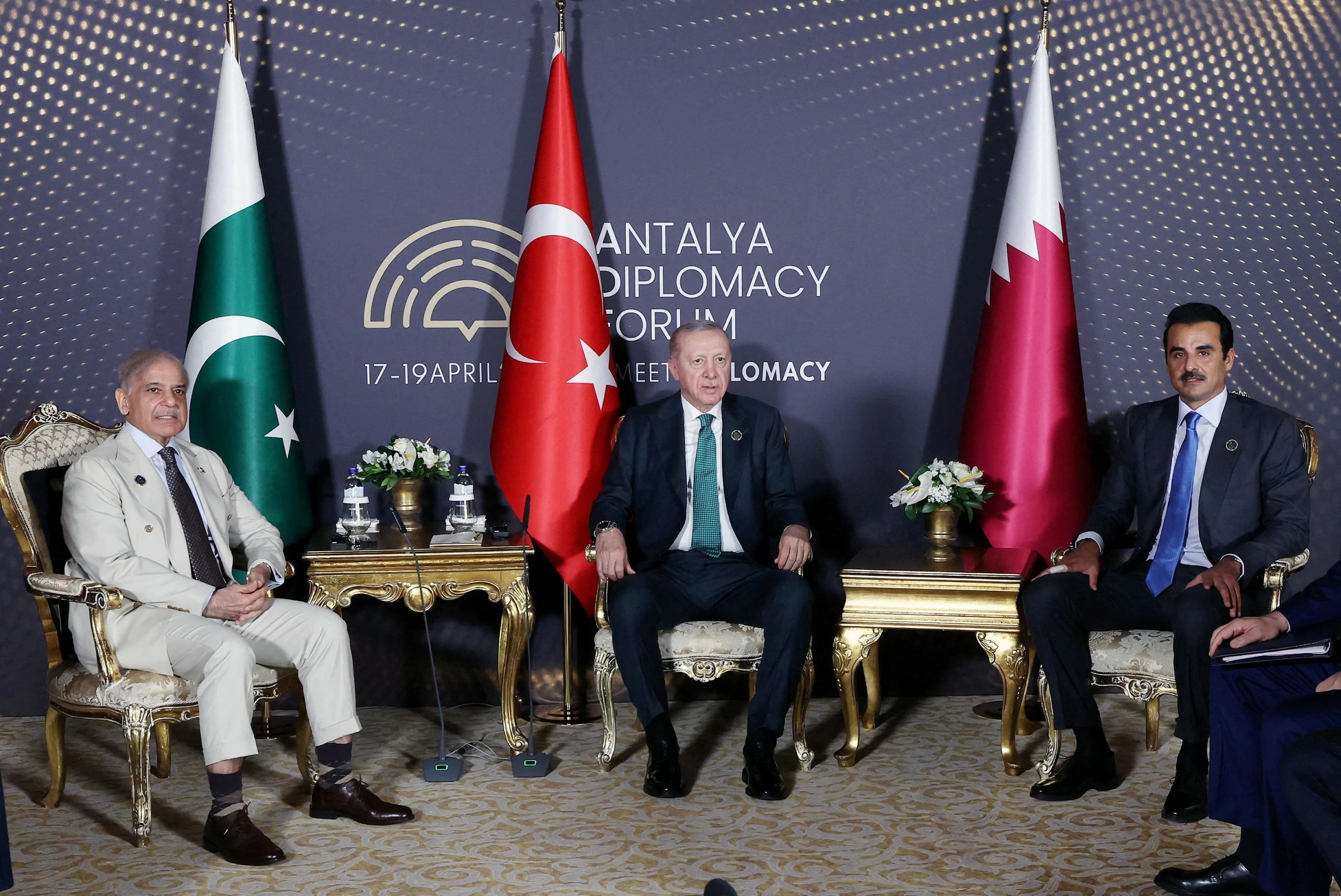
While there, he met Turkish President Recep Tayyip Erdogan and Qatari Emir Sheikh Tamim Bin Hamad Al Thani.
Shahbaz discussed efforts to strengthen relations with brotherly countries, Pakistan’s role in promoting regional peace, and the evolving regional and global situation during his tri-nation tour, the premier’s office said.
The prime minister’s office’s statement was issued as the premier concluded his diplomatic visits to Saudi Arabia, Qatar, and Turkey.
"The prime minister’s three-day tour included visits to Saudi Arabia, Qatar, and Turkey, where he held meetings with the leadership of all three brotherly countries, as well as with other world leaders participating in the Antalya Diplomacy Forum,” the statement added.
US President Donald Trump has hinted at a potential surprise in ongoing Iran talks but he declined to elaborate.
Speaking to reporters aboard Air Force One while returning to Washington from Phoenix, Arizona, Trump said negotiations with Iran were "going very well." "We're negotiating over the weekend. I expect things to go well," he said, adding that many issues had already been discussed and agreed upon. However, he declined to provide specific details about the reported progress.
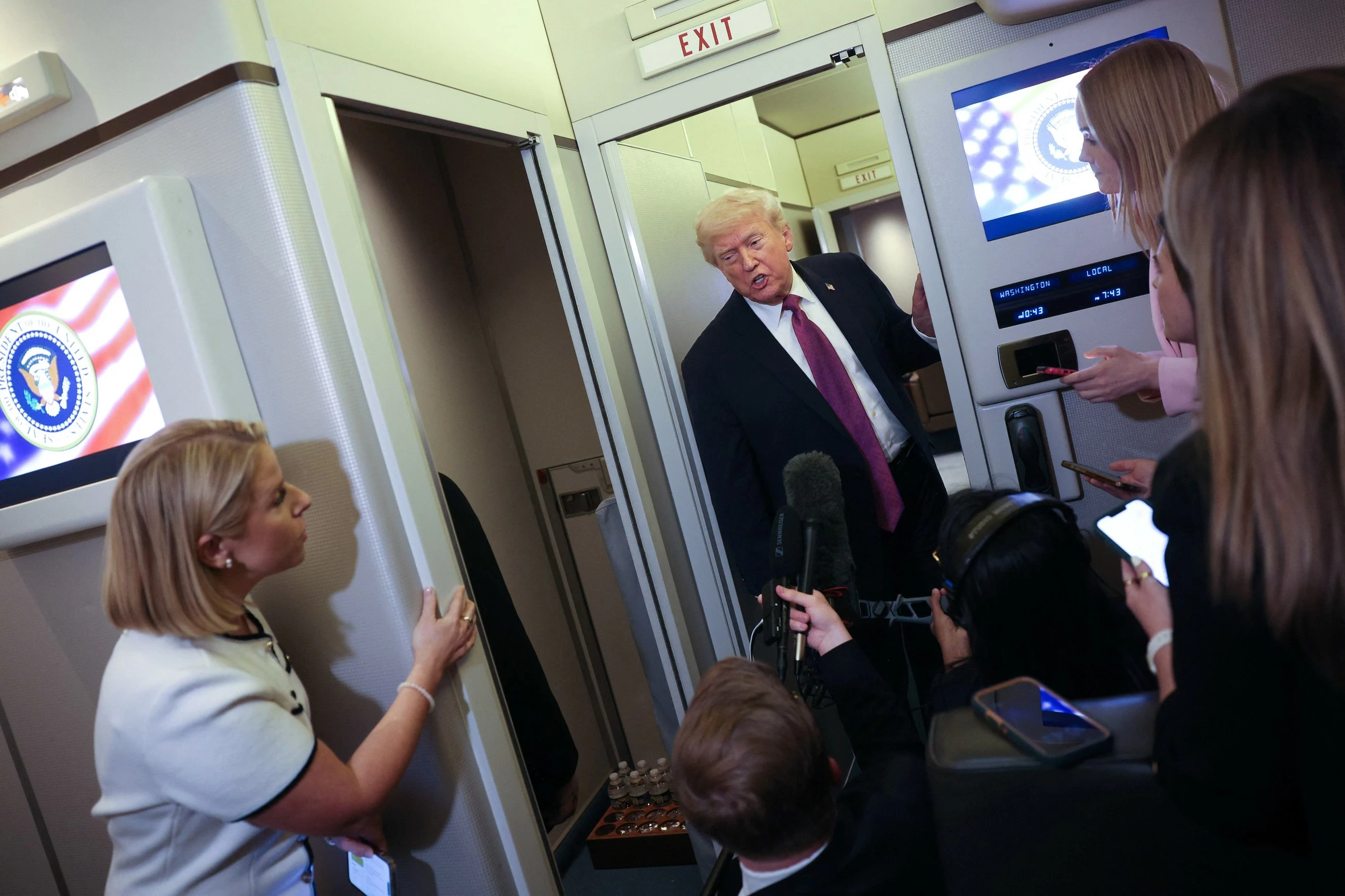
Trump also suggested a possible surprise announcement, revealing that "someone very good, smart and thoughtful" would visit the White House, followed by a news conference.
Despite the positive tone, Trump issued a clear warning that the ceasefire with Iran could end if no long-term agreement is reached before Wednesday.
Trump said a final agreement between the United States and Iran could be reached "in the next day or two," as reports suggested that the new round of US-Iran talks could take place in Islamabad on April 20.
"You'll hear about. I just think it's something that should happen. It's something that only makes sense to happen. And I think it will. We'll see what happens, but I think it will," the US President said when asked to elaborate it.
Egypt is working closely with Pakistan on a framework aimed at securing a lasting peace between the US and Iran, Foreign Minister Badr Abdelatty said, AFP reports.
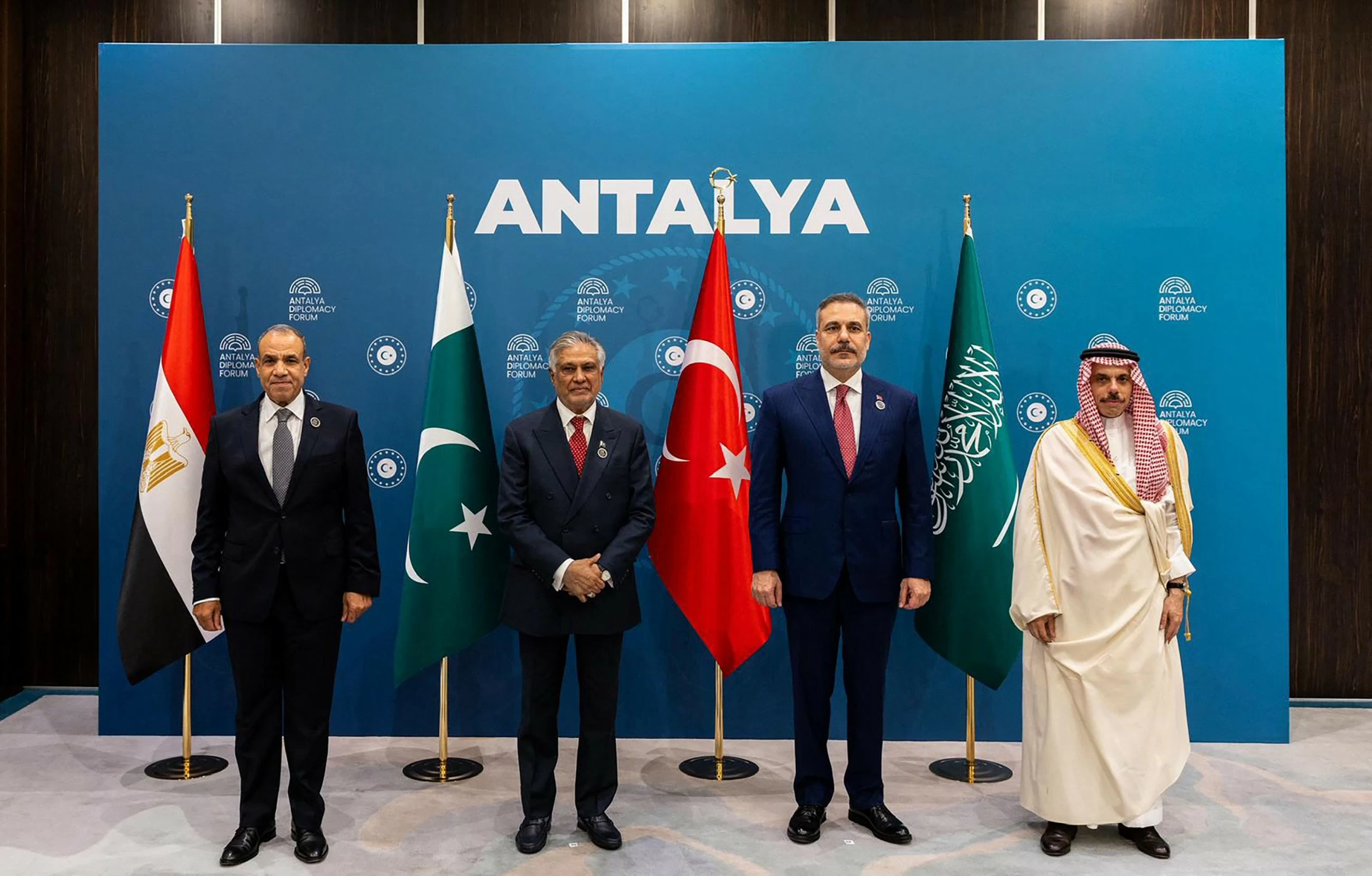
He said Egypt, Turkey, Pakistan and Saudi Arabia were coordinating a broader regional effort focused on preventing renewed escalation and laying the groundwork for a post-war security arrangement, stressing the importance of protecting Gulf states and stabilising energy markets, supply chains and food security.
Officials familiar with the back-channel exchanges said that intermediaries were working to bring Tehran and Washington back to the negotiating table, with Pakistan at the centre of the efforts, backed by Turks and Egyptians. The immediate priority, they said, was to extend the ceasefire.
In the first round held at Serena Hotel Islamabad, it was around 3am when some officials were alerted. The message came from people inside the Serena Hotel: "Be ready, there could be a joint statement."
Suddenly, officials who were on the verge of sleep had to turn agile. But as night gave way to day, the possibility of a "joint statement" faded away. Instead, a message was relayed to American journalists travelling with the US delegation that Vice President JD Vance would speak to reporters.
Vance said he had "bad news" that talks between the US and Iran had failed to reach a deal. But that was not the entire story.
A report said that both sides were close to agreeing on a framework before a last-minute hiccup. The alert about a "joint statement" stemmed from the progress both sides had made.
It has now emerged that the US side wanted Iran to give up uranium enrichment and all existing stockpiles. The US side was also of the view that Iran was in breach of the ceasefire deal for not reopening the Strait of Hormuz immediately.
The Iranian side, however, wanted guarantees and remained skeptical that the US might backtrack after Tehran gave up on the nuclear issue and reopened the Strait of Hormuz.