Israel launches new strikes as Iran squeezes key oil shipping route
- Last updated: March 4, 2026 | 11:00


Israel launched fresh strikes on Iran and Lebanon, where state media reported a residential building was hit on Wednesday, as Iran's Guards said they had sealed off one of the world's most vital shipping routes for energy.
Governments scrambled to evacuate citizens stranded in the Middle East, where Iran expanded a retaliatory missile and drone barrage on the fifth day of a war that sent stocks sinking.
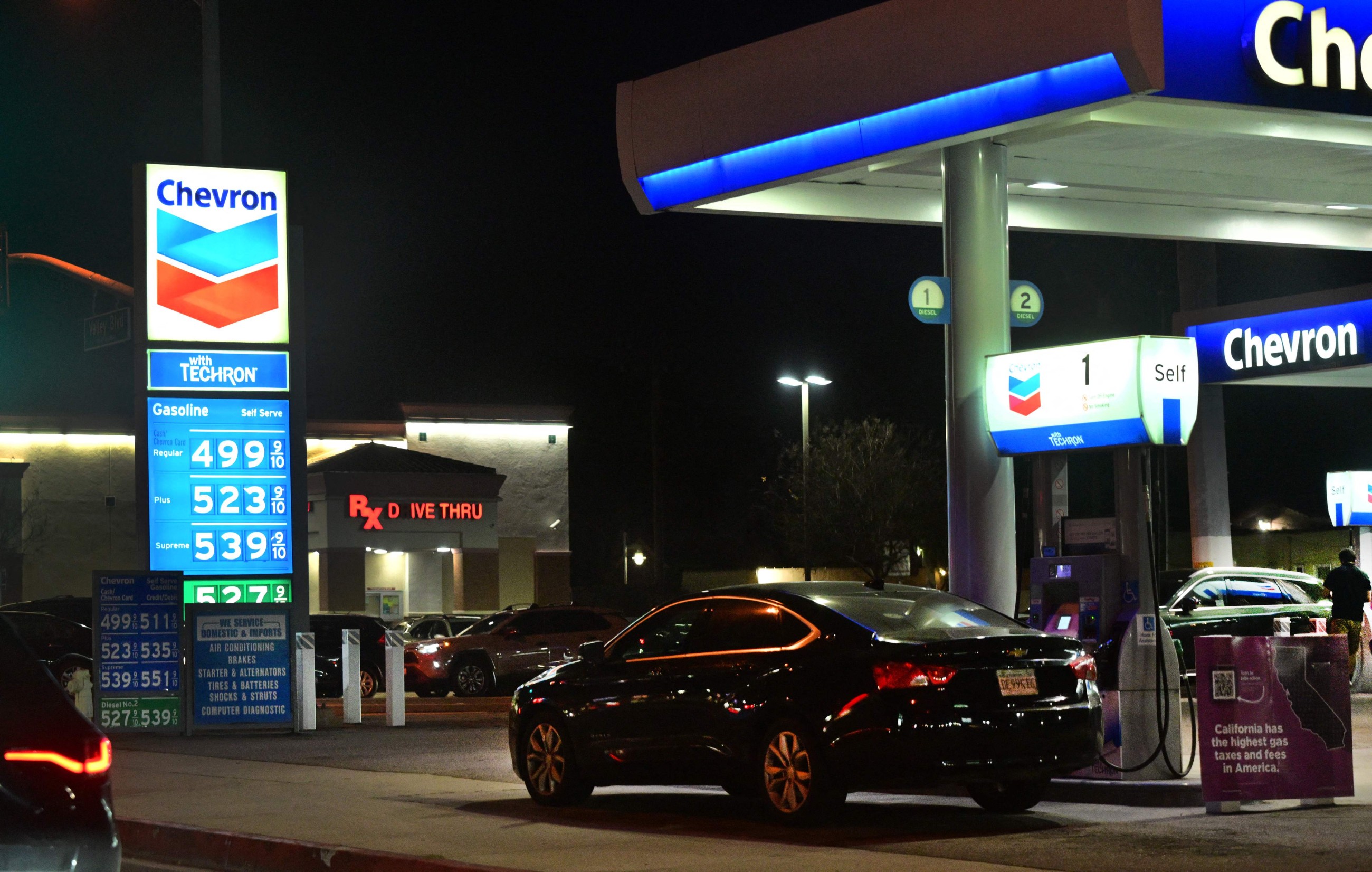
With global energy prices already on the rise over the expanding war, Iran's Revolutionary Guards said it has "complete control" of the Strait of Hormuz, the crucial chokepoint into the Gulf.
But Trump said the US had "knocked out" Iran's navy, along with its air force and radar systems, and that the US Navy was ready to escort tankers through the waterway through which one-fifth of global seaborne oil pass.
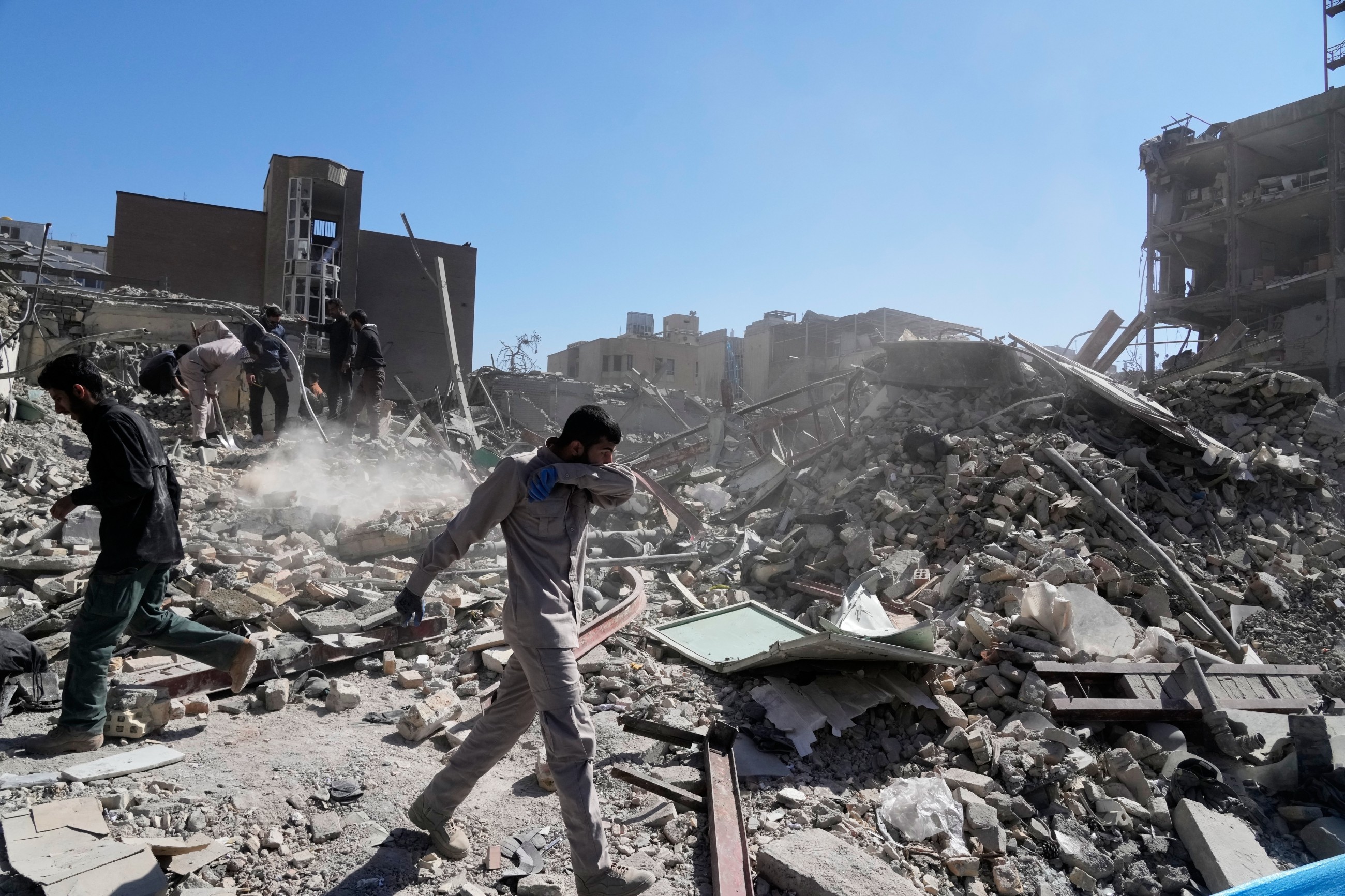
The US military said it has hit nearly 2,000 targets since first launching deadly strikes with Israel on Iran on Saturday that killed Iranian leader Ayatollah Ali Khamenei.
Israel kept up the bombardment, with its military announcing a "broad wave of strikes" after midnight across Iran, which in the hours before had launched three waves of missile barrages at Israel.
The United States encouraged all Americans to leave the region if they can find commercial flights, even though air travel has been severely disrupted, while governments including Britain and France sent in chartered flights to get citizens out.
Urgent warning
The war took a growing toll on Lebanon, where Iran-backed militant group Hizbollah has launched drones and rockets at Israel in retaliation for the killing of Iran's supreme leader Ali Khamenei in the US-Israeli opening strikes.
Early on Wednesday, the Israeli military called on residents to leave 16 towns and villages in southern Lebanon, in an "urgent warning" before using force against Hizbollah militants.
Lebanese state media said Israeli attacks on a building killed four in Baalbek in Lebanon's east, far from the border, as well as a Beirut hotel in an area so far spared the violence.
In Aramoun and Saadiyat -- two towns south of Beirut and outside the Hizbollah's traditional strongholds -- the health ministry said Israeli strikes killed six people and wounded eight. It cautioned that this was a "preliminary toll".
It was not immediately clear what was targeted in these towns or in Baalbek, and there was no immediate comment from the Israeli military, which earlier announced "broad-scale strikes" against Hizbollah.
Trump says more leaders killed
The US military targeted ballistic missiles and "all the things that can shoot at us" in its attacks on Iran since Saturday, said Admiral Brad Cooper, commander of US Central Command.
"These forces bring a massive amount of firepower, representing the largest buildup by the US in the Middle East in a generation," he said in a video message, describing the first day's barrage as bigger than the so-called "shock and awe" against Saddam Hussein's Iraq in 2003.
Trump walked back a statement from Secretary of State Marco Rubio the day before, who said the US attack's timing was precipitated by Israel's plans to strike.
"If anything, I might have forced Israel's hand," Trump said as he met German Chancellor Friedrich Merz at the White House.
Trump and Israeli Prime Minister Benjamin Netanyahu have urged Iranians to rise up but Trump said regime change was not the goal.
The assault came weeks after Iranian authorities clamped down on mass protests, killing thousands.
The United States and Israel have received lukewarm support, with Western nations limiting involvement to helping Gulf states and repatriating citizens.
The US President said that two waves of US-Israeli attacks had killed Iranian figures he had eyed as potential new leaders, adding that there had been a "substantial" new attack on a meeting to choose the new leadership.
"Most of the people we had in mind are dead," he said. "Now we have another group. They may be dead also, based on reports."
The US and Israeli attacks have killed 787 people in Iran, according to the Iranian Red Crescent, a toll that could not be independently confirmed by the media.
Iran repeatedly vowed to inflict a heavy price in retaliation.
"We are saying to the enemy that if it decides to hit our main centres, we will hit all economic centres in the region," Islamic Revolutionary Guard General Ebrahim Jabbari said.
Agence France-Presse