Britain suspends work visas for Afghan nationals over asylum claims
- Last updated: March 4, 2026 | 22:26


Britain said it would block study visas for nationals from four countries and halt work visas for Afghans, using what it called an "emergency brake" to curb rising asylum claims from people entering through legal routes.
Study visas for individuals from Afghanistan, Cameroon, Myanmar, and Sudan have been halted, alongside work visas specifically for Afghan nationals.
The Home Office said there had been a surge in asylum applications by students from those countries and almost 135,000 asylum seekers in total had entered the UK using legal routes since 2021.
"Britain will always provide refuge to people fleeing war and persecution, but our visa system must not be abused," said Home Secretary Shabana Mahmood in a statement. "That is why I am taking the unprecedented decision to refuse visas for those nationals seeking to exploit our generosity."
Immigration remains one of Britain's most politically sensitive issues, and Prime Minister Keir Starmer's government has sought to show it is tightening the system as the populist Reform UK party gains ground in opinion polls.
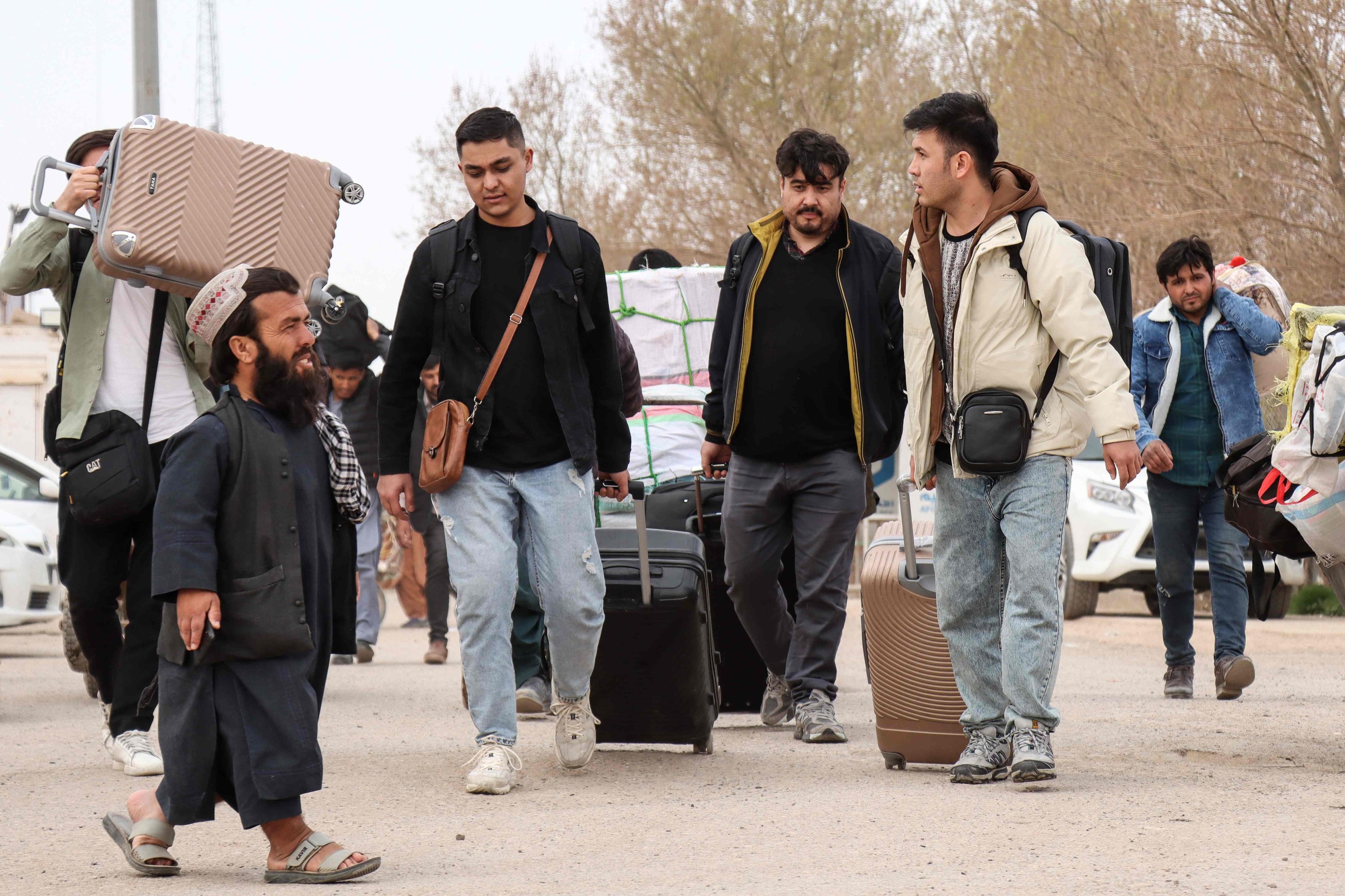
The interior ministry, which is set to block study visas for nationals from Afghanistan, Cameroon, Myanmar and Sudan, said asylum applications by students from these countries had jumped more than fivefold between 2021 and 2025.
It also said claims by Afghans on work visas were now outstripping the number of visas issued.
"Britain will always provide refuge to people fleeing war and persecution, but our visa system must not be abused," Interior Minister Shabana Mahmood said in a statement.
"That is why I am taking the unprecedented decision to refuse visas for those nationals seeking to exploit our generosity."
According to the government, asylum claims made after entering on legal visas have more than trebled since 2021 and accounted for 39% of the 100,000 people who applied last year.
It said that nearly 16,000 nationals from the four listed countries were currently being supported at public expense, including more than 6,000 in hotels, adding to pressure over the cost of asylum accommodation, which it put at £4 billion ($5.34 billion) a year.
The changes would take effect on March 26, the government said, adding that it intended to create new capped "safe and legal routes" once the asylum system stabilises.
Britain has granted sanctuary to more than 37,000 Afghans through resettlement schemes since 2021 and issued about 190,000 humanitarian visas last year.
Starmer has previously said that Britain's asylum rules were more permissive compared with parts of Europe and acted as a "pull factor" for people seeking to reach the country.
His government announced plans in November to make refugee status temporary and speed up removals of people who arrive illegally.
Successive governments have struggled to contain small boats crossing the Channel from France, which bring large numbers of undocumented migrants. But the authorities also face pressure to reduce numbers of asylum seekers entering on other routes.
The Home Office said the government has "reduced student asylum claims by 20 per cent over the course of 2025, further action is needed as those arriving on study visas still make up 13 percent of all claims in the system."
The Home Secretary has previously threatened a similar halt to all UK visas for Angola, Namibia and the Democratic of Congo in November, unless their governments agreed to take back illegal migrants.
This led to co-operation agreements with all three countries, and illegal migrants being returned via deportation flights.
Under the widely trailed plans, asylum seekers in the UK will have their refugee status reviewed every 30 months in an effort to make the UK less attractive for illegal immigrants. Refugees whose countries are deemed safe will be expected to return home.
The Independent / Agencies