Iran warns US bases, assets 'legitimate targets' if it attacks
- Last updated: February 20, 2026 | 14:29


Iran warned that US bases, facilities and assets would be "legitimate targets" if the United States follows through on its military threats and attacks.
Amir Saeid Iravani, the Iranian ambassador to the United Nations, made the remarks in a letter to UN Secretary General Antonio Guterres and the president of the Security Council that was seen by AFP.
President Donald Trump has deployed warships, fighter jets and other military hardware to the Middle East as he seeks to block Iran from building a nuclear bomb, something Tehran says it is not pursuing.
The letter cited a social media post by Trump on Wednesday, where he said the United States may need to use UK military bases, including one on an Indian Ocean island, "should Iran decide not to make a deal."
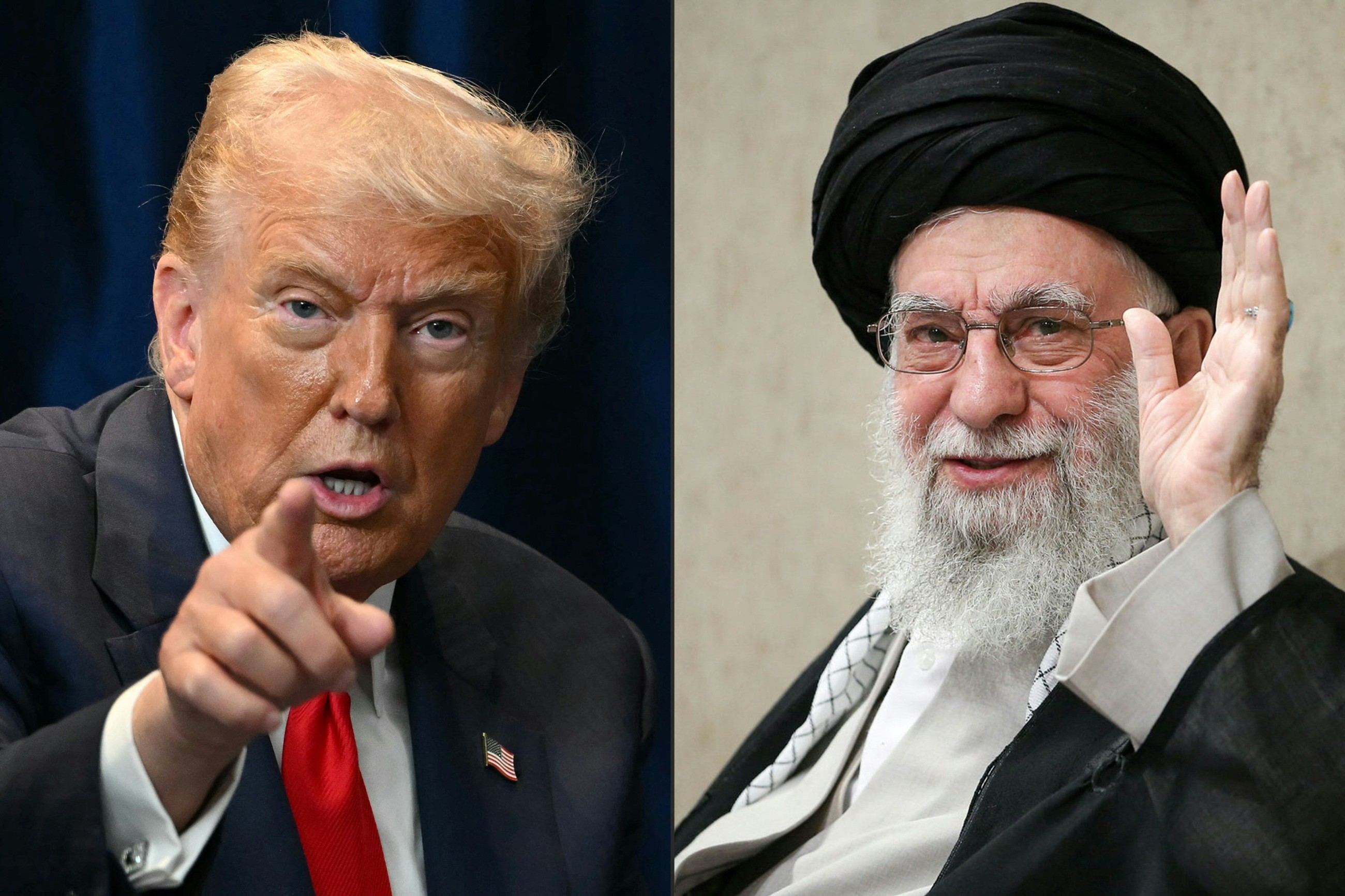
"Such a belligerent statement by the President of the United States...signals a real risk of military aggression, the consequences of which would be catastrophic for the region and would constitute a grave threat to international peace and security," Iravani wrote in the letter.
He called for the Security Council — the UN's top decision-making body where Washington has veto power — to "ensure that the United States immediately ceases its unlawful threats of the use of force."
The letter said Iran remains committed "to diplomatic solutions" and "on a reciprocal basis, addressing ambiguities regarding its peaceful nuclear programme." But Iravani warned if Iran faced military aggression, "all bases, facilities, and assets of the hostile force in the region would constitute legitimate targets in the context of Iran's defensive response."
Trump has repeatedly threatened military action against Iran, citing a deadly crackdown on anti-government protesters last month then more recently over its nuclear program.
On Thursday, Trump said that Iran had at most 15 days to make a deal and again suggested that the United States would attack if failed to do so.
His comments followed talks on Tuesday in Geneva between US envoys Steve Witkoff and the president's son-in-law Jared Kushner, who met indirectly with Iran's top diplomat, who said that there was progress.
A previous attempt at negotiations collapsed when Israel launched surprise strikes on Iran last June, beginning a 12-day war that Washington briefly joined to bomb Iranian nuclear sites.
Iran has agreed to draw up a written proposal to address US concerns raised during this week's indirect nuclear talks in Geneva, according to a senior US official who was not authorized to comment publicly and spoke on the condition of anonymity.
The official said top national security officials gathered Wednesday to discuss Iran, and were briefed that the "full forces" needed to carry out potential military action are expected to be in place by mid-March.
The official did not provide a timeline for when Iran is expected to deliver its written response.
"It's proven to be, over the years, not easy to make a meaningful deal with Iran, and we have to make a meaningful deal. Otherwise, bad things happen," Trump said on Thursday.
With the US military presence in the region mounting, one senior regional government official said he has stressed to Iranian officials in private conversations that Trump has proven that his rhetoric should be taken at face value and that he's serious about his threat to carry out a strike if Iran doesn't offer adequate concessions.
The official, who spoke on the condition of anonymity to discuss delicate diplomatic conversations, said he has advised the Iranians to look to how Trump has dealt with other international issues and draw lessons on how it should move forward.
The official added that he's made to case to the Trump administration it could draw concessions from Iran in the near-term if it focuses on nuclear issues and leaves the push on Tehran to scale back its ballistic missile program and support for proxy group for later.
The official also said that Trump ordering a limited strike aimed at pressuring Iran could backfire and lead to Supreme Leader Ali Khamenei withdrawing Iran from the talks.
Agencies