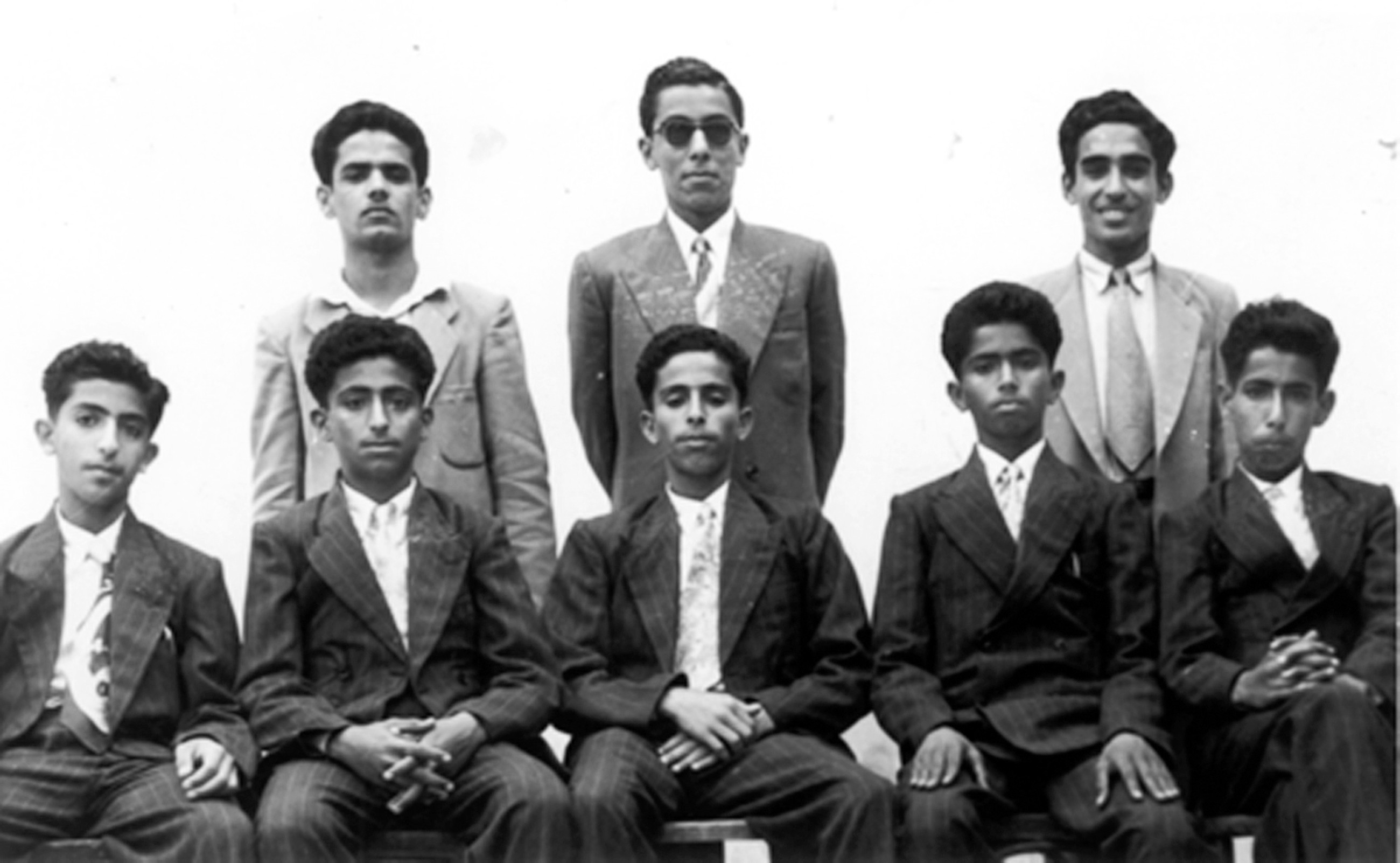
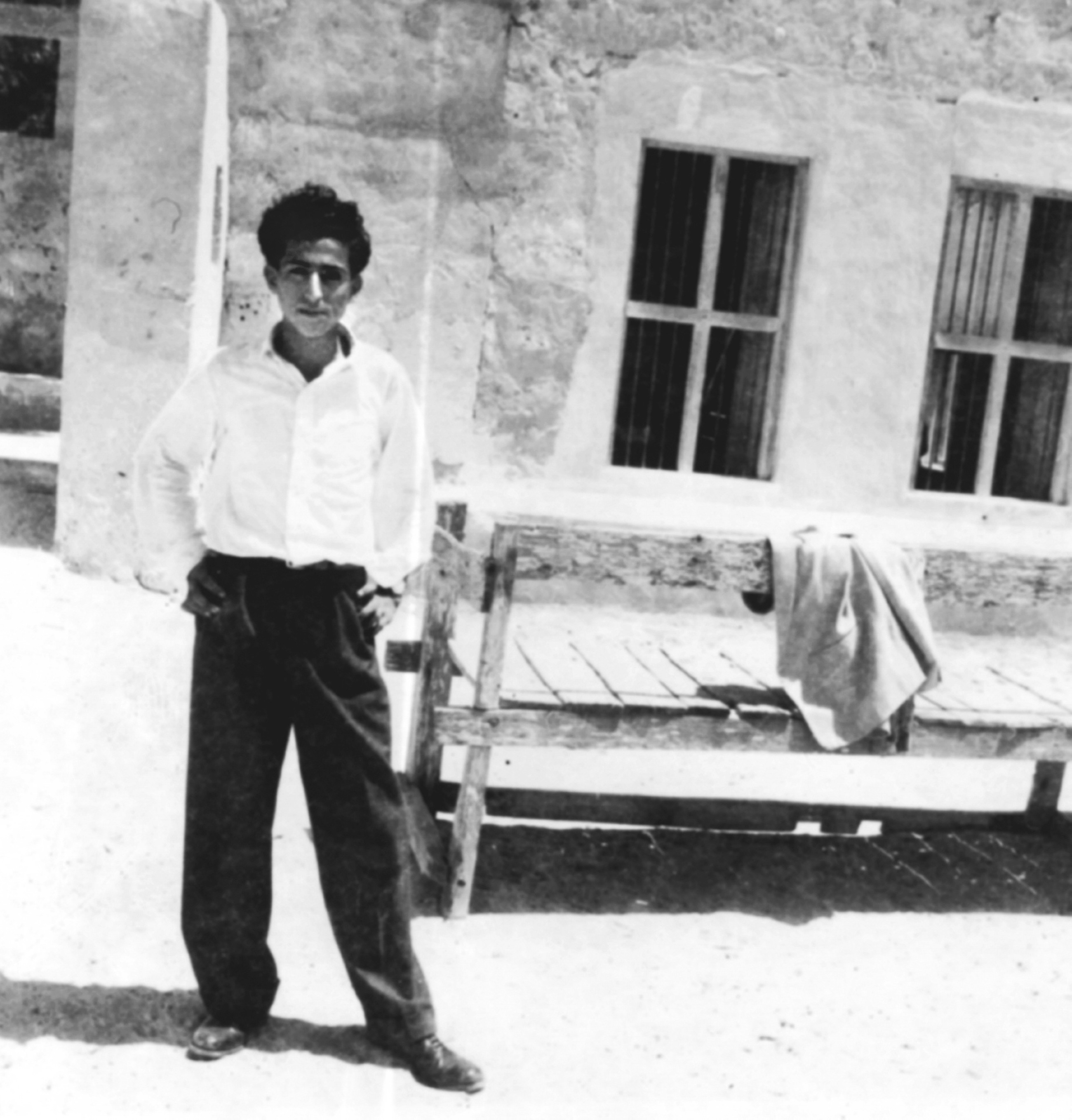
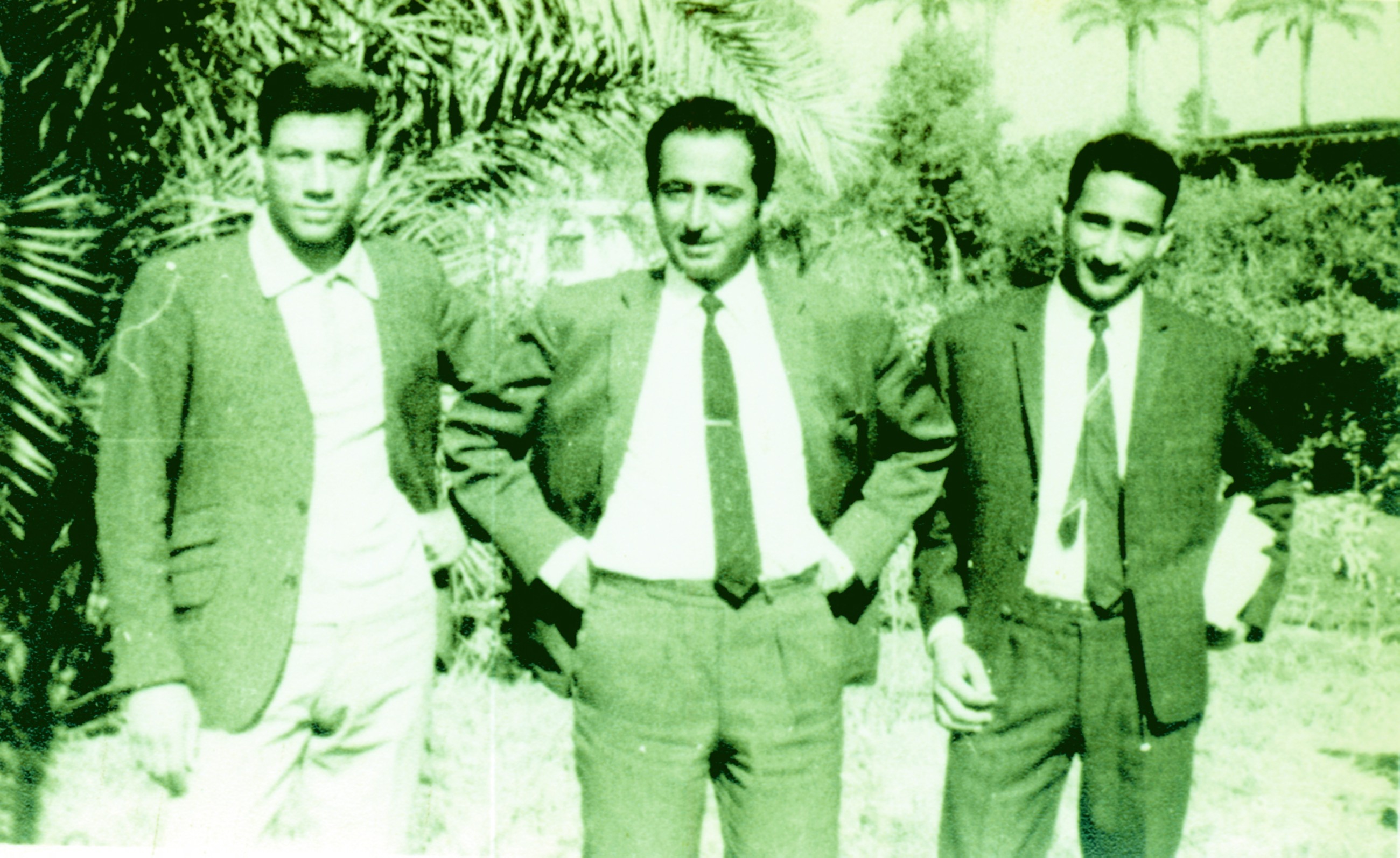
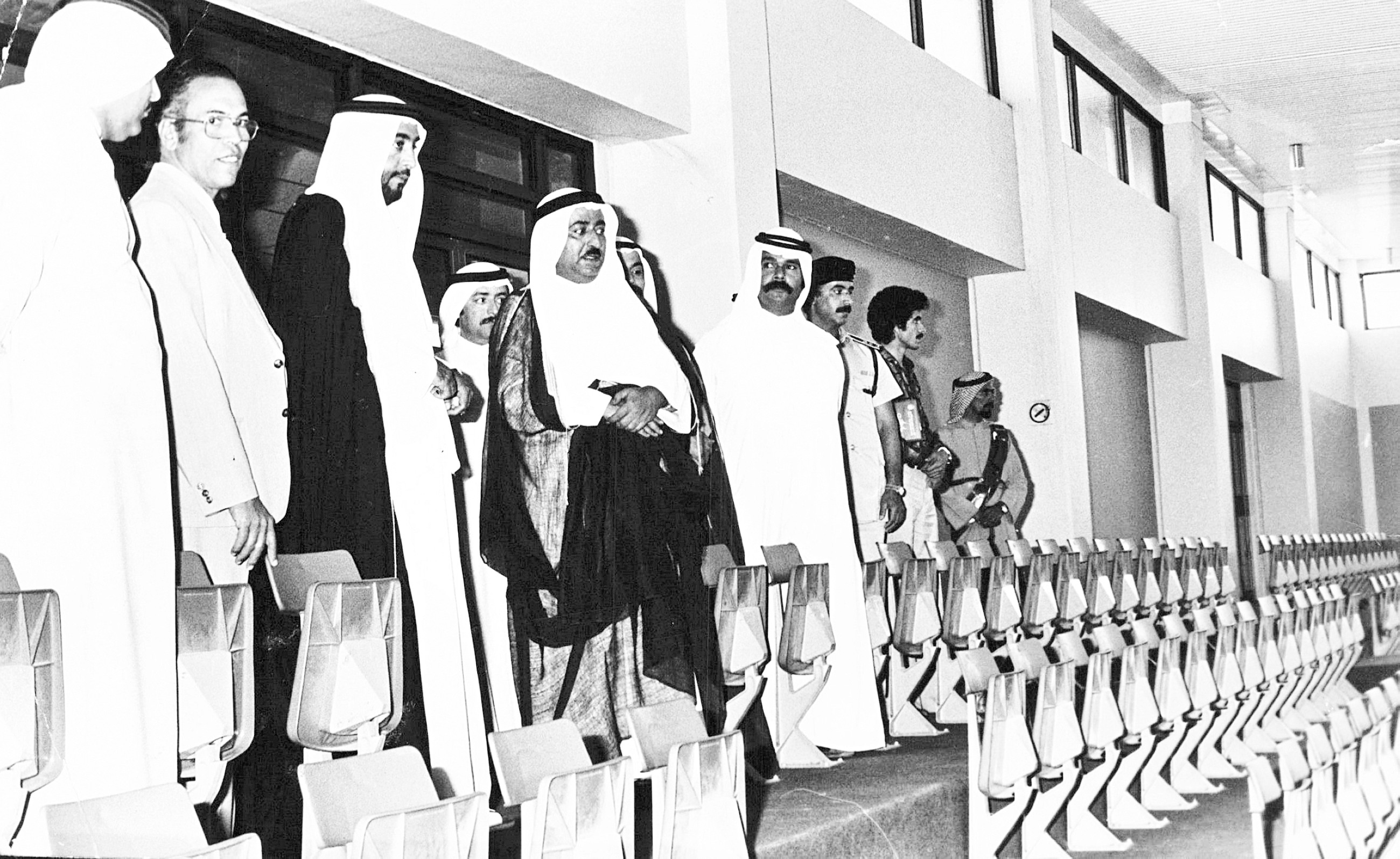
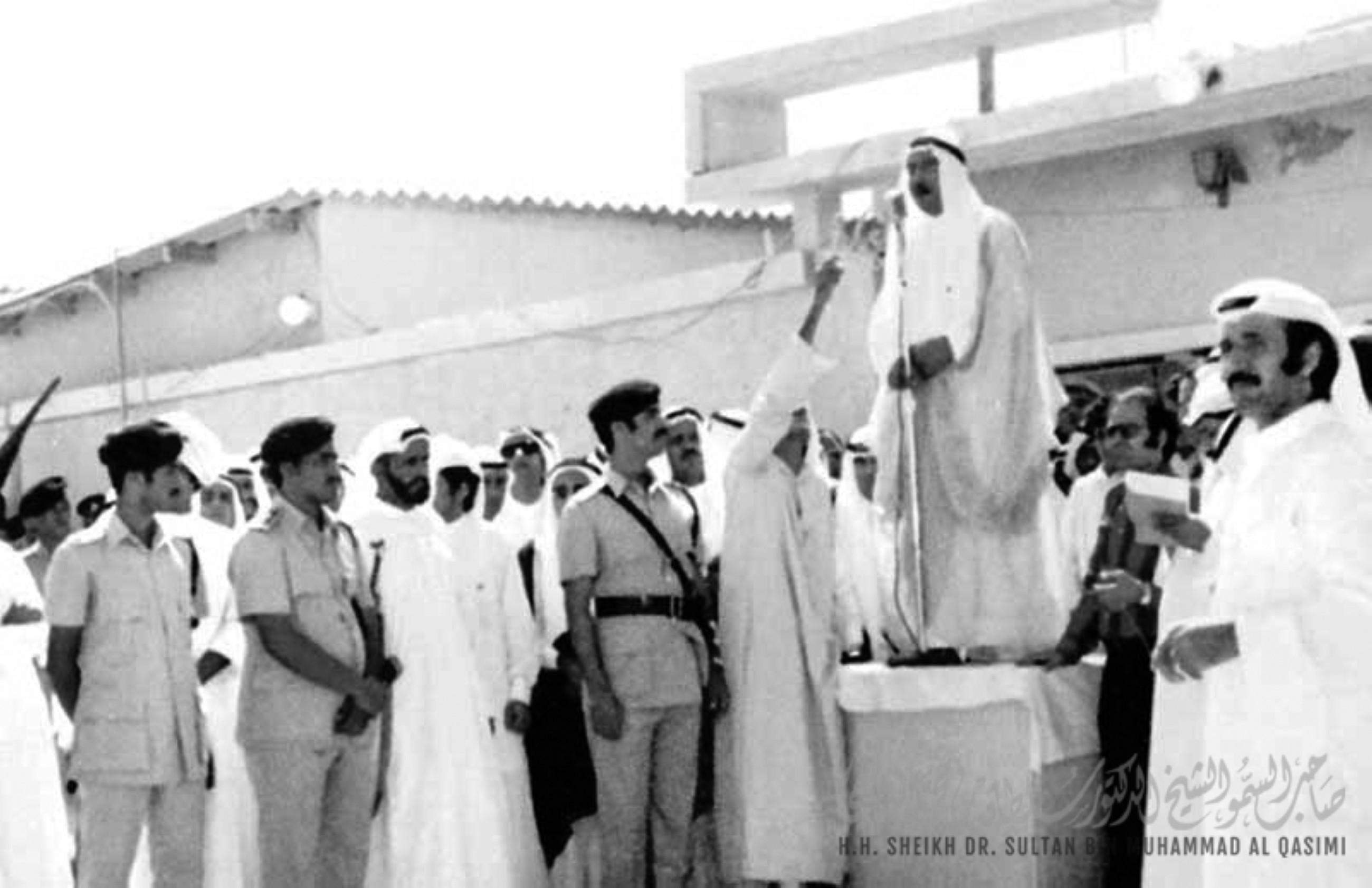
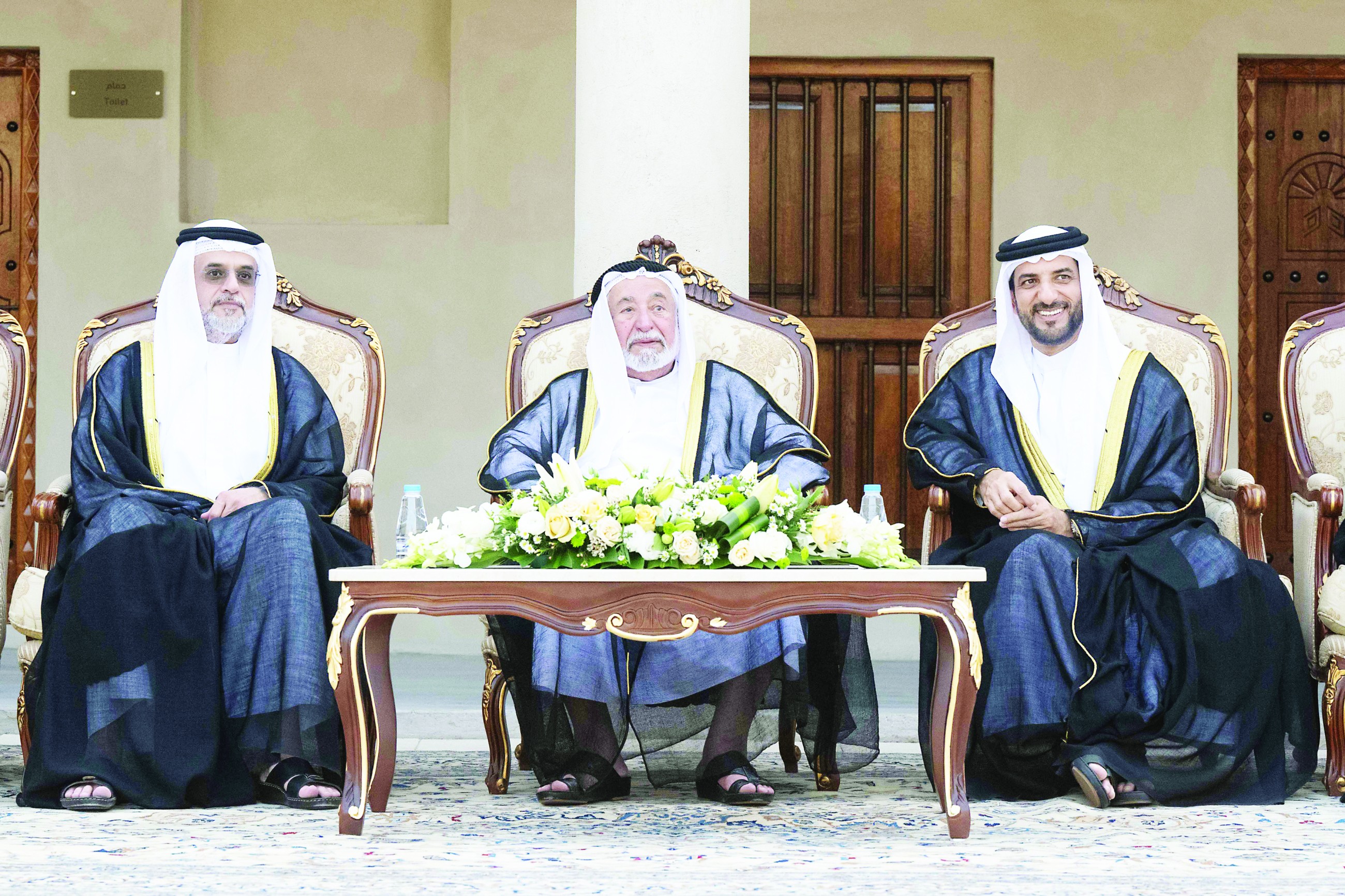
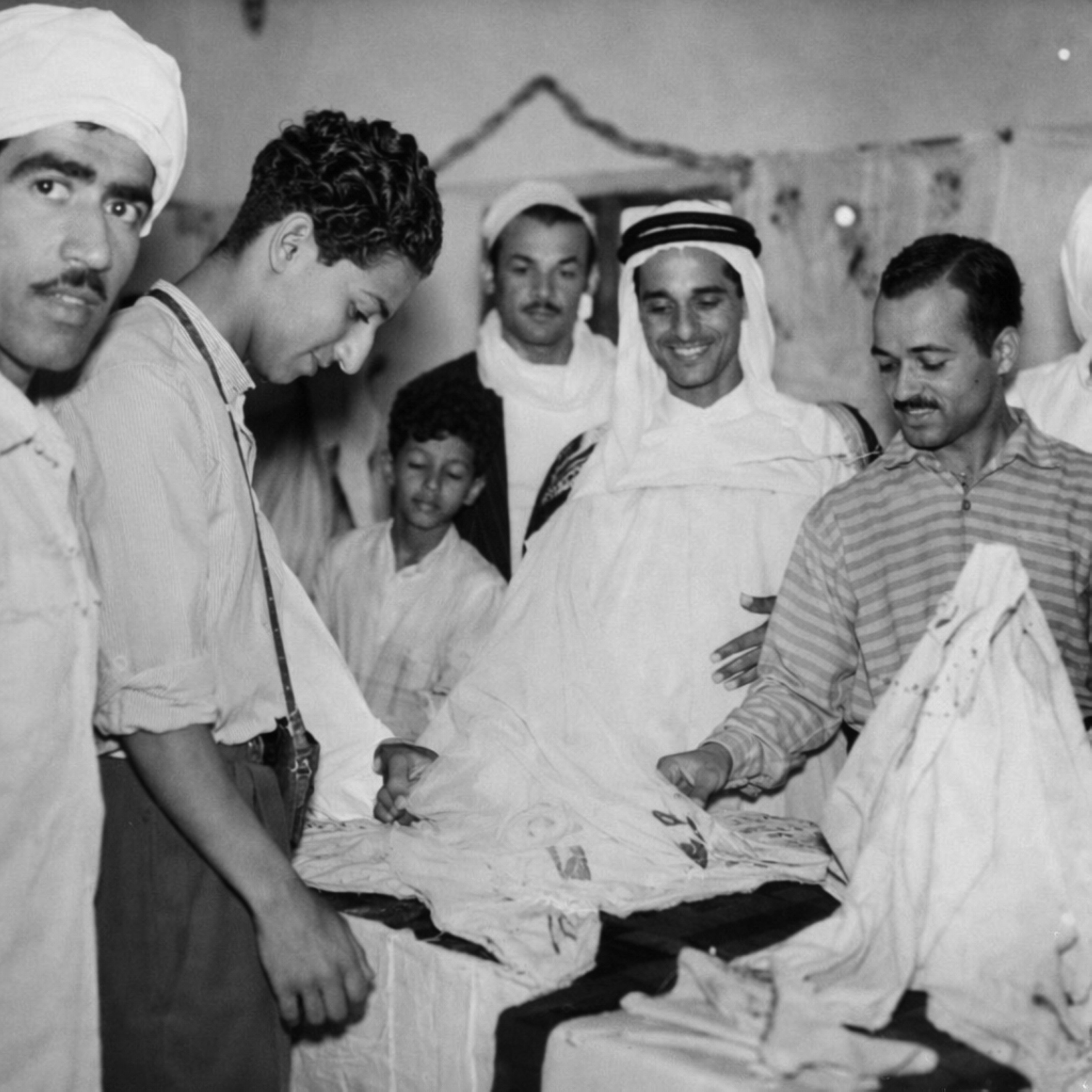
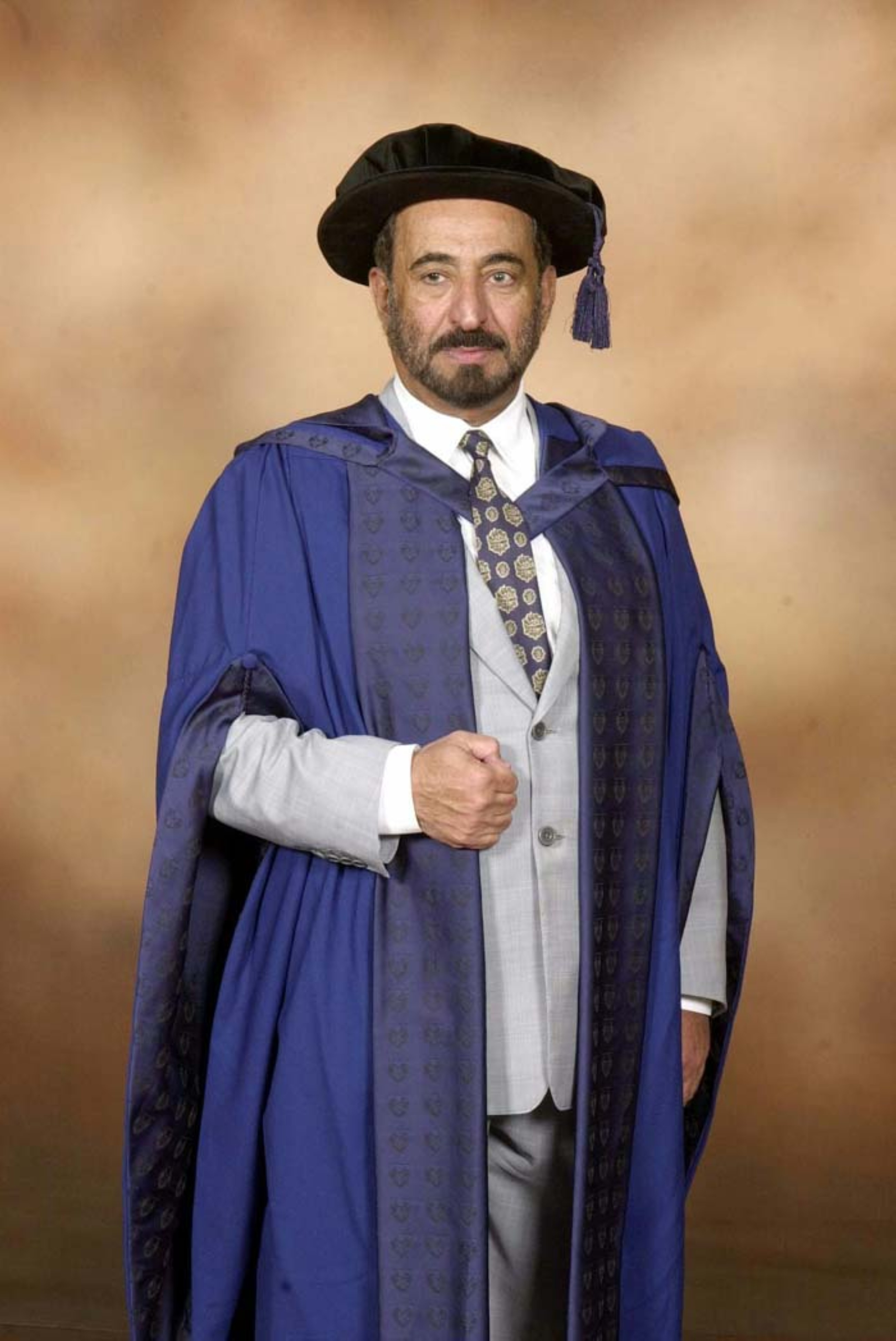
His Highness Dr Sheikh Sultan Bin Mohammed Al Qasimi's reign has been marked by numerous achievements, including the provision of additional support to enhance the social and economic stability of citizens' families, ensuring the well-being of the elderly, differently-abled individuals, and the bedridden.


في 14 ديسمبر /وام/ أكد صاحب السمو الشيخ الدكتور سلطان بن محمد القاسمي، عضو المجلس الأعلى حاكم الشارقة، أهمية الدور الذي يؤديه المجلس الاستشاري لإمارة الشارقة في مساندة الحكومة على اتخاذ القرارات، ومعرفة احتياجات المجتمع، والمساعدة في تطوير المنظومة التشريعية والإجراءات التي من شأنها توفير الحياة الكريمة، لافتاً سموه إلى اعتماده على الملاحظات والتوصيات والمقترحات التي يقدمها المجلس، والأخذ بها في العمل الحكومي.
جاء ذلك في كلمة سموه التي ألقاها صباح اليوم الخميس، خلال افتتاح أعمال دور الانعقاد العادي الأول من الفصل التشريعي الحادي عشر للمجلس الاستشاري لإمارة الشارقة، بحضور سمو الشيخ سلطان بن محمد بن سلطان القاسمي، ولي العهد نائب حاكم الشارقة، وسمو الشيخ سلطان بن أحمد بن سلطان القاسمي، نائب حاكم الشارقة.
وتناول سموه خلال كلمته أبرز الأرقام والملفات الاجتماعية التي يعمل عليها مع الدوائر والهيئات الحكومية المتخصصة في الإمارة، مشيراً إلى أن عدد المواطنين في إمارة الشارقة يبلغ 210 آلاف مواطن من بينهم 36% من الشباب والشابات تقدر أعمارهم بين 15 - 35 سنة، وعددهم 76 ألفا و500 نسمة وهم الفئة الأكثر احتياجاً للخدمات المقدمة من الحكومة مثل التعليم والتوظيف والسكن.
ولفت سموه إلى أن ملف التعليم يلقى اهتماماً كبيراً ومباشراً من قبله؛ حيث تقدم الجامعات والأكاديميات في الشارقة مئات البرامج الدراسية من بكالوريوس وماجستير ودكتوراة، وتوفر لها آلاف المنح الدراسية، لتوفير التعليم لكافة أبناء الشارقة، مؤكداً أن الراغب في التعلم سيلقى دائماً الأبواب المفتوحة والدعم لإكمال تعليمه والارتقاء بمستوى معرفته وثقافته.
وفي ملف الإسكان، أوضح صاحب السمو حاكم الشارقة أن عدد الطلبات التي تقدم بها المواطنون حاليا يبلغ 2600 طلب، 70% منها تلبي الشروط وتجتاز الدراسة والتقييم، في حين يتبقى 800 طلب سيلح أصحابها على أعضاء المجلس بشأنها، داعياً الأعضاء إلى التأكد من الجهات المعنية حول أسباب عدم الحصول على الدعم، وعدم التسرع في الحكم على المسائل، ومؤكداً سموه العمل على تسريع حصول المستفيدين على الدعم السكني بحيث يتم إنجاز الطلبات الموجودة حاليا خلال ثلاث سنوات، وبحيث يمكن بعد ذلك للمتقدم أن يحصل على الدعم السكني في بداية الزواج وتأسيس الأسرة.
ولفت سموه إلى أن الدعم السكني يتمثل في القروض بدون فوائد ولمدة طويلة؛ إذ تقوم الحكومة بسداد الفوائد، ومنحة المسكن الجاهز، ومنحة تدفع لطالب السكن ليقوم بالبناء على الأرض المخصصة له، وهي التي يكون فيها الكثير من الاختلافات بسبب عدم الاتفاق بين المالك والمقاول.
وتطرق سموه إلى ملف التوظيف الذي توفر فيه الحكومة سنوياً ما بين 2500 إلى 3000 وظيفة، برواتب جيدة تبدأ لخريج الجامعة بـ 25 ألف درهم، ولا تقل عن 17 ألف و500 درهم، مشيراً إلى أن هذه الرواتب أقرت بعد دراسة مع الدوائر الحكومية حول احتياجات الأسرة وسبل توفير العيش الكريم لها.
وتناول سموه فئة متقاعدي الهيئات الاتحادية والمؤسسات من مواطني إمارة الشارقة، موضحا أن عددهم يبلغ 4415 متقاعدا عائلا لديهم مداخيل منخفضة، تم تخصيص منحة تكميلية لهم ليصبح الدخل الشهري للمتقاعد 17 ألفا و500 درهم، موضحا سموه أن التكلفة السنوية لهذه المنحة التي بدأ صرفها اعتبارا من بداية عام 2023 الجاري تبلغ 270 مليون درهم، ومشيراً إلى أن أعدادهم المتقاعدين المستحقين لها في ازدياد.
وفي فئة المستفيدين من الإعانات التي تقدمها دائرة الخدمات الاجتماعية، الذين يبلغ عددهم 8547 حالة، أوضح سموه أنه تم أخذ الحالات التي تتكون من عدد ثنائي يمثل بيت وأسرة مثل رجل وزوجته أو أخ وأخته وغيرهم ويصل عددهم إلى 2114 أسرة مكونة من اثنين وأكثر ليمنحوا منحة تكميلية فوق ما تمنحهم الدائرة ابتداءاً من 1-1-2024م.
وحول فئة الحالات المفردة المستفيدين من دائرة الخدمات الاجتماعية والبالغ عددهم 6295 فردا أوضح سموه أن منهم ذوي الإعاقة الذين ستعمل مدينة الشارقة للخدمات الإنسانية على دراسة حالاتهم لتوفير ما يساعدهم بالطريقة المناسبة، موضحاً سموه أن الحالات الأخرى هي الأيتام والأرامل وغيرهم.
وتناول سموه مشروعات المياه والكهرباء التي ستخدم الإمارة لعشر سنوات مقبلة، لافتاً إلى أنه تم خلال السنوات الخمس الماضية صرف ما يصل إلى 828 مليون درهم في تطوير محطات المياه، في حين تقدر تكلفة المشروعات التي سيبدأ العمل فيها بملياري درهم، مشيراً سموه إلى مشروعات الخزانات الاحتياطية مثل خزان المدينة الذي ستصل سعته إلى مليار و300 مليون جالون، وبحيرة الحفية التي ستصل سعتها إلى 125 مليون جالون، وسد الفريش الذي ستبلغ سعته 125 مليون جالون، وسد الرفيصة الذي ستصل سعته إلى 250 مليون جالون، وسد الغزير الذي ستصل سعته إلى 250 مليون جالون، وبحيرة الذيد التي ستصل سعتها إلى 400 مليون جالون، ومحطة الحمرية التي ستوفر 90 مليون جالون يومياً وهو ما يوازي استهلاك الشارقة الآن.
وأضاف سموه أن هيئة كهرباء ومياه وغاز الشارقة صرفت خلال الفترة 2020-2023 نحو 17 مليار درهم لتطوير محطات الكهرباء واستبدالها هي وتمديداتها لتخدم الإمارة لـ 10 سنوات قادمة.
وأوصى سموه في ختام كلمته أعضاء المجلس الاستشاري بالاطلاع والعلم والمعرفة وعدم الانجرار خلف العاطفة فقط، واستخدام الأسلوب والنقاش العملي والمنطقي والحرص على إيصال احتياجات المجتمع.
وكانت مجريات الافتتاح قد بدأت بوصول صاحب السمو حاكم الشارقة، إلى مقر المجلس الاستشاري لإمارة الشارقة؛ حيث كان في مقدمة مستقبليه كل من معالي صقر غباش المري، رئيس المجلس الوطني الاتحادي، والشيخ محمد بن سعود القاسمي، رئيس دائرة المالية المركزية، والشيخ خالد بن عبدالله القاسمي، رئيس هيئة الشارقة للموانئ البحرية والجمارك والمناطق الحرة، والشيخ خالد بن عصام القاسمي، رئيس دائرة الطيران المدني، والشيخ محمد بن حميد القاسمي، رئيس دائرة الإحصاء والتنمية المجتمعية، والشيخ ماجد بن سلطان القاسمي، رئيس دائرة شؤون الضواحي، والشيخ سعود بن سلطان بن محمد القاسمي، مدير مكتب الشارقة الرقمية، ومعالي عبدالرحمن محمد العويس، وزير الدولة لشؤون المجلس الوطني الاتحادي، وعددً من أعضاء المجلس الوطني الاتحادي، وكبار المسؤولين رؤساء ومديرو الدوائر المحلية.
وأدى أعضاء المجلس الاستشاري البالغ عددهم 50 عضواً وعضوة، القَسم أمام صاحب السمو حاكم الشارقة، مقدمين شكرهم وثنائهم لسموه، ومعاهدينه على العمل وتأدية الأمانة التي أوكلت إليهم بتفان وإخلاص وفق توجيهات ورؤية سموه.
وبدأت عقب ذلك الجلسة الأولى للمجلس، التي ترأسها أكبر الأعضاء سناً وهو إبراهيم محمد جمعة المنصوري، وتم خلالها انتخاب معالي عبدالله بن محمد بلحيف النعيمي، رئيساً للمجلس الاستشاري لإمارة الشارقة، وسعادة حليمة حميد العويس، نائباً لرئيس المجلس.
بعد ذلك توجه صاحب السمو حاكم الشارقة والحضور إلى قاعة المجلس الاستشاري لبدء انعقاد الجلسة التي استُهلت مراسمها بالسلام الوطني لدولة الإمارات العربية المتحدة، أعقبها تلاوة آيات من الذكر الحكيم، ثم أعلن صاحب السمو حاكم الشارقة افتتاح دور الانعقاد العادي الأول من الفصل التشريعي الحادي عشر للمجلس الاستشاري لإمارة الشارقة، متمنياً للمجلس التوفيق والسداد في فترة انعقاده بما يخدم مصلحة الوطن والإمارة وتحقيق الرفاهية للمواطنين والقاطنين على أرض الشارقة.
وألقى معالي عبدالله محمد بلحيف النعيمي، رئيس المجلس الاستشاري كلمة أكد فيها أن افتتاح صاحب السمو الشيخ الدكتور سلطان بن محمد القاسمي، عضو المجلس الأعلى حاكم الشارقة، أعمال دور الانعقاد العادي الأول من الفصل التشريعي الحادي عشر يعكس حرص سموه الدائم على تعزيز دور المواطن في صنع القرار والمشاركة الفعّالة في تطور ورُقي المجتمع، وقال: "إن رؤاكم الحكيمة تعزز مفهوم الوطنية وتحفز على تحقيق التنمية المستدامة، ونؤكد على أهمية مسيرة العمل الوطني التي تواصلون خطاها في بناء الحاضر واستشراف المستقبل، وعلى اقتفاء توجيهات سموكم الحكيمة والتي تمثل دفعة قوية نحو دعم التطور وتحقيق التقدم في المجالات المختلفة".
وأضاف معالي رئيس المجلس الاستشاري: "نود أن نعبّر عن فخرنا وسعادتنا بنجاح انتخابات المجلس الاستشاري في الدورة الثالثة لعام 2023م، وهو نجاح يعكس التفاعل الإيجابي والمشاركة الفعّالة من قبل المواطنين والمواطنات في إمارة الشارقة لاختيار من يمثلهم في هذا المجلس، فقد أبرزت المشاركة اللافتة في التسجيل والتصويت روح الالتزام والانتماء لبناء وتعزيز مستقبل أفضل لمجتمعنا وإمارتنا، والتطلع إلى تحقيق التقدم والازدهار تحت قيادتكم الحكيمة، كما ونعتز بما حققه المجلس الاستشاري كممثل عن مواطني إمارة الشارقة ومعبر عن صوتهم تحت رعاية ومتابعة سموكم، حيث تتجسد قيم الشورى والمشاركة الوطنية في صنع القرار، وما تتطلعون إليه سموكم في إشراك المواطنين وتعزيز دورهم في معاونتكم على الارتقاء بوطننا الغالي".
وأوضح النعيمي أن المجلس يعمل وفق رؤى القيادة الرشيدة لتحقيق تطلعات المواطنين قائلاً: "إن دور المجلس الاستشاري لإمارة الشارقة يتجدد بتوجيهات سموكم؛ حيث يسعى إلى المساهمة في تحقيق تطلعات المواطنين وتلبية احتياجاتهم، ليكون الجميع ملتزما بتقديم الدعم والتوجيه للحكومة من أجل تحقيق تطلعات ورفاهية مواطنينا".
وأضاف معاليه: "إن افتتاح سموكم لأعمال دور الانعقاد العادي الأول من الفصل التشريعي الحادي عشرK يعكس التفاعل الوطني الكبير والثقة التي يمنحها المواطنون والمواطنات لهذا الصرح البرلماني، وإن هذه الثقة والتفاني يعتبران محفزين قويين للمجلس للاستمرار في تحقيق التقدم وخدمة الوطن".
وثمن معالي رئيس المجلس الاستشاري، دعم صاحب السمو حاكم الشارقة وتوجيهاته الدائمة التي تسهم في تطوير العمليات الحكومية وتصب في مصلحة المجتمع، قائلاً: “بفضل توجيهاتكم الحكيمة ومكارمكم السخية، سيتعزز التواصل الوطني بين المواطنين والمؤسسات الحكومية، وسيتواصل عمل المجلس لمساندة الجهاز الحكومي في مشهد يعكس التكامل والتعاون الفعّال لتحقيق رفاهية المواطنين وتلبية احتياجاتهم المتنوعة، على ضوء التحولات التي تشهدها إمارة الشارقة وما تتطلبه من جهد متواصل من المجلس، وفق رؤية واعية لتطوير الإمارة، وسيسعى المجلس الاستشاري بإذن الله لأن يكون داعمًا فعّالًا للمشاريع والمبادرات التي تحمل رسالة الخدمة والعطاء لكل إنسان".
وقال معاليه: "بتوجيهاتكم الحكيمة ودعمكم الكريم، يستعد المجلس الاستشاري لإمارة الشارقة بعون الله لدخول فصل تشريعي جديد، حاملاً على عاتقه تحديات تتواصل على مدى أربعة أدوار انعقاد، يسعى من خلالها إلى تعزيز قدراته وتعظيم تأثيره، والتمسك بقضايا الوطن ومتابعة هموم المواطنين، ومن خلال رؤيته الطموحة، يسعى المجلس لتفعيل قيم المشاركة الفعّالة والشورى التي كانت هي ركيزته الأساسية منذ تأسيسه في عام 1999م".
واختتم معالي عبدالله بلحيف النعيمي، كلمته معاهداً صاحب السمو حاكم الشارقة، على أن يستمر المجلس في العطاء وتحقيق التميز، والاضطلاع بمسؤولياته بروح وطنية عالية لتحقيق حياة كريمة للمواطنين من خلال تقديم الدعم والإرشاد اللازمين لتلبية الاحتياجات الآنية والمستقبلية، وأن ينطلق بأعماله من قاعدة حقيقية عمادها الشورى وبناء المجتمع في إمارة الشارقة، مشيراً إلى أن المجلس يشكل منبرًا حرًا لتبادل الآراء وتعزيز التواصل بين المواطن والمسؤول والمشاركة الفاعلة لأداء المهام بأمانة وإخلاص، بهدف تحقيق تقدم ورفاهية وعزة أبناء إمارتنا الغالية.
عقب ذلك تلا أحمد سعيد الجروان، أمين عام المجلس الاستشاري لإمارة الشارقة، خلال انعقاد الجلسة الافتتاحية، المرسوم الأميري رقم 81 لسنة 2023 بشأن دعوة المجلس الاستشاري لإمارة الشارقة للانعقاد لدوره العادي الأول من الفصل التشريعي الحادي عشر.
وبعد ذلك تفضل صاحب السمو حاكم الشارقة، بالتقاط صورة تذكارية مع رئيس وأعضاء المجلس الاستشاري بدورته الحادية عشرة، ودعى الحضور إلى تناول وجبة الغداء التي أقامها سموه بهذه المناسبة.

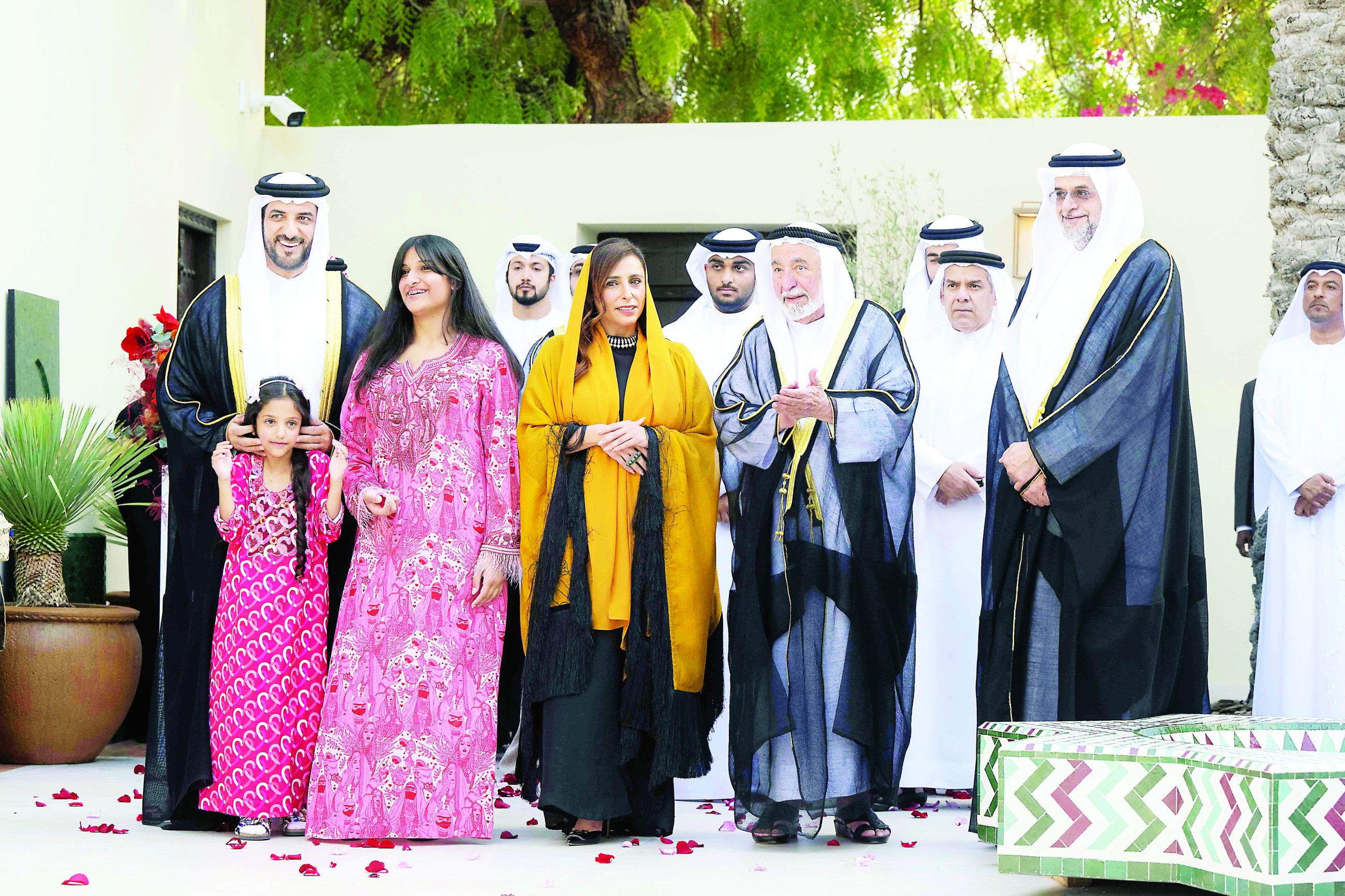
الشارقة في 18 سبتمبر/ وام/ شهد صاحب السمو الشيخ الدكتور سلطان بن محمد القاسمي عضو المجلس الأعلى حاكم الشارقة وصاحب السمو الشيخ سعود بن راشد المعلا عضو المجلس الأعلى حاكم أم القيوين وصاحب السمو الشيخ سعود بن صقر القاسمي عضو المجلس الأعلى حاكم رأس الخيمة، عصر اليوم الخميس، حفل استقبال "أفراح الشارقة" الذي أقامه سمو الشيخ سلطان بن محمد بن سلطان القاسمي ولي العهد نائب حاكم الشارقة، بمناسبة زفاف نجله الشيخ أحمد بن سلطان بن محمد القاسمي، على كريمة سمو الشيخ سلطان بن أحمد بن سلطان القاسمي نائب حاكم الشارقة، وذلك في نادي الشارقة للجولف والرماية.
كما شهد حفل الاستقبال، سمو الشيخ سلطان بن محمد بن سلطان القاسمي ولي العهد نائب حاكم الشارقة، وسمو الشيخ عمار بن حميد النعيمي ولي عهد عجمان، وسمو الشيخ محمد بن حمد الشرقي ولي عهد الفجيرة، وسمو الشيخ راشد بن سعود المعلا ولي عهد أم القيوين، وسمو الشيخ محمد بن سعود القاسمي ولي عهد رأس الخيمة، وسمو الشيخ أحمد بن محمد بن راشد آل مكتوم النائب الثاني لحاكم دبي، وسمو الشيخ عبدالله بن سالم بن سلطان القاسمي نائب حاكم الشارقة، وسمو الشيخ سلطان بن أحمد بن سلطان القاسمي نائب حاكم الشارقة، وسمو الشيخ أحمد بن سعود المعلا نائب حاكم أم القيوين، والفريق سمو الشيخ سيف بن زايد آل نهيان نائب رئيس مجلس الوزراء وزير الداخلية، وعدد من الشيوخ والوزراء وكبار المسؤولين وجموع المواطنين المهنئين.
وقدم أصحاب السمو الحكام وسمو أولياء العهود وسمو نواب الحكام خالص تهانيهم وتبريكاتهم إلى صاحب السمو حاكم الشارقة، وسمو ولي عهد الشارقة، وسمو الشيخ سلطان بن أحمد القاسمي نائب حاكم الشارقة، والعريس الشيخ أحمد بن سلطان بن محمد القاسمي وعائلة القواسم الكرام بهذه المناسبة السعيدة التي عمت بحلولها أرجاء الشارقة ودولة الإمارات مشاعر الفرح والسعادة، راجين المولى عز وجل أن يبارك للعروسين، ويجعله زواجاً مباركاً يؤسس لأسرة صالحة تسودها المودة والألفة والطمأنينة ويتبعها ذرية مباركة.
وتابع أصحاب السمو الشيوخ عروض الفرق الشعبية التي أحيت حفل الاستقبال ابتهاجاً بالزفاف الميمون، وتأكيداً على الموروث الإماراتي وأصالته في التعبير عن مظاهر الفرح والسرور والترابط بين شعب الإمارات وقيادته.