Iranian prosecutor denies Trump's claim 800 prisoners were spared execution
- Last updated: January 23, 2026 | 16:30


Iran’s top prosecutor on Friday called US President Donald Trump’s repeated claims that he halted the hangings of 800 detained protesters there "completely false.”
Meanwhile, the overall death toll from a bloody crackdown on nationwide demonstrations rose to at least 5,002, activists said.
Activists fear many more are dead. They struggle to confirm information as the most comprehensive internet blackout in Iran's history has crossed the two-week mark.
Tensions remain high between the United States and Iran as an American aircraft carrier group moves closer to the Middle East, something Trump likened to an "armada” in comments to journalists late on Thursday.
Analysts say a military buildup could give Trump the option to carry out strikes, though so far he's avoided that despite repeated warnings to Tehran. The mass execution of prisoners had been one of his red lines for military force - the other being the killing of peaceful demonstrators.
"While President Trump now appears to have backtracked, likely under pressure from regional leaders and cognizant that airstrikes alone would be insufficient to implode the regime, military assets continue to be moved into the region, indicating kinetic action may still happen,” New York-based think tank the Soufan Center said in an analysis on Friday.
Trump has repeatedly said Iran halted the execution of 800 people detained in the protests, without elaborating on the source of the claim.
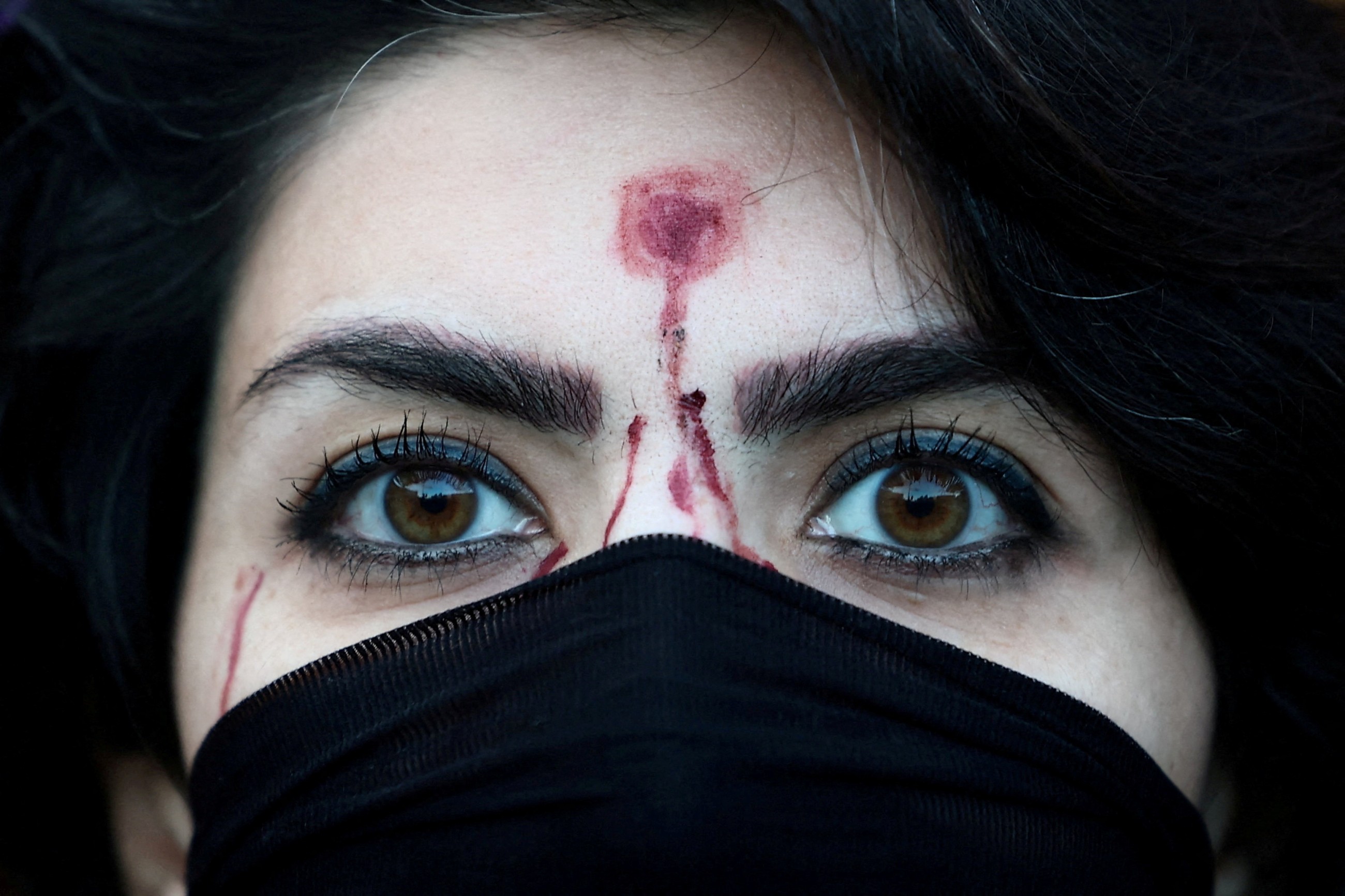
On Friday, Iran’s top prosecutor Mohammad Movahedi strongly denied that in comments carried by the judiciary’s Mizan news agency. "This claim is completely false; no such number exists, nor has the judiciary made any such decision,” Movahedi said.
His remarks suggested that Iran’s Foreign Ministry, led by Abbas Araghchi, may have offered that figure to Trump.
Araghchi has had a direct line to US envoy Steve Witkoff and conducted multiple rounds of negotiations over Iran’s nuclear program with him.
"We have a separation of powers, the responsibilities of each institution are clearly defined, and we do not, under any circumstances, take instructions from foreign powers,” Movahedi said.
Judiciary officials have called some of those being held "mohareb” — or "enemies of God.”
That charge carries the death penalty. It had been used along with others to carry out mass executions in 1988 that reportedly killed at least 5,000 people.
Meanwhile, Mohammad Javad Haji Ali Akbari, the Friday prayer leader in Tehran, mocked Trump as a "yellow-faced, yellow-haired and disgraced man" who is "like a dog that only barks.”
"That foolish man has resorted to threatening the nation, especially over what he said about Iran’s leader,” the cleric said in comments aired by Iranian state radio. ”If any harm were to occur, all your interests and bases in the region would become clear and precise targets of Iranian forces.”
The latest death toll was given by the US-based Human Rights Activists News Agency, which reported that 4,716 of the dead were demonstrators, 203 were government-affiliated, 43 were children and 40 were civilians not taking part in the protests. It added that more than 26,800 people had been detained in a widening arrest campaign by authorities.
The group's figures have been accurate in previous unrest in Iran and rely on a network of activists in Iran to verify deaths. That death toll exceeds that of any other round of protest or unrest in Iran in decades, and recalls the chaos surrounding Iran's 1979 Islamic Revolution.
Iran’s government offered its first death toll Wednesday, saying 3,117 people were killed. It added that 2,427 of the dead in the demonstrations that began Dec. 28 were civilians and security forces, with the rest being "terrorists.” In the past, Iran’s theocracy has undercounted or not reported fatalities from unrest.
Associated Press