Kurdish-led forces withdraw from Syria's largest oil field
- Last updated: January 18, 2026 | 12:08


Kurdish-led forces withdrew on Sunday from Syria's largest oil field in the eastern province of Deir Ezzor, a monitor said, as their fighters clashed with government soldiers who have extended their grip on Kurdish-run areas in recent days.
The Syrian Democratic Forces (SDF) "withdrew at dawn on Sunday from all areas under its control in the eastern Deir Ezzor countryside, including the Al-Omar and Tanak oil fields", the head of the Syrian Observatory for Human Rights, Rami Abdel Rahman, told the media.
Earlier, Syria's army has seized swathes of the country's north, dislodging Kurdish forces from territory over which they held effective autonomy for more than a decade.
The government appeared to be extending its grip on Kurdish-run areas after President Ahmed al-Sharaa issued a decree declaring Kurdish a "national language" and granting the minority group official recognition.
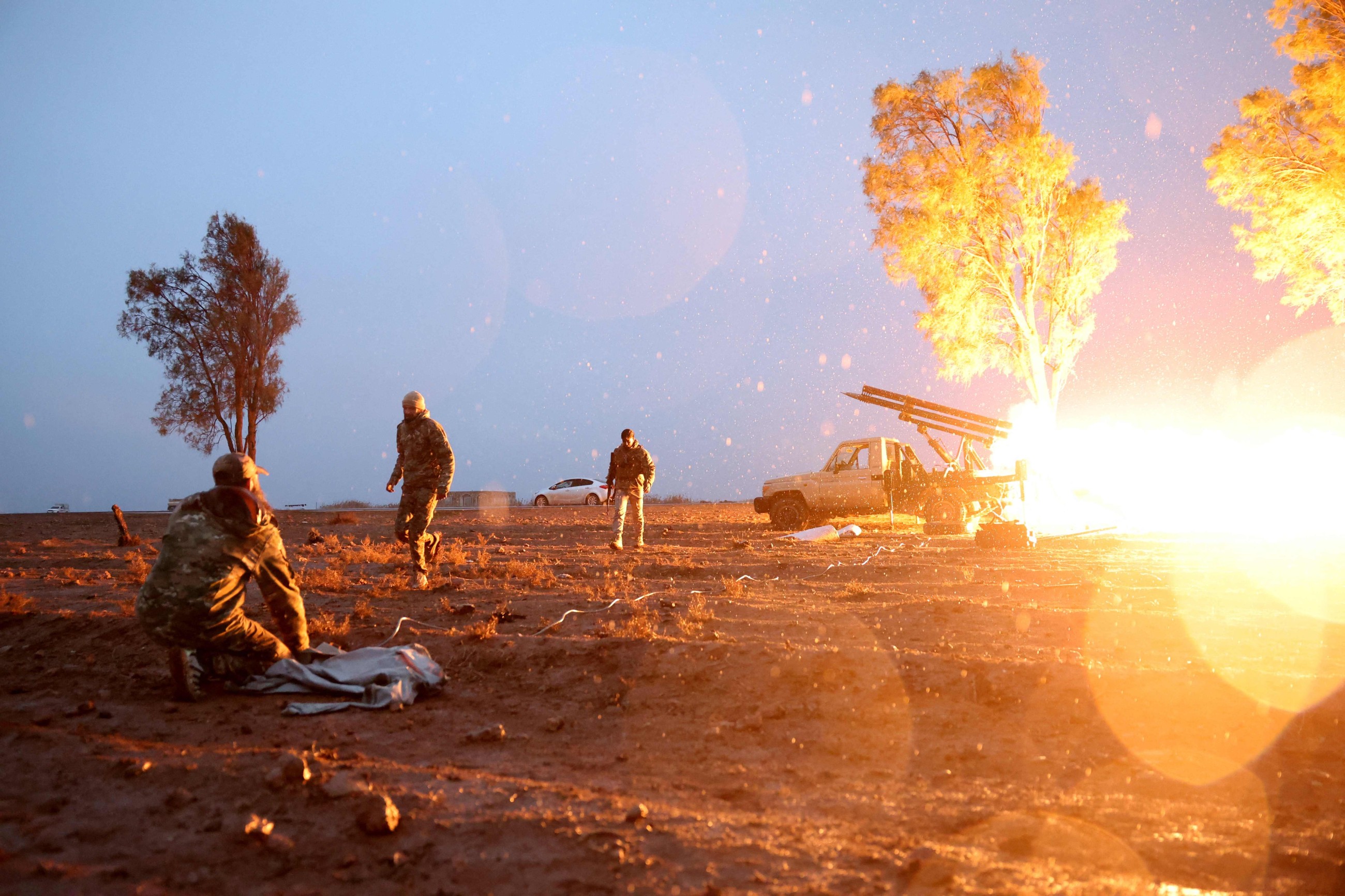
The Kurds have said Friday's announcement fell short of their aspirations, while the implementation of a March deal -- intended to see Kurdish forces integrated into the state -- has stalled.
Government troops drove Kurdish forces from two Aleppo neighbourhoods last week and on Saturday took control of an area east of the city.
On Sunday, the government announced the capture of Tabqa, about 55 kilometres (34 miles) west of Raqa.
"The Syrian army controls the strategic city of Tabqa in the Raqqa countryside, including the Euphrates Dam, which is the largest dam in Syria," said Information Minister Hamza Almustafa, according to the official SANA news agency.
The Kurdish-led Syrian Democratic Forces (SDF), however, said they had "taken the necessary measures to restore security and stability" in Tabqa.
In Deir Hafer, some 50 kilometres east of Aleppo city, an AFP correspondent saw several SDF fighters leaving the town and residents returning under heavy army presence.
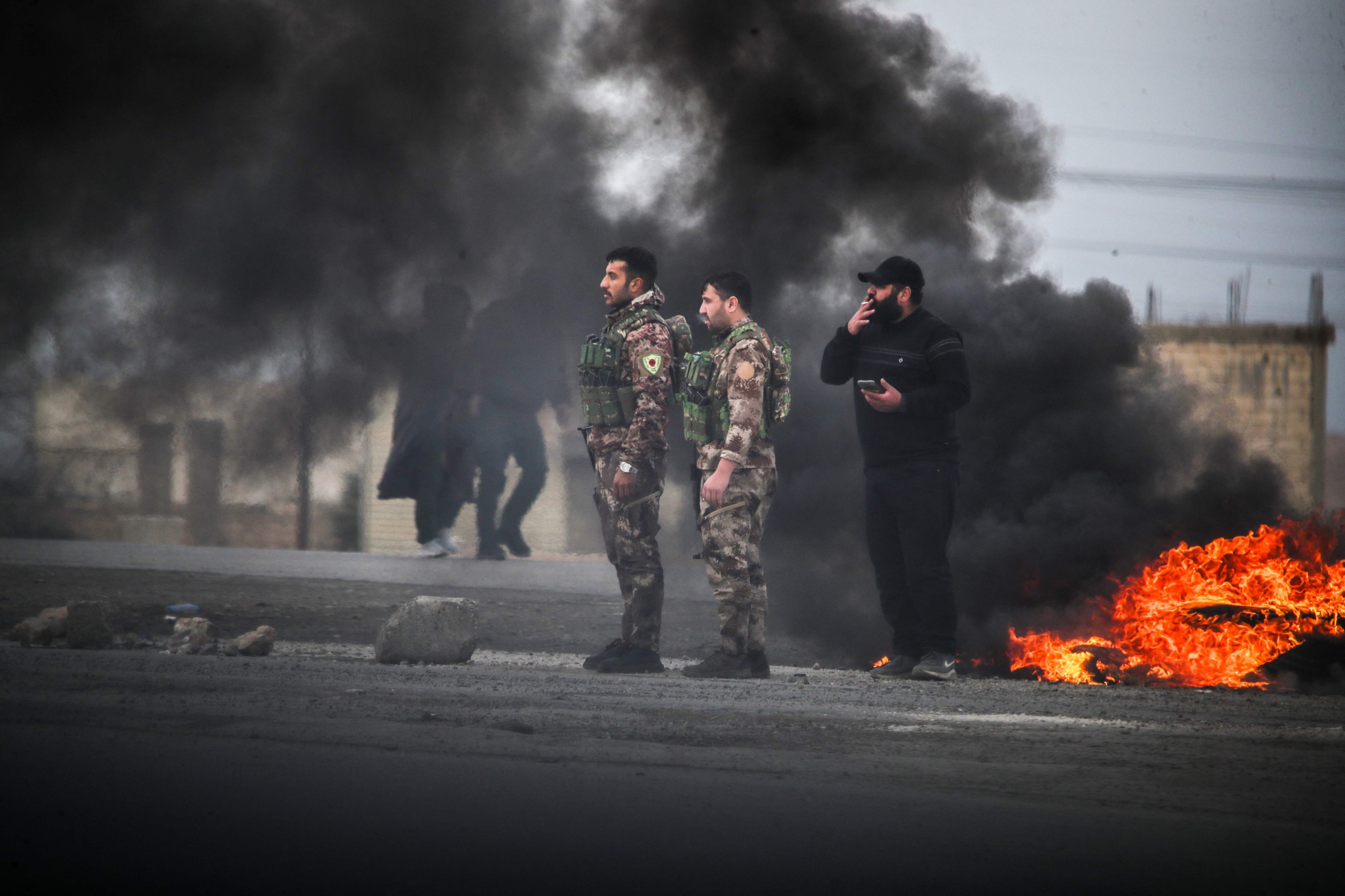
Syria's army said four soldiers had been killed, while Kurdish forces reported several fighters dead. Both sides traded blame for violating a withdrawal deal.
Kurdish authorities ordered a curfew in the Raqa region after the army designated a swathe of territory southwest of the Euphrates River a "closed military zone", warning it would target what it said were several military sites.
The SANA news agency reported Sunday that the SDF destroyed two bridges over the Euphrates in Raqa city, which lies on the eastern bank of the river.
Raqa's media directorate separately accused the SDF of cutting off Raqa city's water supply by blowing up the main water pipes.
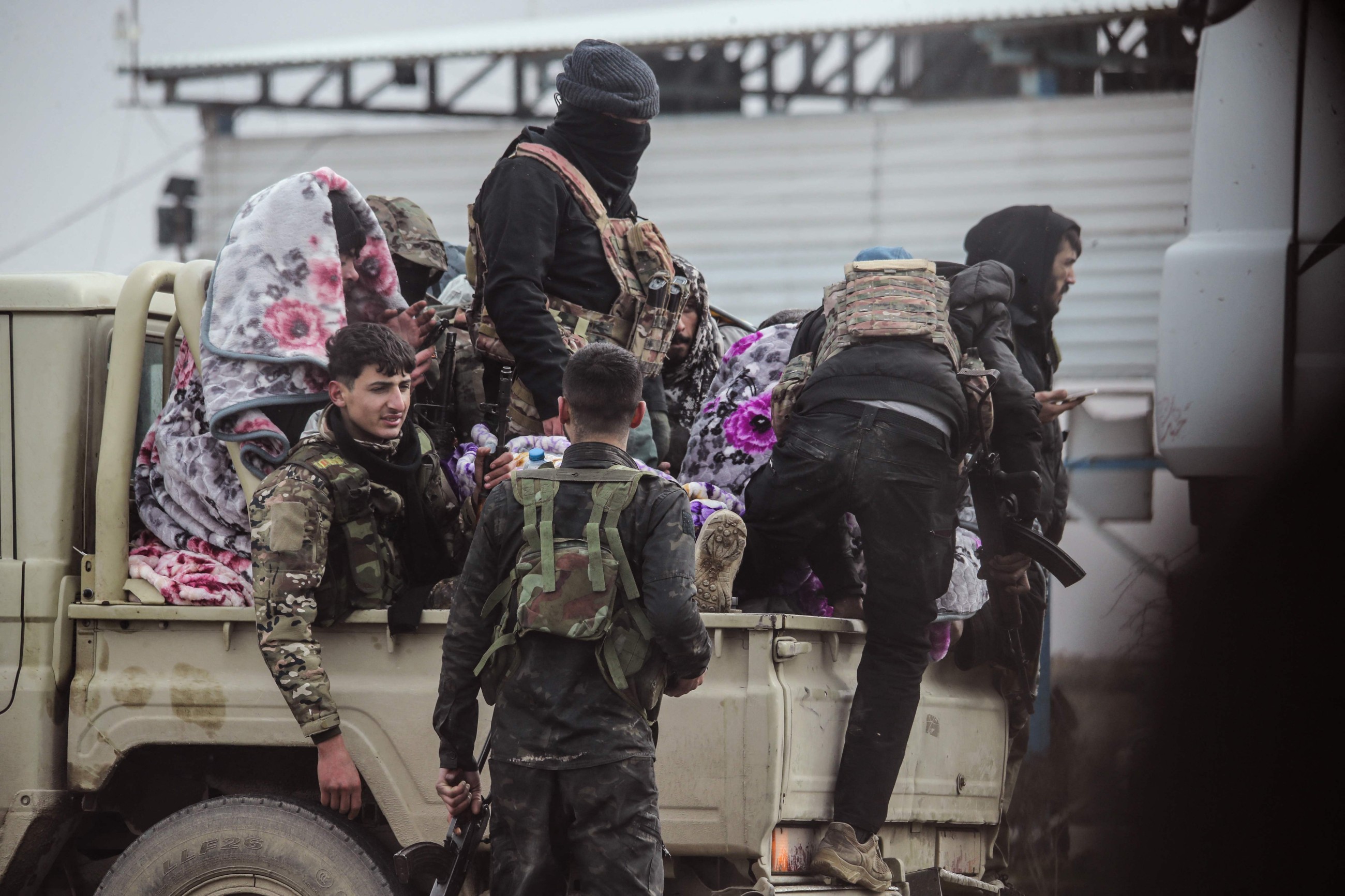
Deir Ezzor governor Ghassan Alsayed Ahmed said on social media that the SDF fired "rocket projectiles" at neighbourhoods in government-controlled territories in the city centre of Deir Ezzor, Al-Mayadin, and other areas.
The SDF said "factions affiliated with the Damascus government attacked our forces' positions" and caused clashes in several towns on the east bank of the Euphrates, opposite Al-Mayadin and which lie between Deir Ezzor and the Iraqi border.
Agence France-Presse