Sudan lost all sources of revenue in the war: Minister
- Last updated: January 14, 2026 | 10:29


Widespread destruction, massive military spending and plummeting oil and gold revenues have left Sudan’s economy in “very difficult times,” army-aligned finance minister Gibril Ibrahim said, nearly three years into the army’s war with rival paramilitary forces.
In an interview, Ibrahim said the government is eyeing deals for Red Sea ports and private investment to help rebuild infrastructure.
This week, Sudan’s prime minister announced the government’s official return to Khartoum, recaptured last year, but Ibrahim’s ministry is among those yet to fully return.
Dressed in combat uniform, the former rebel leader said Sudan, already one of the world’s poorest countries before the war, “lost all sources of state revenue in the beginning of the war,” when the Rapid Support Forces (RSF) overtook the capital Khartoum and its surroundings.
“Most of the industry, most of the big companies and all of the economic activity was concentrated in the centre,” he said, saying the heartland had accounted for some 80 per cent of state revenue.
Ibrahim’s ex-rebel group the Justice and Equality Movement once battled Khartoum’s government but it has fought on the army’s side as part of the Joint Forces coalition of armed groups.
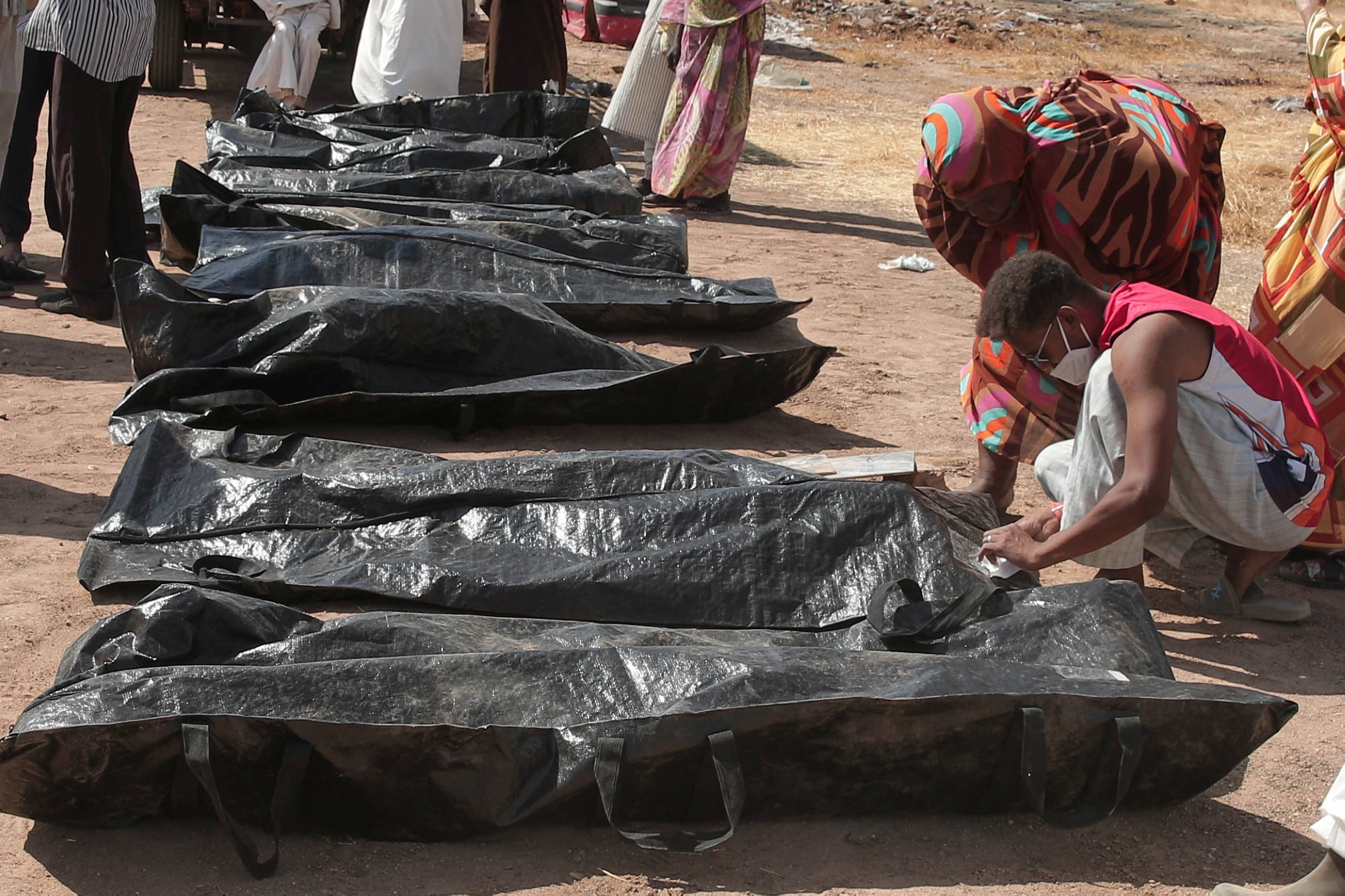
Sudan, rich in oil, gold deposits and arable land, is currently suffering the world’s largest humanitarian crisis, with over half of its population in need of aid to survive.
Gold production is rising year-on-year, but “unfortunately, much of it has been smuggled... across borders, through different countries,” he said.
Of the 70 tonnes produced in 2025, only “20 tonnes have been exported through official channels.”
In 2024, Sudan produced 64 tonnes of gold, bringing in only $1.57 billion to the state’s depleted coffers, with much of the revenue spilling out via smuggling networks.
Agricultural exports have fallen 43 per cent, with much of the country’s productive gum arabic, sesame and peanut-growing regions in paramilitary hands, in the western Darfur and southern Kordofan regions.
Sudan’s livestock industry, also based predominantly in Darfur, has lost 55 per cent of its exports, he said.
Since the RSF captured the army’s last holdout position in Darfur in October, the war’s worst fighting has shifted east to the oil-rich Kordofan region.
While both sides scramble for control of the territory, the country’s oil revenues have dropped by more than 50 per cent — its most productive refinery, Al Jaili near Khartoum, severely damaged.
Agence France-Presse