Myanmar made Rohingya lives a nightmare, Gambian minister tells ICJ judges
Last updated: January 12, 2026 | 17:52
Dawda Jallow (R) waits for the start of the first hearing at the International Court of Justice in which Myanmar is accused of committing genocide against the country's Muslim minority, in the Hague on Monday. Reuters
In this Sept. 7, 2017, file photo, smoke rises from a burned house in Gawdu Zara village, northern Rakhine state, where the vast majority of the country's 1.1 million Rohingya lived, Myanmar. AP
Rohingya refugee children surround a street vendor at the Kutupalong refugee camp in Ukhia on Sunday. AFP
Gambia on Monday told judges at the United Nations' top court that Myanmar targeted minority Muslim Rohingya for destruction and made their lives a nightmare in a landmark case accusing Myanmar of genocide. It is the first genocide case the International Court of Justice (ICJ) is hearing in full in more than a decade. The outcome will have repercussions beyond Myanmar, likely affecting South Africa’s genocide case at the ICJ against Israel over the war in Gaza.Myanmar has denied genocide.
Gambia's Minister of Justice Dawda Jallow told ICJ judges the Rohingya were simple people with dreams of living in peace and dignity. "They have been targeted for destruction," he said.
"Myanmar has denied them their dream, in fact it turned their lives into a nightmare subjecting them to the most horrific violence and destruction one could imagine," according to Jallow.
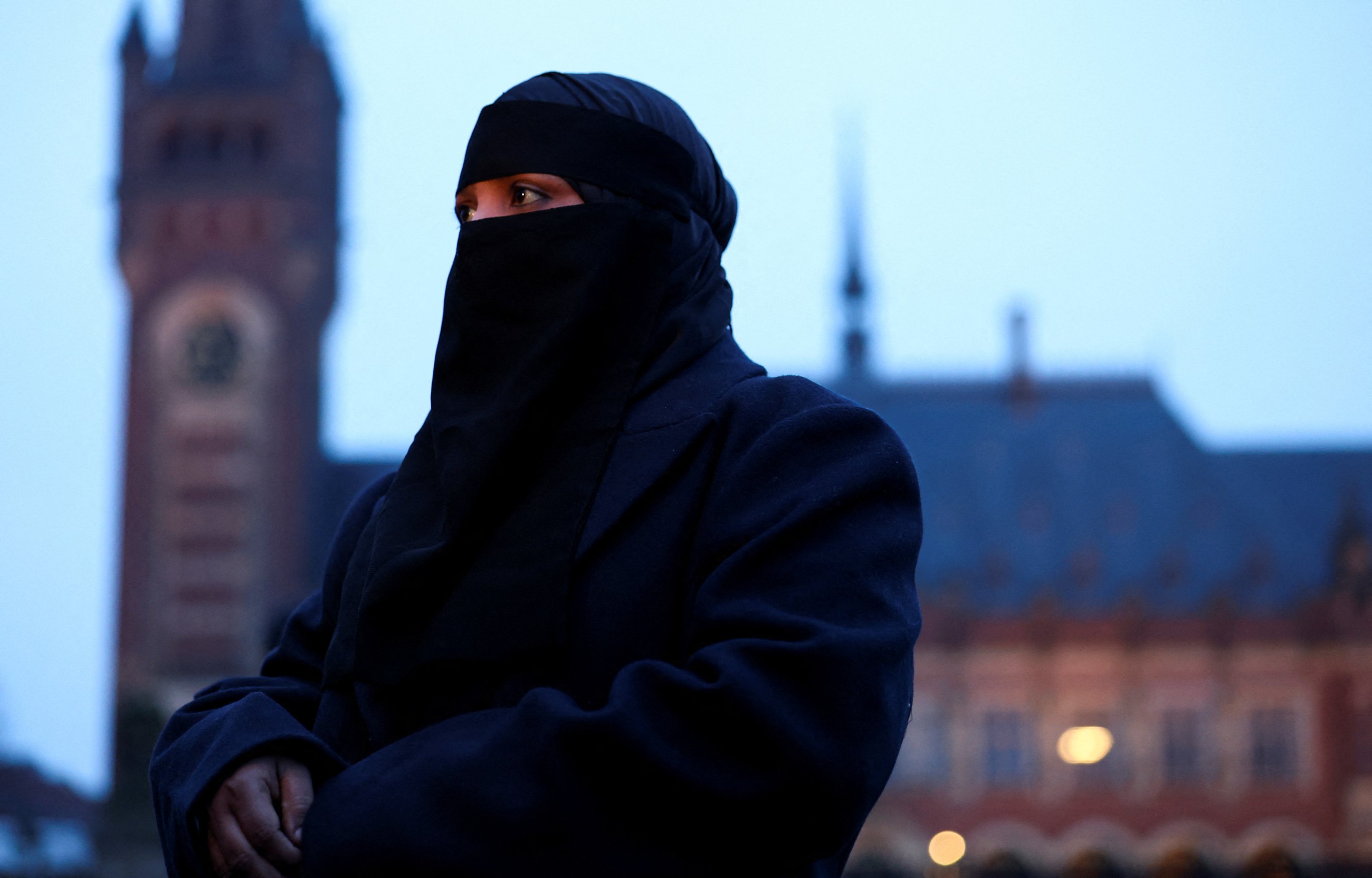
Rohingya refugee Salma speaks to the press as the ICJ starts two weeks of hearings in a landmark case brought by Gambia. Reuters
The predominantly Muslim West African country of Gambia filed the case at the ICJ - also known as the World Court - in 2019, accusing Myanmar of committing genocide against the Rohingya, a mainly Muslim minority in the remote western Rakhine state.
Myanmar's armed forces launched an offensive in 2017 that forced at least 730,000 Rohingya from their homes and into neighbouring Bangladesh, where they recounted killings, mass rape and arson. A UN fact-finding mission concluded the 2017 military offensive had included "genocidal acts."
Now, some 1.2 million members of this persecuted minority are languishing in chaotic, overcrowded camps, where armed groups recruit children and girls as young as 12 are forced into prostitution.
The sudden and severe foreign aid cuts imposed last year by US President Donald Trump shuttered thousands of the camps' schools and have caused children to starve to death.
ROHINGYA VICTIMS SAY THEY WANT JUSTICE
Speaking in The Hague before the hearings, Rohingya victims said they want the long-awaited court case to deliver justice.
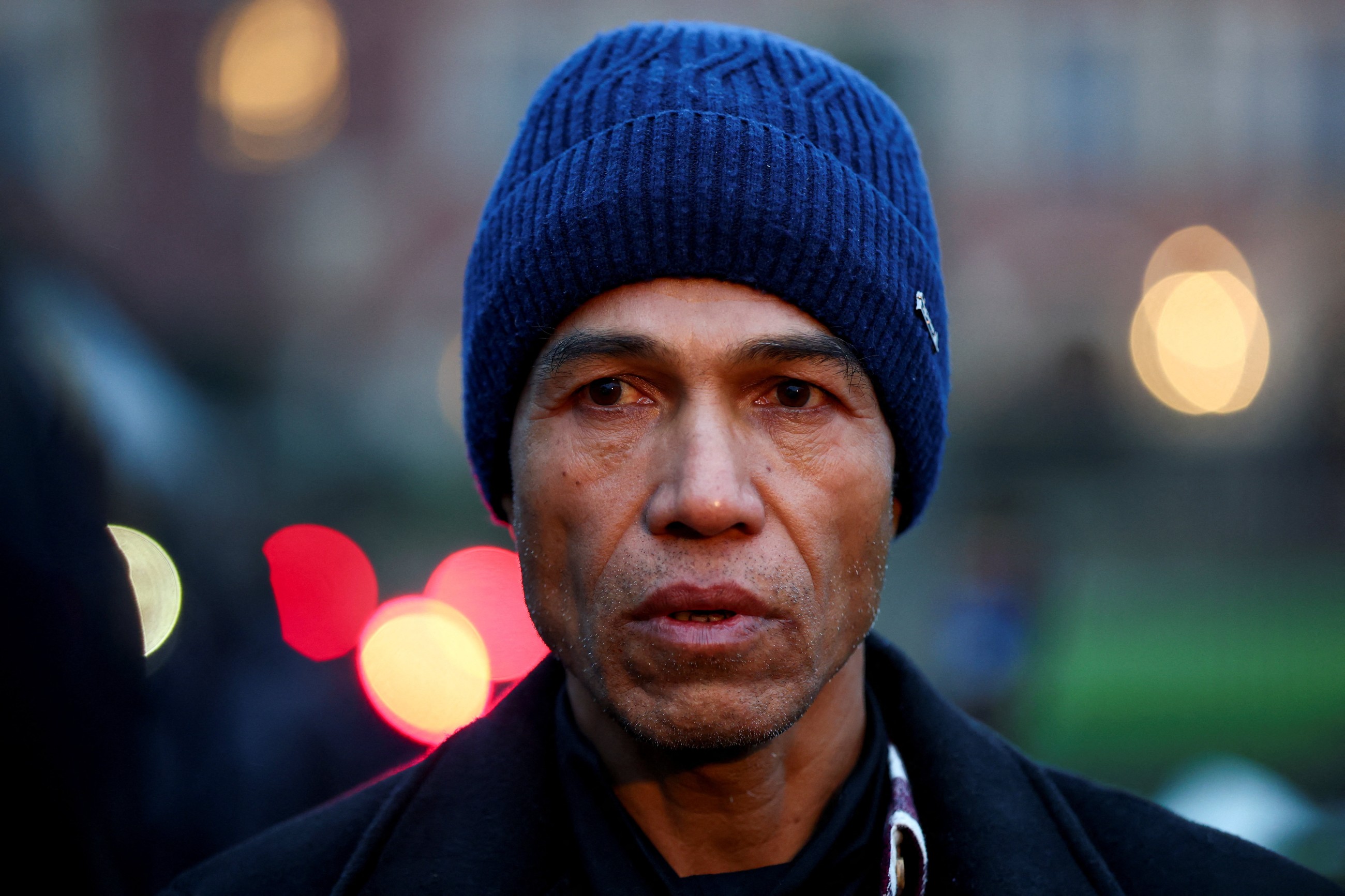
"We are hoping for a positive result that will tell the world that Myanmar committed genocide, and we are the victims of that and we deserve justice," Yousuf Ali, a 52-year-old Rohingya refugee who says he was tortured by the Myanmar military, told Reuters.
Rohingya refugee Yousuf Ali speaks to the press. Reuters
Myanmar authorities rejected that report, saying its military offensive was a legitimate counter-terrorism campaign in response to attacks by militants.
In the 2019 preliminary hearings in the ICJ case, Myanmar's then leader, Aung San Suu Kyi, rejected Gambia's accusations of genocide as "incomplete and misleading."
The hearings at the ICJ will mark the first time that Rohingya victims of the alleged atrocities will be heard by an international court, although those sessions will be closed to the public and the media for sensitivity and privacy reasons. In total, the hearings at the ICJ will span three weeks.
The ICJ is the UN's highest court and deals with disputes between states.
'Physical destruction'
In 2020, the ICJ said Myanmar must take "all measures within its power" to halt any acts prohibited in the 1948 UN Genocide Convention.
These acts included "killing members of the group" and "deliberately inflicting on the group conditions of life calculated to bring about its physical destruction in whole or in part."
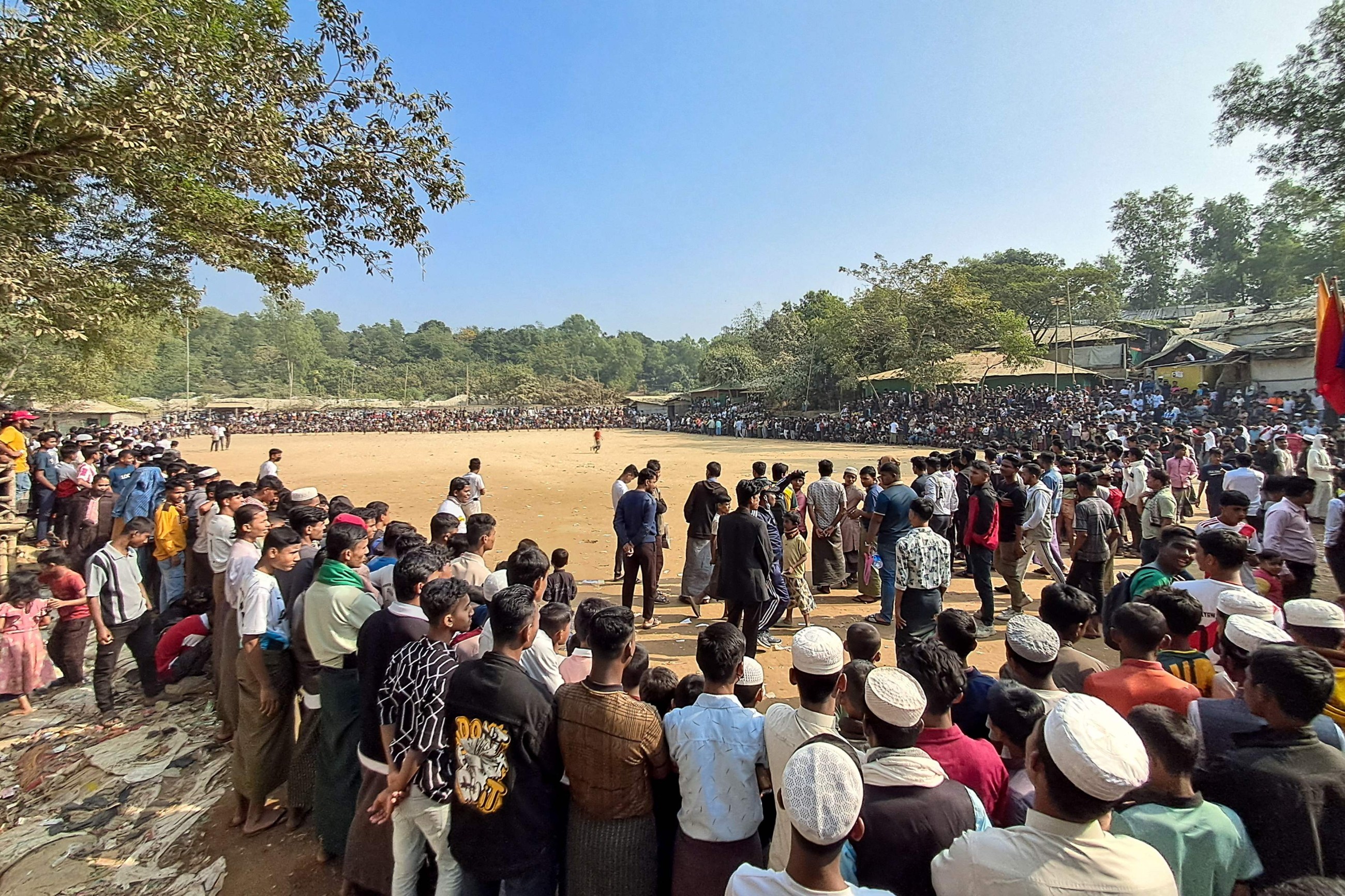
Rohingya refugees gather to play football at the Kutupalong refugee camp in Ukhia on recently. AFP
The United States officially declared that the violence amounted to genocide in 2022, three years after a UN team said Myanmar harboured "genocidal intent" towards the Rohingya.
The ICJ hearings wrap up on January 29. "When the court considers ... all of the evidence taken together, the only reasonable conclusion to reach is that a genocidal intent permeated and informed Myanmar's myriad of state-led actions against the Rohingya said Philippe Sands, arguing for The Gambia.
The ICJ is not the only court looking into possible genocide against the Rohingya — other cases are underway at the International Criminal Court and in Argentina under the principle of universal jurisdiction.
Outside the court, Tun Khin, president of the Burmese Rohingya Organisation UK, told AFP: "We have been waiting for justice for many years." "What's happening to the Rohingya is genocide, intentionally destroying our community. And we want to get justice. And when justice is done, we want to go back to our homeland with all our rights. And we want compensation," he added.
Myanmar has been in further turmoil since 2021, when the military toppled the elected civilian government and violently suppressed pro-democracy protests, sparking a nationwide armed rebellion.
The country is currently holding phased elections that have been criticised by the United Nations, some Western countries and human rights groups as not free or fair.Gambia took up the Rohingya's cause in 2019, backed by the 57-nation Organisation for Islamic Cooperation.