Sharjah's landmark 10th Xposure festival to begin on Jan.29
- Last updated: December 28, 2025 | 14:43


Gulf Today, Staff Reporter
The Global Focus Project (GFP) returns to Xposure 2026 with renewed prominence, taking shape this year as a dedicated Zone within the festival’s new Zones architecture. Part of Xposure’s landmark 10th anniversary edition under the theme “A Decade of Visual Storytelling”, the programme brings together photographers whose work carries the texture of place, the weight of lived experience, and the cultural truths images can hold when words fall short.
Taking place at Aljada, Sharjah, from Jan.29 to Fe.4, 2026, Xposure 2026 will present the GFP Zone through a nomination-only programme.
Photographers cannot apply directly; nominations are submitted by recognised photography professionals, ensuring a curated selection grounded in peer credibility. The programme honours one outstanding male and one outstanding female photographer from each of the six continents: Asia, Africa, North America, South America, Europe, and Oceania. With a focus on long-form documentary work, it highlights projects that speak to global themes while remaining deeply rooted in place.
From Indigenous land defence in Canada to the emotional aftermath of war in Gaza and Ukraine, from the Amazon rainforest to China’s shifting landscapes, GFP Zone offers audiences a rare chance to experience the world through 12 distinct visual languages, with photography that is intimate, culturally rooted, and globally resonant.
Preserving stories that would otherwise go unseen
Commenting on the GFP Zone, Alya Al Suwaidi, Director of SGMB, said: “This project reflects what Xposure has always stood for. It is where photography becomes a cultural connection. GFP brings together six continents through stories that are rooted in place and shaped by lived experience, allowing audiences to meet the world through the eyes of those who know it best.
By giving GFP a dedicated Zone at Xposure 2026, we are elevating these voices within the festival’s new architecture and reaffirming Sharjah’s role as a cultural capital where diverse narratives are welcomed, respected, and shared. The work documented in this Zone is not only visually powerful, it is historically important, because it preserves moments that may never be recorded again, and stories that might never otherwise travel beyond their communities.”
Asia: Endurance, memory, and survival shaped by land and war
The Asian projects anchor the Global Focus Project Zone in places where history is carried by land and survival is shaped by ongoing conflict. In The Yellow River, Chinese photographer Kechun Zhang, internationally recognised for his long-form documentation of China’s transforming landscapes, traces the country’s most symbolic river as both origin and warning.
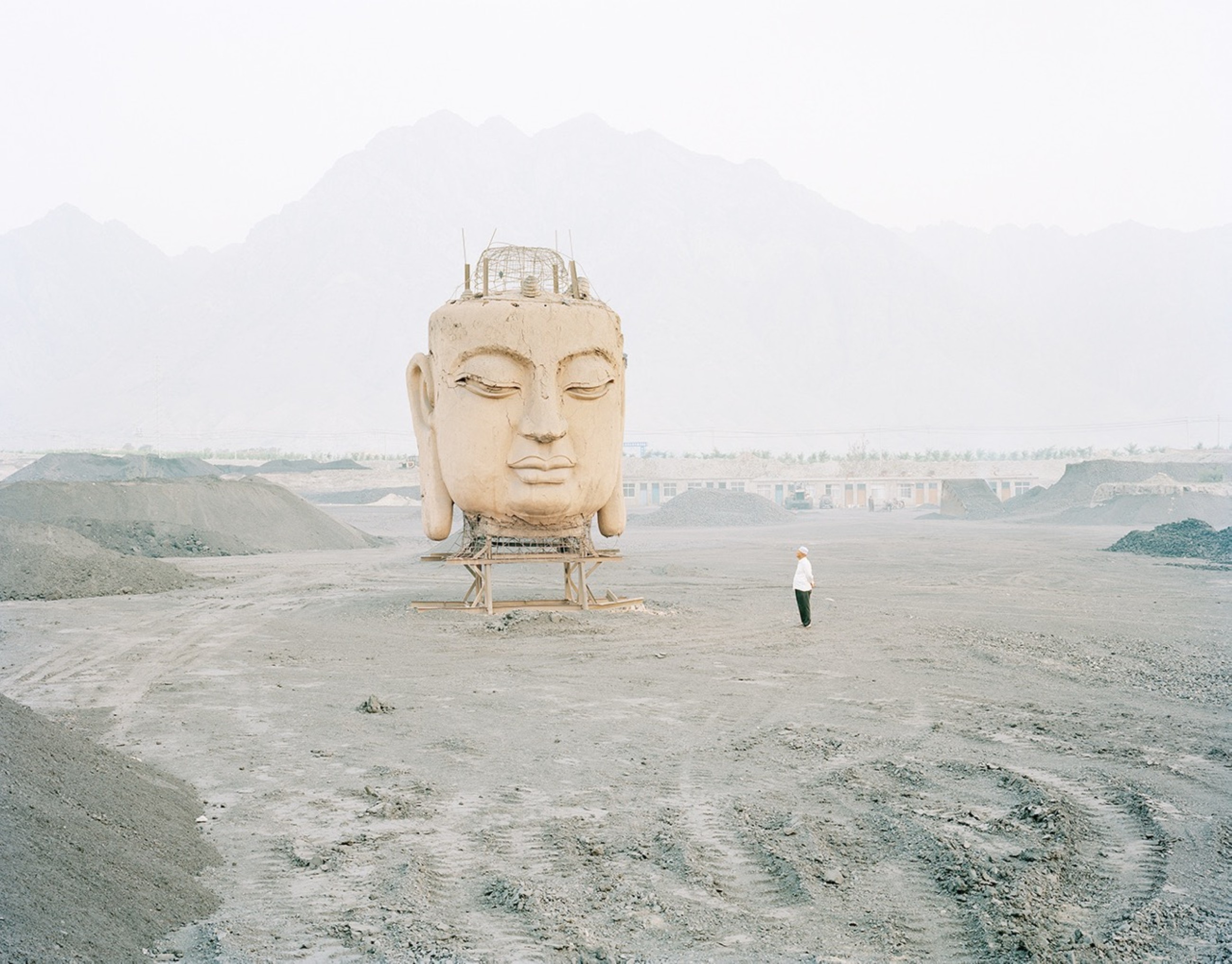
His restrained, expansive images reflect environmental loss alongside resilience, offering a portrait of a nation negotiating memory and modernity.
In Out of Gaza, Palestinian photographer Samar Abu Elouf documents wounded civilians receiving medical care outside the territory, following recent events.
Published widely by international media, her work focuses on the humanitarian dimensions of the events and reflects on how people adapt to the changes they have brought.
Africa: Labour, belonging, and dignity reclaimed through visibility
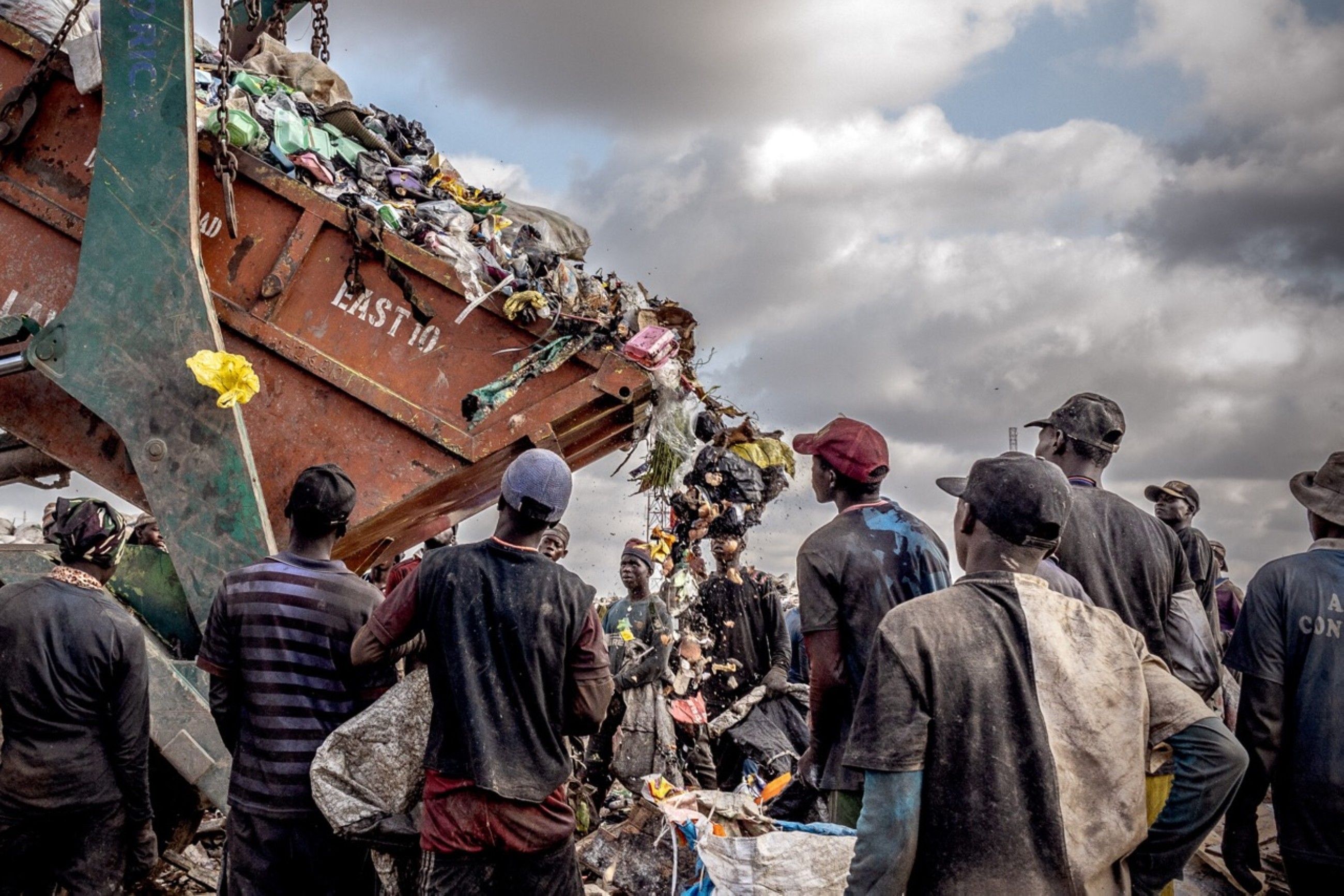
The African projects confront invisibility head-on, placing dignity and collaboration at the centre of visual storytelling. Nigerian photographer Oyewole Lawal spent extended time at Olusosun, Africa’s largest landfill, documenting waste workers whose daily labour quietly reduces environmental harm.
In Earth’s Frontline Guardians of Gaia: The Unseen Eco-Warriors, his images elevate these men and women from social margins to essential environmental actors, working at personal risk within systems that rarely acknowledge their contribution.
In White Gold, by Egyptian photographer Amina Kadous, the project is rooted in the city of El Mehalla Al Kobra, historically shaped by the cultivation of Egyptian cotton and generations of textile labour. Drawing on her family’s legacy, beginning with her grandfather, who founded a spinning and weaving factory in 1969, and continued by her father. Her work examines the intersection of personal memory and the official history of Egyptian cotton.
South America: Ancestral land, environmental injustice, and the cost of extraction
In South America, photography becomes a form of accountability. Alessandro Cinque, whose investigative work on environmental injustice has received major international recognition, presents El Precio de la Tierra, an eight-year journey through mining communities in Peru. His images expose the human cost of extraction, from contaminated water to long-term health damage and the erosion of Quechua identity rooted in Pachamama, revealing landscapes made vulnerable by global demand.
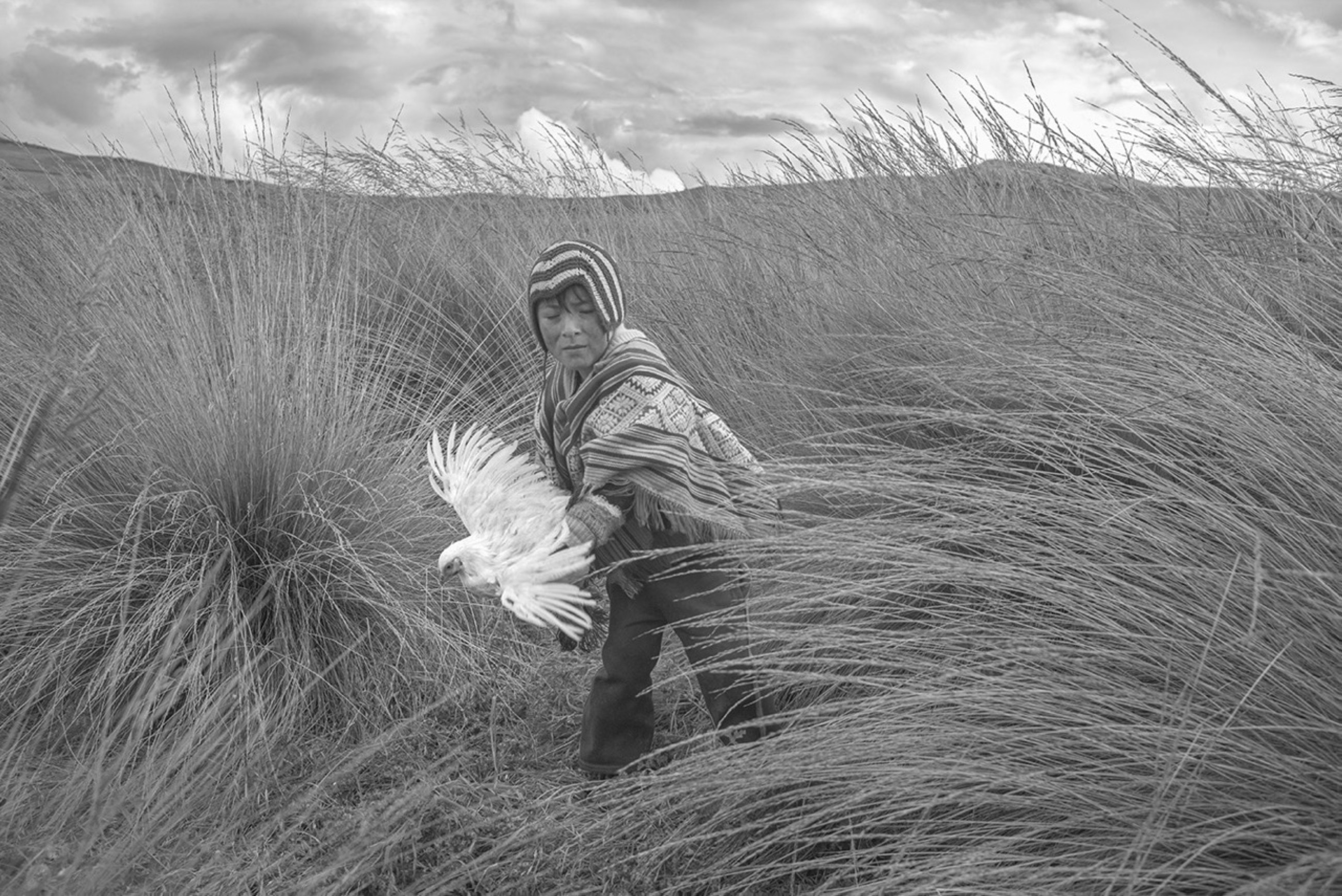
In Portraits of the Multiverse, Peruvian artist and educator Ana Sotelo collaborates with Shipibo Kené master Sadith Silvano to merge photography with ancestral embroidery. Together, they construct a visual language that moves between forest and cosmology, challenging colonial separations between art, knowledge, and nature while centring Indigenous ways of seeing the world.
North America: Borders, land rights, and movement without certainty
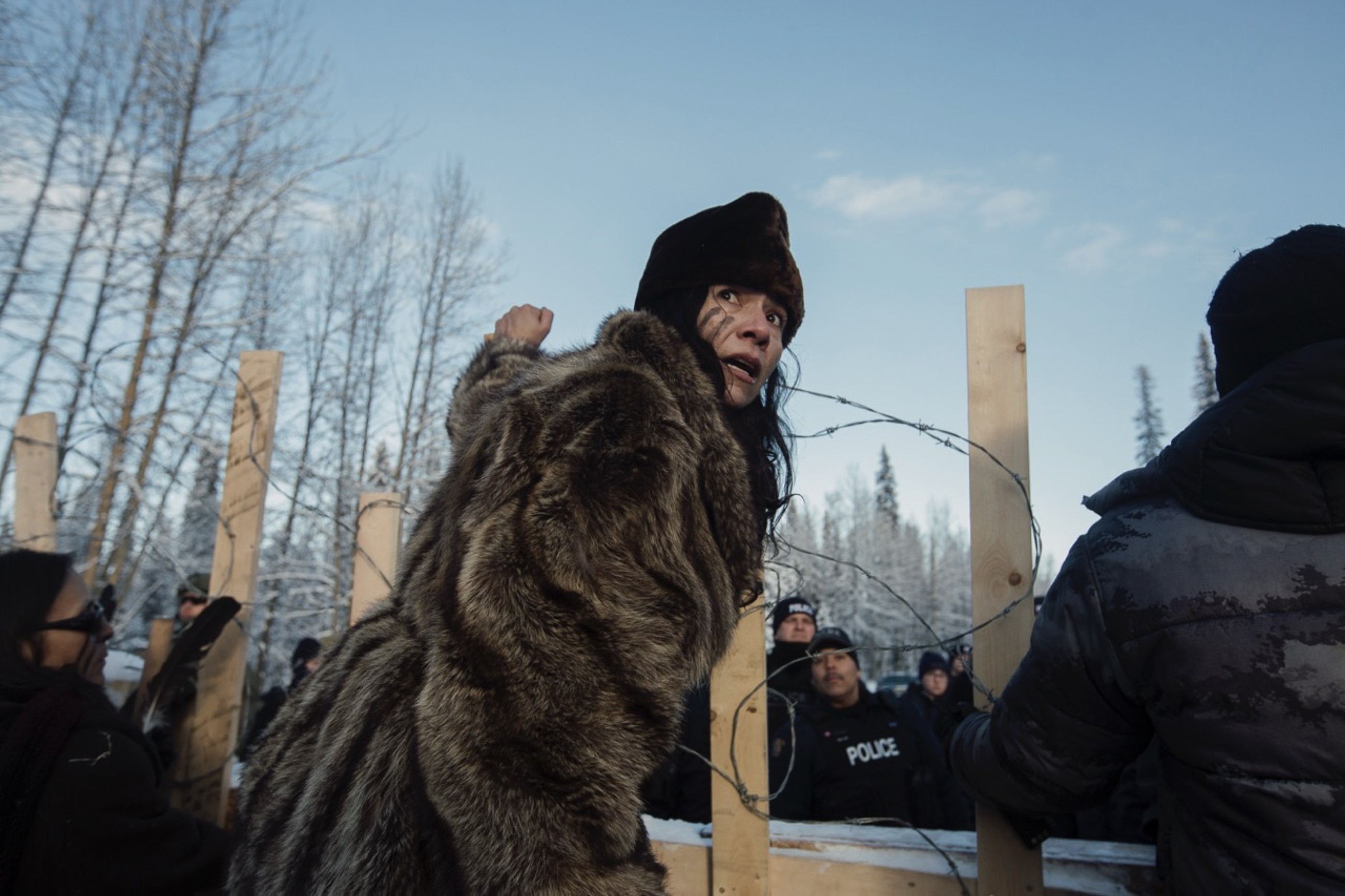
The North American projects unfold across contested ground where power, territory, and mobility shape everyday life. Canadian photojournalist Amber Bracken, widely recognised for her reporting on Indigenous rights, documents Wet’suwet’en Resistance in unceded territory in British Columbia.
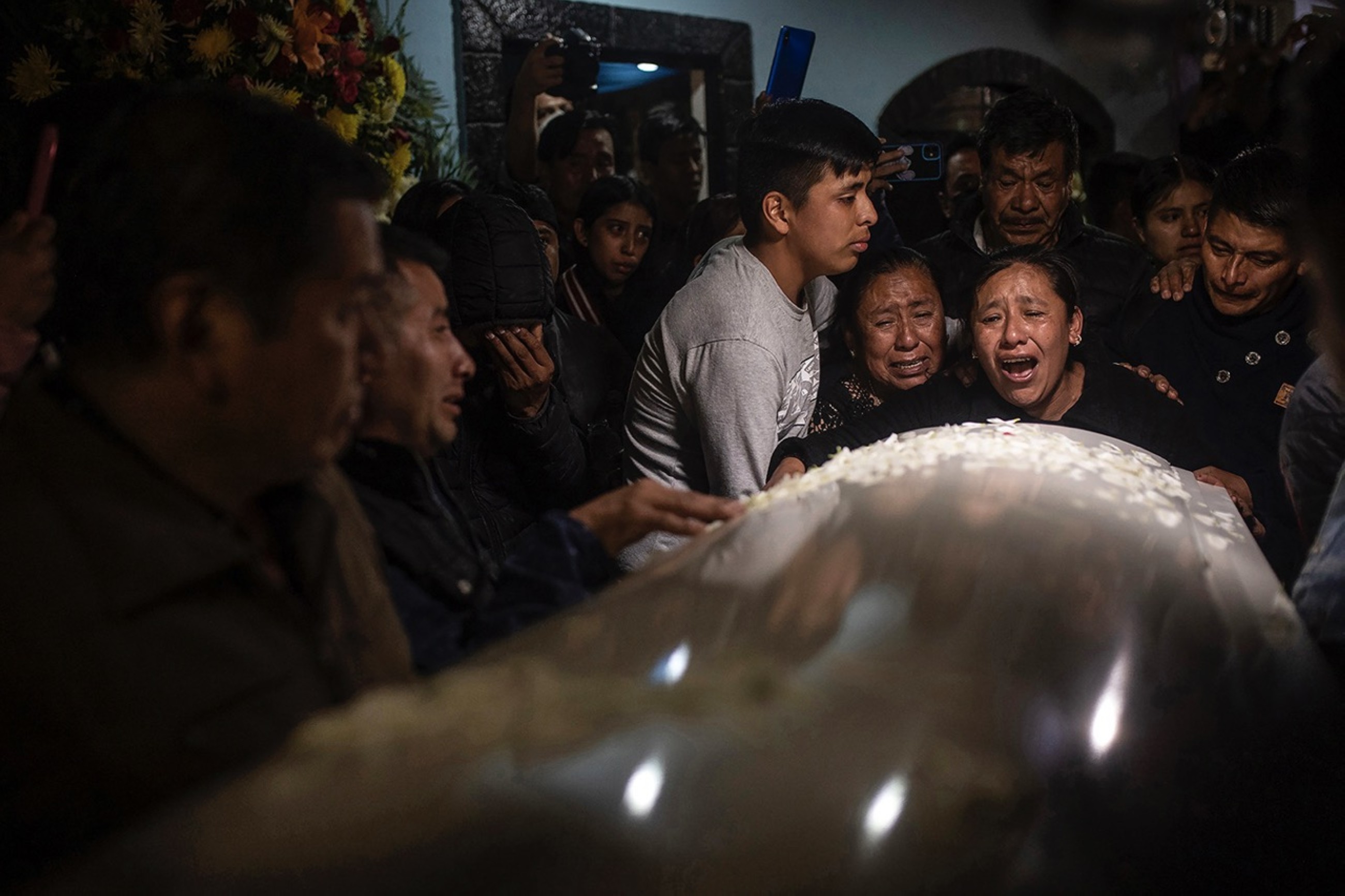
Her work reveals how the language of reconciliation fractures when confronted with police enforcement, land defence, and ancestral law.
In With No Ithaca Awaiting, Mexican photographer Felix Márquez, a Pulitzer Prize-winning visual journalist, traces migration across Mexico not as a journey toward arrival, but as a condition of constant movement. His photographs focus on exhaustion, waiting, and vulnerability, offering a deeply human account of displacement shaped by violence, climate pressure, and exclusion.
Europe: Identity shaped by climate change and war
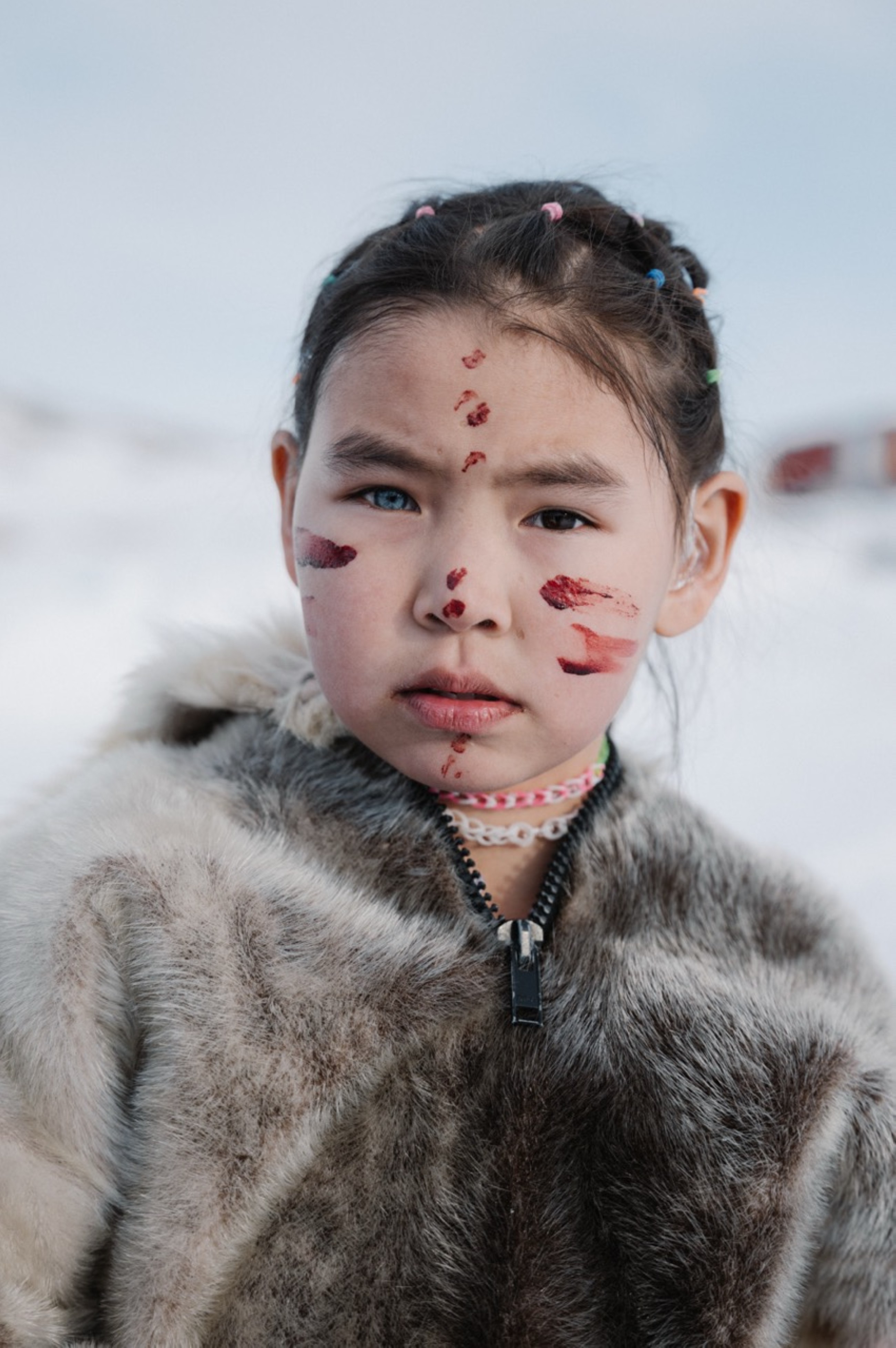
European projects explore how identity endures under environmental and political pressure. In SILA, Slovenian photographer and National Geographic Explorer Ciril Jazbec follows Inuit youth on Uummannaq Island in Greenland as they navigate tradition and modern life in a rapidly changing Arctic environment. Developed over several years, the project blends photography and film to capture resilience, grief, and belonging at the frontline of climate change.
In When the Smoke Clears, American photographer Svet Jacqueline, now based in Ukraine, documents civilian life away from the battlefield. Her work focuses on daily survival, underground classrooms, families sheltering at night, and children playing among ruins, revealing how humanity persists through routine even as war reshapes the ground beneath it.
Oceania: Landscape as memory, responsibility, and inheritance
In Oceania, land is both witness and inheritance. Australian photographer Aletheia Casey, whose work has received major international recognition, responds to the country’s catastrophic wildfires in A Lost Place. Through transformed landscapes and museum specimens, she links ecological devastation to colonial history, holding grief, anger, and fragile beauty in uneasy balance.
In Out of Context, French artist Joel Benguigui, working between Australia, Europe, and Southeast Asia, presents a slow, film-based meditation on place and lineage. Moving across waterways, volcanic islands, urban networks, and coastal environments, his work explores how belonging is shaped not only by geography, but by memory, movement, and return.
Global Focus Project Zone within Xposure’s 10th anniversary edition
Organised by the Sharjah Government Media Bureau (SGMB), Xposure 2026 will bring together a major global community of creators and experts. The festival will feature over 126 talks and panel discussions, 72 workshops, and 280 portfolio reviews led by global experts. Audiences will explore 95 exhibitions showcasing 3,200 artworks, while the Xposure International Photography and Film Awards 2026 have drawn 29,000 photography entries and 634 film entries from 60 countries, reinforcing the festival’s scale, and underscoring the cultural momentum and global demand for meaningful platforms. Registration is open at xposure.net.