Millions of Afghans face hunger as aid cuts deepen crisis
- Last updated: December 27, 2025 | 18:54


For 10 hours a day, Rahimullah sells socks from his cart in eastern Kabul, earning about $4.5 to $6 per day. It's a pittance, but it's all he has to feed his family of five.
Rahimullah, who like many Afghans goes by only one name, is one of millions of Afghans who rely on humanitarian aid, both from the Afghan authorities and from international charity organisations, for survival. An estimated 22.9 million people - nearly half the population - required aid in 2025, the International Committee for the Red Cross said in an article on its website on Monday.
But severe cuts in international aid - including the halting of US aid to programs such as food distribution run by the United Nations' World Food Programme - have severed this lifeline.
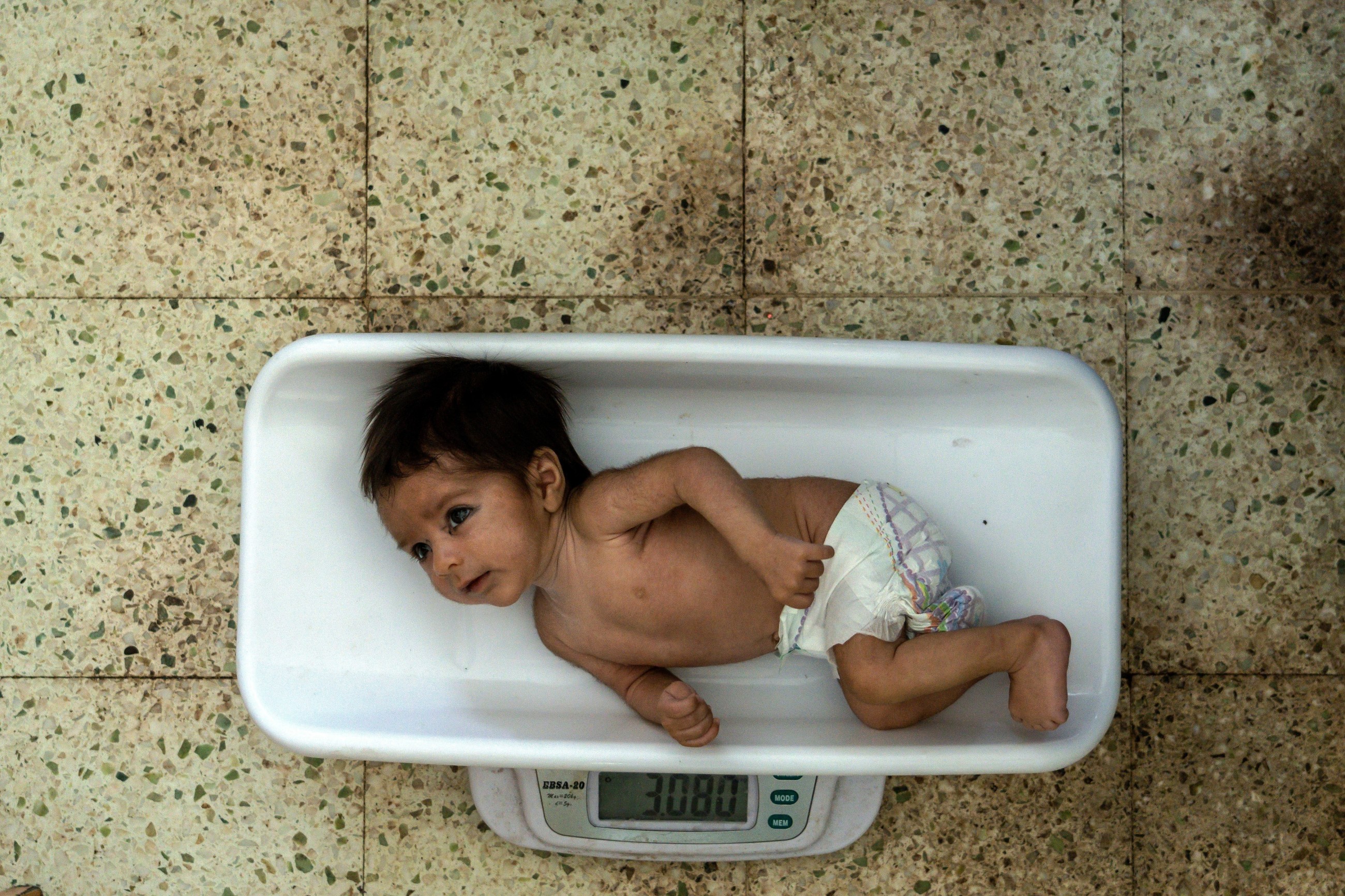
More than 17 million people in Afghanistan now face crisis levels of hunger in the winter, the World Food Programme warned last week, 3 million more than were at risk more than a year ago.
The slashing in aid has come as Afghanistan is battered by a struggling economy, recurrent droughts, two deadly earthquakes and the mass influx of Afghan refugees expelled from countries such as Iran and Pakistan. The resulting multiple shocks have severely pressured resources, including of housing and food.
Tom Fletcher, the UN humanitarian chief, told the Security Council in mid-December that the situation was compounded by "overlapping shocks," including the recent earthquakes and increasing restrictions on humanitarian aid access and staff.
While Fletcher said nearly 22 million Afghans will need UN assistance in 2026, his organisation will focus on 3.9 million facing the most urgent need of lifesaving help due to reduced donor contributions.
Fletcher said this winter was "the first in years with almost no international food distribution."
"As a result, only about 1 million of the most vulnerable people have received food assistance during the lean season in 2025," compared to 5.6 million last year, he said.
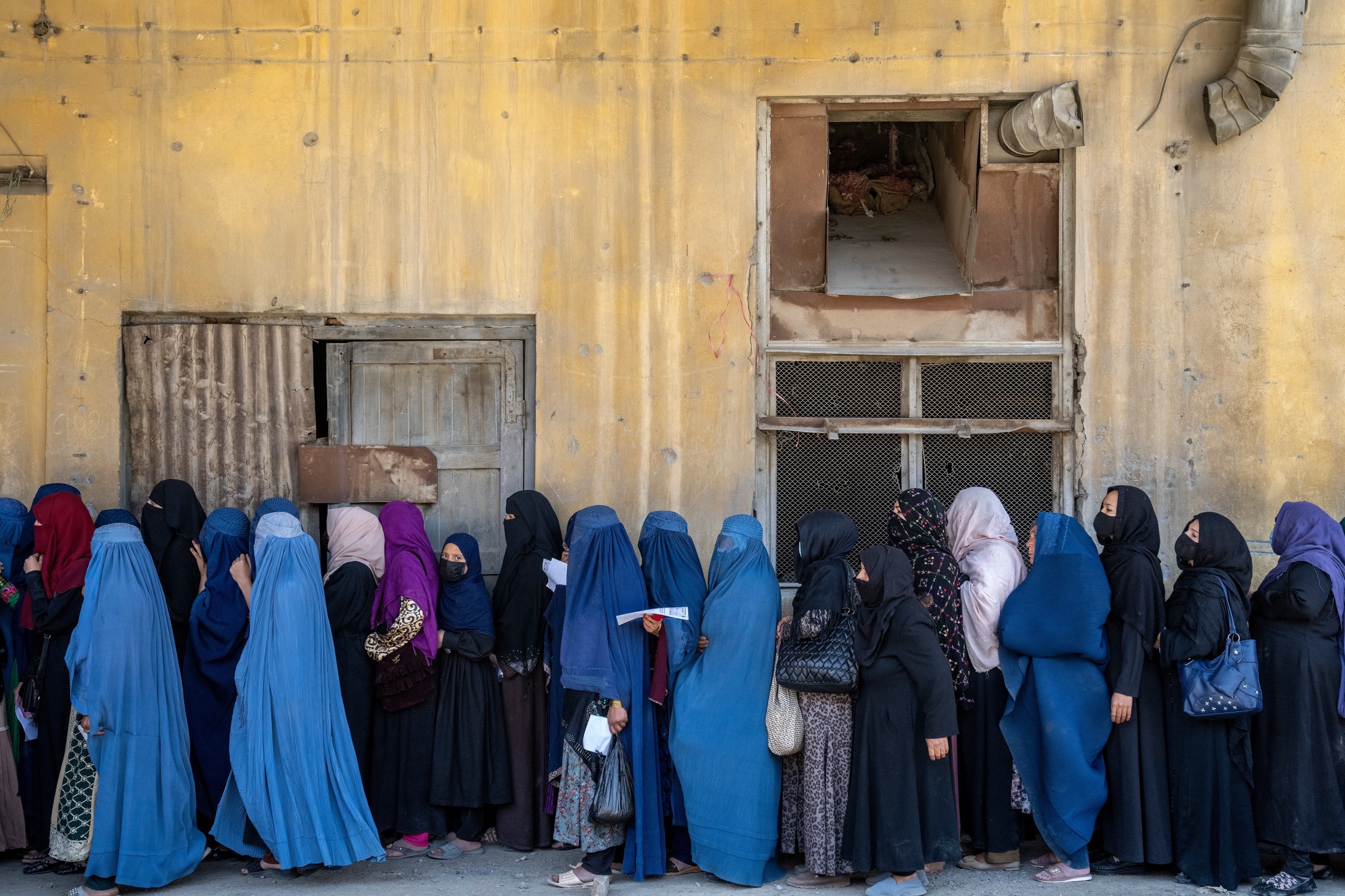
The year has been devastating for UN humanitarian organisations, which have had to cut thousands of jobs and spending in the wake of aid cuts.
"We are grateful to all of you who have continued to support Afghanistan. But as we look towards 2026, we risk a further contraction of life-saving help - at a time when food insecurity, health needs, strain on basic services, and protection risks are all rising," Fletcher said.
Associated Press