Imran Khan healthy but cut off in jail, sister says as family seeks access
- Last updated: December 3, 2025 | 11:22


Tariq Butt , Gulf Today Correspondent / Reuters
Imran Khan, Pakistan's jailed former prime minister, is in good physical health but facing isolation and psychological strain, his sister said on Tuesday, after a rare supervised visit following weeks in which his family said access had been blocked.
Uzma Khanum, one of Khan's three sisters, was the only family member permitted to meet him in Adiala Jail, where supporters of his Pakistan Tehrik-e-Insaf (PTI) party had gathered outside to protest against conditions of his detention. She told reporters her brother "looked healthy" but had been confined indoors for long periods with no communication with relatives or aides.
"He is physically well," said Khanum, who is a doctor. "But he is kept inside all the time and only goes out for a short while. There is no contact with anybody."The meeting took place under strict supervision and without mobile devices, she said, declining to provide further details.
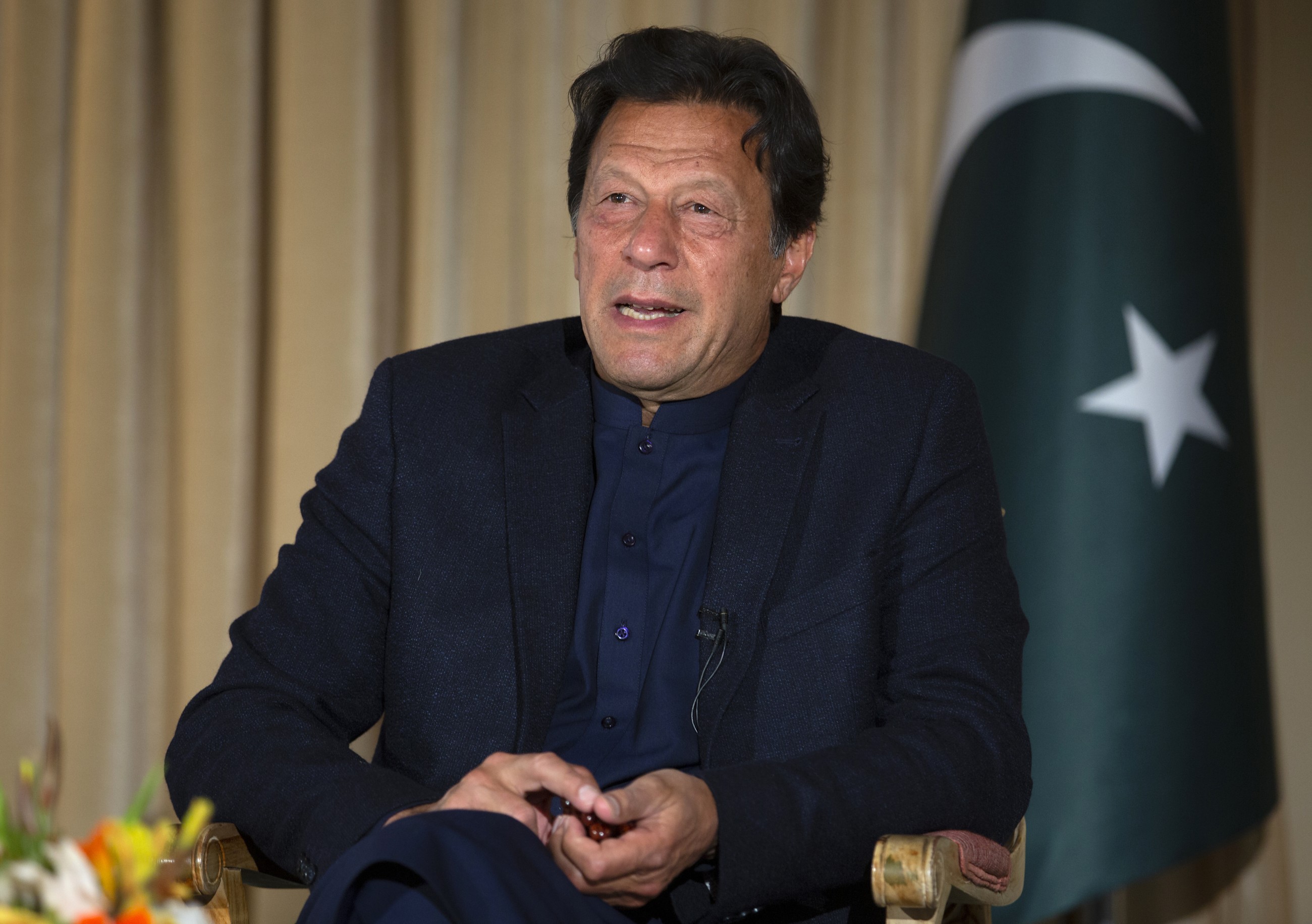
Khan, 73, who served as prime minister from 2018-2022, has been in jail since his August 2023 arrest on corruption charges and is serving sentences in several cases he says are politically motivated.PTI says routine visits have been blocked for weeks despite court orders, fuelling rumours about his condition and possible prison transfers.
Authorities deny any mistreatment and say Khan is receiving all entitlements available to prisoners.
Minister of State for Interior Talal Chaudhry said decisions about prison visits were up to jail officials and not under control of the government.
Chaudhry said that compliance with Section 144 that prohibits assembly of four and more persons at one place would be ensured in Islamabad and Rawalpindi. "Whether they come to the IHC or the Adiala jail, action under Section 144 would be carried out without any discrimination," Chaudhry warned while speaking to the media.
He particularly urged PTI-backed parliamentarians to "abide by the law" According to reports from the twin cities, security arrangements have been in place in Rawalpindi, with pickets set up on routes leading to the Adiala jail.
Meanwhile, roads leading to the Red Zone, which houses key government buildings, from Serena Hotel and the National Database and Registration Authority (NADRA) office have been blocked.
Chaudhry said Section 144 had been imposed in the twin cities "in light of intelligence reports". He further linked the matter to terrorism, saying: "Terrorists look for instances [which they can use] to spread fear and make headlines; be it a political gathering, courts or important places or offices." The minister said that terrorists used social media applications, particularly for communication. "They use these apps with virtual private networks (VPNs) to hide their identities and locations."
So, Chaudhry said, the interior ministry had decided that it, along with the Pakistan Telecommunication Authority (PTA), would find a solution to this problem. Rawalpindi police said effective arrangements had been made to ensure law and order in the city. In a statement, police said at least 3,000 security officers were performing traffic and other security duties. The force said that the Rawalpindi police would deal strictly with those who breached the law and it would ensure the implementation of Section
Last week, one of Khan's sons told Reuters the family had no direct or verifiable contact with him for more than three weeks and "no verifiable information at all" about his condition, saying they feared "something irreversible" might be concealed.
They have also sought renewed access for his personal physician, who has not examined him for over a year.Pakistan's Human Rights Commission, an independent rights monitor, said in a post on X it was "seriously concerned" by reports that Khan had been subjected to restrictive detention conditions and limits on family meetings.
It called for regular access to relatives and legal counsel, which it described as a "fundamental safeguard against isolation and misuse of detention powers", and urged authorities to comply with constitutional and international standards of humane treatment.