World must act now to halt 'horrific atrocities' in Sudan's El Fasher: UN
Last updated: November 10, 2025 | 20:19
People cross the border between Chad and Sudan at the Tine border post in Chad. AFP
Displaced people from the towns of Bara and Umm Dam Haj Ahmed in North Kordofan State take shelter in Omdurman, part of greater Khartoum, on November 10, 2025. Over 36,000 Sudanese civilians have fled towns and villages in the Kordofan region east of Darfur, according to the UN, as the paramilitary warned that its forces were massing along a new front line. In recent weeks, the central Kordofan region has become a new battleground in the two-year war between Sudan's army and the paramilitary Rapid Support Forces. (Photo by Ebrahim Hamid / AFP). AFP
A Sudanese refugee walks past her shelter at the Tine transit camp in Chad on November 8, 2025. With the last army stronghold in Sudan's western Darfur region having fallen to paramilitary forces on October 26, the United Nations expects a mass influx of refugees, but it is unclear how many will actually make it to neighbouring Chad.
The Rapid Support Forces (RSF), fighting a brutal war with Sudan's army for more than two years, claimed full control of El-Fasher, having besieged the capital of North Darfur state for nearly 18 months, causing countless thousands of people to flee. (Photo by Joris Bolomey / AFP)
The world must act immediately to halt the "horrific atrocities" in Sudan's El Fasher, the UN rights chief told AFP on Monday, urging countries not to wait until a "genocide" was declared.
Since El Fasher's takeover after a gruelling 18-month siege, the United Nations and rights monitors have reported widespread atrocities, including ethnically-driven killings and abductions.
"It's clear that atrocity crimes are being committed as we speak," UN Commissioner for Human Rights Volker Turk told AFP in an interview, stressing that the siege had in itself been "an atrocity crime."
"People were beleaguered and under siege, under horrific conditions, no food, hardly any water... We have reports of people having to eat animal feed, for example, eating peanut shells."
Pointing to the declaration of famine in some parts, he said it was "so desperate... with children dying of starvation."
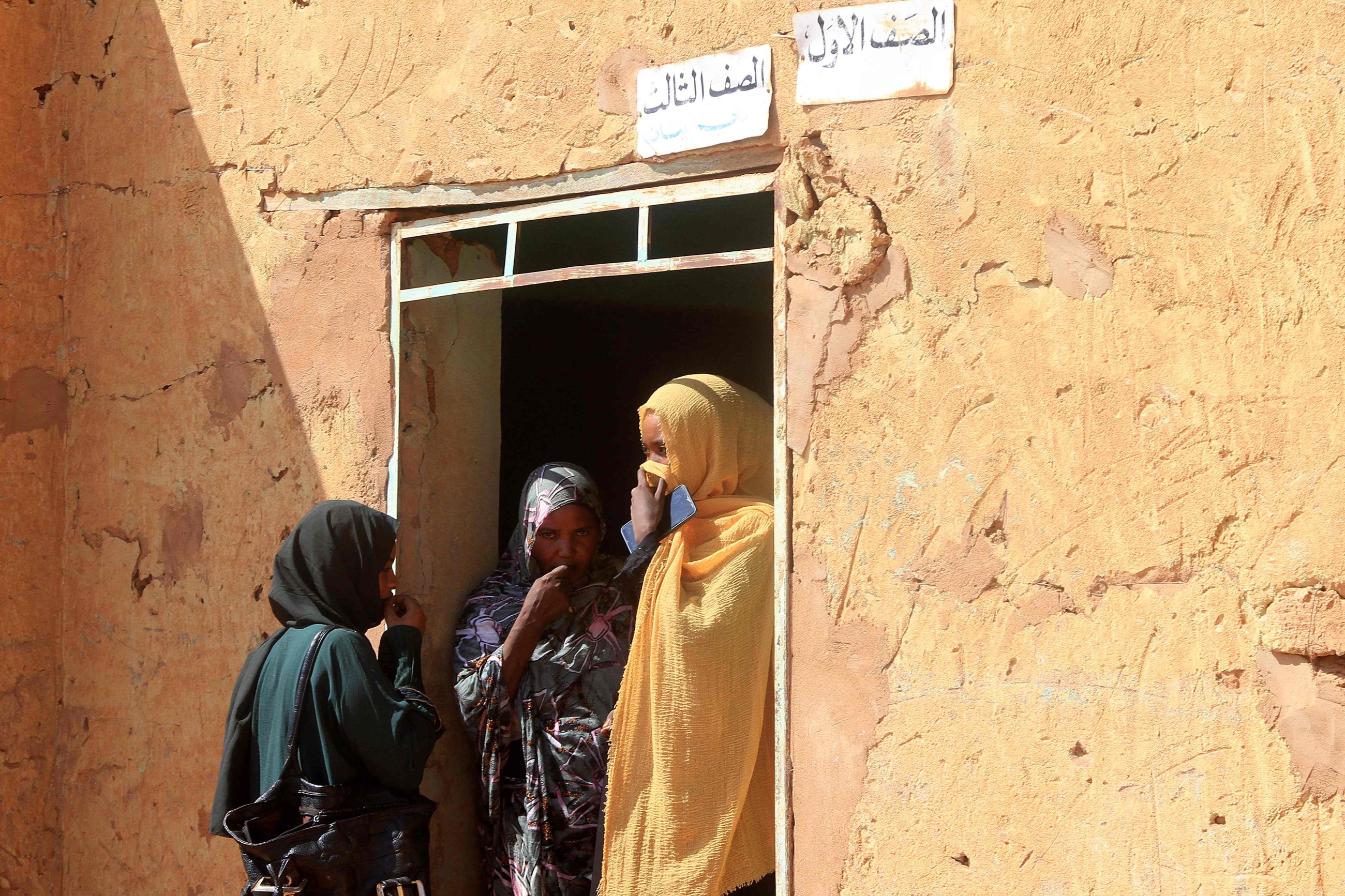
Three women take shelter in Omdurman, part of greater Khartoum, on Monday. AFP
Since the RSF had swept in, Turk said his office had received "credible evidence of mass killing; that when people are trying to flee this horrible situation, they get shot at."
"There are very serious reports of rape and sexual violence and gang rape, (and) we have very serious issues of killings of those who are supposedly collaborators," he said.
Asked if he feared a genocide might be underway, Turk stressed that "whether or not it qualifies for genocide is again for traditional authorities to say."
But, he insisted, "we shouldn't wait for any of this. We should act now, when these horrific atrocities are being committed as we speak." "You don't need to wait until the court decides that it's been genocide."
The rights chief said there were fears that the atrocities unfolding in El Fasher might be repeated in Sudan's oil-rich Kordofan region.
"I hope that the international community really wakes up," he said, lamenting that "all the warnings that we have given over the whole year... were not heeded."
It was vital to ensure there "is not a repeat again of similar things in North Kordofan," he said, cautioning that "the signs for it are extremely worrying."