Brain health must be part of every conversation about healthy aging
- Last updated: October 28, 2026 | 14:17


Gulf Network
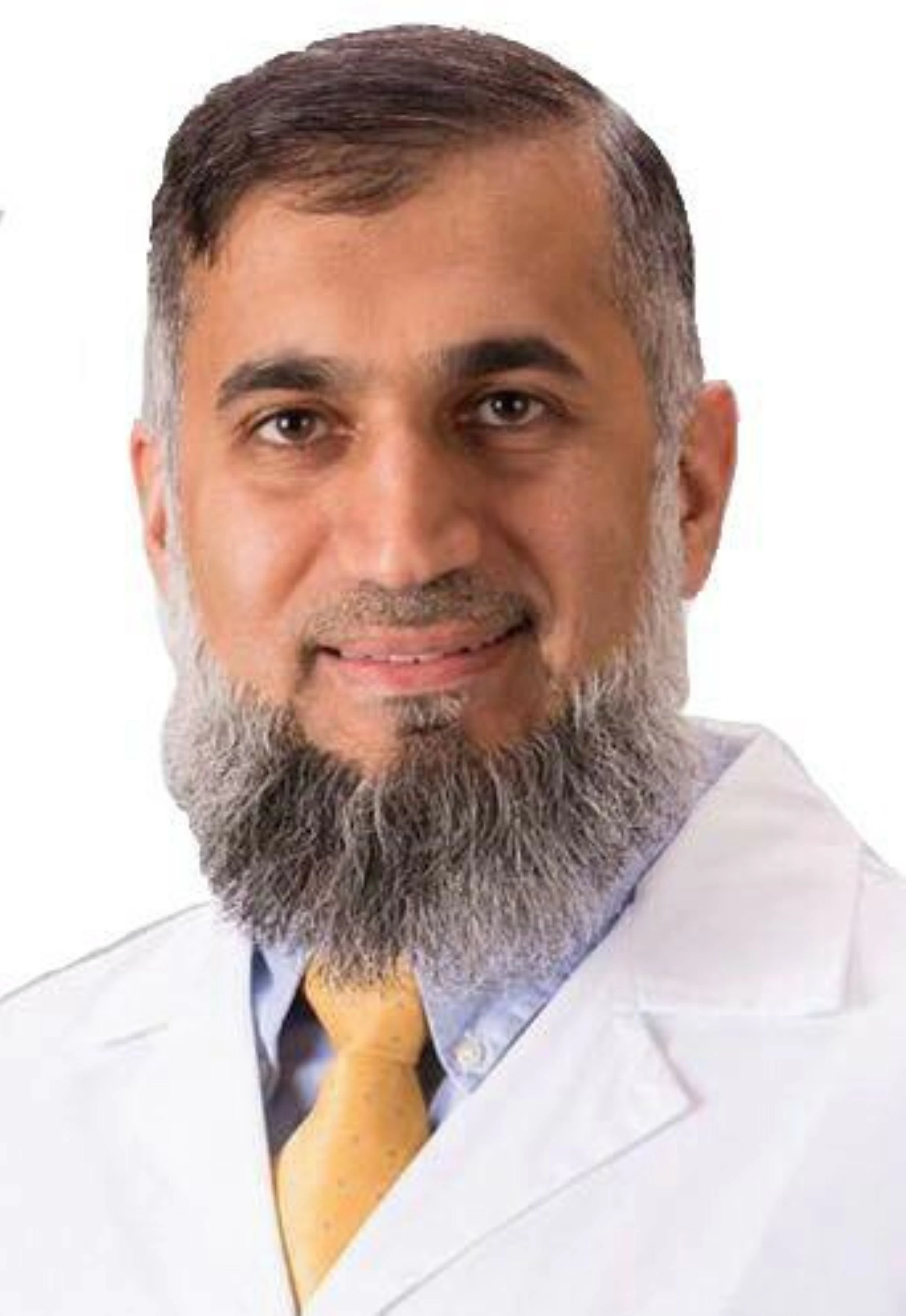
By Prof. Suhail Al Rukn, President of the Emirates Neurology Society (EMINS) and Shady Ibrahim, Executive Medical Director at Eli Lilly & Company (Lilly Gulf)
When we speak about healthy aging, we often focus on the heart, mobility and the management of chronic conditions. Yet we do not always speak with the same openness about the organ that shapes our memories, relationships, decisions and independence: the brain.
That must change.
Living a meaningful life full of memories with loved ones should be an ambition for our patients. We should also aim to preserve cognitive health and quality of life throughout those additional years. This is especially important for the UAE and wider Gulf, where strong family connections, multigenerational households and respect for older people are deeply rooted in society.
Making brain health part of everyday health conversations is therefore not simply a medical priority. It is essential to how we think about aging well.
Alzheimer’s is not normal aging
Forgetfulness can occur as people grow older, but Alzheimer’s disease is not an inevitable consequence of aging. It is a progressive neurodegenerative disease associated with changes in the brain, including the accumulation of beta-amyloid plaques and tau protein tangles. (1)
The disease develops along a continuum. Biological changes may begin years before noticeable symptoms emerge, while its clinical progression can extend from no apparent symptoms to mild cognitive impairment and, ultimately, dementia.(2) (3)
Globally, approximately 55 million people live with dementia, with an estimated 32 million living with Alzheimer’s disease.(4) For those affected, the impact can extend well beyond memory loss. Alzheimer’s may gradually impair language, reasoning, behaviour, mobility and the ability to manage everyday life independently.(5)
Its consequences also reach far beyond the individual. More than seven in ten people with Alzheimer’s are estimated to live at home, with family and friends providing almost three-quarters of their care.(6) Behind almost every diagnosis, therefore, is a family adapting to changing roles and carrying responsibilities that can be emotional, physical and financial.
Silence is one of the barriers we must overcome
Despite its growing impact, cognitive decline can remain difficult to discuss. Symptoms may be dismissed as part of growing older, concealed because of fear or met with uncertainty about where to seek help.
Misconceptions can reinforce that silence. The 2019 World Alzheimer Report found that 62% of surveyed healthcare practitioners believed dementia to be a normal part of aging, while 46% of people living with dementia and their carers identified fear of stigma as a barrier to diagnosis.(7)
These findings should concern us. When society treats cognitive decline as inevitable—or assumes nothing can be done—people may be less likely to raise concerns, seek medical advice or access support.
Encouraging earlier conversations does not mean that every forgotten name or misplaced object should cause alarm. Nor does it mean that individuals should attempt to diagnose themselves. It means recognizing persistent or progressive changes, discussing them without shame and seeking an appropriate professional assessment.
Scientific progress is changing what may be possible
For many years, an Alzheimer’s diagnosis was accompanied by a profound sense of helplessness. Today, advances in diagnostics and disease-modifying approaches are beginning to change the clinical conversation.(8)
This progress should be approached with both hope and clinical responsibility. New treatment options are not suitable for every person, and any decision must be individualized, based on the stage and biological characteristics of the disease and a careful discussion of potential benefits and risks.
Scientific progress also exposes an important reality: innovation alone is not enough.
For advances in diagnosis and treatment to benefit eligible patients, healthcare systems need clear and coordinated pathways. Primary-care physicians must be able to recognize concerns and refer appropriately. Neurologists, geriatricians, radiologists, nurses, psychiatrists and other professionals must be connected through multidisciplinary models of care. Diagnostic capacity, follow-up protocols and support for families must evolve alongside the science.(9) (10)
This is particularly relevant as the UAE and Gulf shape the future of healthy aging. We have an opportunity to build brain health into that future now—through public education, stronger professional awareness, appropriate diagnostic capabilities and better coordination across the patient journey.
A conversation for every stage of life
Brain health should not begin as a conversation only when symptoms appear or when a person reaches old age. Evidence indicates that the risk of dementia is influenced by a combination of age, genetics, family history and medical conditions, as well as modifiable risk factors. The 2024 Lancet Commission identified 14 of these, estimated to account for around 45% of dementia cases worldwide, including hypertension, diabetes, hearing loss, physical inactivity, obesity and smoking.(11)
Several, particularly hypertension, diabetes and inactivity, are already public health priorities in the UAE, which means brain health can be built into existing prevention efforts rather than treated as a separate agenda. (12)
We should therefore encourage people to think about their brains as they do their hearts: as an essential part of lifelong health that deserves attention, informed choices and appropriate medical care. Meaningful progress will require more than the awareness generated during World Alzheimer’s Month each September
Turning awareness into action will require system-level commitment. We should consider a national brain health policy that integrates dementia risk reduction into existing chronic disease strategies; a national programme for early detection of cognitive decline, with blood pressure, glucose and hearing checks built into routine primary-care visits; and a centre of excellence for memory and neurodegenerative care in every emirate, connected through shared referral pathways and standards.
Families need the confidence to begin difficult conversations. Healthcare professionals need the knowledge and pathways to respond. Communities must replace stigma with understanding. Health systems must prepare for continuing scientific progress while ensuring that decisions remain evidence-based and centred on the individual.
Healthy aging is not measured only by the number of years we live. It is also reflected in our ability to remain connected to the people, memories and experiences that give those years meaning.
That is why brain health belongs in every conversation about living—and aging—well.
References:
1. Alzheimer's Disease: Exploring the Landscape of Cognitive Decline – PubMe
2. World Health Organization. Dementia. 15 March 2023.
3. On the path to 2025: understanding the Alzheimer's disease continuum - PubMed
4. Alzheimer’s Society. The later stages of dementia. 2024 (last accessed September 2026)
5. Martin A, Sabbagh M. Palliative Care for Advanced Alzheimer’s and Dementia. Springer; 2010
6. Alzheimer’s Disease International. World Alzheimer Report 2019: Attitudes to Dementia. London: Alzheimer’s Disease International; 2019
7. European Brain Council and EFPIA. Rethinking Alzheimer’s Disease: Detection and Diagnosis. 2023.
8. Benzinger T. Advances in dementia research and clinical care in 2024. Lancet Neurology. 2025.
9. Belder CRS, Schott JM, Fox NC. Preparing for disease-modifying therapies in Alzheimer’s disease. The Lancet Neurology. 2023;22(9):782–783
10. Gustavsson A, Norton N, Fast T, et al. Global estimates on the number of persons across the Alzheimer’s disease continuum. Alzheimer’s & Dementia. 2023;19(2):658–670.
11. Dementia prevention, intervention, and care: 2024 report of the Lancet standing Commission - The Lancet
12. Livingston G, et al. Dementia prevention, intervention, and care: 2024 report of the Lancet standing Commission. Lancet. 2024 Aug 10;404(10452):572-628.