Joy Marshall fought rollerblading ticket — and spent her life fighting for others
- Last updated: October 18, 2026 | 09:38


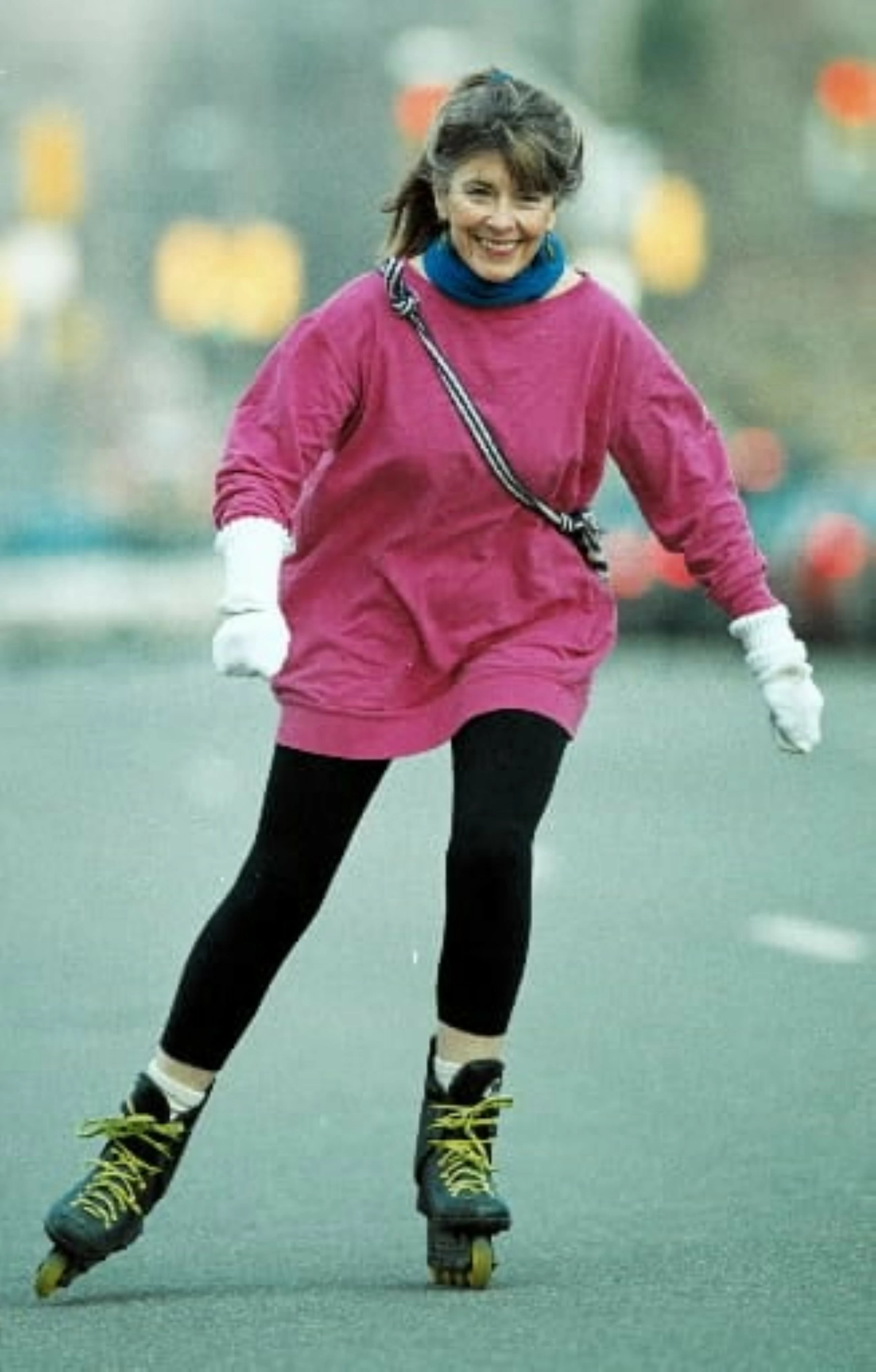
Joy Marshall rarely sat still. She biked to work, rode to the farmer’s market and rollerbladed through the streets of Cleveland Heights — once making headlines fighting a police ticket for it. Even in her 70s, she was still on her bike. During the last week of Marshall’s life, she stayed at a hospice center overlooking the lake. Her youngest daughter, Liza Frolkis, noted the weather on the day her mother died — a day Marshall would have wanted to be outside.
“My family and I were like, well, it’s a gorgeous day. Joy would be so pissed at us if we weren’t outside,” Frolkis said. “So we went to the arboretum, and we spent the day outside. Because that’s how she lived.” Marshall, a doctor who pulled herself up from little means to medical school, directed Cleveland’s Free Clinic and championed public health, died Oct. 3 following an e-bike crash the month prior in Cleveland Heights. She was 77.
Marshall appeared numerous times in The Plain Dealer over the years, advocating for accessible healthcare, an active lifestyle and the underprivileged for whom she had a unique understanding after spending years on welfare as a single parent in her 20s.
Marshall always wanted to become a doctor like her father and an activist like her mother, Frolkis said. In a 2012 profile, Marshall told a Plain Dealer reporter that her parents were her “heroes.”
“My mother, Katherine’s whole life has been activism. She’s been jailed for it,” Marshall said. “My father, Edward, was chief of medicine at Huron Road Hospital and integrated the staff.” Marshall grew up in an era of anti-war protests and pro-civil rights marches. She attended regularly with her mother, and she believed it made a difference, Frolkis said. She encouraged this in her daughters. Liza Frolkis said she remembers attending the Pride parade in Washington, DC, with Marshall when she was a child.
“It was about showing solidarity and showing a public image that this is meaningful to us,” Liza Frolkis said. “This is a community that we want to be seen with, and we are not separate from.”
Marshall’s second-oldest daughter, Clementine Wood, said Marshall decided to go to college at 27 after spending years working as a bartender and partial restaurant owner. She obtained her undergraduate and graduate degrees before she started medical school at 35. It was a tough road. Marshall wasn’t encouraged by her father, and female doctors weren’t very common. “She is part of the generation that was raised with an expectation that (women) would be secretaries,” Wood said. “She was not supported in her younger years with the idea of going to college.”
By the time Marshall began medical school, she had four daughters. It took her about six to eight years to complete her residency, traditionally a three-year process, because she also worked part-time to support her family. She was also director of the Free Clinic of Greater Cleveland at 12201 Euclid Ave., which still operates as a free clinic under Circle Health Services and the Centers Ohio. She believed healthcare was a human right, not a privilege. Her third-eldest daughter, Calen Frolkis, said Marshall was a fierce advocate for her patients.
She would often give patients her personal phone number so they could reach her in an emergency and would make a house call if requested. If you knew Marshall and needed to make an appointment with a specialist, you could be confident that she would ensure you got in to see a doctor promptly. She served as an adjunct faculty member at her alma mater Case Western Reserve University, where she taught a series about human rights and social justice, Calen Frolkis said. She brought in medical, political and anthropological experts to speak with her students.
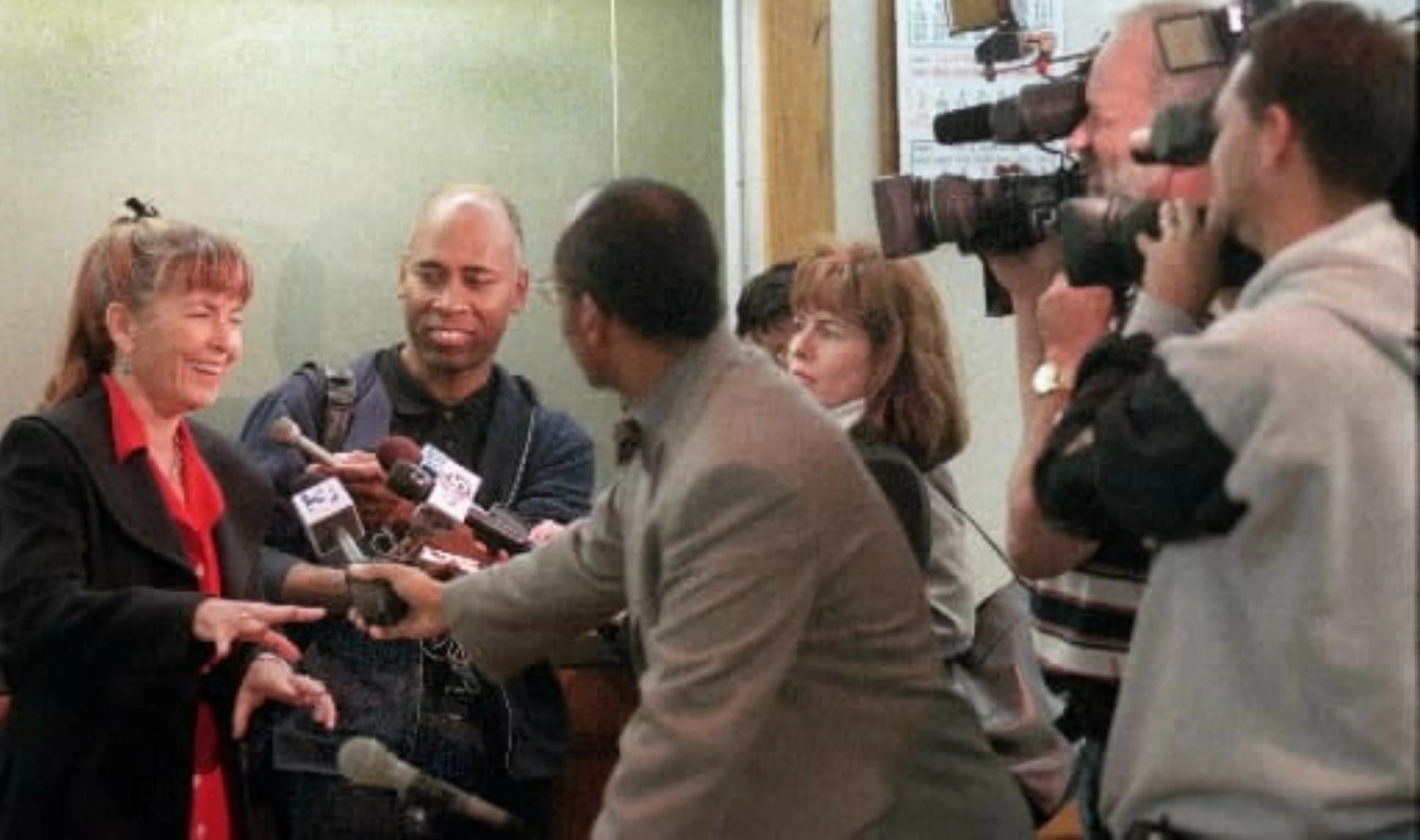
“Professionally, I think she felt happiest doing that kind of work and meeting people who were doing that work,” Calen Frolkis said. MetroHealth internal medicine hospitalist Dr. Johnbuck Creamer said he knew Marshall growing up in Cleveland Heights. They both worked at the Exchange Point, a needle exchange programme in Cleveland, in the late 1990s. Creamer was a nurse at the time, and Marshall was influential in his decision to go to back to school for his medical degree. “I went to nursing school with a sense of serving my community,” Creamer said. “But she just exploded what that meant in the way she carried it out.”
Aside from life experience, Marshall had her masters degree in anthropology, which Creamer believes contributed to her passion for public health. Mostly, though, it was a matter of her ethos. “Joy is the most non-elitist person anyone could have known,” Creamer said. “She attracts people from every part of life that she touches. It’s hard to think about the world once you’ve known it without her in it.”
In an op-ed published in The Plain Dealer in 2001, Marshall encouraged then-new Mayor Jane Campbell to prioritize the city’s public health department. She noted that it was one of the city’s smallest departments at the time.
“While the purview of public health is vast, the support given by our government is paltry,” Marshall wrote. “Because of the unrelenting cutbacks in government funding and the privatisation of previously supported hospitals and laboratories, the US public health system is a shadow of its former self.”
Woven into her passion for health was her love of cycling and rollerblading. She took her bike nearly everywhere, her family said. If she had to take her car to work because of rain in the morning, she’d drive back home in the afternoon, grab her bike, and pedal back to work to finish out the day.
“She loved being in motion,” Liza Frolkis said. “She would not miss any opportunity to be outside.” She diligently tended to her perennial garden when she wasn’t biking or working. It was lined with railroad ties and nails she would find while out and about, a tribute to the working-class history of the area she called home. In recent years, she raised half a dozen lotus flowers, basil and other plants. In 2001, Marshall was rollerblading through the streets of Cleveland Heights when she was stopped by a police officer while skating down Cedar Road, heading to meet a friend. The officers cited her for having a “toy vehicle in the street.” Marshall was dumbfounded.
Tribune News Service