Havana, once famous for its festive spirit, is losing its old character
- Last updated: August 24, 2026 | 09:30


Once a byword for joyful excess, Havana has been hollowed by blackouts, departures and deep uncertainty about its future. There are so few cars in Cuba’s capital that it is possible to cross the Malecon, the once bustling seafront promenade, without looking.
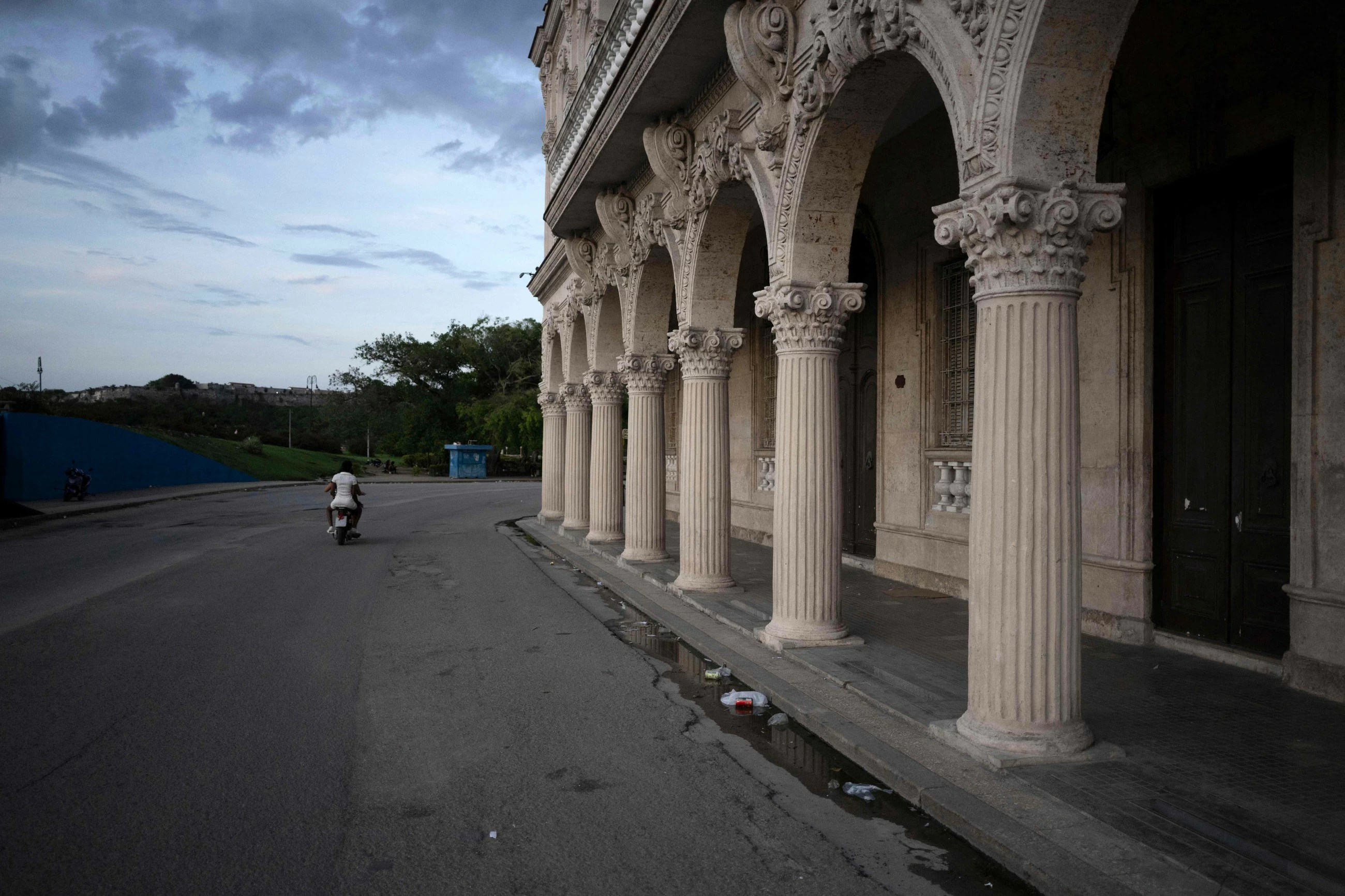
At night, the narrow cobbled streets of Old Havana are enveloped in inky black, devoid of power and virtually deserted. After a seven-month-long US fuel embargo and rolling power cuts, locals joke that they are sick of seeing the stars. There are occasional stirrings in the shadows.
Rake-thin men, their shorts made many sizes too big by hunger, pick through mountains of trash for food, plastic or anything they might be able to use or sell. “We look through the garbage so we can eat without stealing or hurting anyone,” said Manuel Sanchez Angeira, 50, who has mouth cancer. “I don’t have a home. I don’t have a family. I have nothing.”
There are sudden explosions of noise. A band of protestors in flip-flops thrash on aluminum pans, registering their anger with the blackouts, moving quickly to avoid the police. Most Habaneros avoid the old town at night: It is too dangerous.
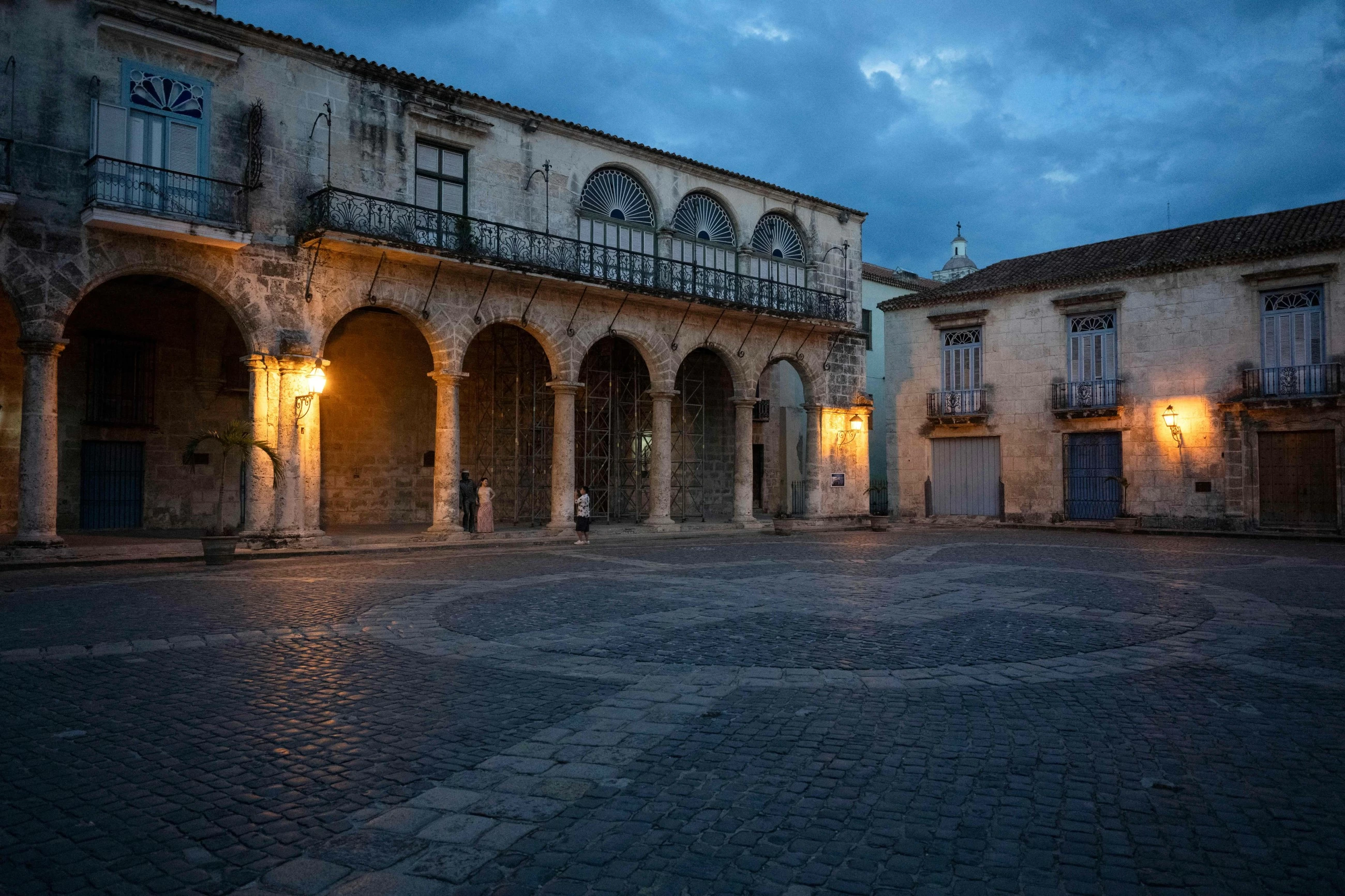
“There is a lot of violence on the streets,” said Sanchez. “Someone stabs you, hits you in the head with a rock, they kill you.” The only real crowds are to be found in the daytime – at banks, cheap bakeries and outside the Spanish consulate, where hundreds clutch papers and wait to get off the island. No one knows for sure how many people have left already. In 2012, the official population was more than 11 million.
Demographer Juan Carlos Albizu-Campos estimates it is now as low as eight million, only slightly more than 67 years ago, when Fidel Castro declared, “The tyrant has fled... the revolution has triumphed!”
Cuba has experienced many crises since then – sanctions, hurricanes, a pandemic and the collapse of the Soviet bloc. But this latest grinding crisis has transformed the sights, sounds and smells of Old Havana entirely. The invigorating brass or woody bass of salsa, son and cha-cha-cha are all but gone. Instead, the humid silence is punctuated by the diesel generators, the occasional Bluetooth speaker or the tinny buzzing of a cell phone squeezing out reggaeton, reparto or US pop.
A century ago, Prohibition in the United States made Havana the place to be for mob bosses and vacationers alike. The tourists left an indelible mark on the city, but now they have vanished.
A few Mexican or Colombian stragglers remain, hunting for restaurants that are open, have light and have food that might have been refrigerated in the not-too-distant past. Those still open tend to have generators, menus priced in dollars and a clientele of well-connected Cubans, decked in salmon shirts and tassel loafers.
Many of the city’s old storied haunts are closed. Century-old El Floridita is cloaked with metal shutters. Its most famous patron, Ernest Hemingway, sits in statue form alone at the bar in the musty, sweltering darkness.
A few blocks away, Sloppy Joe’s is closed too, despite being extensively restored by the team of Havana’s famed historian, Eusebio Leal. Leal did perhaps more to shape Old Havana than any other person in the last century.
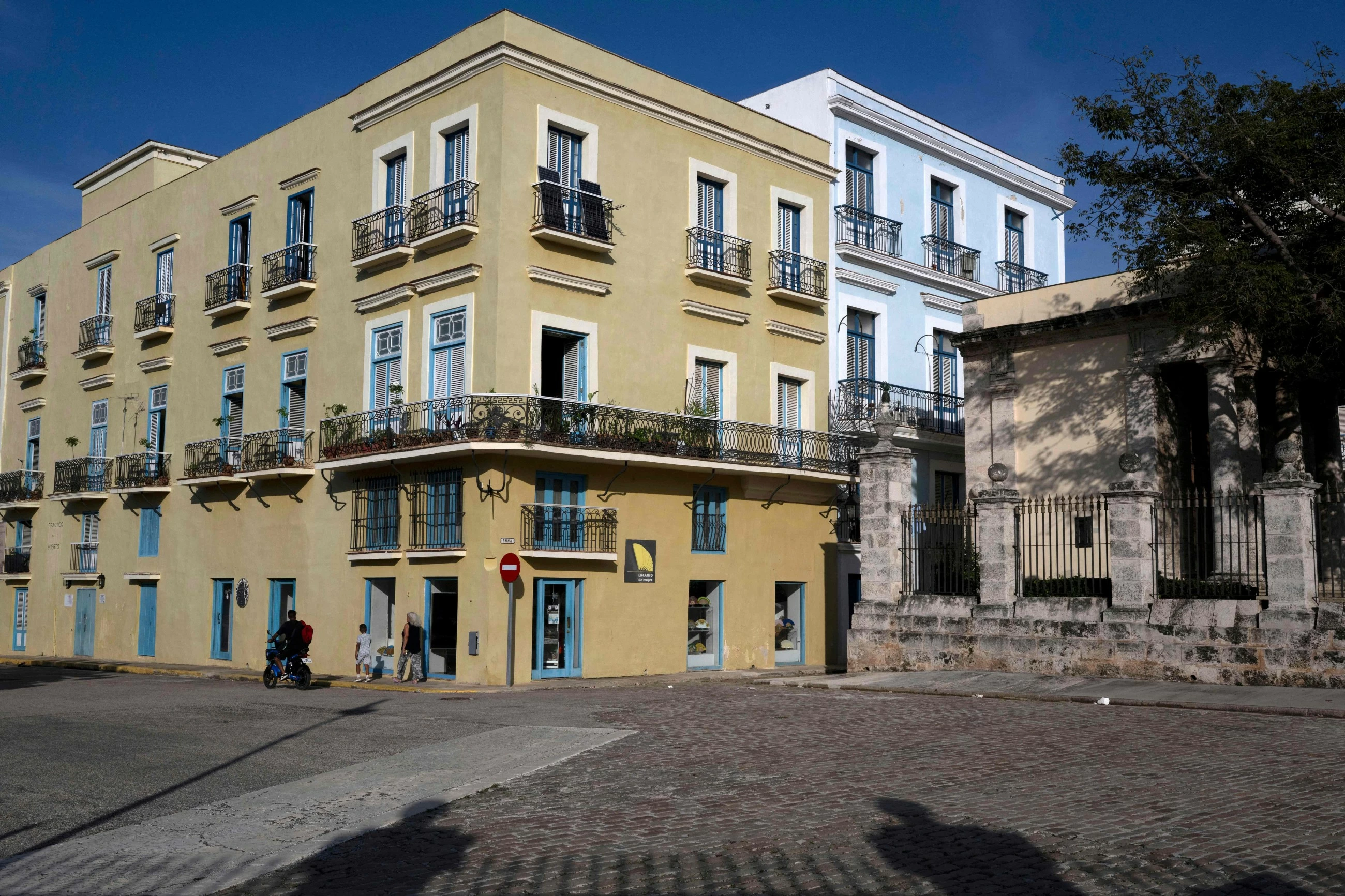
He convinced Castro that Old Havana could bring in desperately needed tourist dollars and was worth restoring. He secured UNESCO Heritage status and launched countless restoration projects. But many of his projects are again succumbing to time, with chunks of pediment falling to the sidewalk. Habaneros grumble that the money he spent turning old palaces into stunning hotels – now empty – was wasted.
Irina Aguirre spends her days on the doorstep of one such building, just off the Plaza San Francisco.
Her job is to predict the future in a city that thinks of little else.
For years, she read tarot cards for tourists who poured out of cruise ships eager to learn of new loves or fabulous riches. In those days, she said, nearby Calle Obispo was full of joy and music.
Today, she answers Cubans’ questions, not about love, but what will happen to their island. When will the US fuel blockade end? Will Trump invade? Will life get better? “That’s the question people ask everywhere,” she said. “We all want a better tomorrow.” But Cuba’s future is too uncertain, even for the cards, she said.
“Only God knows that,” she smiled. “You just can’t lose faith.” She packed up her two worn decks of tarot cards, some small carved stone figurines and headed for home before the darkness swallowed Old Havana again.
Meanwhile, the United States has demanded that Cuba open up to private investment, and Cuba has passed sweeping reforms to encourage just that. So Cuba’s UN ambassador says he wants to know why Washington keeps piling on sanctions that stymie the very economic opening it has sought for decades. Ambassador Ernesto Soberón Guzmán, in an interview this week directed his question to US Secretary of State Marco Rubio, the main architect of the Trump administration’s Cuba policy:
“What are you afraid of? If you are so convinced that the Cuban government is an incompetent government, why do you need to implement almost every two weeks new sanctions?”
The US State Department responded to a request for comment with a quote from Rubio saying new sanctions will continue to be announced every couple of weeks to close off “escape valves that they’re trying to create in every mechanism.” Then on Thursday, the US imposed more economic penalties on Cuban industries, targeting state-owned mining, metal and construction companies. Cuba has been pushed to the brink by an oil blockade imposed by the United States in January on top of a decades-old embargo, coupled with the escalating sanctions.
Agencies