Huawei pioneers early diabetes risk awareness through smartwatch technology
- Last updated: February 11, 2026 | 11:09


Gulf Network
Diabetes continues to rank among the most pressing global public health challenges, with its effects felt most strongly across the Middle East. The International Diabetes Federation (IDF) reported in 2024 that 589 million adults aged 20 to 79 are living with diabetes worldwide, nearly 43 per cent of whom remain undiagnosed. Within the MENA region alone, 85 million adults are affected, and this figure is projected to rise sharply by 92 per cent, reaching 163 million by 2050.
The UAE mirrors this regional reality. According to IDF statistics, diabetes prevalence among adults aged 20–79 in the country stands at 20.7 per cent, placing the UAE among the highest globally. As lifestyle-related risk factors continue to increase and healthcare systems manage growing long-term disease pressures, early risk identification and preventive intervention have become central pillars of national healthcare strategies.
Why Scalable, Non-Invasive Risk Screening Matters
Beyond being a metabolic condition, diabetes is a systemic disease associated with serious macrovascular and microvascular complications, including coronary heart disease, stroke, neuropathy, and renal failure. Identifying risk at an early stage is essential to reducing these outcomes. However, conventional diagnostic methods such as HbA1c testing are not always readily accessible, particularly for individuals without visible symptoms.
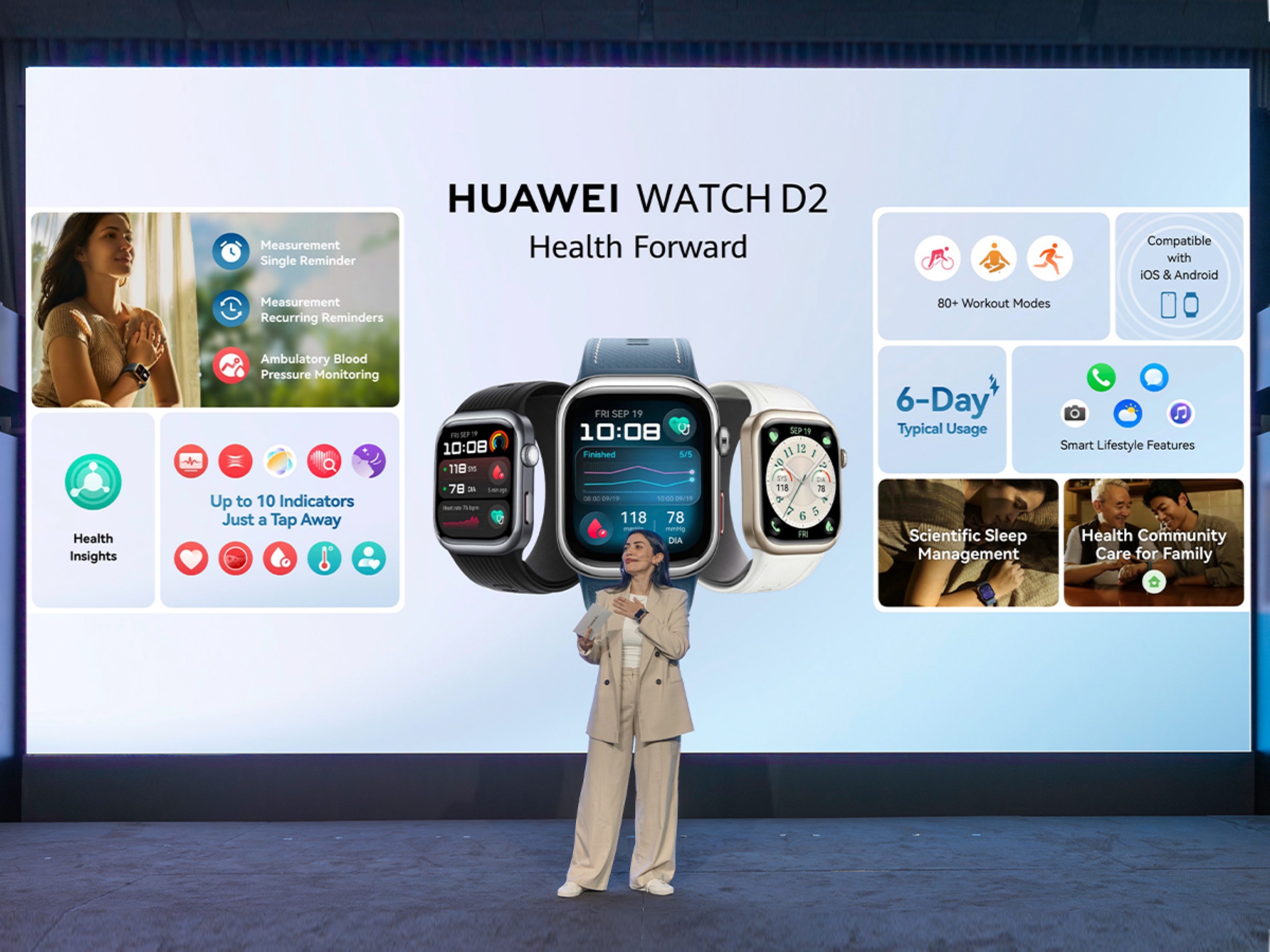
As a result, healthcare professionals are increasingly turning to non-invasive digital biomarkers as a complementary solution. Technologies that enhance awareness and highlight potential risk can guide individuals toward timely confirmatory testing, helping to optimise healthcare resources while improving long-term patient outcomes. This approach is particularly valuable for populations that may not routinely participate in preventive screenings.
PPG Technology: Translating Vital Signals into Risk Indicators
Huawei’s diabetes risk assessment feature is powered by Photoplethysmography (PPG), a non-invasive optical technology that detects changes in blood volume beneath the skin. By analysing light reflected from vascular tissue at the wrist, PPG generates detailed cardiovascular signals traditionally used to measure heart rate and blood oxygen saturation.
Recent scientific research has expanded the scope of PPG’s clinical relevance. Diabetes influences vascular endothelial function, autonomic nervous system regulation, and microcirculatory health—factors that directly affect PPG waveforms. Research has also identified overlapping genetic mechanisms linking resting heart rate and diabetes, further strengthening the connection between cardiovascular signals and metabolic health.
With continued advancements in smartwatch sensor accuracy, PPG data can now be captured continuously in real-life settings, enabling scalable and passive health monitoring on a population level.
Inside Huawei’s Diabetes Risk Assessment Feature
Huawei has embedded high-precision PPG sensors and advanced algorithmic analysis into its smartwatches to support diabetes risk awareness. To activate the feature, users must wear the smartwatch consistently on the wrist for a monitoring period ranging from three to fourteen days.
Once the assessment is complete, the “Diabetes Risk” app delivers a straightforward result: “low risk,” “medium risk,” or “high risk.” Users flagged as medium or high risk are encouraged to consult healthcare professionals for further evaluation and confirmatory diagnostic testing.
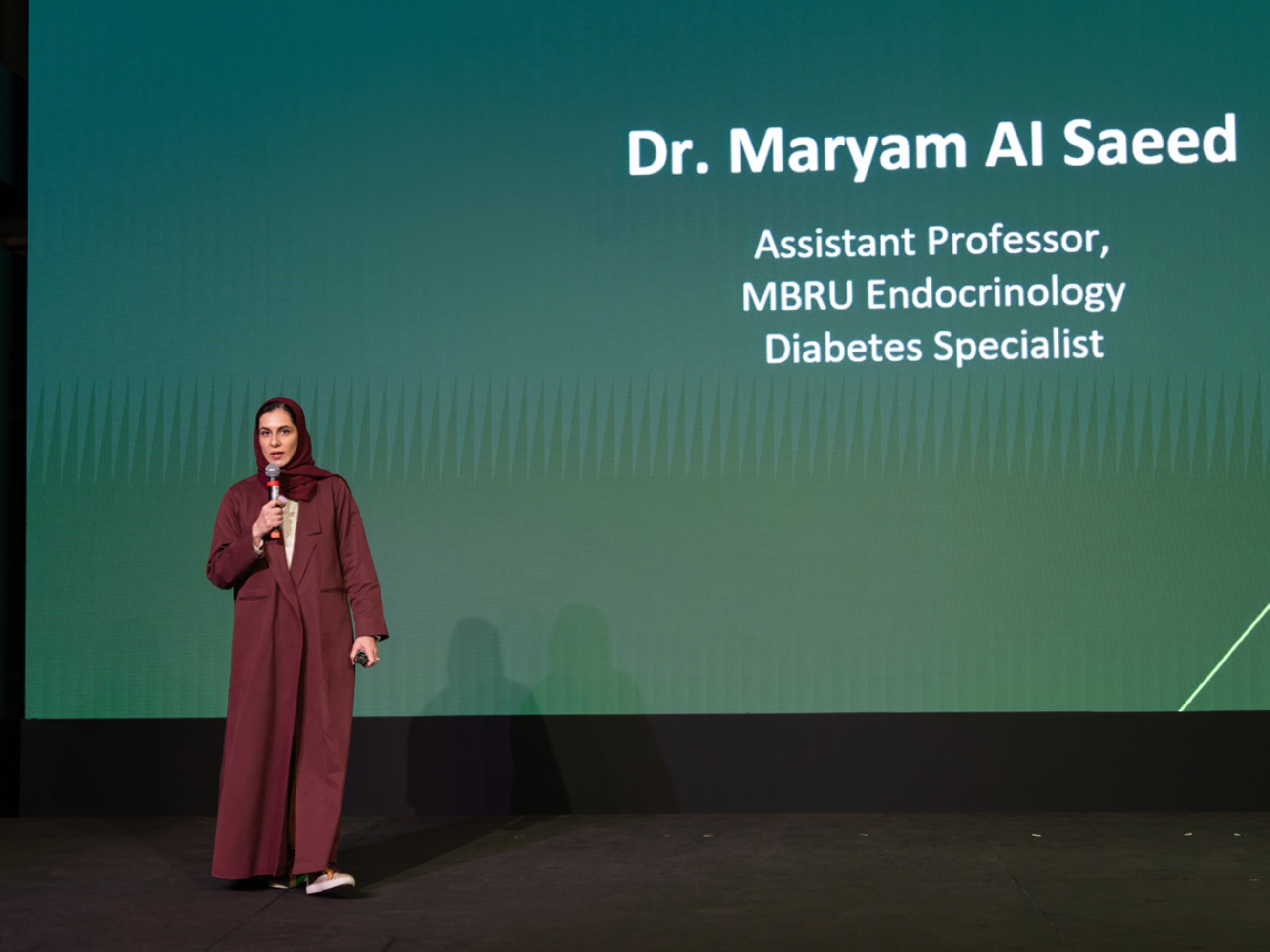
From a clinical standpoint, the feature is positioned as a preclinical risk awareness solution rather than a diagnostic tool, a distinction that aligns with regulatory and medical standards.
Defined Regulatory and Clinical Scope
Huawei clearly states that the diabetes risk feature does not constitute a medical device and is not intended to diagnose diabetes or replace professional medical testing. Instead, it is guided by four key principles:
· Awareness and prevention: Promoting early engagement with healthcare providers
· Accessibility: Offered free of charge to users
· Civilian use only: Not designed for clinical or hospital environments
· Safety: No known side effects or contraindications
In markets such as China, the feature is classified as a non-medical function, focused on education and prevention rather than clinical application. All results are provided for reference purposes only and should not be used as a basis for diagnosis or treatment, but rather as an indication of potential diabetes risk levels.
Scientific Collaboration and Expert Endorsement
Speaking at World Health Expo Dubai 2026, Professor Jiguang Wang, Director of the Shanghai Institute of Hypertension, highlighted the growing body of evidence supporting wearable-based PPG as a reliable method for early risk assessment. Professor Wang has worked closely with Huawei on multiple wearable health innovations, including the HUAWEI WATCH D and WATCH D2, both designed for ambulatory blood pressure monitoring.
Huawei’s wider health research ecosystem is anchored by its Health Labs in Dongguan, China, and Helsinki, Finland. These facilities bring together multidisciplinary teams conducting research across cardiovascular health, exercise science, and long-term health monitoring.
Strengthening Focus on the UAE and Global Rollout
Traditionally, advanced wearable health features were first introduced in China before expanding internationally. Huawei is now evolving this approach. By prioritising synchronised global launches and strengthening collaboration with local medical institutions, the company aims to ensure markets such as the UAE gain earlier access to its latest health innovations.
This direction closely supports the UAE’s emphasis on preventive care, digital health advancement, and early disease detection. Future Huawei initiatives—including developments in glucose monitoring, cardiovascular health, and women’s health—are expected to increasingly involve local clinical partnerships to ensure alignment with regional healthcare frameworks.
Looking Forward: Scaling Preventive Health
Currently available on the HUAWEI WATCH GT 6 Pro through an OTA software update, Huawei’s diabetes risk assessment feature is set to roll out to additional smartwatch models. While it does not replace clinical diagnosis, it represents a significant step toward large-scale health awareness powered by consumer technology.
As diabetes rates continue to rise across the UAE and the wider region, solutions that enable early risk identification without increasing cost or complexity may become essential components of national health strategies. Huawei’s approach demonstrates how wearable technology can complement traditional healthcare systems by shifting the focus from treatment toward prevention.