Irish bookshops help meet UK demand for Sally Rooney novels
- Last updated: November 2, 2026 | 09:50


Irish bookshops are helping readers in Britain and elsewhere obtain novels by Sally Rooney after her publisher halted UK supplies because of complications arising from the author's support for a pro-Palestinian group.
Publisher Faber said it could no longer distribute Rooney's books in the United Kingdom because it could not transfer UK earnings to the author after she announced plans to donate those proceeds to Palestine Action, which is banned in Britain.
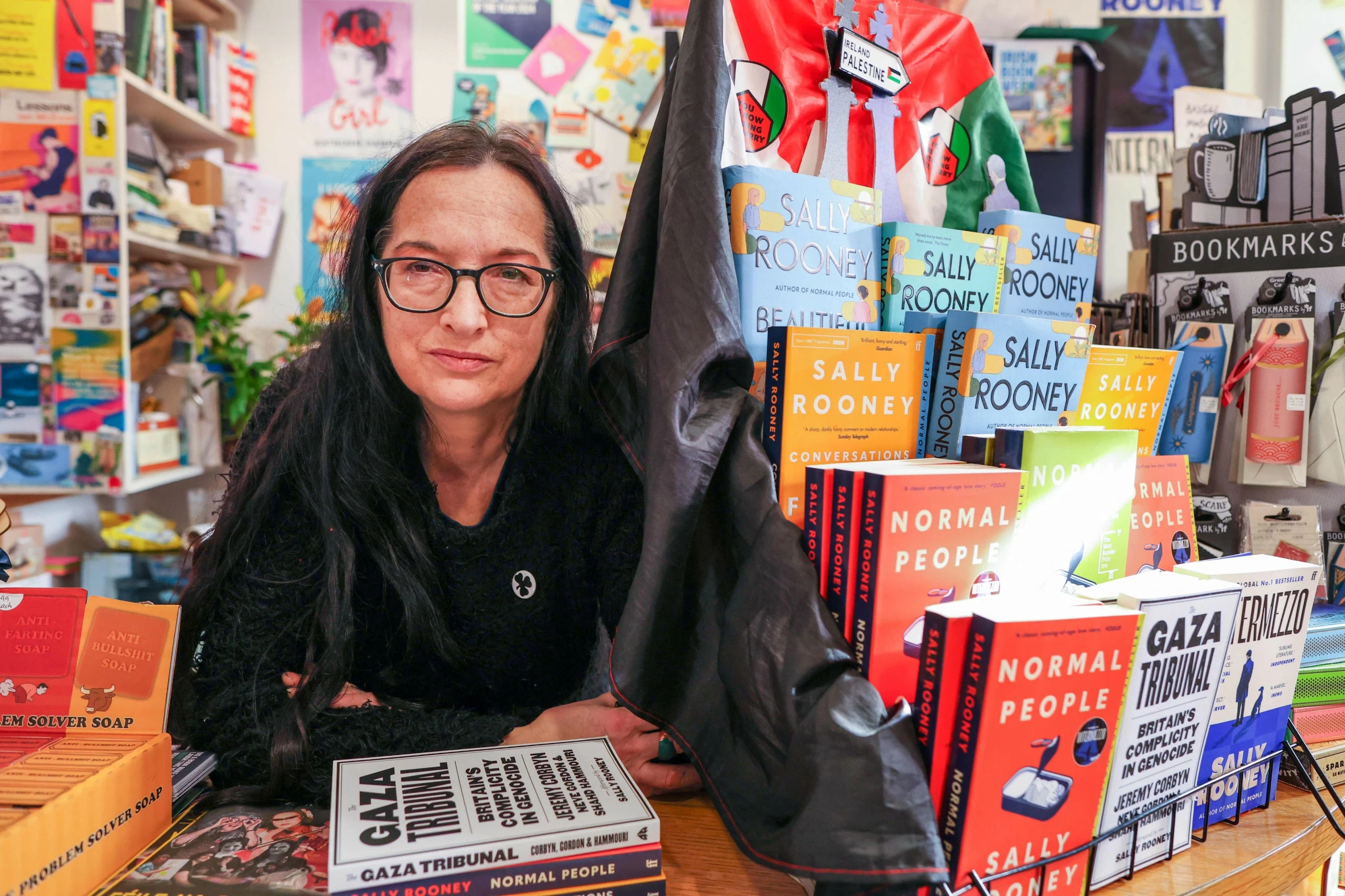
But Jenni Doherty, owner of Little Acorns Bookstore in Londonderry, has continued stocking Rooney's bestselling books through suppliers in the Republic of Ireland.
"We're not banned from selling the books. We can still have access to the books," Doherty, 55, told AFP, surrounded by Rooney titles such as "Normal People", "Intermezzo" and "Beautiful World, Where Are You".
Londonderry, known as Derry to republicans within Northern Ireland, is part of the United Kingdom but lies next to the border with EU member Ireland.
Its position allows Doherty to order stock through Irish distributors before sending books to customers around the world, including in Britain.
"To sell a writer's work and not be able to pass on earnings is an unconscionable situation for a publisher," Faber said, as it announced its decision in mid-October.
The decision, made in agreement with Rooney, followed the author's declaration that she would donate her earnings to the pro-Palestinian direct action group.
'New customers'
Palestine Action was banned by the UK government in July 2025 under anti-terrorism laws, but is not prohibited in Ireland, where Rooney lives.
Its proscription, which places it on the same list as Lebanon's Iran-backed Hezbollah and the Palestinian militants Hamas, makes it illegal in Britain to belong to, support or finance the group.
Faber said it remained Rooney's publisher and would continue selling her work outside Britain.
The books themselves have not been banned, and copies already held by British retailers can remain on sale.
But shops cannot replenish them through Faber's normal UK distribution network.
The supply restrictions have now drawn new business to Doherty's shop.
"I've had a lot of new customers who've never been in before," she said, adding that the controversy had brought Rooney's work to a broader range of readers.
Before, the books were placed on the general shelves in alphabetical order.
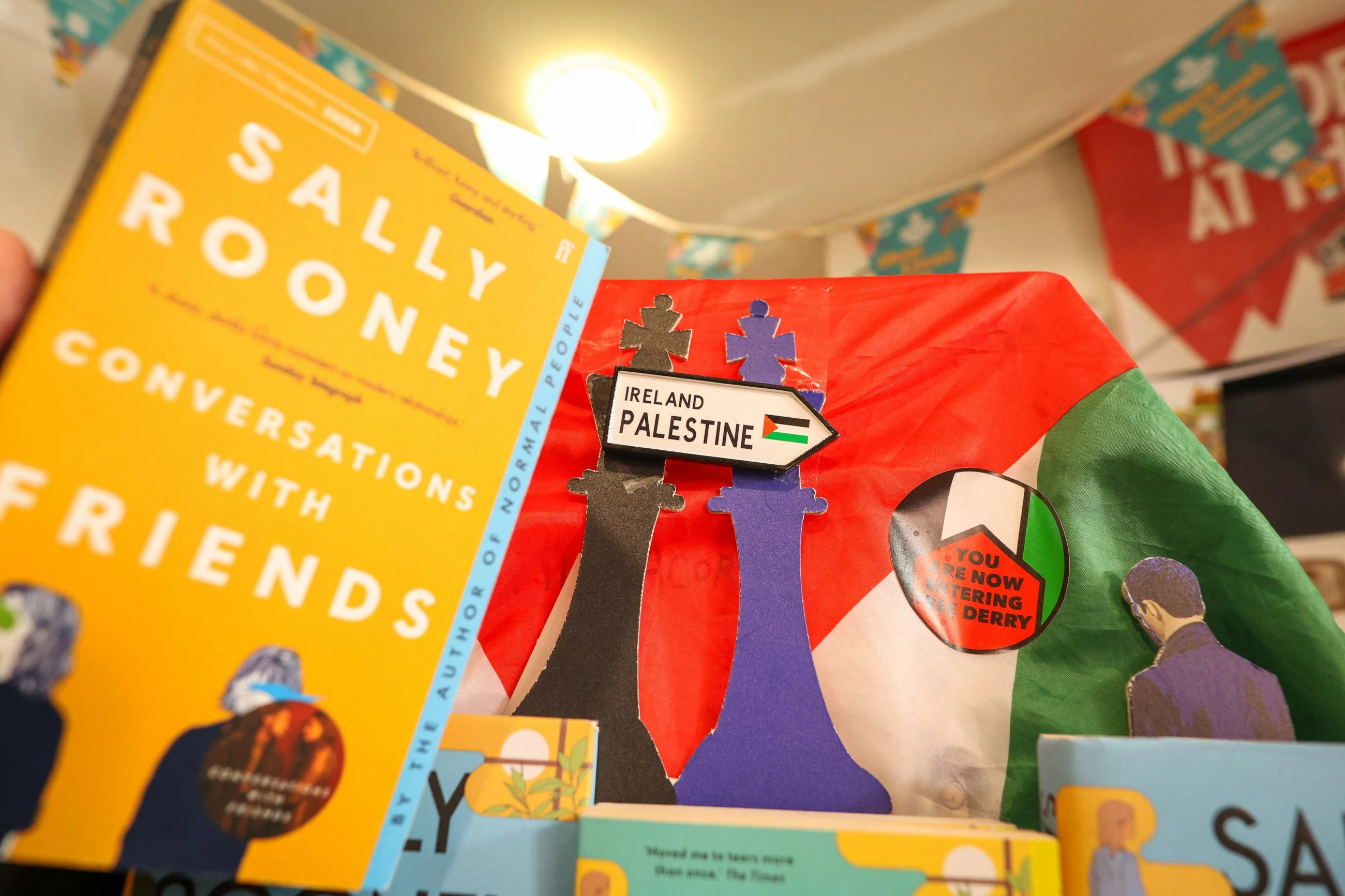
Now they are displayed prominently on the front counter, often sparking "honest, personal conversations" with customers, said Doherty.
She has also received inquiries from British booksellers looking for alternative suppliers.
"You don't have to read it if you don't want it. You don't have to buy it if you don't want it," she said.
'Silencing'
The boom has extended across the Irish border, with Kenny's Bookshop in Galway reporting a tenfold increase in sales of Rooney's novels following Faber's decision.
Doherty said the dispute resonated strongly in a city shaped by civil-rights campaigns and Northern Ireland's decades-long Troubles conflict.
The controversy also reminded her of Ireland's history of literary censorship, which affected famous writers including Edna O'Brien, Samuel Beckett and John McGahern.
"It's as if we're going backwards rather than forwards," she said.
But restrictions often pique readers' curiosity and could introduce them to Rooney and other Irish writers, Doherty said.
"A banned book is a bought book," she said. "It just attracts a whole new attention."
Palestine Action's proscription is being challenged by co-founder Huda Ammori, with Britain's Supreme Court due to hear an appeal on Wednesday and Thursday.
Rooney's novels have sold millions of copies internationally, gaining a cult following for their observations of modern relationships before the BBC television adaptation of "Normal People" brought her wider fame.
"She captures a sense of the age right now which is really, really unique to her. People do love her books and her writing," said Vicki Shenkin Kerr, owner of Bard Books in London, which stopped selling Rooney's books following Faber's decision.
Its remaining stock sold out within a "few days", and the shop decided not to replenish it through imports.
"We are kind of like Faber, we wouldn't feel comfortable selling a book where the author isn't getting the royalties," Kerr said. "It does feel like a silencing."
Agence France-Fresse