Shidis of Sindh: Historical research on Shidi (people with dark skin)
- Last updated: October 5, 2026 | 09:05


Nabidad Khan, Senior Sub-Editor/Reporter
In the literary world, research on any historical subject or phase of human life provides valuable wisdom to present and future generations.
It is a fact that a researcher faces constant mental pressure and long hours of solitary work. Conducting research on any aspect of human life involves reading massive amounts of text and analysing data, often alone, which can reduce a person’s social life.
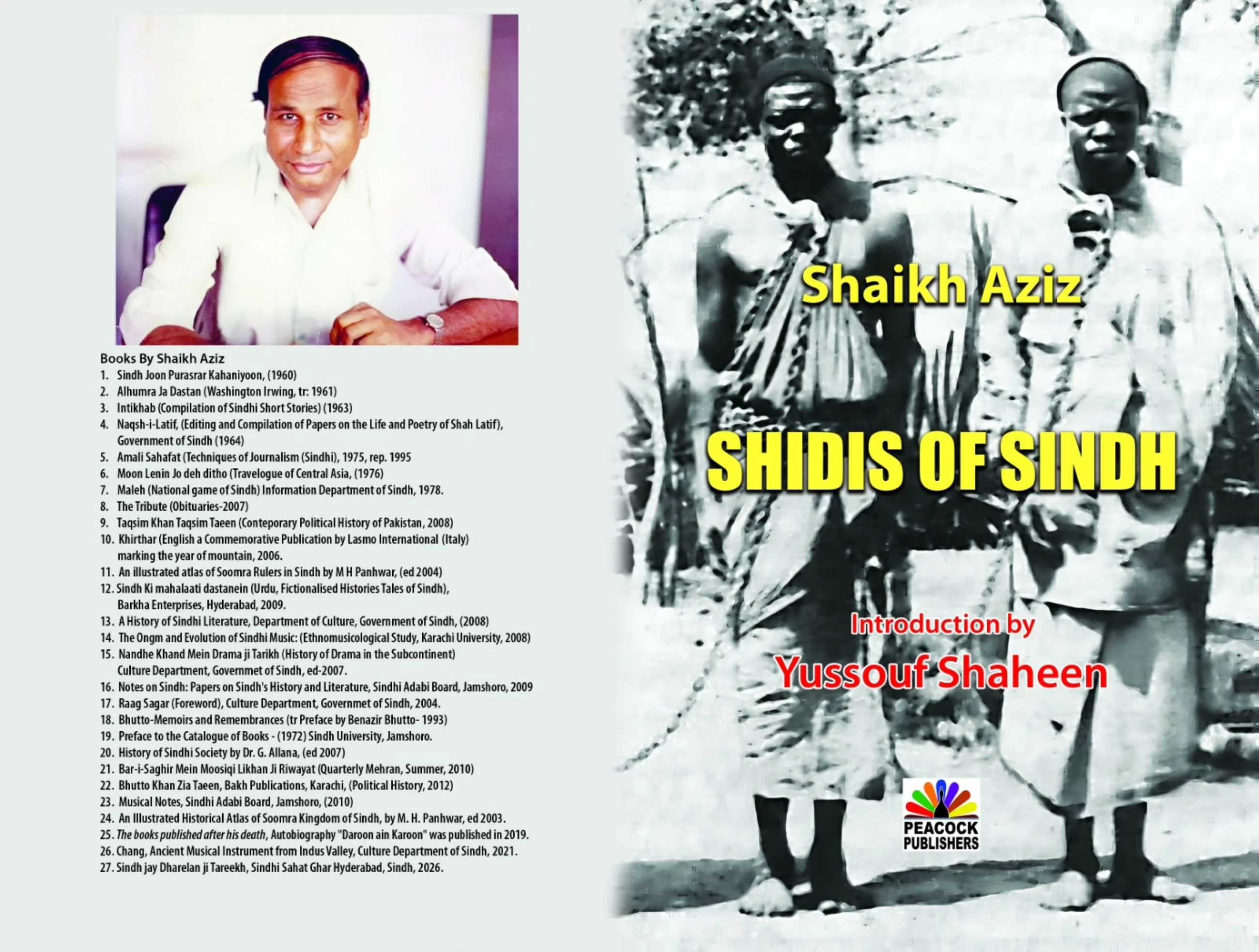
Research requires deep and uninterrupted focus. This high mental demand can often lead to stress, exhaustion, and burnout. Late veteran journalist Shaikh Aziz is one of those researchers who devoted himself to extensive research and presented his great work “Shidis of Sindh” (in Pakistan’s Sindh province people with dark skin colour are most commonly referred to Shidi) as a gift to the world.
Late veteran journalist Shaikh Aziz, who belonged to Sindh province, left behind a rich literary legacy comprising more than three thousand articles in Sindhi, English and Urdu, on political, social, cultural, historical, musical, literary and current affairs topics. One of his articles, titled “Global Slavery,” was published on the occasion of the World Conference held in Johannesburg in 2003, which was later made part of the official record of the United Nations. Shaikh Aziz’s research work on the “Shidis of Sindh” will undoubtedly take readers on an interesting yet painful journey through the history of humankind.
History shows that the sale and purchase of human beings under the cover of ‘slavery’ continued for over 5,000 years until 1416, when a small state ‘Republic of Ragusa (Croatia)’ became the first European country to ban the slave trade. After a gap of about four hundred years, the revolutionary France abolished slavery throughout its empire in 1794. Later Denmark and Norway abolished the trade in 1802, followed by the United States of America in 1865.
Slavery is a curse, never rejected throughout the ages by any section of societies or the religions faiths; only the hunters and owners were advised to behave properly with the slaves. It is an old age disease rather a heinous crime promoted by the old-age system of ‘kingship,’ when the sale of the defeated people on mass scale became one of the major source of income for the conquerors. In the ancient world, those kings or the emperors, claimant of the ‘Divine Rights,” severely treated their subjects as slaves.
Aziz’s extensive research on slavery, one of the most notorious phases of human history, will certainly enlighten millions of people about the history and suffering associated with slavery.
According to research, Pakistan is a country where a congregation of Pakistani-Africans is held every year at the shrine of Manghopir in Karachi. Crocodile feeding, drum dancing and other rituals are performed, and every Black man or woman would cherish the opportunity to attend the Shidi Mela, as it is generally known, and seek blessings.
In a way, it is reminiscent of Sobek worship, or crocodile worship, which took place in Egypt in the 4th century BC and is believed to have reached this region through African migration.
It is the beauty of a civilisation that went through the unbearable pain of slavery and found solace in Pakistan, making the country their own while keeping their traditions and rituals alive. It shows how a country, Pakistan, that gained independence on the slogan of allowing everyone to live freely also provides space for people to practice and celebrate their religion and culture independently. In Pakistan, they are found in different parts of the country, as well as in India and as far away as mainland China. Depending on the region, they are known by different names. In Sindh, they are called Shidis and Habshis, while in India they are known as Sidis and Sidhis.
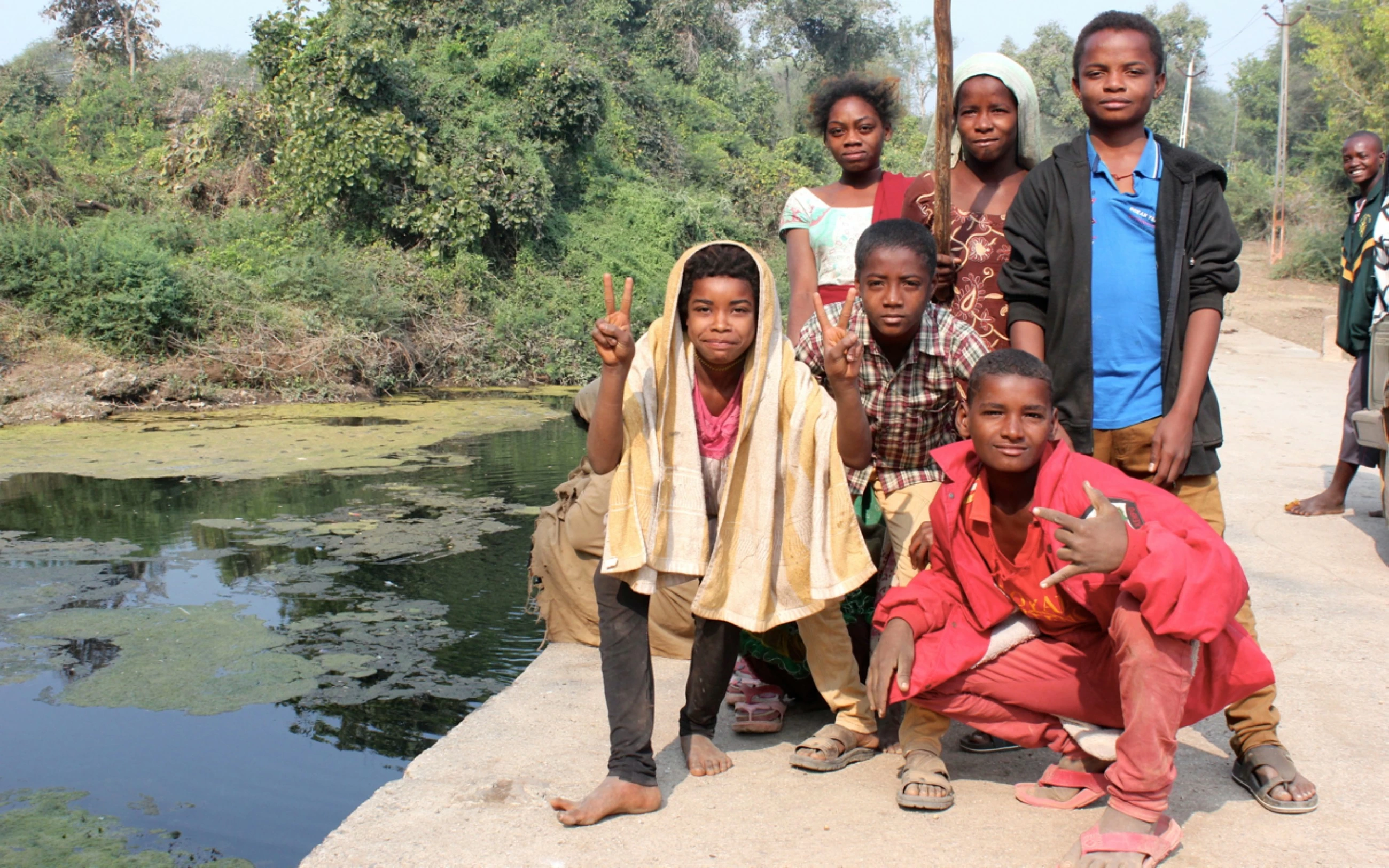
With their strong build and typical African features, they are recognisable at first sight, although many have entered into interracial marriages, resulting in different physical features.
Today, more than a million Shidis live in Karachi, along the Arabian Sea coastal belt, in Balochistan and in parts of Sindh. The history and suffering of the Shidis have been beautifully narrated in this research work, which provides an account of their years of suffering, along with references to kings, queens, rulers and crusaders. It will definitely capture the minds and souls of readers.
The research book “Shidis of Sindh,” written by Shaikh Aziz, is all set to be launched on October 9, 2026, at Karachi Press Club in the presence of seasoned Pakistani journalists.