Aamna Zabeen on how landscapes became a part of her creative self
- Last updated: September 6, 2026 | 09:00


Muhammad Yusuf, Features Writer
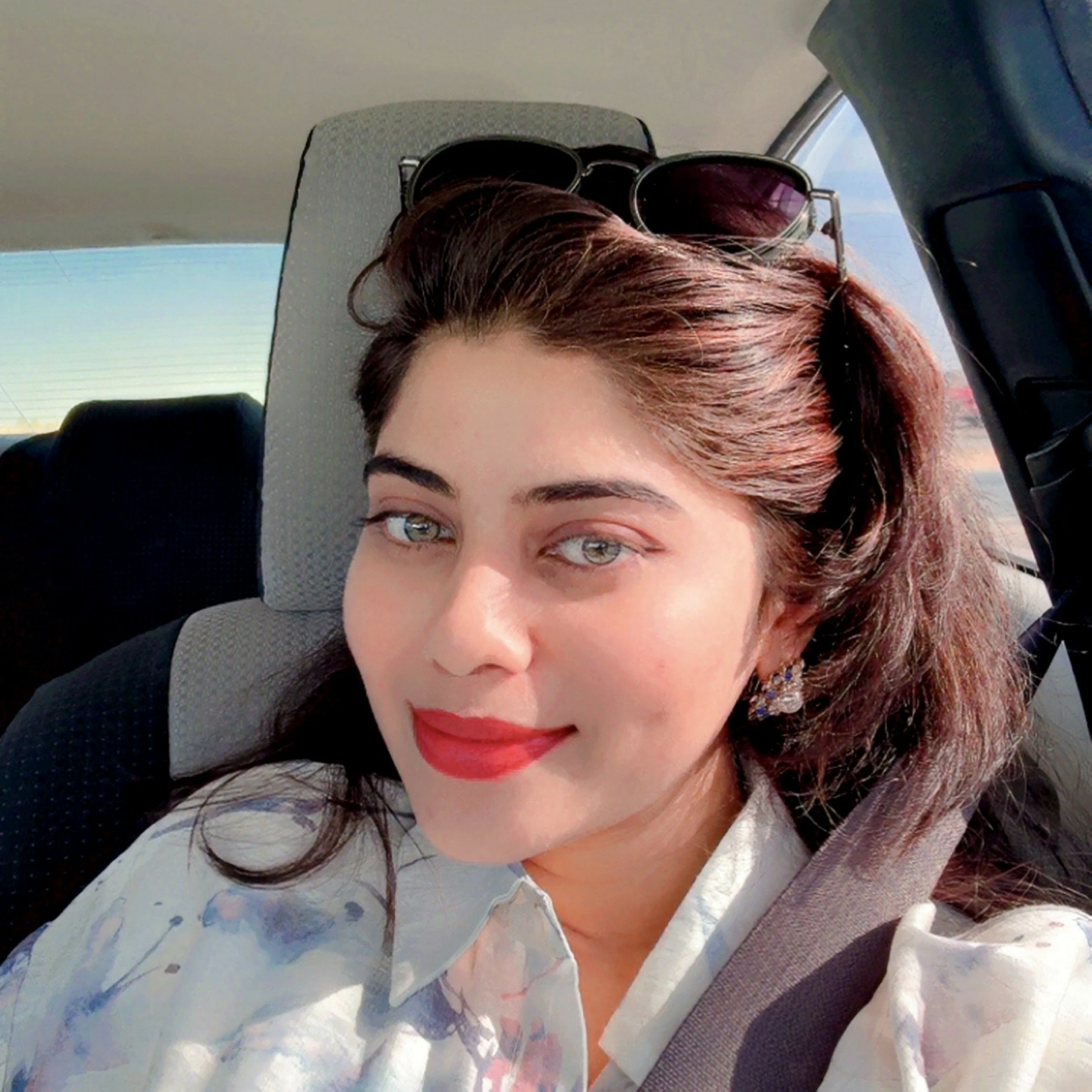
Aamna Zabeen is a mixed media visual artist based in Dubai. Originally from Kolkata, India, she specialises in landscape painting. “Working in mixed media allows me to experiment with texture, depth and layering, giving me the freedom to portray places not just visually, but emotionally,” Aamna says. “Each piece begins with a moment, a memory or a feeling, whether it comes from the lush familiarity of India or the expansive horizons of Dubai.”
“My artistic journey is shaped by the cultural richness of India and the modern contrasts of Dubai, allowing me to explore landscapes through both memory and fresh perspective,” she adds. “My work aims to capture the emotional essence of the environments that inspires in me a deep appreciation of natural beauty and man-made marvels.”
Aamna’s art is rooted in her relationship with the landscapes that surround her and the ones “she carries within herself”. She speaks more about her work to Gulf Today
Why are you attracted to landscapes?
I am attracted to landscapes for the stories, memories and emotions they carry within them. For me, a landscape is more than what the eye sees — it holds feelings. It can quietly tell the story of a place while, at the same time, reflect something deeply personal within me. For me, painting a landscape is a way of preserving a feeling, not simply a view. What attracts me most are the light, colours, textures and small details that I cannot resist capturing on my canvas. I enjoy the process of looking closer, discovering details and translating what I feel into my paintings.
How have the landscapes of India and the UAE inspired you?
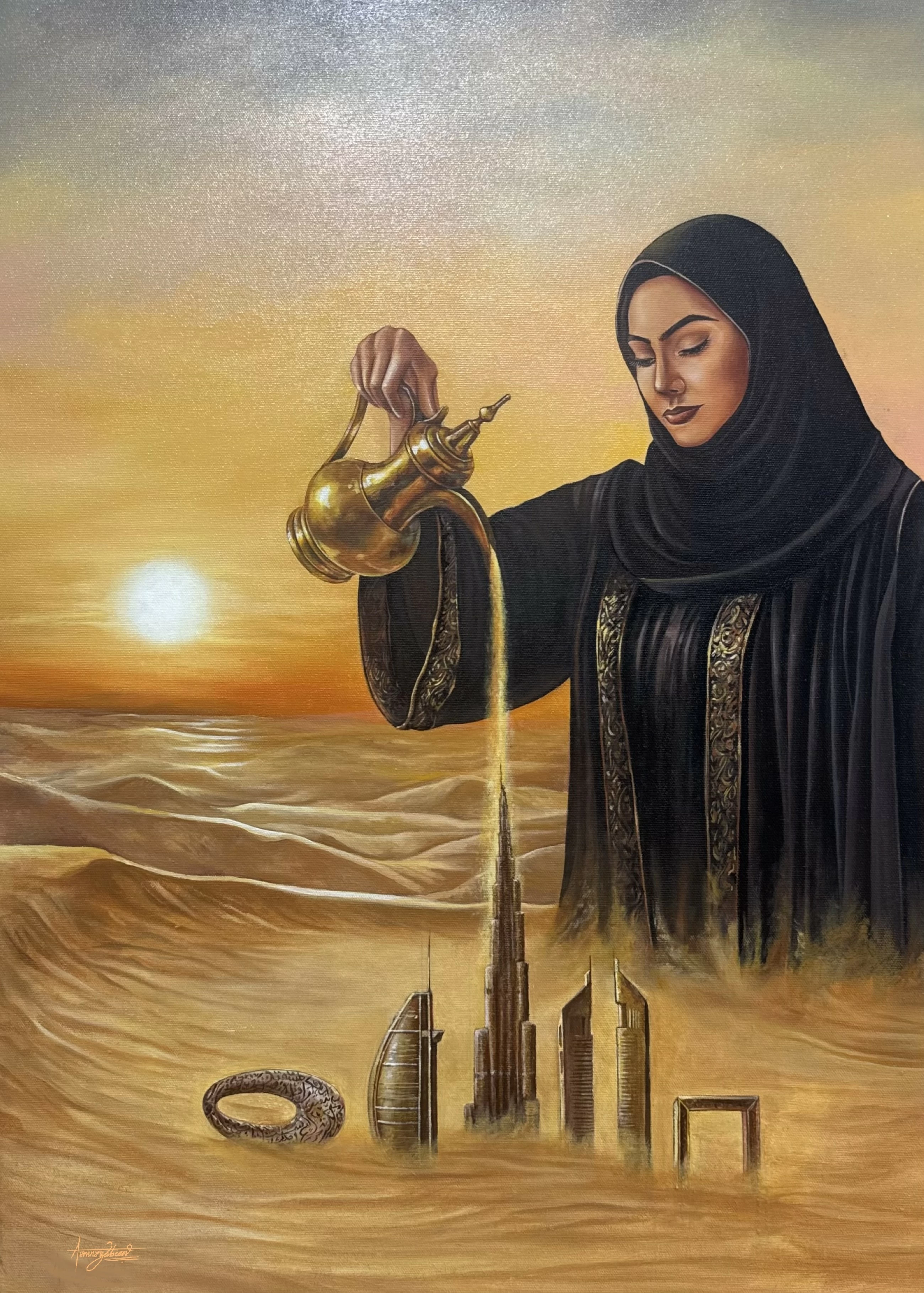
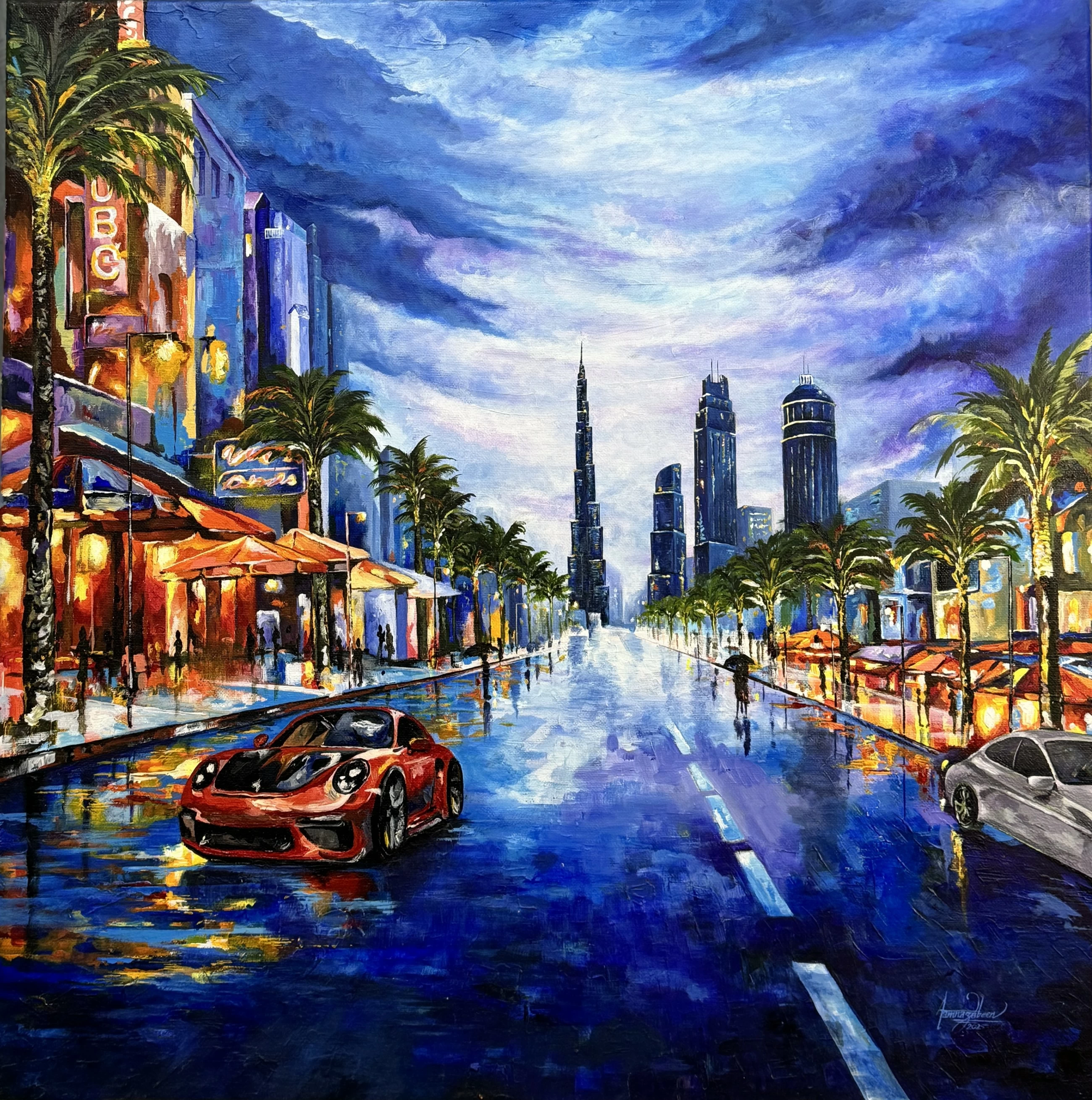
India has inspired me with its vibrant colours, greenery and natural landscapes, while the UAE introduced me to a completely different beauty, the architecture, colours and lights of Dubai. One experience that deeply influenced me was my live art of the Museum of the Future. I began painting at 8 a.m., choosing my view and composing the museum directly onto my canvas. I stood there for almost eight hours, painting it live from morning until evening. People stopped, watched the painting develop, interacted with me and shared their own connection with this iconic landmark. When evening arrived, the building began to glow, and I wanted my painting to experience that transformation too. That feeling inspired me so deeply that I created a glow-in-the-dark painting. Today, the same painting holds both experiences, the beauty of the museum in daylight and its magical transformation after sunset. That is what Dubai has added to my art: the courage to experiment, engage with the city directly and create something new from what I see around me.
What are the landscapes you “carry within yourself”?
The landscapes I carry within me are the most beautiful and irreplaceable memories of my childhood in India. I remember travelling by train from the city to my village, watching the scenery unfold through the windows - the greenery, hills, rivers and endless fields, and the simplicity of everyday life. Looking back, I feel that this was where I first learned to notice beyond what is seen. Those landscapes shaped the way I observe the world today.
A landscape can be benign or turn savage. How do these binaries affect you as an artist?
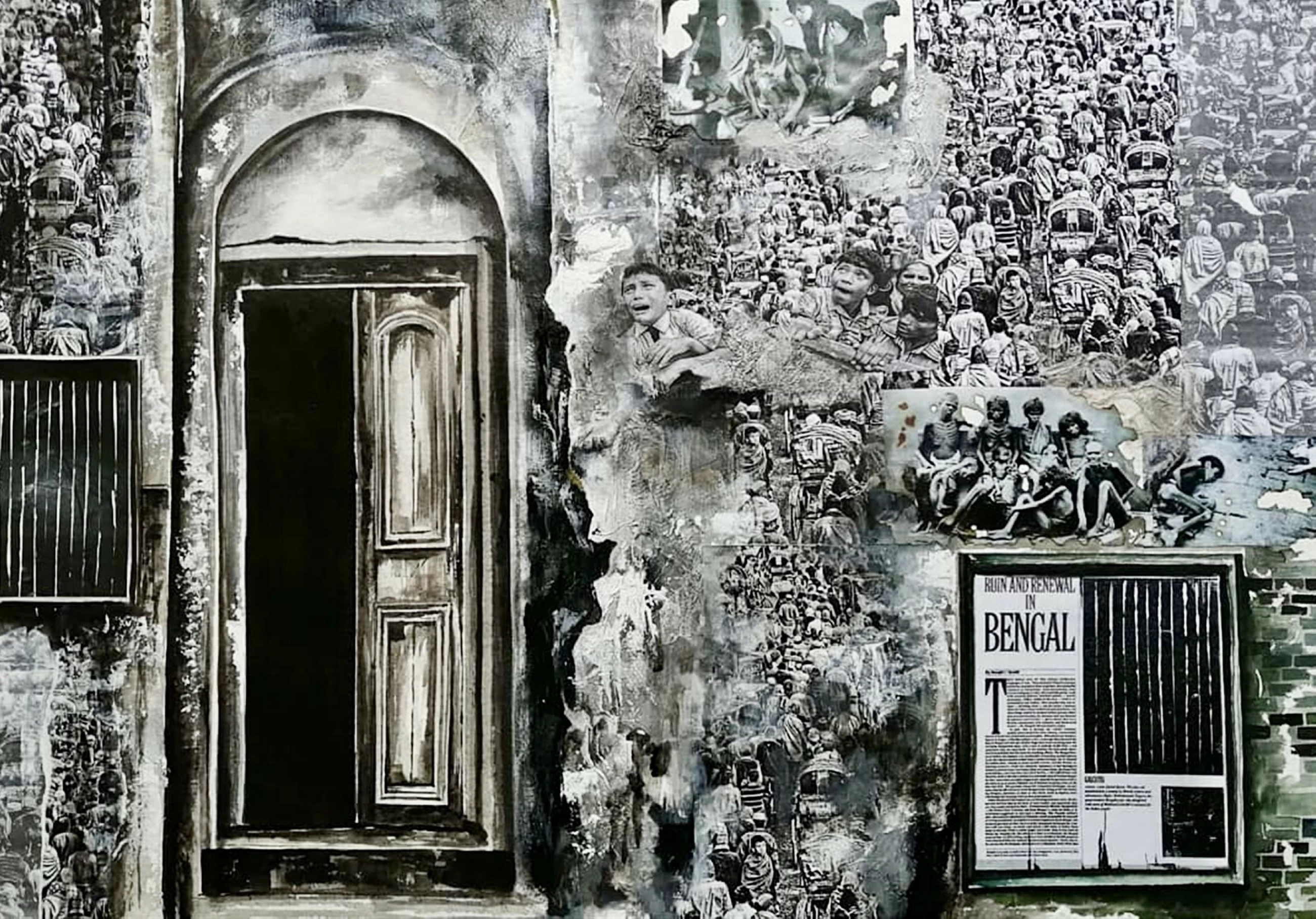
Landscapes can become silent witnesses to human suffering. In the process of capturing a moment and listening to the voices of nature, I realise that those voices are not always beautiful — they can sometimes sound dark, disturbing and even horrifying. One of my earlier series, A Call for Hands, created during the lockdown and provoked by the Bengal Famine, explored the unheard voices and pain of hunger.
Who are the master landscape artists who have influenced you?
Both India and the UAE have artists who have explored landscape deeply, though I don’t think landscape has to be a separate category in art. In India, artists like Ram Kumar showed how a landscape could move beyond physical representation and become deeply emotional. He has been particularly meaningful to me, because his landscapes go beyond representation and become almost an emotional state. In the UAE, Abdul Qader Al Rais is an important example of an artist whose practice has engaged with both the landscapes and visual identity of the Emirates. His work includes landscape watercolours reflecting his interest in Emirati architecture and nature. His pieces are very inspiring in the context of the UAE, particularly the way he has explored the relationship between landscape, architecture, nature and the identity of the region. J.M.W. Turner’s treatment of light and atmosphere has always fascinated me, while John Constable’s sensitivity to the changing character of nature is something I deeply admire.
Why do you like colour?
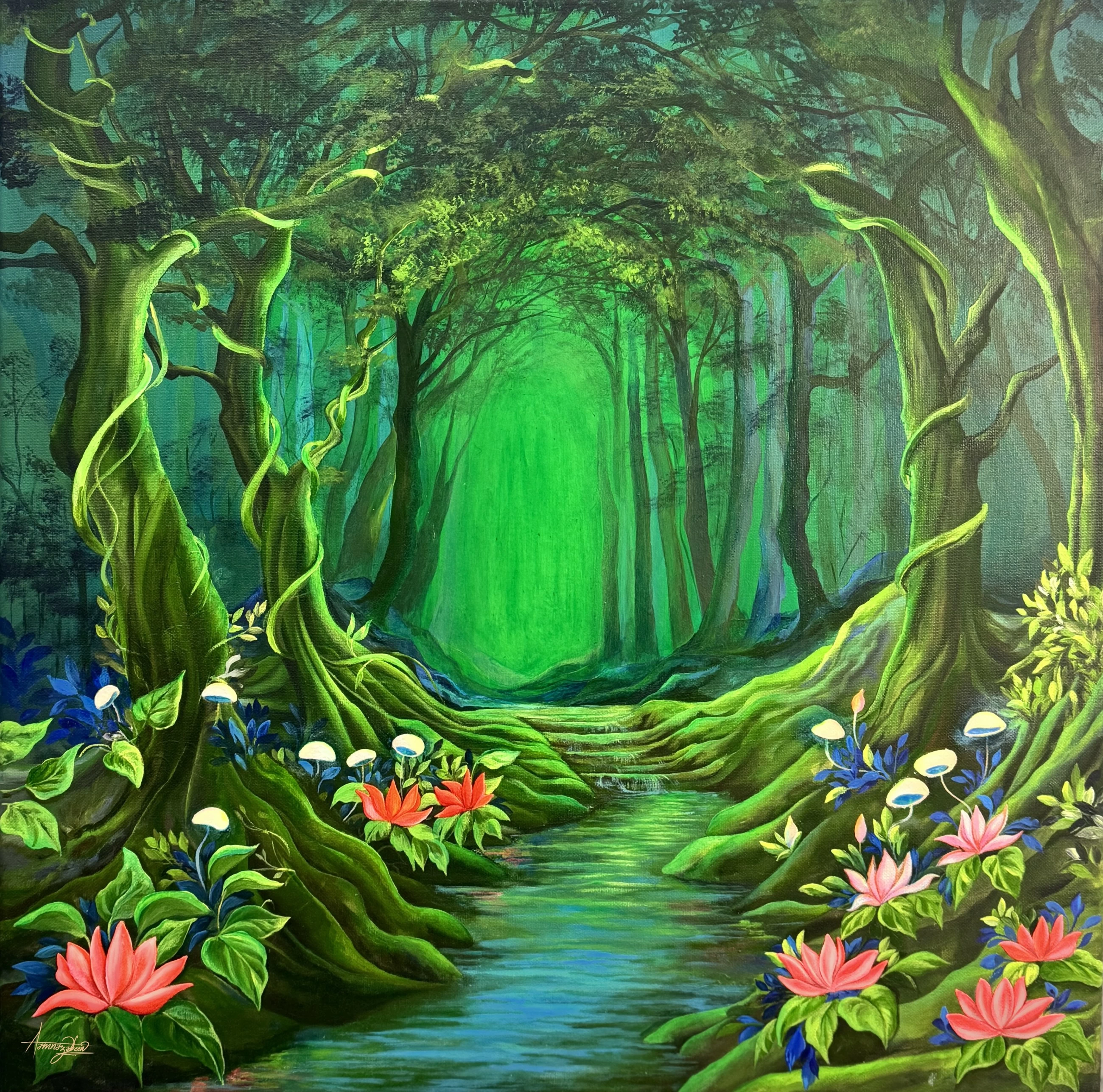
For me, colour is one of the main reasons I paint. It gives me the freedom to play on the canvas, experiment, and keep discovering something new; and that is what makes me want to paint more and more. I don’t see colour simply as something that makes a painting beautiful, I see it as a force that can transform everything placed on the canvas. A colour can change the mood, depth, atmosphere and even the way we perceive a landscape. I am especially fascinated by how colour behaves with light and how the same work can reveal a different character, depending on the light around it.