Man roasts, Nature toasts: Ishara Art Foundation show pays tribute
- Last updated: August 31, 2026 | 10:24


Muhammad Yusuf, Features Writer
Ishara Art Foundation is presenting The sky held it, the earth remembered (Sept 11 – Dec. 15), in collaboration with the Han Nefkens Foundation; it is an exhibition that showcases major works by Shahana Rajani, recipient of the inaugural South Asian Video Art Production Grant; Rohini Devasher; and Sarker Protick.
The show examines how land, water, and the cosmos serve as living archives of memory and history. Through photography, moving image, and installation, the exhibition argues that the environment bears the material traces of ecological change, preserving them across deep time.
The sky held it, the earth remembered engages with contemporary critiques of the Anthropocene, rejecting a human-centred vision of the world, in favour of the view that people and non-human forces are irrevocably intertwined.
Rather than a passive witness to history, the earth embodies the effects of environmental destruction and infrastructural violence. The banks of the Indus River, for example, erased by flooding, turn into brushstrokes on a mural painted from memory; and celestial phenomena become repositories of information invisible to the naked eye.
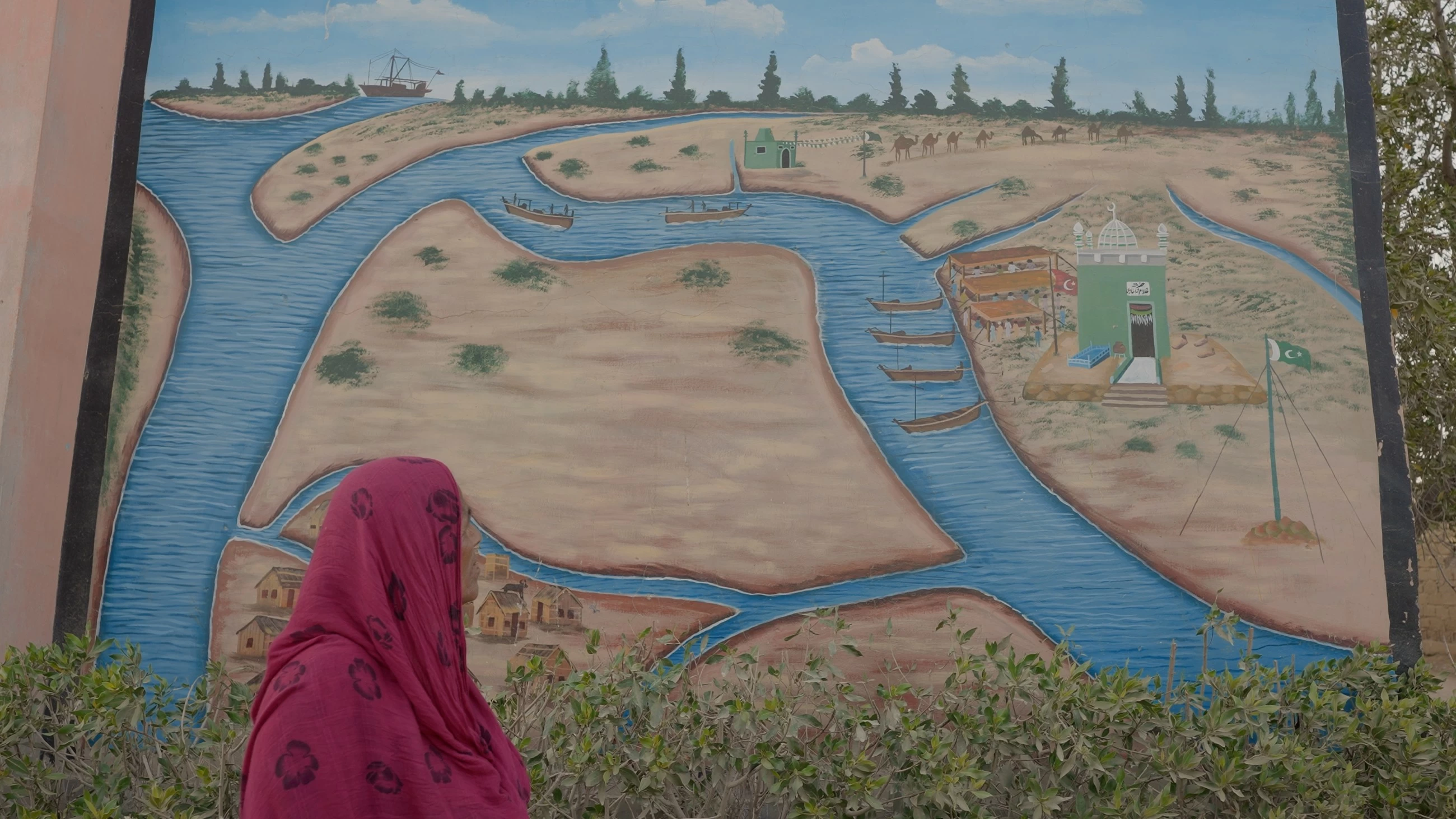
In Shahana Rajani’s Lines That World a River, the Indus emerges as a site of extraction, erasure and contested memory. The three-channel film traces the experiences of displaced communities of the delta who create murals and paintings to reconstruct and memorialise their ancestral villages, submerged underwater due to the building of hydraulic dams and barrages. Depicting clusters of houses, winding creeks, boats and ‘dargahs’ or shrines dedicated to Islamic saints, the artworks become acts of memory and resistance against both ecological destruction and state neglect.
An enclosure evoking a ‘dargah’ – often the only structure that remains standing amid inundated settlements – sits in the centre of the three screens. While shrines endure in the delta landscape, they cannot be accessed by those who have been displaced; the exhibition fills this void is temporarily. Rohini Devasher’s Latent Fields consists of three monumental habotai silk panels suspended from the ceiling, each measuring 3 x 5.5 metres. The works are emblazoned with images inspired by sun spots and other solar phenomena, shifting in scale from the microscopic to the atmospheric, as though taking the viewer through the body of a star.
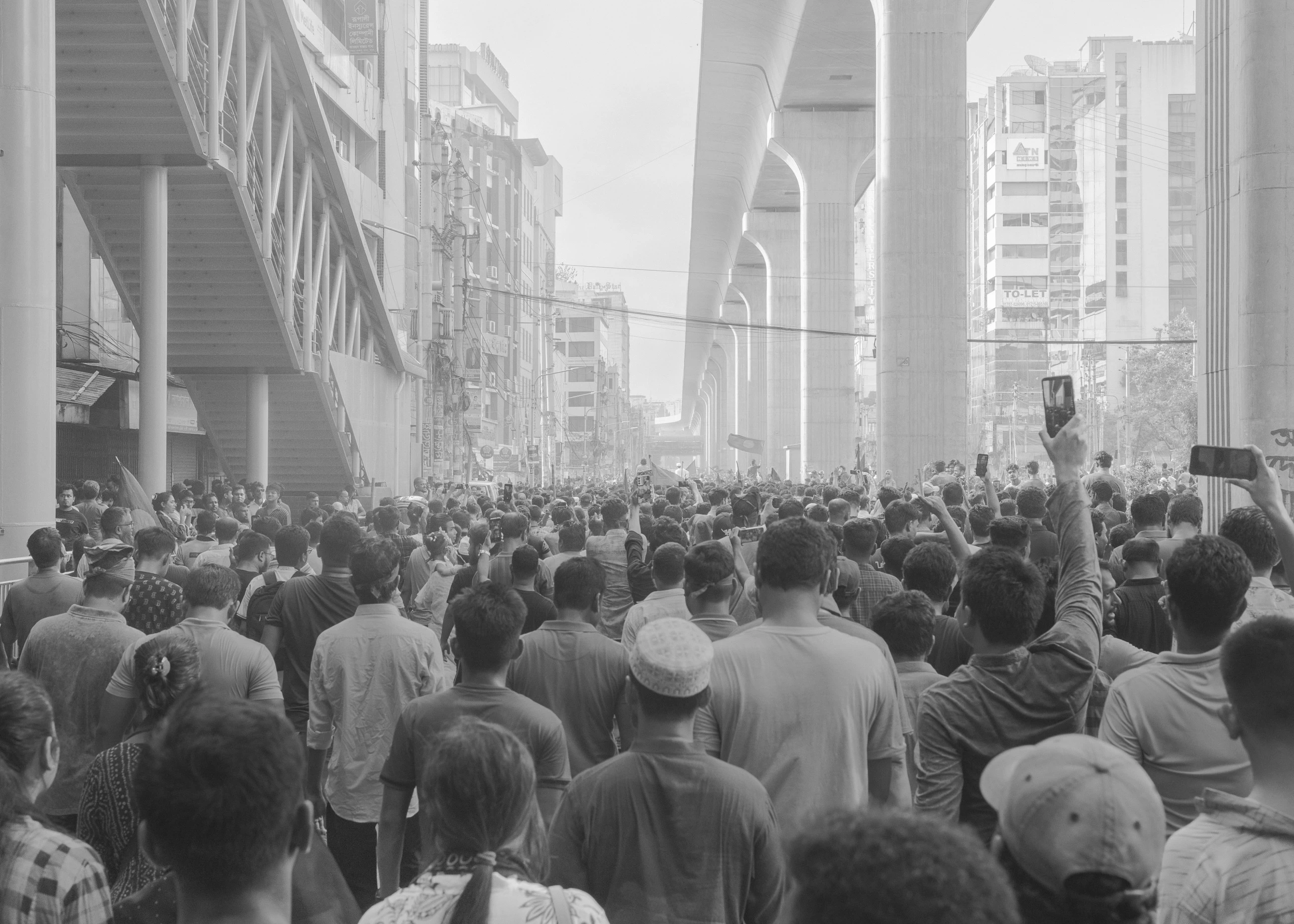
In her practice, Devasher plays the role of artist-as-astronomer, harnessing her research during past residencies at scientific institutes, such as CERN. To create the images in Latent Fields, she draws on specialised technologies used to observe distant stars and subatomic particles. Layered with luminous forms and delicate tracings, the installation represents the atmosphere as a palimpsest of cosmic time. A selection from Sarker Protick’s Dhaka 1217, a recent series of 135 black-and-white photographs, is also displayed at Ishara. The complete body of work forms the basis of a forthcoming book of the same title. Captured between 2011 and 2026, the works document the transformation of a one-square-mile radius around the neighbourhood where the artist was born and continues to live.
The built environment slowly encroaches on parks, lakes and vegetation: A railway line under development almost obscures foliage in the distance; palm trees stand buffeted by rain behind construction hoardings. Ecological ruin intermingles with personal loss. Fallen hair gathers on the floor, a woman gazes from an old photograph in a stained envelope, and a stack of books collects dust. Demonstrators of the 2024 Monsoon Revolution come together, protesting lost livelihoods.
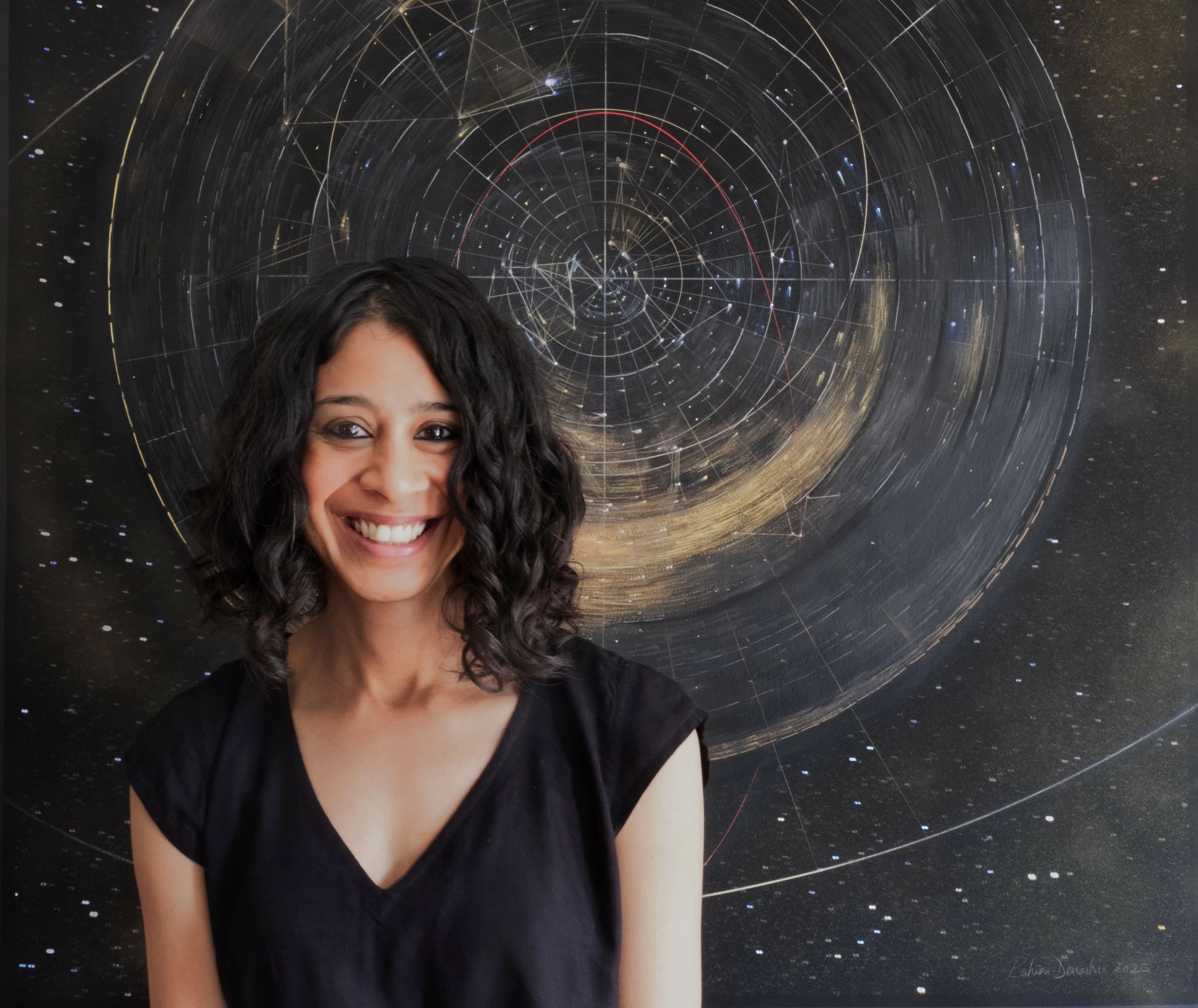
The scenes position the city of Dhaka as a contested terrain in which social, ecological and individual histories converge. Bringing together perspectives from Pakistan, India, and Bangladesh, The sky held it, the earth remembered foregrounds shared experiences of ecological decline, revealing how rivers, landscapes, and skies testify to changes that transcend national borders. The exhibition invites close attention to stories of dispossession and resilience, for those who are willing to understand them. Artworks for The sky held it, the earth remembered have been loaned from Gallery Wendi Norris, San Francisco and Shrine Empire, New Delhi.
The Han Nefkens Foundation – South Asian Video Art Production Grant 2023, in collaboration with Prameya Art Foundation, New Delhi, is presented in partnership with Ishara Art Foundation, Dubai; Nottingham Contemporary; Museum of Contemporary Art Tokyo (MOT); Museum of Contemporary Art Antwerp (M HKA); and Para Site, Hong Kong. The exhibition has been supported by Emirates Insurance.
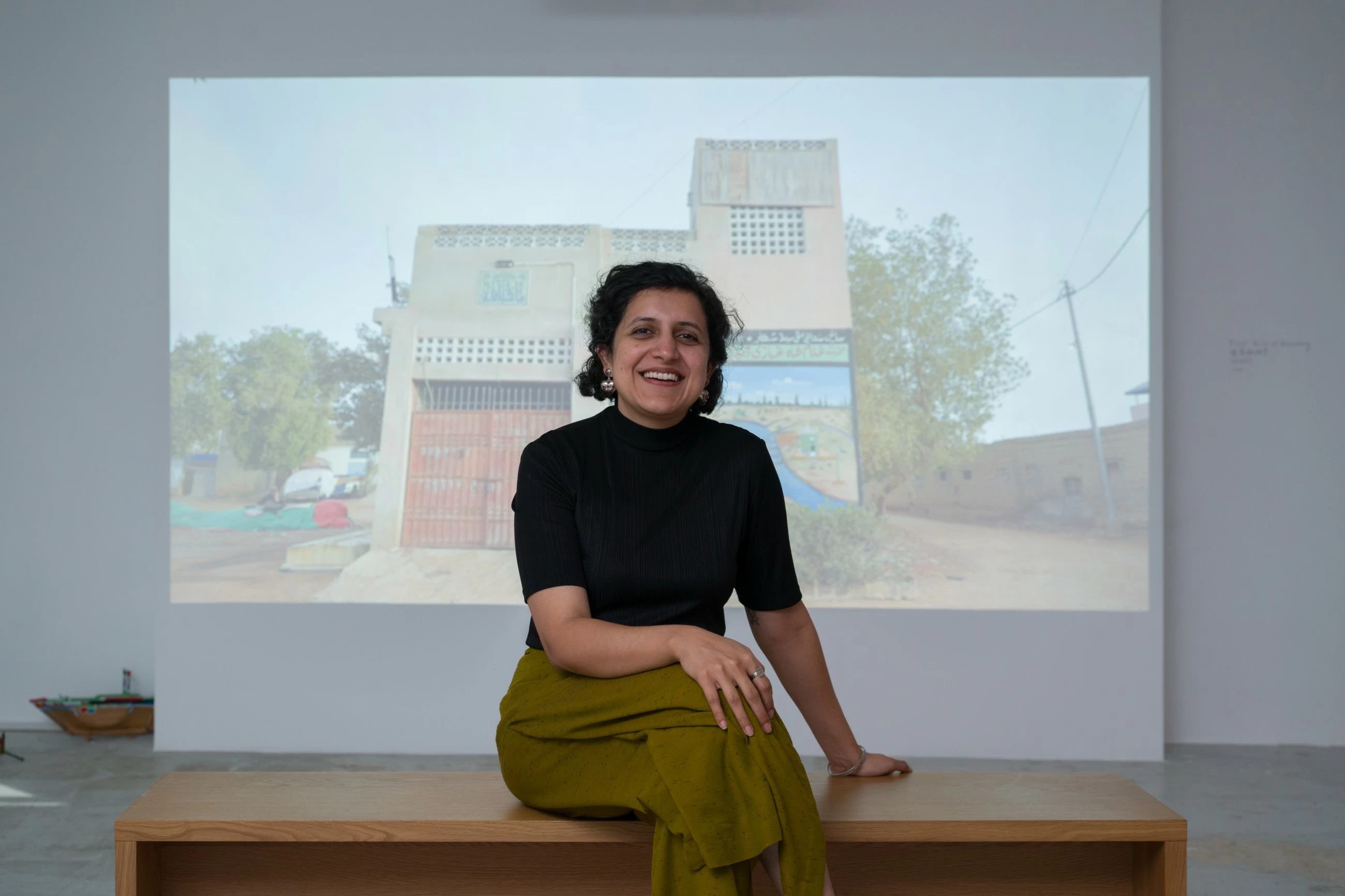
Shahana Rajani (b. 1987) is a multi-disciplinary artist exploring the visualities and landscapes at the intersections of development, militarism, and ecological resistance in Pakistan. Community-based and collaborative approaches to research are central to her practice. She works across moving image, installation and print, and engages with dissident histories and practices of representation. Rohini Devasher (b. 1978) is an artist whose research-intensive practice examines the intersections between the humanities and the sciences. For Devasher, a close reading of the interplay between site, observer, and observation is key to exploring the relationships between the human and the more-than-human.
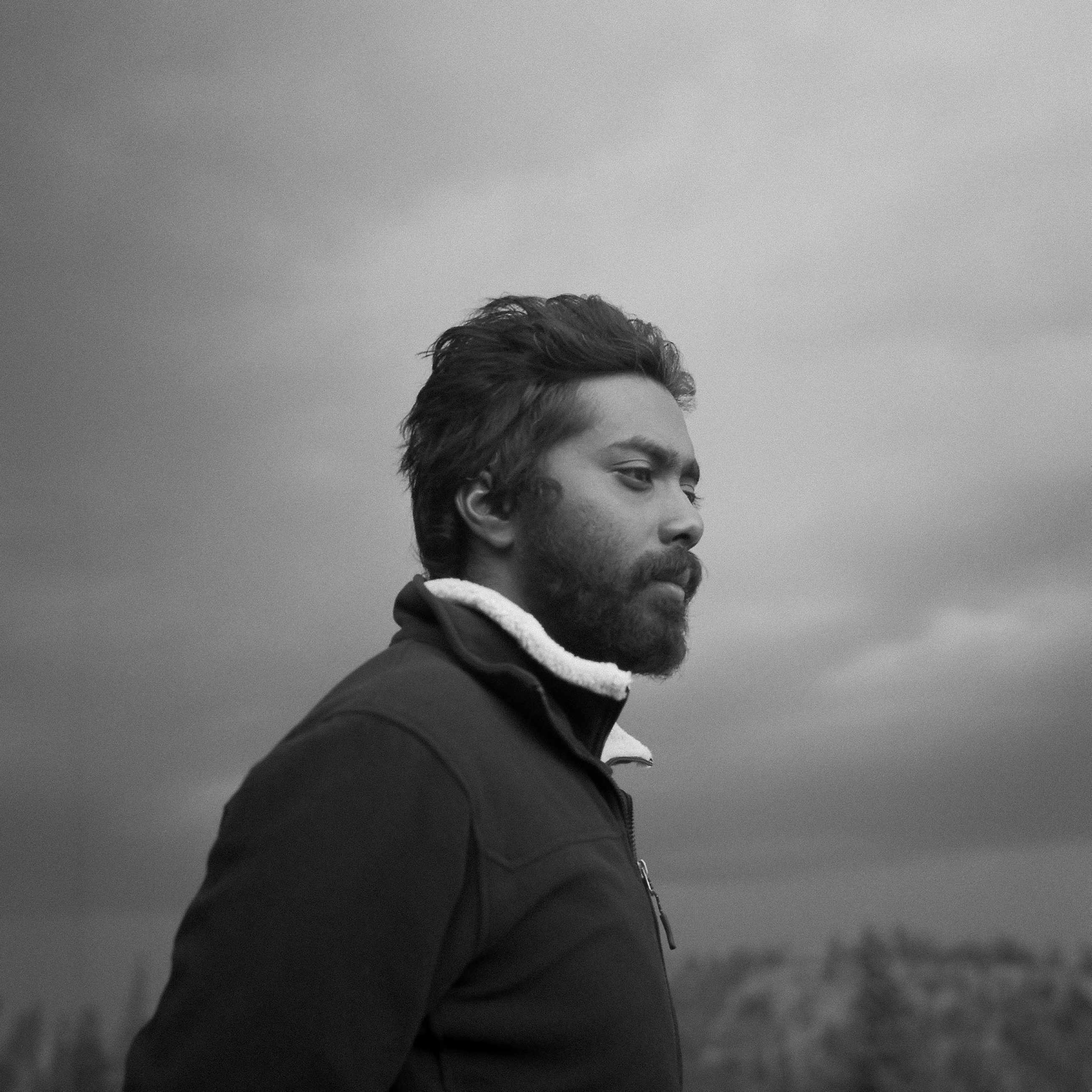
Spanning video, sound, printmaking, drawing, installation, and other media, her projects illuminate weird, seductive, and entangled worlds. A longtime amateur astronomer, Devasher collaborates with other astronomers to probe the stories, conversations, and histories of those whose lives have been transformed by the night sky. Devasher was named the 2024 Deutsche Bank Artist of the Year. Sarker Protick (b. 1986) is an artist based in Dhaka who works through photography and moving image, exploring the relationships between landscape, history, ecology, and power. His practice focuses on colonial legacies, infrastructure and environmental transformation in Bangladesh and the wider Bengal region.