Dubai Culture to participate in 59th Seminar for Arabian Studies in Italy
- Last updated: July 30, 2026 | 09:10


Muhammad Yusuf, Features Writer
Dubai Culture and Arts Authority (Dubai Culture) has announced its participation in the 59th Seminar for Arabian Studies, organised annually by the International Association for the Study of Arabia (IASA), to showcase the latest academic research on the Arabian Peninsula. The move aligns with Dubai Culture’s mandate and sector priorities to support scientific research and safeguard the emirate’s cultural heritage. The seminar, hosted by the University of Bologna, Italy, July 30 — August 1, will bring together leading researchers and specialists in the archaeology and history of the region to discuss the latest studies across archaeology, history, epigraphy, languages, literature, art, ethnography, geography and other disciplines related to the Arabian Peninsula.
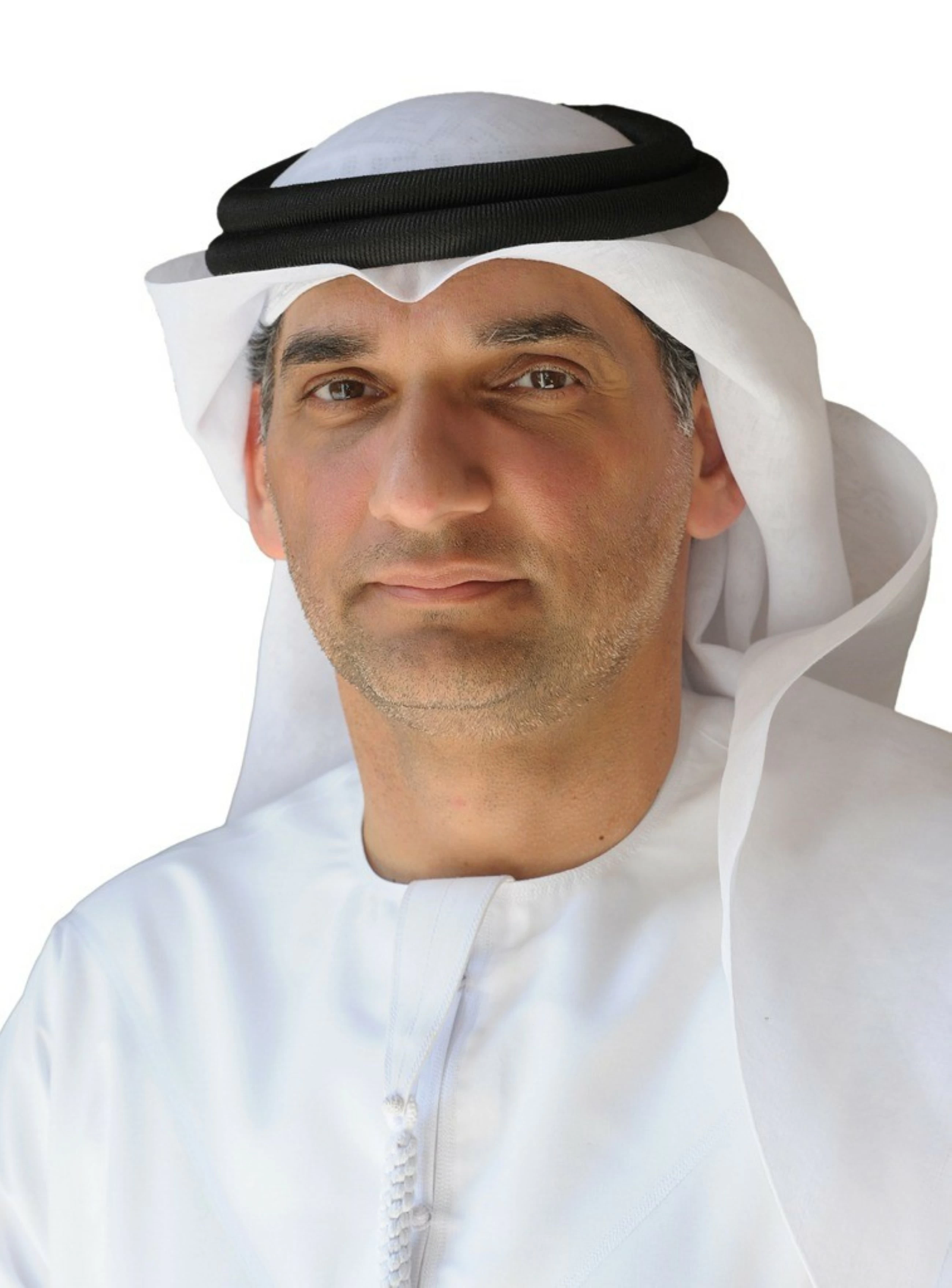
Bader Mohammed Al Ali, Director of the Antiquities Department at Dubai Culture and Arts Authority, emphasised the importance of Dubai Culture’s participation in the 59th Seminar for Arabian Studies, noting that it reflects the Authority’s commitment to advancing archaeological research and studies related to Dubai’s history and local culture, while highlighting the scientific significance of the emirate’s archaeological sites.
He said: “The archaeological discoveries uncovered across Dubai’s sites constitute an important scientific resource, enabling specialists to explore the relationships between Dubai’s ancient inhabitants and other civilisations, while deepening our understanding of the emirate’s history and its role in fostering communication and cultural exchange throughout the ages.
“The seminar also provides an important platform for presenting the latest research on Saruq Al Hadid Archaeological Site to a distinguished community of researchers, strengthening Dubai’s contribution to international academic discourse and facilitating the exchange of knowledge, expertise and the latest archaeological research and documentation methodologies. Such engagement supports the continued development of archaeological studies, while reinforcing Dubai Culture’s efforts to preserve and promote the scientific value of the emirate’s cultural heritage.”
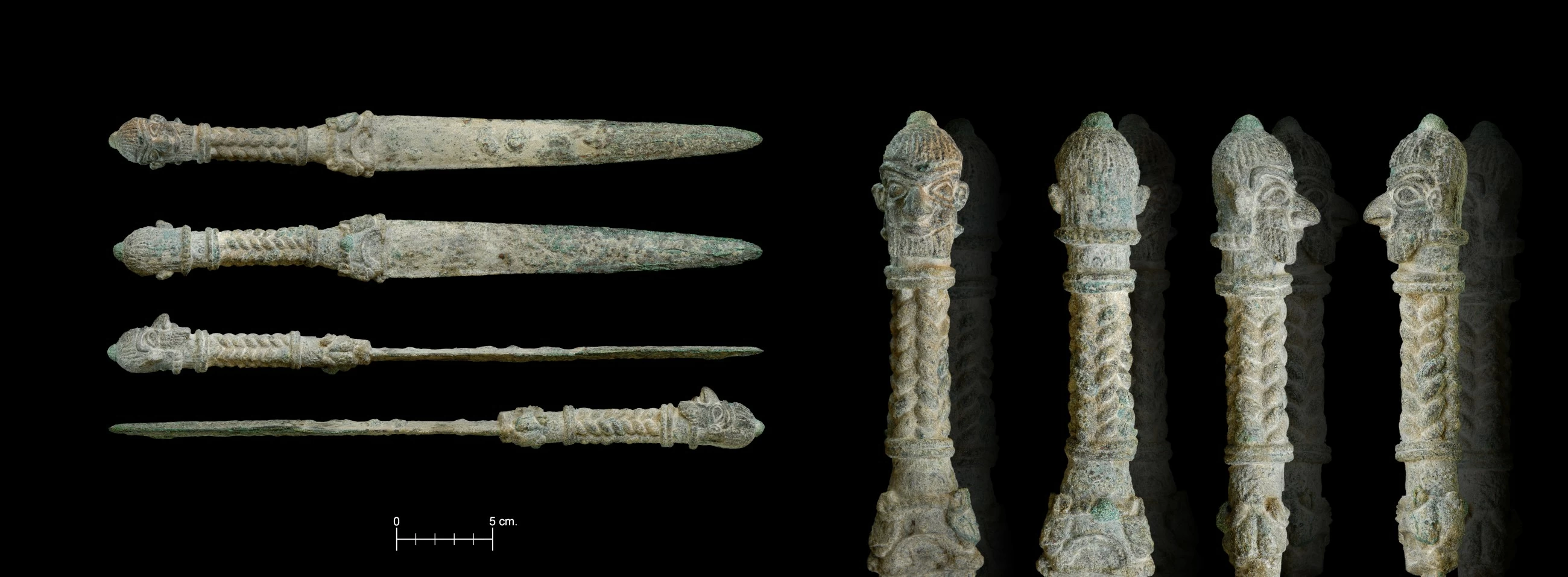
As part of the seminar’s scientific programme, Mariam Ali Al Suwaidi, Chief Archaeologist at Dubai Culture’s Antiquities Department, will present a scientific paper titled ‘An Anthropomorphic Copper Alloy Dagger discovered at Saruq Al Hadid Archaeological Site’. It examines one of the most significant discoveries made during archaeological excavations at Saruq Al Hadid — a unique Iron Age (first millennium BCE) copper dagger distinguished by a human-head-shaped handle and intricate decorative motifs that reflect the remarkable artistic and cultural sophistication achieved at the site.
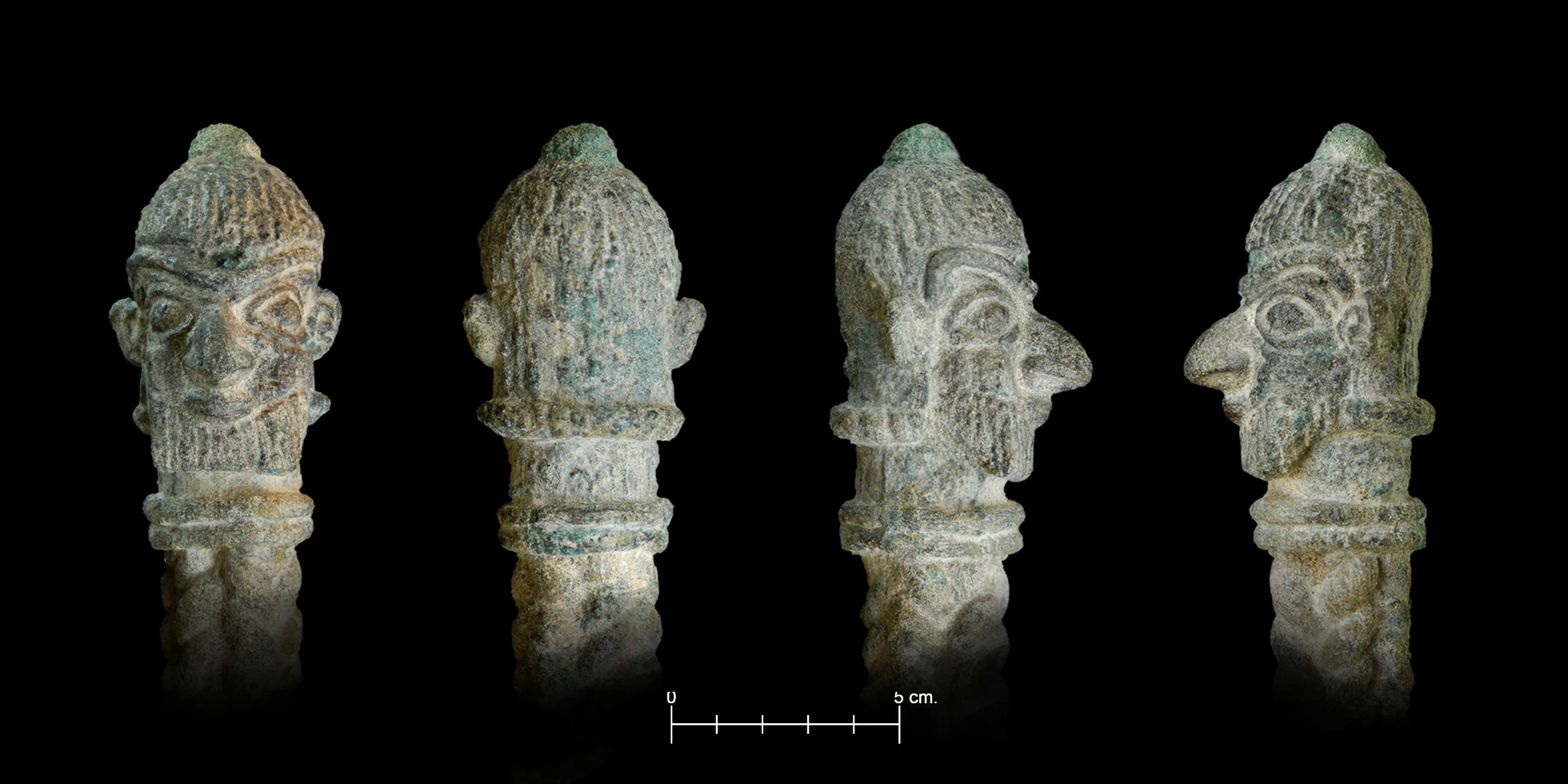
The scientific paper also explores Saruq Al Hadid’s role in the trade networks and cultural exchanges that connected south-eastern Arabia with neighbouring regions during the Iron Age, besides showcasing a collection of distinctive and rare daggers discovered at the site. Saruq Al Hadid Archaeological Site is recognised as one of the UAE’s most significant archaeological sites. It is believed to have served as one of the major centres of metallurgical production during the Iron Age (first millennium BCE). Archaeological excavations and discoveries conducted at the site over the years have demonstrated that its history spans multiple periods, from the Neolithic through the Bronze Age and the Iron Age to the Islamic Era. This reflects the site’s long-term occupation, continuous cultural development, and enduring trade connections with numerous civilisations across the ancient Near East and the Indus valley.
Archaeological investigations at the site have uncovered an exceptional assemblage of artefacts, including personal adornments, stone and metal artefacts, and locally produced and imported pottery. The discoveries illustrate the richness and diversity of the material culture uncovered at the site and reinforce its archaeological significance as one of the UAE’s foremost archaeological sites. Extending across more than six square kilometres, Saruq Al Hadid continues to provide invaluable insights into the region’s ancient history.
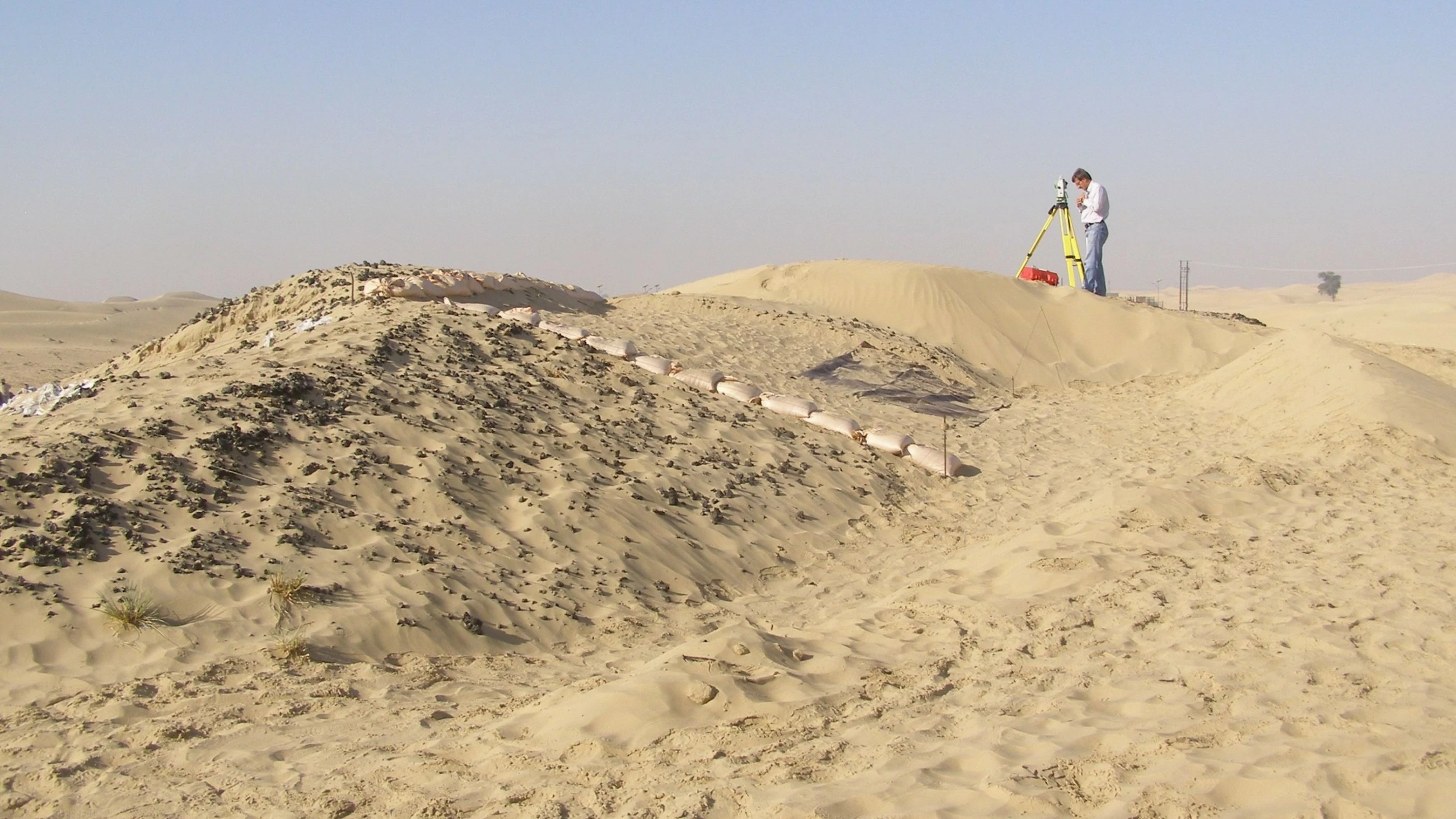
The Saruq Al Hadid Archaeological Site, was discovered in 2002 by Sheikh Mohammed bin Rashid Al Maktoum, Vice President and Prime Minister of the UAE and Ruler of Dubai, as he was flying across the desert in his helicopter. Noticing some unusual dune formations and a large black deposit in the sands, he reported the site to Dubai Municipality. The site proved to be a field of slag from copper and iron smelting. It was conjectured the extensive slag field, measuring some 1.5 hectares, had stopped the sand shifting and blowing, and so had preserved the underlying site.
The seals unearthed from the site constitute the largest collection of Iron Age seals in the Arabian Peninsula and demonstrate links with Mesopotamia, the Indo-Iranian area and Egypt. Finds of early Iron Age carved wooden artefacts at the site consist of local woods such as acacia, ghaf and sidr, and also items made from olive and pine wood, which point to early trade links with the Levant.
As well as evidence of metals from far afield such as tin, which is not found in the Gulf peninsula, carnelian beads point to links with the Indus Valley, while seals and pottery finds link to the Sumerians of Mesopotamia. The zone was not just an Iron Age settlement, but a multi-period location with distinct functions spread over more than three millennia.The Authority’s participation in the upcoming seminar reflects its ongoing efforts to highlight the scientific and cultural significance of Dubai’s archaeological sites and their exceptional discoveries, contributing to scholarly research on the region’s history, while reinforcing Dubai’s presence in the international academic community.