DAG hosts exhibition of Indian portraits made by Emily Eden during British era
- Last updated: July 29, 2026 | 08:44


Muhammad Yusuf, Features Writer
DAG, one of India’s leading art companies, is currently presenting a landmark exhibition reassessing one of the most remarkable visual records of nineteenth-century India. On view July 10 — August 1 at its spaces in 22 A, Windsor Place, Janpath, New Delhi, Princes & People of India: Portraits by Emily Eden, is a major exhibition that brings together, for the first time in India, the complete published series of Emily Eden’s celebrated Portraits of the Princes and People of India (1844), the recently acquired Eden Family Archives, and a rare corpus of Lahore Company School paintings, giving a local perspective on the same subjects.
Curated by art historian and author Mary Ann Prior, the exhibition offers an unprecedented opportunity to engage with one of the most significant female-authored visual records of nineteenth-century India marking the first major presentation in India dedicated to Emily Eden (1797–1869), an artist, writer and keen observer, whose work occupies a singular place in the visual history of the subcontinent.
Through portraits of kings and courtiers, warriors and attendants, travellers and servants, the exhibition reconstructs a vivid panorama of a world in transition — one that continues to shape the histories and identities of the present. It is an extraordinary visual record of a society in transition, as it busily records people, places and encounters.
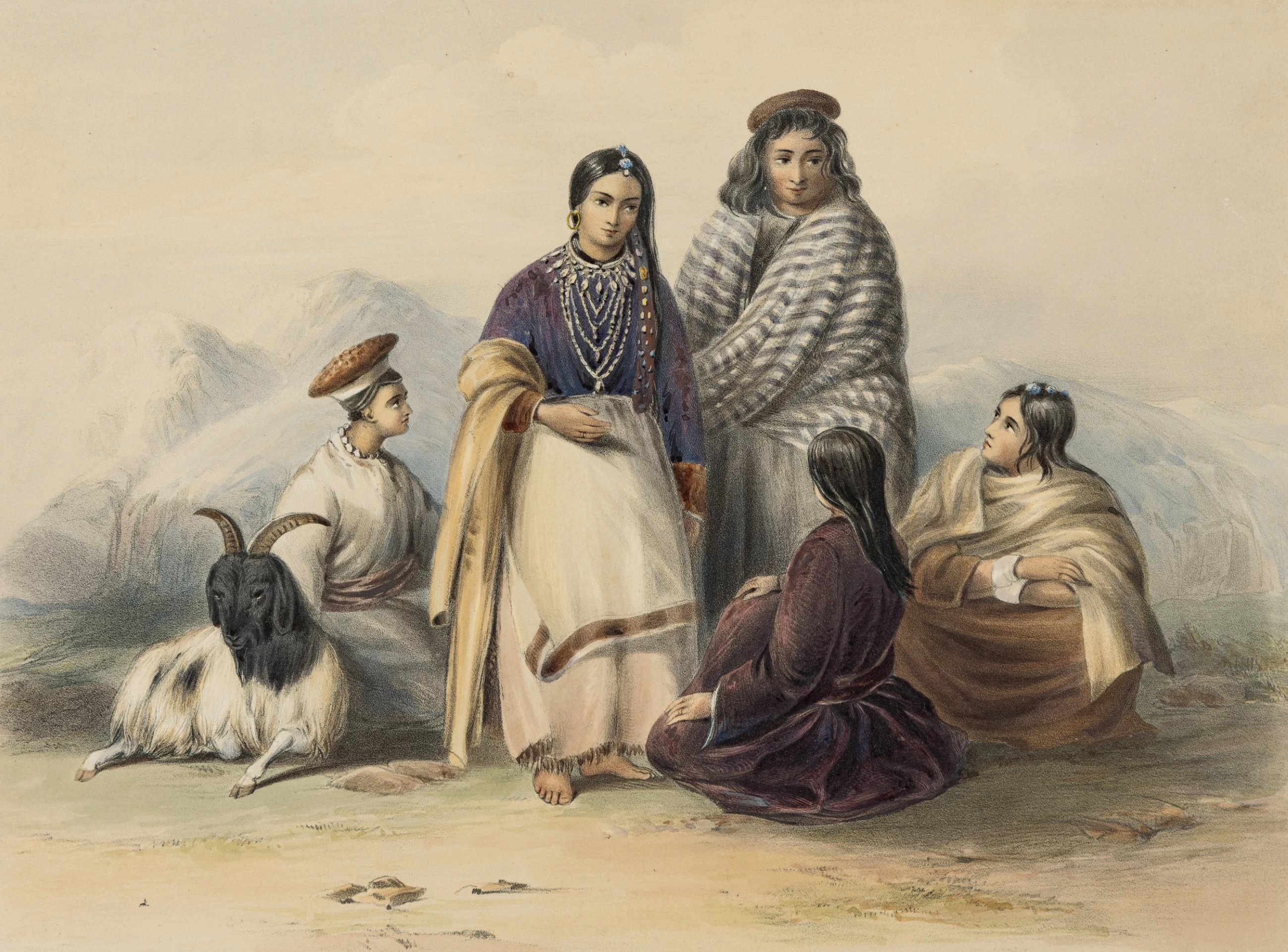
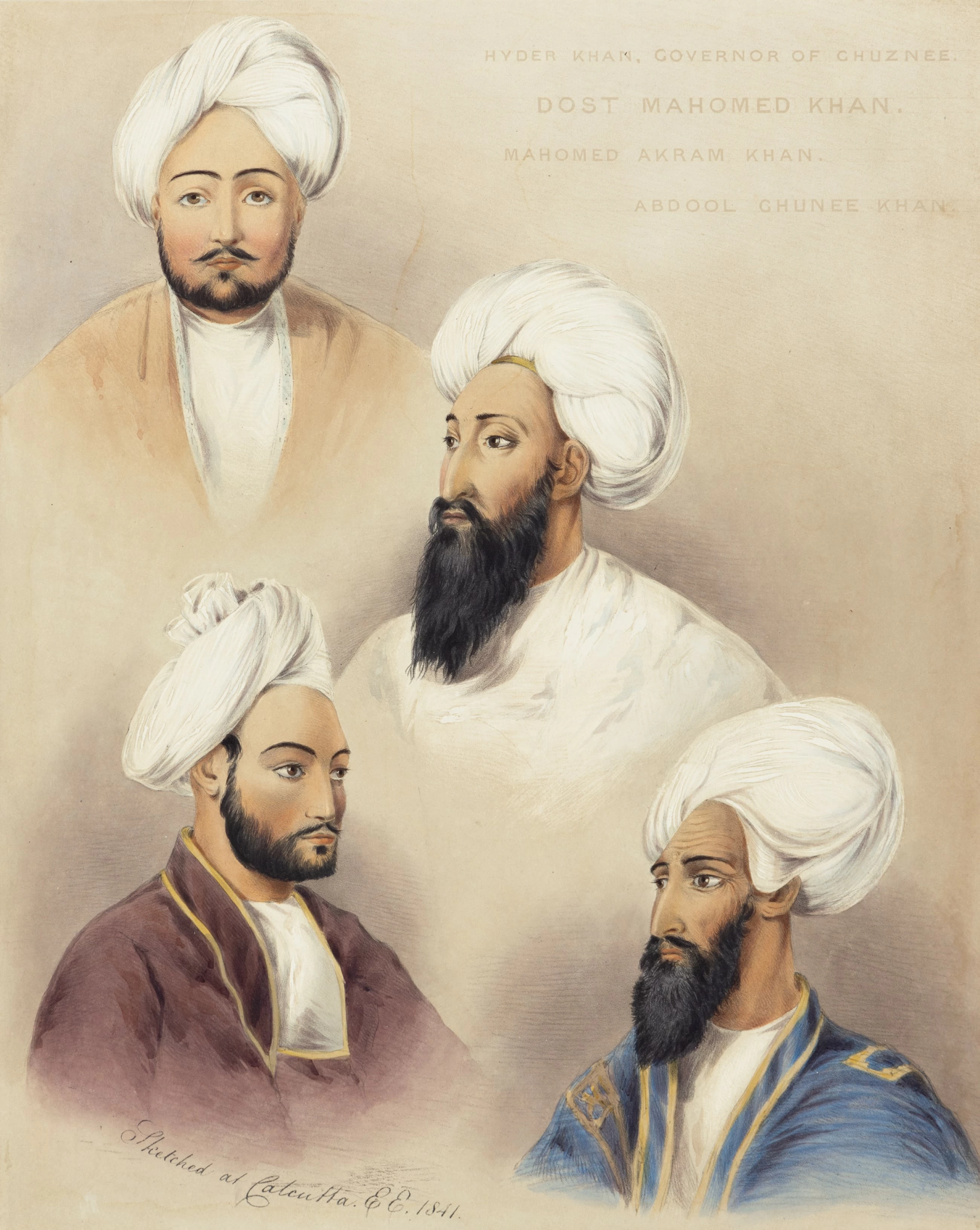
At the centre of the exhibition is Emily Eden’s celebrated portfolio of hand-coloured lithographs based on sketches made during her travels across northern India between 1836 and 1842 (Portraits of the Princes and People of India 1844). Accompanied by her own descriptive texts, the publication combines visual documentation with sharp personal commentary, revealing a distinctive voice that was at once curious, perceptive and deeply engaged with the people she encountered.
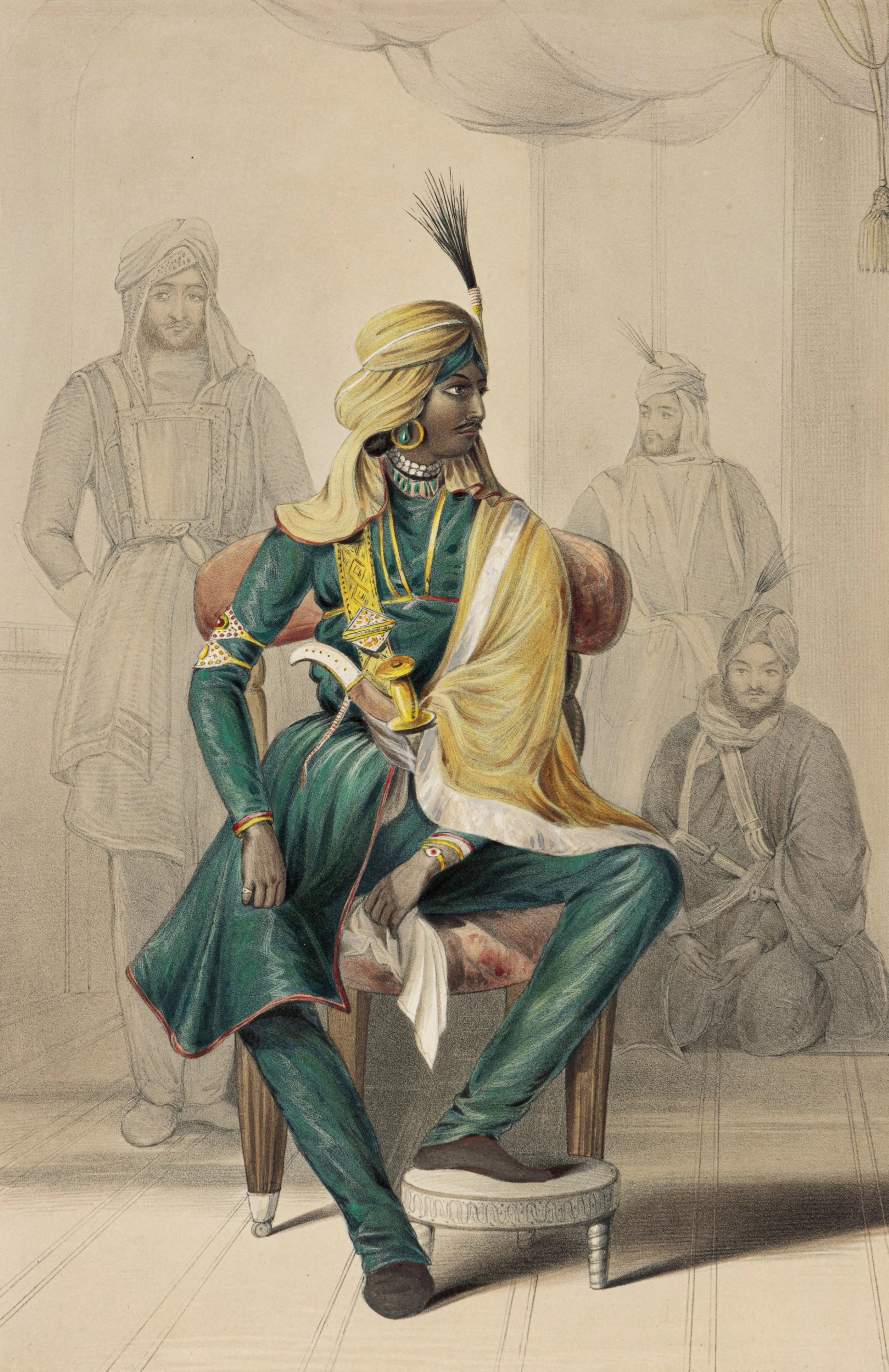
Capturing a moment of profound historical significance, documenting individuals and communities whose worlds would soon be transformed by shifting political realities and expanding colonial influence, the most compelling works are portraits associated with the court of Maharaja Ranjit Singh, whose Punjab kingdom represented one of the most powerful political forces in the region.
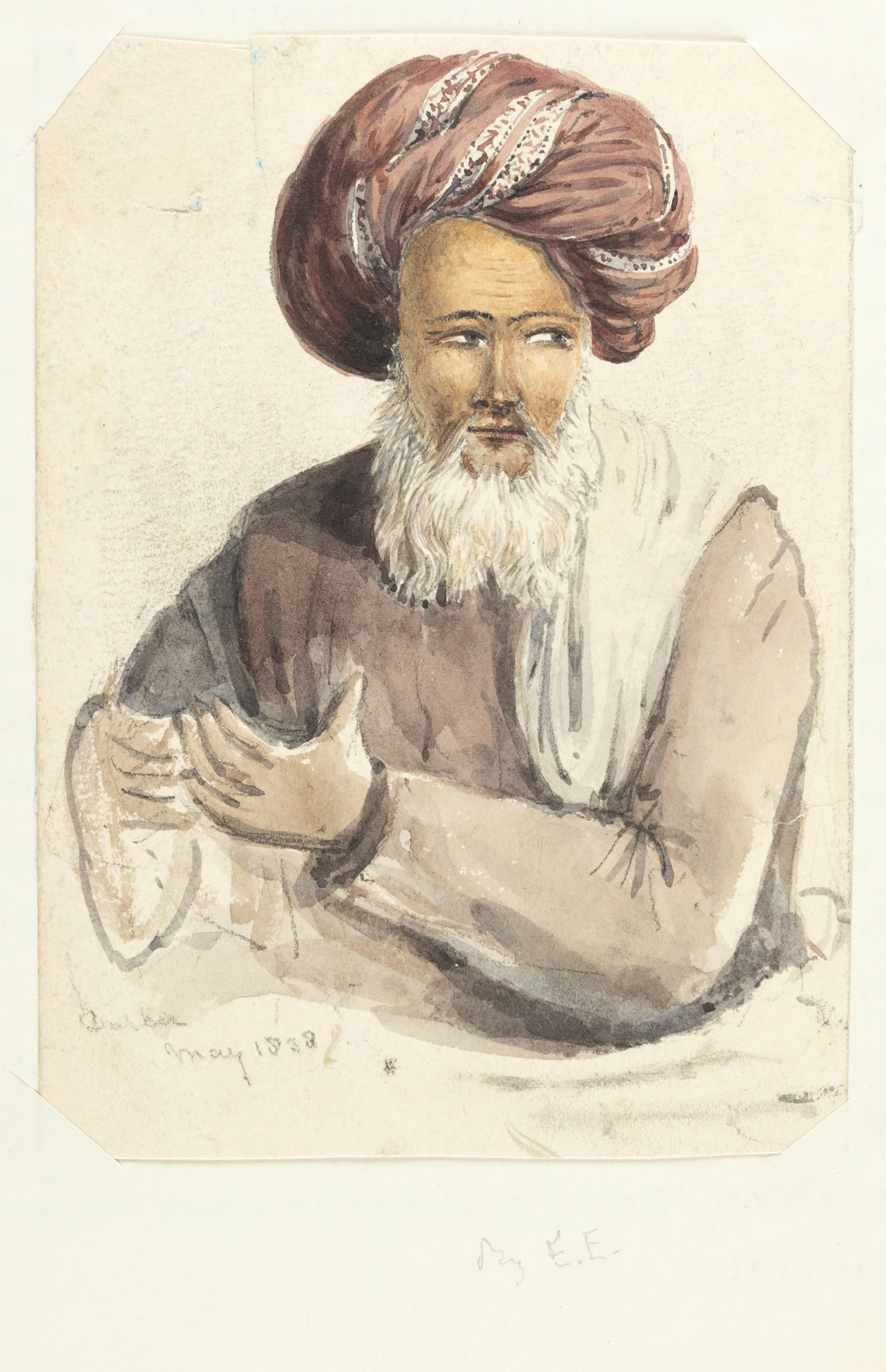
A highlight of the exhibition is the accompanying Eden Family Archives, recently acquired by DAG from the estate of Anthony Eden, former Prime Minister of the United Kingdom. Comprising sketchbooks, journals, correspondence, original watercolours and family papers, the archive offers an intimate view of Eden’s creative process, and provides insight into the experiences that shaped her artistic practice. Complementing Eden’s work is a rare collection of Lahore Company School paintings dating from the mid-nineteenth century. Produced in one of the last flourishing centres of Company painting in India, the works depict many of the personalities, occupations and social types that appear in Eden’s images.
Their inclusion creates a compelling dialogue between British and Indian artistic traditions, offering visitors an opportunity to consider parallel modes of representation emerging from different cultural perspectives. Together, the material reveals the extent of her achievement and underscores her importance as one of the most significant women artists associated with British India. Commenting on the exhibition, Ashish Anand, DAG CEO and Managing Director, said that “Emily Eden occupies a unique position in the visual history of nineteenth-century India. Her portraits are remarkable not only for their artistic accomplishment but also for the breadth of people she chose to represent — from rulers and military leaders to attendants, artisans and communities encountered along the way.”
“Since first seeing a portfolio of Emily Eden’s Indian portraits over a decade ago, I’ve admired her work and wished to make it known to a wider audience,” said Mary Ann Prior. “It’s particularly poignant that we are able to bring attention to Emily’s extraordinary life, her paintings and drawings here in India, where many of them were originally produced.” By foregrounding Emily Eden’s artistic legacy, Princes & People of India contributes to a broader reassessment of women’s contributions to the visual culture of the nineteenth century and highlights the role of travel, observation and cross-cultural exchange in shaping artistic practice.
Featuring contributions from leading scholars including Brigid Allen, Eleanor Nesbitt and F. S. Aijazuddin, an eponymous book, edited by Mary Ann Prior, offers new perspectives on the intersections of art, politics, gender and empire, while situating Emily Eden among the most important visual chroniclers of nineteenth-century India. Prior here shows how Eden’s time in India developed her vision and practice; Brigid Allen, a British political historian, places Emily and her siblings in the context of their turbulent times; Eleanor Nesbitt, a specialist in Sikh history, analyses the Edens’ encounter with Ranjit Singh’s court, to consider what they made of each other, politically and personally; the veteran scholar and journalist F.S. Aijazuddin, who has written extensively on art emanating from Lahore, discusses the group of Company paintings that provide a fascinating counterpoint to Eden’s work.
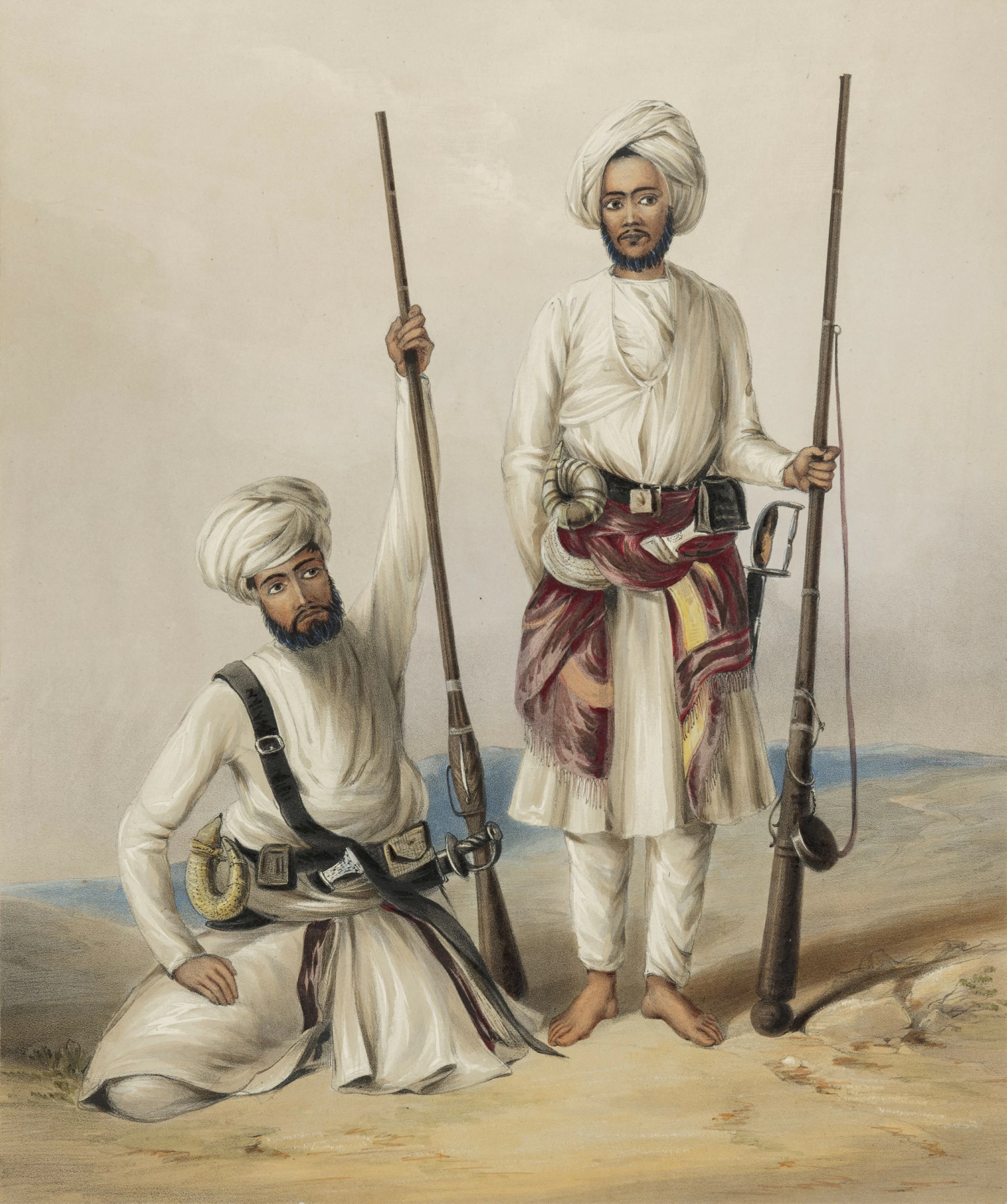
Together, the authors provide a fully rounded picture of one of British India’s most interesting and least explored artists. While Emily Eden has long been recognised as a prominent literary figure and correspondent, her achievements as an artist have often received less sustained attention. By bringing together her published works, archival material and related visual cultures, Princes & People of India positions Eden among the most important artistic chroniclers of nineteenth-century India. More than a historical survey, Princes & People of India invites audiences to reconsider nineteenth-century India through the eyes of a woman whose curiosity, artistic discipline and powers of observation, produced an enduring visual archive.