SAF’s Vantage Point 13 to explore world of documentary photography
- Last updated: July 22, 2026 | 08:58


Muhammad Yusuf, Features Writer
Sharjah Art Foundation (SAF) presents Vantage Point 13, the latest edition of its open-call photography exhibition, bringing together newly commissioned works by six artists. On view from Aug. 8 to Nov. 29 in Gallery 2, Photography Gallery, Al Manakh, Sharjah, the exhibition examines the evolving possibilities of documentary photography. Developed through curatorial dialogue with the participating artists, Vantage Point 13 unfolds through a series of separate yet interconnected approaches.
Working across diverse geographies and contexts, the six artists — Luisa Dörr, Latifa AlBokhari, Sathish Kumar, Adam Rouhana, Guanyu Xu and Maheder Haileselassie — engage photography not simply as a tool for recording reality, but as a medium through which histories and representative systems are negotiated.
Through portraiture and observational strategies, Dörr, AlBokhari and Kumar probe the nuances of lived experience, tracing intimate connections between land and belonging. Rooted in long-term collaborations with individuals, families and communities, their practices foreground the conditions under which photographs are produced, considering how trust and shared experience shape representation.
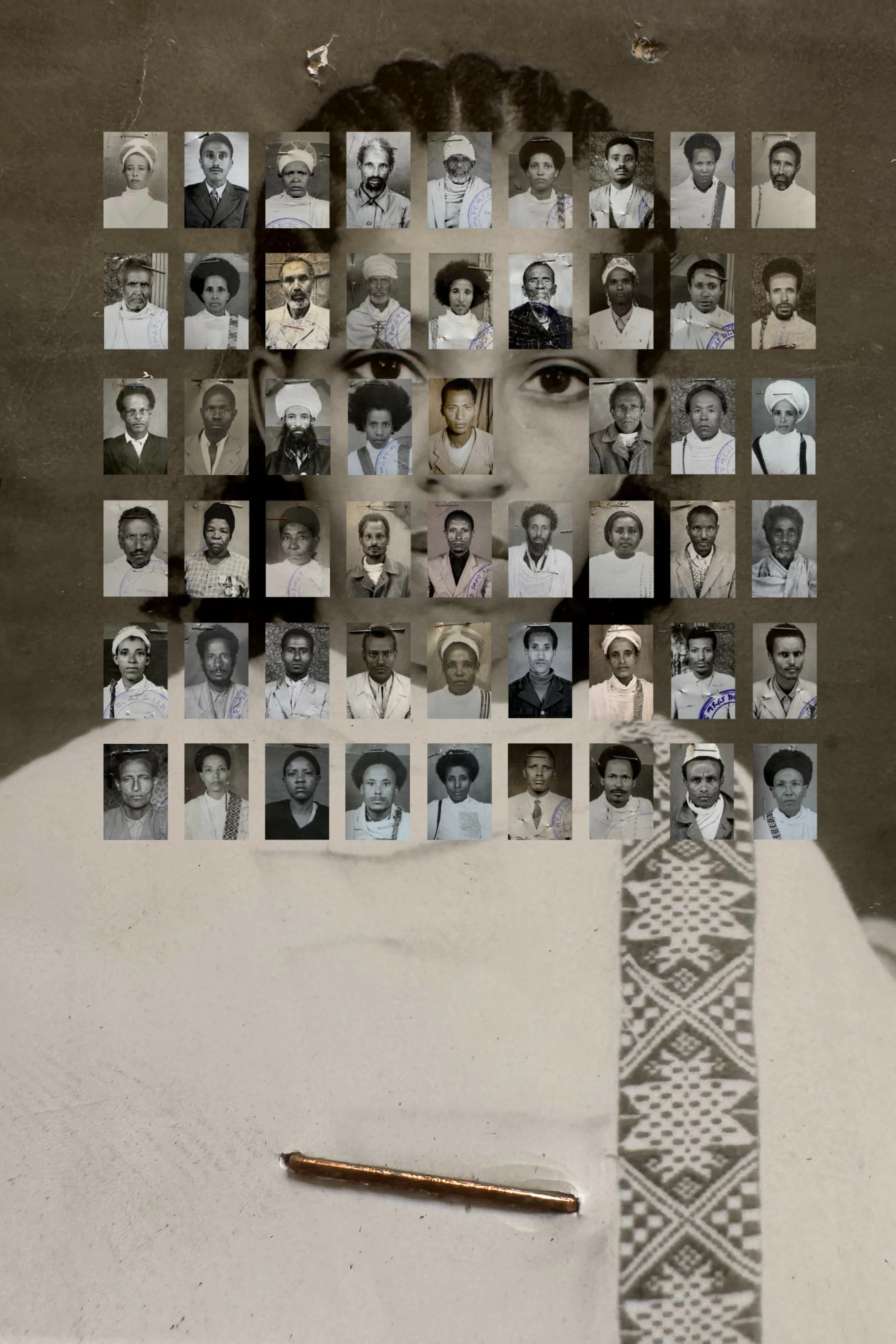
Rouhana, Guanyu Xu and Haileselassie explore themes of absence and rupture. Their works engage photography as a means of grappling with questions of visibility and with histories interrupted by conflict or erasure. Rather than presenting the photograph as a fixed document, they approach the image as a site where meaning remains contingent, negotiated and, at times, deliberately withheld.
In the exhibition, the artists expand conventional understandings of documentary photography through experimentation, mainly through the means of scale and materiality. Large-format prints, constructed installations and spatial interventions challenge established modes of viewing, suggesting alternative ways of telling stories that blur the boundaries between fact, record and interpretation. The works position documentary photography as a field in transformation: one defined not by static truths, but by continual and serious discernment. Vantage Point 13 is curated by Sara Al Mheiri, Assistant Curator, and Osemudiamen Ekore, SAF Curatorial Assistant.
Luisa Dörr is a Brazilian photographer whose work is mainly focused on the human landscape on the feminine side. Through quiet storytelling, she uses the portrait as a vehicle to tell narratives, and explore the complexity of human nature and femininity. Dörr belongs to the new generation of photographers who are putting women centre stage, creating countless portraits of her contemporaries, exploring the depths of the favelas or depicting the lifestyles of the bourgeoisie, capturing the dignity of her subjects and their condition.
Latifa AlBokhari is a Saudi multidisciplinary artist and curator working across analogue photography and installation, and textile. By reflecting upon oneself and others alike, her practice documents the complexities of memory and nostalgia. She builds a perspective which redefines what it means to belong. Having spent a large part of her life abroad helped spark her interest in visual ethnographic research. Her bicultural experience underwrites how she both sees and engages with the world around her, how she understands belonging, and where she seeks to build community.
Sathish Kumar is a freelance photographer based in Chennai, India. With his photography, he records everyday reality, all his encounters and journeys that create an expression of himself, of his life and of the world around him. Adam Rouhana is a Palestinian-American photographer whose work moves at the intersection of memory, representation, and the ethics of seeing. In his photographs, Palestinians are no longer passive subjects of news coverage; on the other hand, they are active participants in shaping their own stories, asserting life, dignity, and presence under the pressures of occupation. Olive groves, bustling streets, quiet domestic corners — these familiar landscapes become radical sites of encounter, reshaping assumptions hardened by reductive media imagery (foam.org).
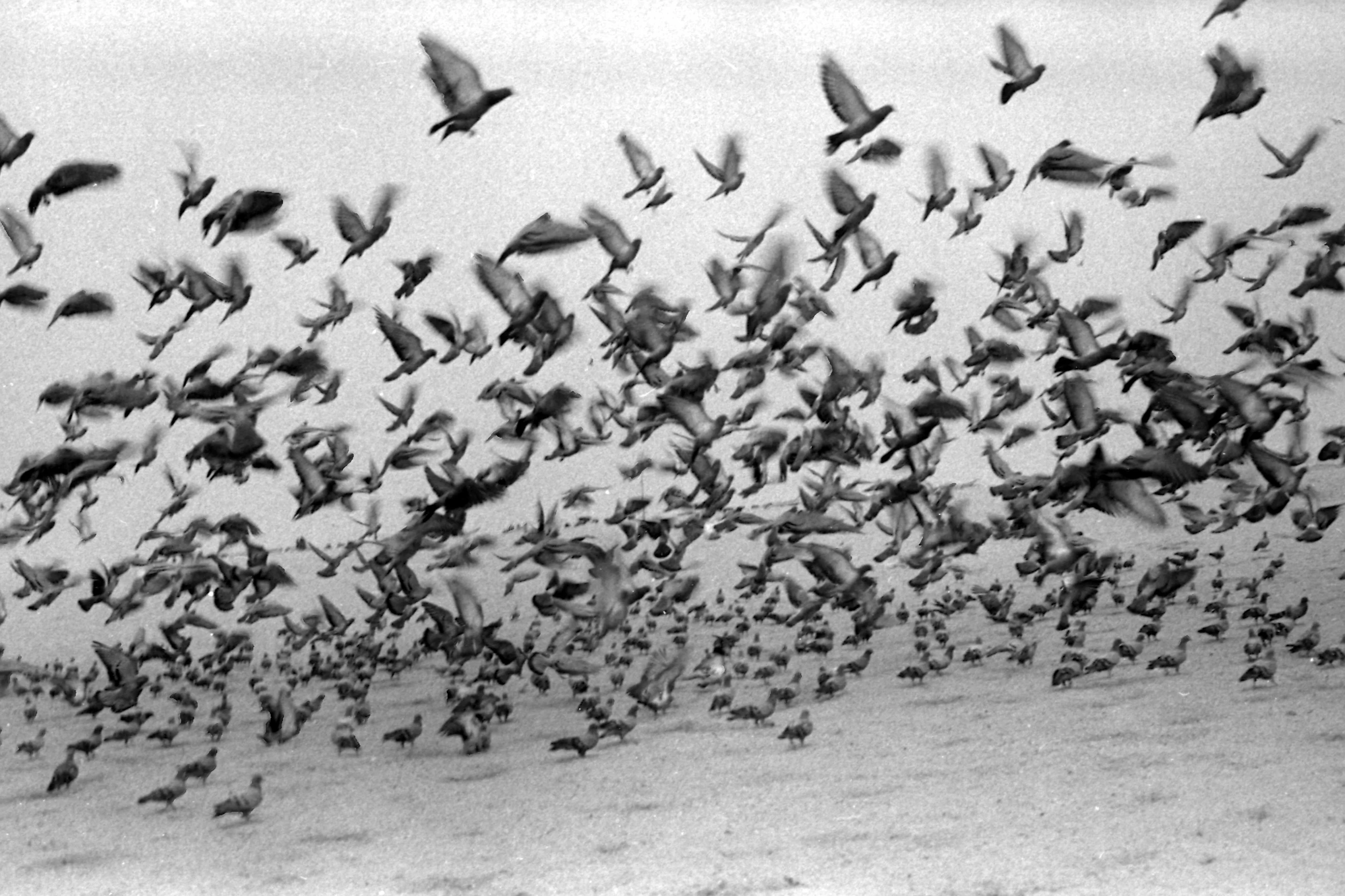
Influenced by the production of hegemonic ideology in American visual culture and his upbringing in Beijing, Guanyu Xu’s practice extends from examining the production of power in image culture to the question of personal freedom and its relationship to political regimes. In his work, he migrates between mediums like photography, new media, and installation. These movements operate similarly to his displaced and fractured identity. “Xu’s works involve tearing, fragmentation and reorganisation that are not on the grounds of destruction or obliteration,” says Hindley Wang of Artforum China. “It is rather a sort of brokenness held in forbearance. His syntax speaks discipline with disorder, docility with turmoil ...”
Maheder Haileselassie (born 1990) is an Ethiopian artist and photographer. She runs the Center for Photography to encourage younger photographers in Ethiopia. Haileselassie won the 2023 Contemporary African Photography Prize and was chosen as one of the BBC’s 100 inspiring women in 2024. Introduced in 2013 to cultivate public engagement with photography as an artistic medium, Vantage Point has evolved from an exhibition of UAE images by local photographers, to a global event encompassing all forms of lens-based art. It will now be housed permanently in SAF’s new Photography Gallery, which offers 450 square metres of exhibition space, supported by a range of facilities and resources.
“Documentary photography,” says an AI Overview, “chronicles events, environments and everyday life, to create a historical or social record. Unlike staged or purely artistic work, it focuses on capturing authentic, unmanipulated moments to tell compelling visual stories, often highlighting social issues, cultural shifts, or human experiences. Frequently used in photojournalism and social documentary, it aims to draw public attention to underrepresented communities, conflicts, or important societal issues.”