DAG and Salar Jung Museum host Taj Mahal exhibition in Hyderabad
- Last updated: July 13, 2026 | 10:07


Muhammad Yusuf, Features Writer
Taking a cue from Shah Jahan’s court chronicler Abdul Hamid Lahori who spoke of the ‘mute eloquence’ of what he called the ‘Rauza-i Munawwara’, The Mute Eloquence of the Taj Mahal, a special exhibition, is being hosted jointly by Delhi Art Gallery (DAG) and the Salar Jung Museum, Ministry of Culture, Government of India, in Hyderabad, India.
It is an untold visual story of the Taj Mahal, narrated through paintings, photographs and postcards, spanning from the late 18th to the mid-20th century (from July 5 at the iconic Salar Jung Museum, till Oct. 4).
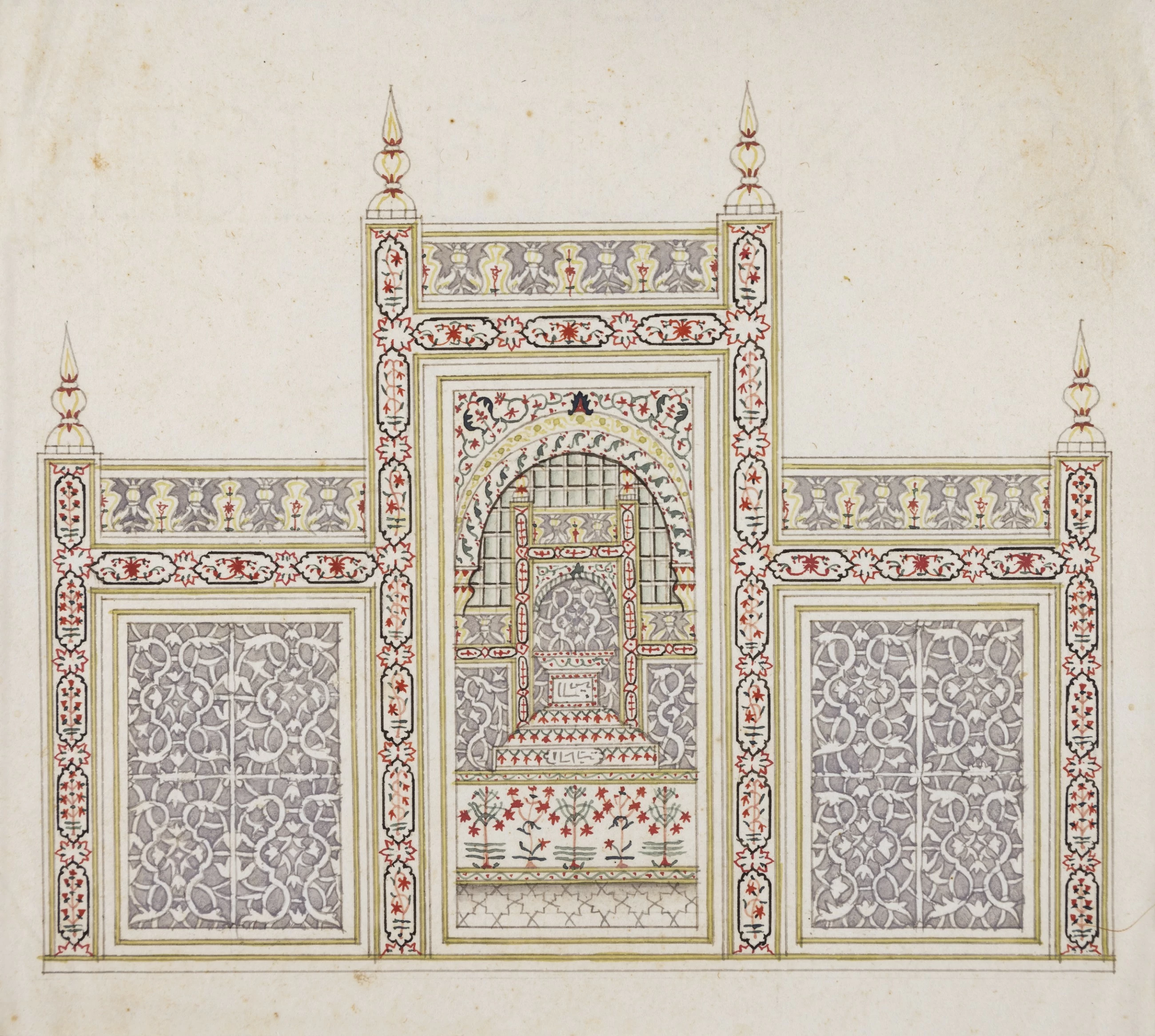
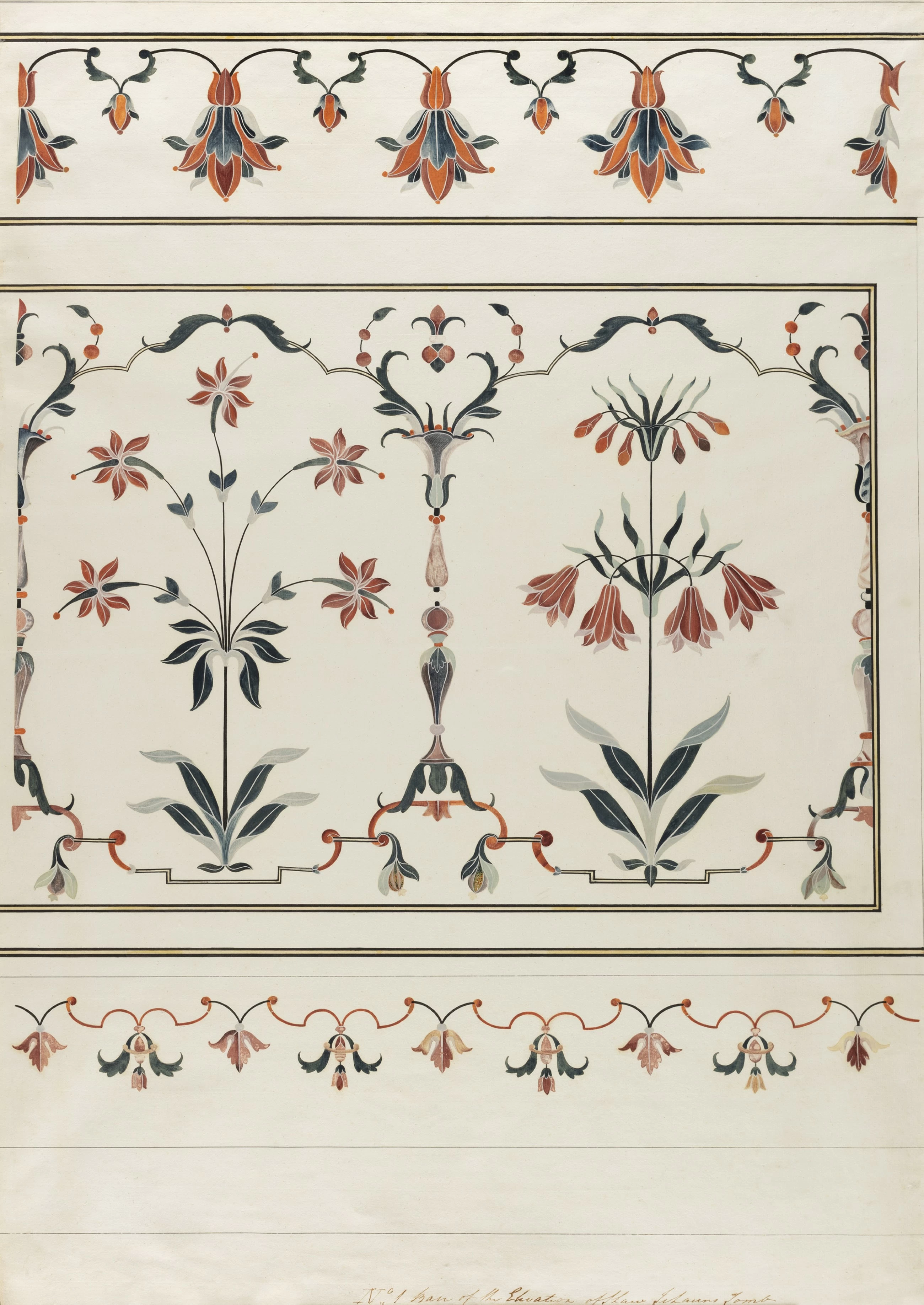
The show explores the ways in which the tomb’s design and details speak of the beliefs, aspirations and condition of Shah Jahan and his beloved wife, Mumtaz Mahal. The language of selected quotations from the Holy Quran and the language of flowers (the famous pietra dura decoration on the cenotaphs and screen), among other media, are used to do so.
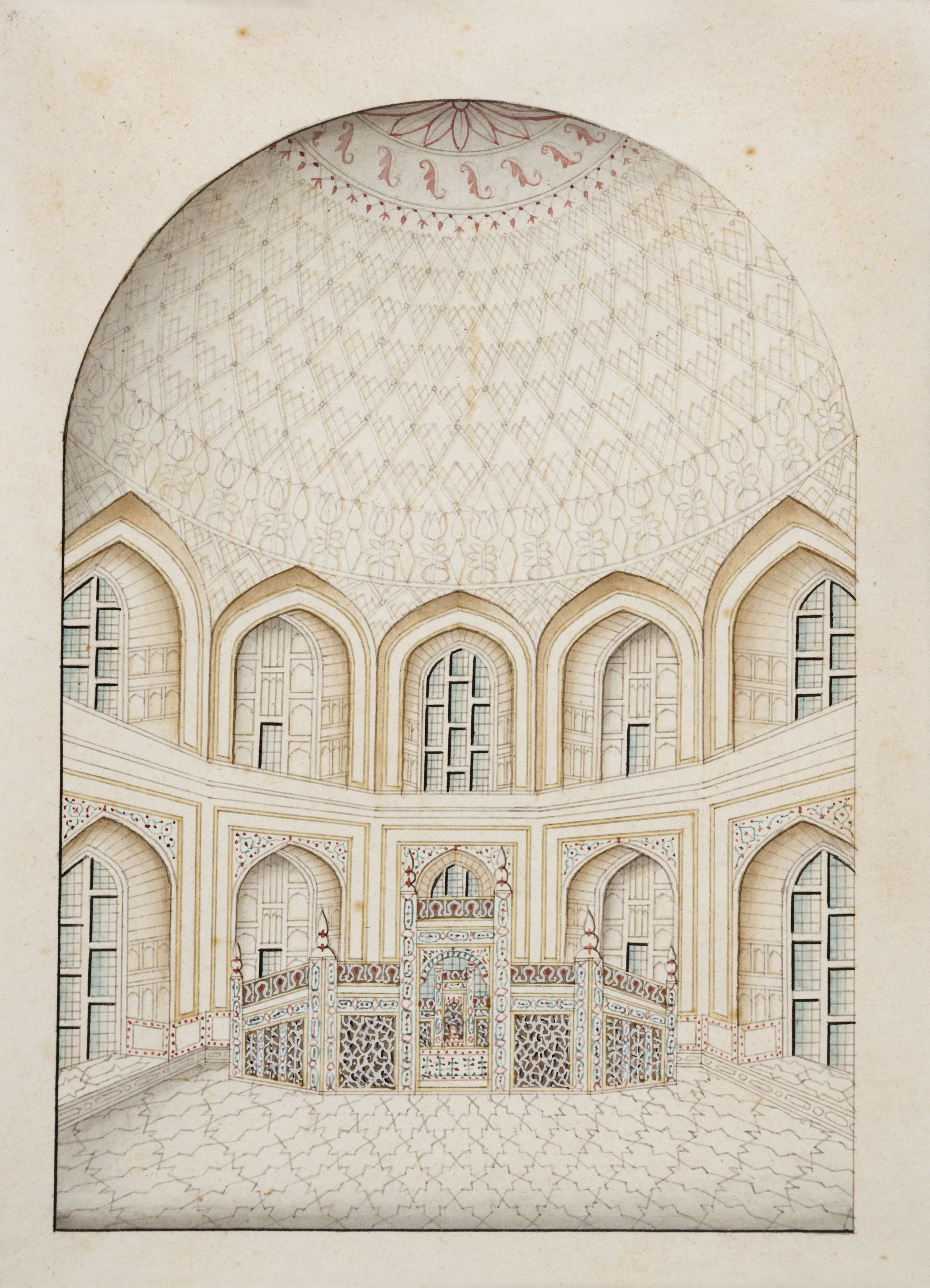
Curated by historian Rana Safvi, The Mute Eloquence of the Taj Mahal brings together 200 works, including (British East India) Company School paintings, works by foreign and modern Indian artists, as well as photographs and postcards, providing a comprehensive visual narrative of the Taj Mahal and its estate. The works do more than document the monument: they reflect evolving artistic interpretations of the tomb’s architecture, interiors, gardens and subsidiary monuments.
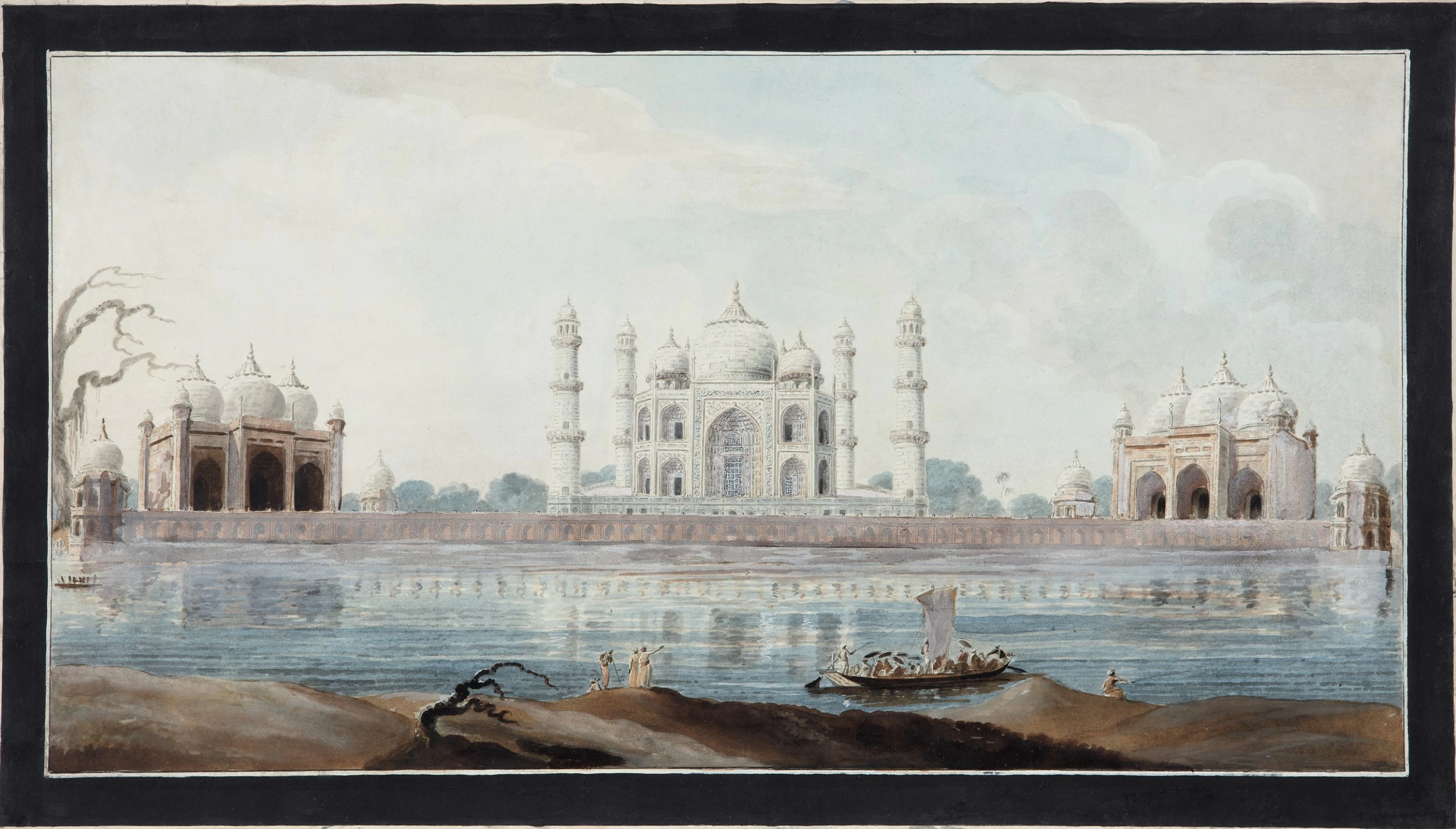
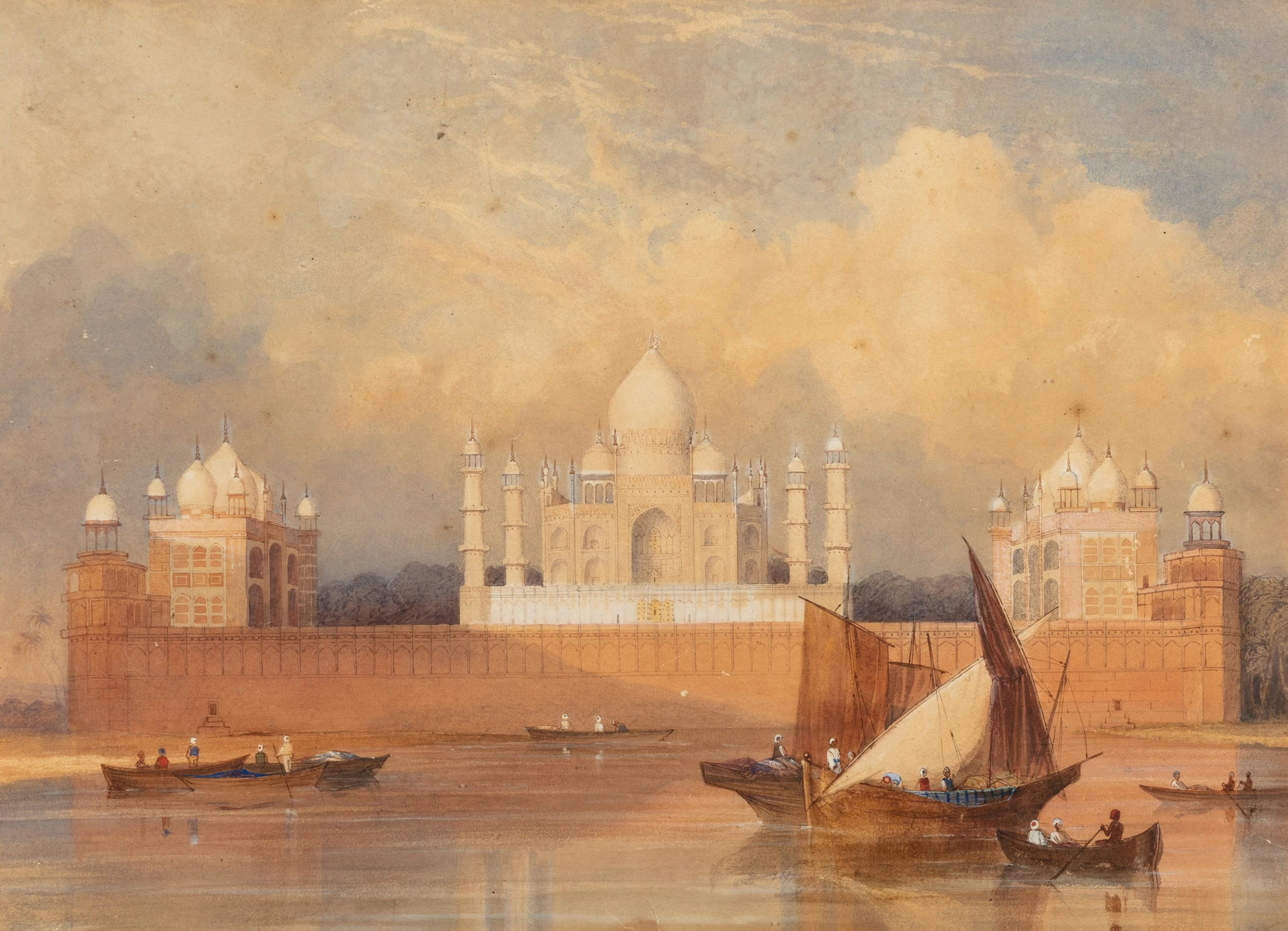
Company paintings by Agra-based artists offer detailed visual records of the monument’s intricate pietra dura inlay work, while a selection of works by visiting foreign artists, ranging from the late 18th-century views of British artist Thomas Daniell to the elegant 1930s woodblock prints of Japanese master Hiroshi Yoshida and British artist Charles William Bartlett, collectively trace the evolving global fascination with the Taj Mahal, revealing how it has been variously interpreted, romanticised, and reimagined across multiple artistic traditions.
In addition, works by modern Indian artists including Abanindranath Tagore, L. N. Taskar, S. Bagchi and Jyoti Bhatt, offer interpretations of the monument, reflecting not only its enduring beauty, but also its layered historical meanings and cultural significance.
A collection of photographs and postcards dating from the 1850s to the mid-20th century, charts not only the evolution of photographic techniques, but also the Taj Mahal’s enduring role in shaping visual narratives of India, through the work of a diverse group of acclaimed photographers, from European war and commercial pioneers like Felice Beato, Samuel Bourne, John Edward Saché and Thomas Rust, to renowned Indian photographers like Lala Deen Dayal and R.R. Bharadwaj.
For the first time, selections from the archive of Albert Edward Griessen, Superintendent of the Taj and Government Gardens (1902–1905), are on public view. Now part of the DAG collection, the archive — comprising plans, photographs, correspondence, and official reports spanning 1868–1908 — offers rare insights into the site.
Ashish Anand, DAG CEO and Managing Director, says: “Is there anything left to be said about the Taj Mahal? India’s most famous building has inspired a vast range of writing, from paeons of praise penned by court historians and enthusiastic foreign travellers, to scholarly analyses and travel agents’ blurbs, covering every aspect of its character and history.
“Artists, too, have responded with a plethora of images, from paintings, prints and photographs, to tourist posters. Yet, always the Taj seems to ask for more. Against the commonly uttered remark that ‘words cannot describe it’, we feel the need to make some appropriate added response of admiration. I am confident that as we study the images assembled in the exhibition, you will share my delight in realising that a building that we might be all too ready to dismiss as a cliché, has the power to surprise us still.”
“By foregrounding the tomb’s exquisitely inscribed Quranic calligraphy, celestial imagery and paradisiacal architecture, the exhibition reveals the Taj Mahal as at once a metaphor for paradise in Islamic thought and a testament to imperial grandeur,” says Rana Safvi. Priyanka Mary Francis (IAS), Director, Salar Jung Museum, said that “we invite everyone to join in celebrating some of the best and most evocative works of art India has produced in the last centuries all in honour of one of the most important world monuments, The Taj Mahal.” Numerous educational programmes, walkthroughs and lectures accompany the show.
A publication, edited by Rana Safvi, investigates less explored aspects of the tomb and its complex, including the Taj’s role in the commercial life of Agra city through the almost forgotten market sector known as Taj Ganj and the role of other women besides Mumtaz, in the court of Shah Jahan. New light is also thrown on the role of the Taj simultaneously as a private family monument and a public imperial one; the interplay between the river and the gardens on both banks that serve as its setting; and the journey of the Taj in the colonial and popular imaginations.
Across seven chapters contributed by eminent scholars and experts such as Michael Calabria, Ursula Weekes, Emily Shovelton, Ira Mukhoty, Amita Baig and Sarthak Malhotra, a companion volume traces the monument’s conception, construction, and evolution, from the Rauza-i Munawwara envisioned by Shah Jahan to the Taj Mahal we know today. Finally, Rana Safvi offers a close reading of the floral ornamentation on the tomb and cenotaphs, interpreting the motifs as key elements of the monument’s paradisiacal vision. Together, the exhibition and publication reappraise the Taj Mahal not as a static symbol, but as a dynamic cultural artifact.